Opinion: Let’s Make Solar Accessible to All Californians

Fighting climate change is a moral imperative that requires leadership and a clean vision for our nation’s energy future.

NASA recently released data showing that the Earth’s surface temperatures for 2015 were the warmest on modern record. It is clear that the threat of climate change is no longer a theory but a clear challenge to our society, national security, and way of life.

For more than a generation, California has been leading the charge for innovative solutions that tackle the threat of climate change. Recently, our Public Utilities Commission issued their preliminary decision, which establishes a clear commitment to making solar energy accessible and affordable to all Californians.

Now is the time to finalize these critical rules for rooftop solar to provide certainty to businesses and consumers.

Sadly, many long-time polluters are trying to divide our community over this issue, but we cannot allow that to happen. We must stand, united, for a more sustainable future that includes green energy access for all.

[jump] Consumers deserve clarity as they consider the solar option. Our state must commit to strong net-metering policies that allow homeowners to sell their excess energy back to the utility. The utility can then sell this clean energy to other customers instead of generating more power from carbon-emitting power plants.

With strong rules that protect consumers and reward them for using solar power, California will continue to lead as we transform the future.

According to the Solar Energy Industries Association, solar customers can save an average of 10 to 20 percent on their energy bills. Going solar puts money back in the family pocket while reducing carbon emissions.

As we continue to expand access to solar, we must ensure that no community is left behind. In Congress, I joined Congressmember Tony Cardenas in introducing the Low-Income Solar Act (H.R. 3041), which provides loans and grants that empower low-income families to live more sustainably and save money by installing solar panels on their homes.

The benefits of solar energy are clear. It creates jobs and reduces carbon emissions. It also helps prevent the emissions of dangerous chemicals into the air — including sulfur, mercury and coal ash — that we breathe.

Tragically, there is a long history of power plants being zoned in our poorest neighborhoods, often neighborhoods that are predominately people of color. As a result, a disproportionate number of African American and Latino families live within thirty miles of a power plant. This proximity has resulted in well-above-average rates of asthma, bronchitis, and other respiratory disorders.

We simply cannot continue with the status quo. Far too many families, especially families of color, have suffered the health cost of dirty energy.

Expanding solar energy generation will reduce pollution and start to turn the tide against these diseases. This will help keep kids and families healthy while providing them access to the cleaner energy they deserve?

It’s past time to make solar affordable and accessible for all communities.

The next major step in this process is finalizing California’s net-metering rules, which will provide a foundation to build the solar future.

This is California’s opportunity to continue leading. We must act now.

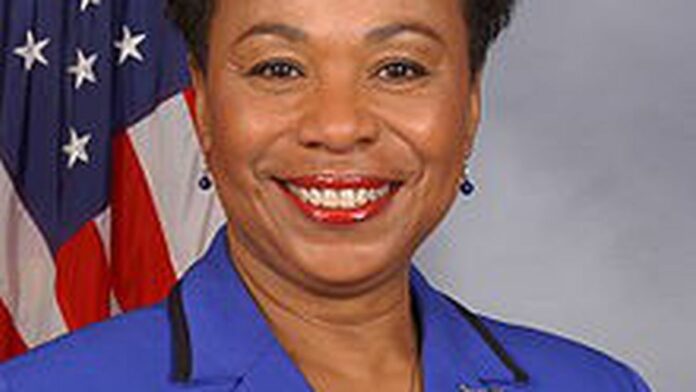
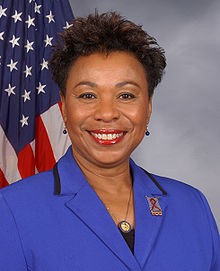
Congressmember Barbara Lee represents the East Bay in the US House of Representatives. She is a member of the Appropriations and Budget committees. Previously, she served in the California State Senate and Assembly.


California Medical Cannabis Law, Regulations, and Professional Events Listings

California’s historic new medical cannabis regulations bestow unprecedented legitimacy on the billion-dollar industry, and the sector is exploding with growth. 

For example, events related to medical cannabis law, regulations, and professional development are multiplying rapidly. Here is a selection of upcoming dates on our radar.

Tonight:
“Protecting Access in Your Community”
Live online broadcast via YouTube/ Google Hangout
8 p.m.
Americans for Safe Access details how to stop and reverse local bans on medical cannabis cultivation, delivery, and dispensing.

Thursday
National Cannabis Industry Association Quarterly Caucus — San Francisco
6:30 p.m. – 9 p.m.
SF Green Space, San Francisco
Each Cannabis Caucus is free of charge for current NCIA members.

Berkeley Medical Cannabis Commission Hearing
6 p.m.
North Berkeley Senior Center
1901 Hearst Avenue, Berkeley
Hearing to take public comment on the six groups vying for a new Berkeley dispensary permit.

[jump]


Friday

“Disjointed Regulation: State Efforts to Legalize Marijuana”
A conference at UC Davis School of Law on January 29, 2016.
8:30 a.m. to 5 p.m.
UC Davis School of Law, Room 1001
“UC Davis Law Review will host 13 scholars to discuss the major legal issues surrounding the legalization of marijuana in some states. Panel topics include federalism issues, the taxation and regulation of marijuana, and how state legalization could impact our criminal justice and incarceration systems.”

Keynote: Professor Richard J. Bonnie, Professor of Medicine and Law, University of Virginia School of Law

Morning Speaker: Allen Hopper, Director of Criminal Justice and Drug Policy, ACLU of Northern California

Panelists:
•    Associate Dean Steven Bender, Seattle University School of Law
•    Professor Sam Kamin, University of Denver, Sturm College of Law
•    Brianne Gorod, Appellate Counsel, Constitutional Accountability Center
•    Jolene Forman, Staff Attorney, Drug Policy Alliance
•    Professor Alex Kriet, Thomas Jefferson School of Law
•    Professor Andrea Roth, University of California, Berkeley, School of Law
•    Professor Michael Vitiello, University of the Pacific, McGeorge School of Law
•    Professor Erik Luna, Sandra Day O’Connor College of Law at Arizona State University
•    Professor Benjamin Leff, American University Washington College of Law
•    Professor Joseph Bankman, Stanford Law School
•    Professor Jeremy Kidd, Mercer Law School

Feb. 3 – 6
WomenGROW Leadership Summit 2016
Denver, Colorado
Now featuring Melissa Etheridge

Feb. 5
Women GROW: Bay Area Networking Event
6 – 8 p.m.
1355 Market Street, #488, San Francisco

Feb. 6
Mendocino County Board of Supervisors Marijuana Ad Hoc Committee town hall meeting 2:00 p.m. – 5:00 p.m.
Willits Senior Center, 1501 Baechtel Road Willits, CA
For more information, please contact Sarah Dukett at the Mendocino County Executive Office at (707) 463-4441 or du*****@*************ca.us

Feb. 10
State Board of Equalization Member Fiona Ma, CPA. Cannabis Traceability Stakeholder Meeting
10 a.m. – 12:30 p.m
450 N. Street, Room 121, Sacramento, CA

Feb. 13-14
International Cannabis Business Conference
San Francisco, CA.
Featuring Dr. Joycelyn Elders, US Surgeon General, Andrew Sullivan, …

Feb. 18
Bay Area Women Grow & Gateway Incubator Present: Startup Pitch Workshop
A special workshop focused on women founders to improve pitching skills
Gateway, 330 2nd St., Oakland

Feb. 20
2nd annual Ganjier Spring Kickoff
The Mateel Community Center, Redway, Humboldt County
“…jump start the outdoor season and get cultivators prepared with the seeds, tools and knowledge they’ll need in 2016 …”

March 3-5
California Cannabis Business Expo
San Francisco, CA.

We’ll update this list as we get more notifications.
You can notify me of events at Da*********@***il.com

Federal Judge Reinstates Court-Appointed Investigator to Examine Oakland’s Police Officer Discipline System

Concerned that the City of Oakland hasn’t taken meaningful steps to fix problems within its police officer discipline system, federal Judge Thelton Henderson reappointed an outside attorney yesterday to investigate the Oakland Police Department and the city attorney’s handling of officer misconduct cases.

See: Court-Appointed Investigator Slams Oakland’s “Broken” Process for Dealing with Bad Cops
See: Why Oakland Can’t Fire Bad Cops

Henderson had previously appointed Edward Swanson, a private attorney, to investigate why the City of Oakland was for years unable, or unwilling, to impose meaningful discipline against bad cops. Last April, Swanson issued his report, based on the review of thousands of pages of city records and emails, and interviews with top city officials. Swanson characterized Oakland’s police discipline process as “a broken and inadequate system that has evaded the public’s scrutiny for too long.” Swanson laid blame on both OPD and the City Attorney’s Office for conducting tainted investigations of officer misconduct, and bungling arbitration hearings so that officers were often able to overturn disciplinary measures.


[jump] Swanson made nineteen different recommendations to fix the city’s police accountability system. But in his order issued yesterday, Judge Henderson wrote that “the steps the City has taken do not reflect full and sustainable implementation,” of Swanson’s recommendations. Henderson noted that in a December report submitted by the city to the court, the city claimed that it prevailed in six recent arbitration hearings seeking to uphold discipline against officers accused of misconduct.

But according to Henderson, the city did not clearly prevail in these arbitration hearings. The result of one arbitration hearing, wrote Henderson, was than an officer who was terminated because of serious misconduct (of an undisclosed nature) was reinstated with only a thirty-day suspension. Henderson wrote that this was “a reversal that resulted in the reinstatement of an officer whom the City believes is unfit to police its community.” According to Henderson’s order, the city has outlined no steps it will take to try to avoid similar outcomes from future arbitration hearings.

The Independent Police Monitor, a team of law enforcement experts assigned by the federal court to oversee sweeping reforms of OPD since 2003, found that in two recent internal affairs (IA) investigations, OPD investigators failed to find their fellow officers guilty of misconduct, despite video evidence proving the cases. The monitor team wrote in a December report to the court that an OPD internal affairs investigator exhibited an “obvious reluctance” to find another officer guilty of alleged misconduct, while another IA investigator deployed an “incredible display of semantics gymnastics” to find an OPD officer innocent of allegations, despite evidence to the contrary. In a third investigation, the monitor found that an officer’s superior who was involved in an incident that led to a complaint being filed was then allowed to help conduct the investigation — a “clear violation” of the department’s policies, according to Henderson.

“That these issues occurred while the City and Department are still being monitored raises concerns as to what will happen when the Court and Plaintiffs’ counsel are no longer holding them accountable,” Henderson concluded in the order made public yesterday.

Representatives of the Oakland Police Department and the City Attorney’s Office did not immediately respond to requests for comment.

The City of Oakland will be forced to pay for the investigators services, according to Henderson’s order.

Wednesday Must Reads: Sierra Snowpack Highest in Four Years; Gov. Brown’s Water Tunnels Get Cold Reception

Stories you shouldn’t miss:

1. The snowpack in the Sierra Nevada right now has the highest water content in four years, and is at 115 percent of the historical average, the Chron reports, citing new data from the California Department of Water Resources. However, California still has a long way to go before it emerges from the drought. State officials say the snowpack will need to be at least 150 percent of normal by April 1 before they even consider declaring the drought to be over.

2. Governor Jerry Brown’s controversial plan to build two giant water tunnels underneath the fragile Sacramento-San Joaquin River Delta got a cold reception in the South Bay yesterday, with officials there expressing serious doubts about the proposal, the Mercury News$ reports. Five of the seven members of the Santa Clara Valley Water District, an agency that had expressed support for the tunnels plan, voiced skepticism about it during a forum with three members of Brown’s administration. The South Bay officials are concerned that the tunnels will destroy the delta and that the plan is designed solely to benefit Big Agribusiness in the San Joaquin Valley.


[jump] 3. State air pollution regulators sued Southern California Edison and accused the utility of negligence because of the massive methane gas leak near Porter Ranch that has forced thousands of people to vacate their homes, the LA Times$ reports. The South Coast Air Quality Management District is seeking to fine the utility $250,000 a day for the leak, which began in October and has been spewing huge amounts of greenhouse gases — the daily equivalent of more than 4 million cars.

4. State regulators have issued tighter regulations because of the Porter Ranch gas leak, but environmentalists say the new rules don’t go far enough because they do not require automatic shut off valves, the SacBee$ reports. California has more than three hundred underground gas storage tanks like the one near Porter Ranch.

5. And the Oakland Tribune obtained disturbing video footage of a 51-year-old man crying, “They’re killing me!” and “I can’t breathe” in the moments just before he died while being physically restrained by Oakland cops. The last moments of Hernan Jaramillo’s life were captured on police body camera video in 2013.

Corrections for the Week of January 27, 2016

Our January 20 feature story, “Cap and Clear-Cut,” stated that the Geos Institute conducted a climate assessment of Oregon’s forestry practices. The assessment was developed collaboratively by the Center for Sustainable Economy, the Geos Institute, and Oregon Wild. It also stated that 676,000 acres of old-growth forest in Tongass National Forest in Alaska would be logged in the next 10 years; it is actually 676,000 board-feet, or about 27,000 acres. It also stated that Marily Woodhouse lives on the eastern slope of Mt. Lassen. She lives on the western slope.

And our January 20 dining review, “The Sandwich Tinkerer,” listed the incorrect phone number for Pal’s Take Away. The correct number is 415-203-4911.

California Medical Cannabis Regulations Fire Up

California’s medi-pot industry is racing to organize itself and lobby Sacramento lawmakers before local and statewide rules remake the Golden State’s multibillion-dollar legal weed sector.

Almost twenty years after state voters legalized medical cannabis, California’s historic Medical Marijuana Regulation and Safety Act (MMRSA) took effect on January 1. The state Assembly held its first joint committee meeting on implementing MMRSA on January 19. Representatives of many of the dozen or so state agencies that are tasked with regulating medical weed gave testimony at the meeting, as did members of the medi-pot industry.

“It’s law and we are moving forward now,” State Board of Equalization member Fiona Ma told me.

“It’s the first day of the rest of our lives. It was nice to see the state taking steps to work on this,” said Nate Bradley, director of the California Cannabis Industry Association (CCIA).

The January 19 meeting kicked off two years of hearings on the creation of new state rules, which will take effect by 2018. These rules will determine winners and losers in the new, 100-percent legal pot economy, so the industry is lobbying like never before. The CCIA also held its first Sacramento conference on January 19 and plans a huge state policy event on March 29.

At least a half-dozen state bills this year will seek to fund, clarify, alter, or add to the rules — sometimes pitting industry against cities, counties, and cops; other times pitting industry against itself.

Existing businesses are going to try to use the new regulations to shut out new market entrants, Bradley said. “The main divide is between the way it is now versus the open market,” he said. “The protectionism people versus the freedom people.”

Another group, the California Growers Alliance (CGA), held its first San Francisco-Oakland chapter meeting on January 20 in San Francisco. Both CCIA and CGA are working to influence several hot bills:

Assembly Bill 21 is legislation by East Bay Assemblymember Rob Bonta that would lift a March 1 deadline for local cities or counties to regulate medical marijuana. AB 21 passed out of committee by a vote of 7-0 on January 20 and seems destined for the governor’s signature. “Hopefully, that will alleviate a lot of these bullshit bans,” said Ryan Bush of CGA-SF, referring to the recent onslaught of new bans on medical weed enacted by cities and counties because of the March 1 deadline.

Meanwhile, AB 1575 is a huge regulatory cleanup bill that addresses packaging uniformity; nurseries; new “virtual dispensary” licenses; research licenses; taxes and fees rules; temporary permits; testing rules; and transportation. It could be heard in committee on February 4.

AB 26 is a union-sponsored effort to mandate official training for all budtenders. And AB 1821 would allow businesses to pay taxes in cash without a penalty or waiver.

“If you’re not at the table, you’re on the menu,” said Aaron Flynn, CGA-SF chapter leader.

On the menu: homegrowers; delivery services; and pot parties. The days of selling an extra homegrown pound to a dispensary are numbered. All commercial growers must be dual-licensed by state and local officials by 2018. Even progressive cities like Oakland don’t want commercial pot farming in residential zones, due to fires, robberies, and ruined housing stock.

Homegrowers have a “tremendous uphill battle,” said Alex Zavell, a regulatory expert in Oakland attorney Robert Raich’s office.

Delivery-only services also face existential threats. Los Angeles, San Francisco, and San Jose have either sued or have threatened delivery services not tied to a physical dispensary. Dispensary owners are also lobbying to block competition from delivery-only services. The CGA said it faces a tough battle this year to create a new license for “non-traditional” dispensaries. “Any other word than ‘delivery,'” said Bush.

Pot parties with weed giveaways are also endangered. HempCon moved its event this month from San Jose to Daly City after the City of San Jose promised to enforce its “no freebies” rule. The Emerald Cup, which drew 20,000 attendees to Sonoma County in December, might have to scrap freebies — a main attraction to the event.

Board of Equalization member Ma implored business operators to start paying their taxes and to take part in the rulemaking process. “Touch base with legislators, your assemblymembers and senators. Offer your expertise, invite them to come and see and learn and touch and feel,” she said. “That will make them better advocates for the industry.”

Locally, the Berkeley Medical Cannabis Commission is scheduled to hold a February 4 hearing for the six groups vying to win Berkeley’s one new dispensary permit. And the Oakland City Council’s public safety committee will likely hear a plan on February 9 to license Oakland’s medical pot growers, hashmakers, and edibles kitchens. “Oakland is moving really fast [and is] actually leading the state,” Zavell said.

Other cities are getting wise to the historic opportunity, as well. On December 29, the desert wasteland of Adelanto approved 25 medi-pot cultivation permits, collected $180,000 in permit processing fees, and lifted its cap on approving more farms.

Corrections: The original version of this column misstated the date of the California Cannabis Industry Association meeting. It was January 19 — not January 20. It also misstated the date of the California Growers Alliance San Francisco-Oakland chapter meeting. It was January 20 — not January 27. And HempCon did not cancel its event in San Jose this month; rather, it moved the event to Daly City.

Letters for the Week of January 27, 2016

Miscellaneous Letter

Why We Should Protect Farmland

Fifteen percent of the agricultural area in the Bay Area is at risk of being developed into subdivisions and other sprawling suburban forms. Every Bay Area urbanite — from Silicon Valley computer engineers and banking gurus in San Francisco’s Financial district to teachers in Oakland and community organizers in Richmond — should flock to their local elected official’s office and planning commission meetings to express their unanimous support for policies that help keep these lands free of development and that make farming a viable means of making a living.

Why should the preservation of the Bay Area’s agricultural land concern citizens of our lovely region? There are many reasons, both quantifiable and not (think of the educational benefit of knowing how food is grown), but I will focus on two important ones. First: Farmland acts as a buffer against sprawl. Second: Local farms are a crucial component of our regional food economy.

Having policies and regulations that limit sprawl redirects development to existing urban areas. This is known as infill development. Studies have found that limiting sprawl and promoting infill is one of the single most efficient ways to reduce the greenhouse gas emissions of cities. Infill development reduces the carbon emission of vehicles by shortening daily commutes, and also reduces the consumption of residential energy by creating dense urban areas. Establishing greenbelts — protected green areas around cities for farming, grazing, recreation, or conservation — is one very efficient way to promote infill and limit sprawl. Of these greenbelts, farmland and grazing land are the most economical for cities. Another reason to preserve farmland? Once agricultural land is developed, it is essentially gone for good, and we’ve already lost thousands of acres in high-quality farmland to the construction of subdivisions.

Consuming locally produced foods and goods makes economic sense; we’ve been doing it since the first farms appeared. It’s better for the region’s economy. It’s also backed by sound science and analytics. A recent analysis found that the Bay Area’s food industry provides 12 percent of all private sector jobs. The food industry employs more people in the Bay Area than the information, finance, construction, and insurance sectors combined. Conserving farmland means that food processors, distributors, and retailers can meet a growing and voracious demand for locally grown produce. Thus, more of the Bay Area’s monetary wealth stays in the Bay, creating what is known as the multiplier effect. Purchasing from locally owned businesses — be they restaurants, farms, or clothiers — brings a greater economic benefit to the area.

One caveat: Locally produced food is not necessarily “green” food — if we define “green” as any activity or product that reduces greenhouse gas emissions. If a tomato travels fewer miles to get to your table, this does not mean that in choosing to buy this tomato, you’ve lessened your carbon footprint for the day. This is because 80 percent of a food product’s carbon footprint is in the production process — meaning, choosing to buy an organic tomato grown using sustainable farming practices in Mexico has less of an environmental impact than buying a local tomato grown using “traditional” single-crop farms in Santa Clara County. This is why supporting local farmers has to go hand-in-hand with calling for, in ballot boxes and at grocery stores, sustainably grown produce. This is also why those of us who are self-conscious about spending $5 on two tomatoes at Whole Paycheck can stop feeling guilty about our contribution to the “wealthy and crunchy” ethos of the Bay Area.

Given the climatic and natural-resource challenges we’re already experiencing, and the threat of future global warming, locally and sustainably grown produce should be the rule, and not the exception of agricultural practice, and protecting our local farmland is the most crucial step toward greater sustainability in the Bay Area.

Diana Perez-Domencich is a City Planning
student at UC Berkeley, Oakland

Corrections

Our January 20 feature story, “Cap and Clear-Cut,” stated that the Geos Institute conducted a climate assessment of Oregon’s forestry practices. The assessment was developed collaboratively by the Center for Sustainable Economy, the Geos Institute, and Oregon Wild. It also stated that 676,000 acres of old-growth forest in Tongass National Forest in Alaska would be logged in the next 10 years; it is actually 676,000 board-feet, or about 27,000 acres. It also stated that Marily Woodhouse lives on the eastern slope of Mt. Lassen. She lives on the western slope.

And our January 20 dining review, “The Sandwich Tinkerer,” listed the incorrect phone number for Pal’s Take Away. The correct number is 415-203-4911.

The New Ice Age

0

Charlotte Rampling has one of the film world’s finest withering glances, and she puts it to good use in 45 Years, in company with actor’s actor Tom Courtenay. Director Andrew Haigh’s subdued domestic character study — the latest in an ongoing wave of “mature dramas” aimed at moviegoing audiences of a certain age — is the story of a seemingly contented, childless, older married couple living a tidy retirement in the English countryside, and how that changes the day he receives a fateful communication.

The Mercers, Kate (Rampling) and Geoff (Courtenay), are preparing to celebrate their silver wedding anniversary when word comes that the body of Geoff’s former girlfriend, Katya, has been discovered in a Swiss glacier. Years earlier — 45 to be exact — Geoff and Katya, evidently a pair of adventurers eminently suited for each other, had been trekking in the Alps when Katya suddenly disappeared down a crevasse. Now, as described in the letter Geoff receives, Katya’s body has been found perfectly preserved in the ice, and funeral arrangements are being made in Switzerland.

Time immediately stands still for Geoff. It’s as if he enters an alternate state of reality, poised between the present and the past. Granted, Geoff already seems a little hazy on details in general, but this disturbing news plunges him even further into his own depths. “She’ll look like she did in 1962,” mutters Geoff to no one in particular. But Kate understands very clearly. In an instant, everything about their relationship is put into question.

Kate’s response is more controlled than Geoff’s, but more profound and infinitely darker. These are not the sort of people who murder each other in the heat of passion. Rather, the glacial ice creeps slowly over them, one tentative day at a time. The screenplay, adapted by Haigh from a short story by David Constantine, chills us to the bone, but that’s nothing compared to the expression on Kate’s face. And yet the anniversary party goes on as planned. Cheers to Rampling and Courtenay, and pass the poison, please. Long live romance.

Azure Invites Us to Fall in Love with Our Idiosyncrasies

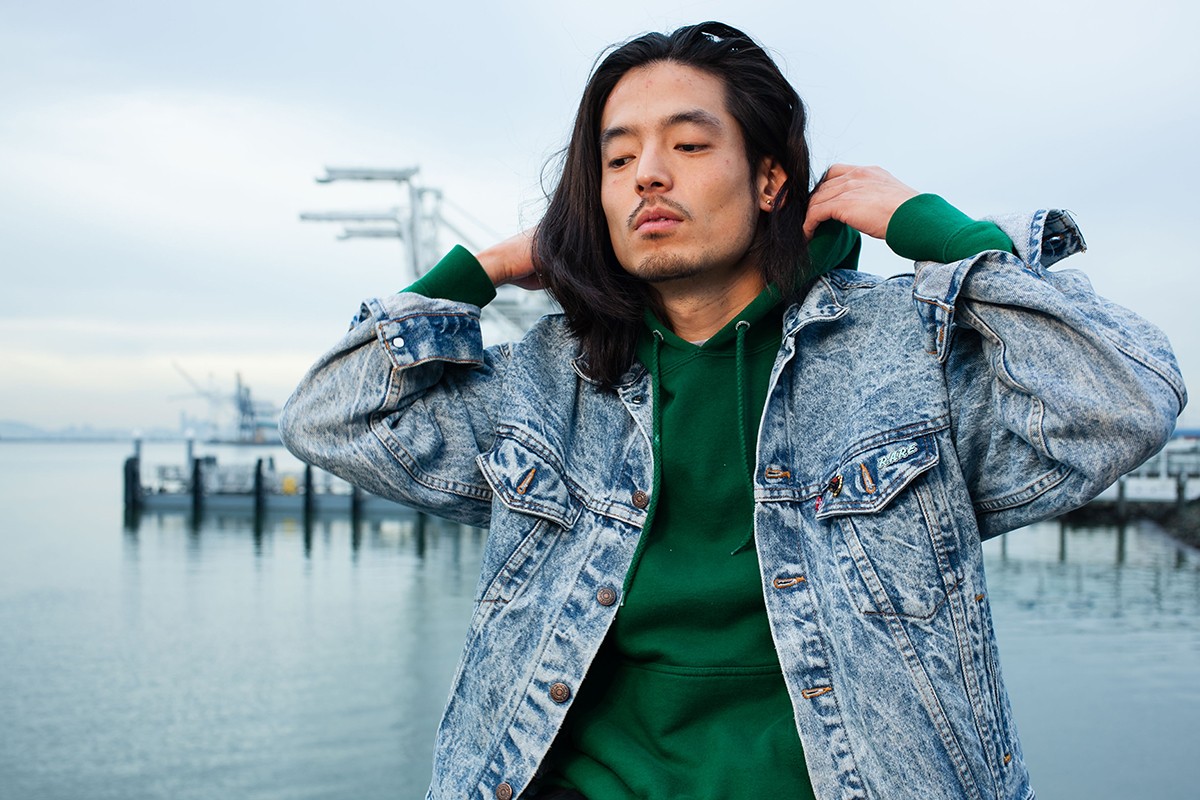
Last year, Rapper Azure (Justin Park) recorded his new album, Leap Year, in his then-apartment near Oakland’s Lake Merritt, with his equipment and a gaggle of collaborators crammed into his tiny bedroom. Some folks pulled up chairs while others sat on the bed, the floor, and even in the adjoining bathroom.

The playful, collaborative feel of those sessions is palpable throughout the record. It contains a patchwork of laidback flows and spoken-word poetry; esoteric samples with an old-school, jazzy feel; and piano interludes that often last for long stretches. Leap Year’s unhurried pace and indulgent instrumentation suggest that conveying a sense of instant gratification is not a priority for Azure (who now splits his time between his native Pinole and Los Angeles). Instead, his tracks linger on particular motifs, examining them from all sides as if they were precious objects.

Take “Momz (Intalude),” for instance, an instrumental piano track that takes its time unfurling its whimsical flourishes; or “Crazy,” on which Azure delivers a poem reflecting on coming of age and seeing his creative practice blossom. He recites it over the chatter of a noisy party, as if stepping away from the revelers to confide in the listener. Azure’s conversational lyrics cultivate a sense of shared intimacy: His effusiveness is one of the album’s most charming features.

Even on the album’s hookier tracks, the rapper readily exposes, and even celebrates, his flaws and vulnerabilities. It’s family portraits over paparazzi/Slumber parties over hotel lobbies/Meals together over perfect bodies, he rhymes on “Alive & Well.” He finds beauty in the mundane rather than glorifying the unattainable, which, as a listener, feels validating.

Azure is a member of the sprawling hip-hop collective HBK Gang. But given his penchant for lyrically dense, conscious rap rather than slappers, the party-oriented crew might seem like an unlikely fit for him. However, in a recent interview, he said he’s been friends with the other members in the collective, such as IAMSU, Jay Ant, and P-Lo, since taking music production classes at Youth Radio, an Oakland nonprofit, when he was in high school. He explained that as disparate as his aesthetic might seem from that of the rest of the group, their camaraderie feels natural because of their shared history.

“A lot of the time, people call me The Internet of HBK,” he said, referring to Syd Tha Kyd’s neo-soul band, which is an unlikely outgrowth of the irreverent LA hip-hop collective Odd Future. “As unnatural as it may come across to somebody, internally, it’s still natural. We’ve known each other for ten-plus years, so it’s organic in its own way. … Just like how I reach and fuck with club bangers, they reach and fuck with poetic shit, too.”

Though primarily focused on his solo career, Azure found more compatible collaborators in Clyde Shankle and Dayvid Michael, with whom he formed the hip-hop trio Down 2 Earth after moving back to the Bay Area following his stint at UC San Diego. At the time, Azure was using his Eastlake apartment as a makeshift recording studio, helping other local rappers with their mixtapes for side cash. He and Michael began to collaborate three years ago after a particularly fruitful recording session for Michael’s track, “Great America.”

Azure recalled being drawn to Michael’s thoughtful, politically aware lyricism and invited him to record together. Eventually, Michael invited Shankle to work with him and Azure. Shankle and Azure, who are both also producers, bonded over their love of obscure samples. (“He won’t just bring me an Anita Baker album — he’ll bring me Anita Baker’s keyboardist’s side solo album that was never released,” Azure enthused.) On their latest mixtape, 2015’s Wildfire — with its early Nineties-tinged production and back-and-forth wordplay — it’s apparent how well the trio gels.

“We’re not the average rap group,” said Azure. “We make tea and listen to funk records and classic rock and shit. I read a lot; Clyde reads a lot. … We’re on a weird, different path.”

The members of Down 2 Earth’s shared affinity for poetic, conscious rap helped them find common ground with one another, but makes them outliers in the rap scene both locally and nationally. As Kamaiyah, another rising, local rapper recently stated in an interview with Pitchfork, “We live in a melodic world” where lyrics are secondary to innovative flows, and beats take precedence over content. However, Azure is heartened by the rise of rappers such as Kendrick Lamar, J. Cole, and Chance the Rapper, who share similar tastes for infusing positive messaging and social observations with candid self-reflectiveness.

“Conscious rap can definitely get super corny. So for artists like myself, we walk a fine line,” he said. “It can’t just be like, ‘Oh, fuck gold chains and fuck expensive whips. You need to involve yourself in community and politics.’ It has to be that mixed into, ‘Let’s smoke a blunt together. And I do have sex with girls, and I’ll tell you about that, too.'”

However, there are several tracks on Leap Year with more of a pop sensibility. A particular standout is “Cut the Lights,” which features a hook and guest verse from Bay Area-raised, LA-based singer Marc E. Bassy. Over the groove of a bouncy bass line and glossy guitar sample, Azure proclaims his adulation for a woman in the endearing fashion of a shy guy being bold.

The end of “Alive & Well,” the album’s coda, contains a bonus track with a feature from IAMSU. After Azure says goodbye to his listeners over an improvisatory piano and trumpet duet, a skit leads us into the bonus track: It features a woman talking smack about Azure and doubting his Bay Area credibility, calling into question the lack of slappers in his oeuvre. It’s a setup for Azure to prove her wrong. The track explodes into a rambunctious beat that’s quintessentially hyphy. It’s that dumbass knock, IAMSU repeats between his and Azure’s high-energy verses.

Indeed, when Azure performed the track at his show at Prime Development in downtown Oakland last week, he had everyone gigging. But based on the strength of Leap Year, Azure’s preemptive rebuffing of his haters seems unnecessary. His going with his gut and sticking with styles that come naturally to him prove that local rappers don’t need to be pigeonholed into a particular style in order to rep the Bay.

The Dark Side of The Soft Moon

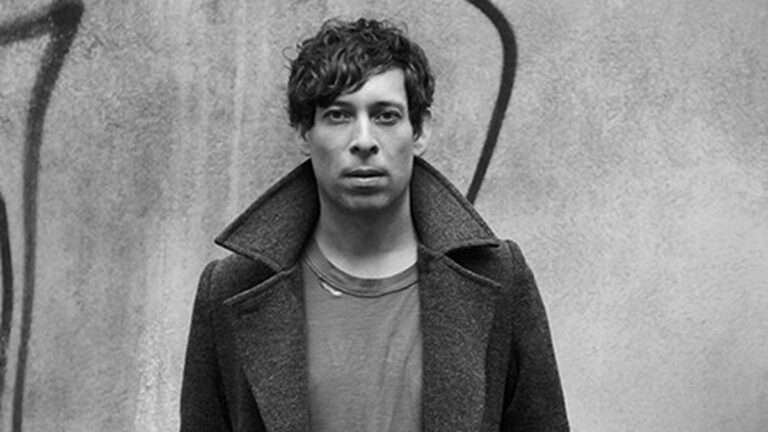
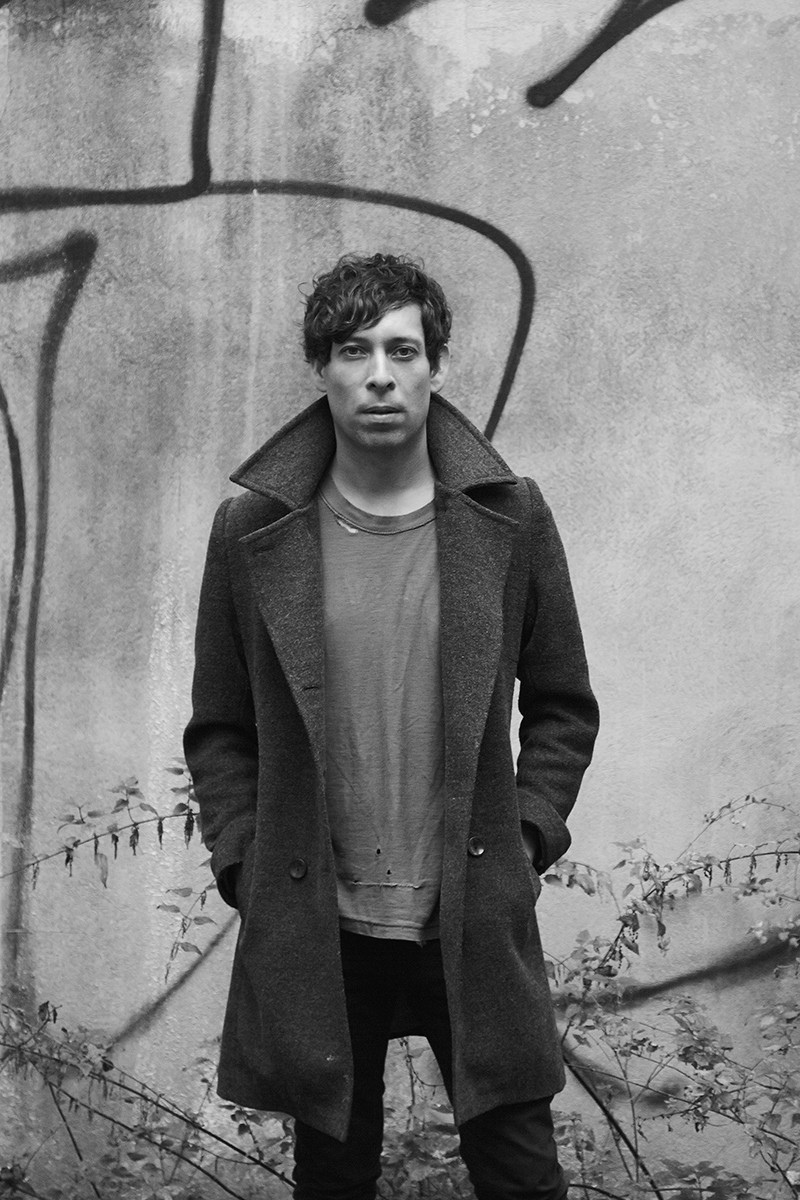
Take me far away/To escape myself/I was born to suffer, sings Luis Vasquez on “Far.” The track is from his new album, Deeper, a synth-driven dance pop record with gloomy, industrial overtones that constitutes his third full-length release under the moniker The Soft Moon.

Vasquez’ washed-out voice floats over the jittery synth riffs and pounding beat of “Far” with unexpected clarity, bringing his self-reflective lyrics to the fore. The song’s opening lines reference the period of self-imposed isolation that Vasquez went through to write Deeper, which he described in a recent interview as his most introspective work to date.

Formerly based in Oakland — where he started The Soft Moon and built a large, international following — he temporarily relocated to Venice, Italy in 2012 to work on the album. After its completion, he moved to Berlin, where he’ll stay for the foreseeable future, he said. However, he travels frequently: At the time of our interview earlier this month, he had embarked on a North American tour to promote the new release. On January 29, he’ll play his first hometown show in years at The New Parish.

While Venice — with its museums, piazzas, and canals — might seem like a place that an artist would purposely seek for inspiration, Vasquez said that he ended up there almost by happenstance. His manager is originally from the city and recommended it when Vasquez told him he wanted to remove himself from the routine of his Bay Area life in order to focus on writing music.

“It could have been anywhere, as long as I was alone,” Vasquez told me over the phone while on the road to a show in Athens, Georgia — the first stop of his tour. “I was home writing every day.”

Vasquez originally started The Soft Moon as a bedroom project that offered him respite from the demands of his job as a graphic designer in the fashion industry. After he released his first, self-titled full-length album in 2010, national online publications such as Pitchfork began publishing stories about Vasquez as an Eighties Goth revivalist, likening his work to that of Joy Division (though I would say his sound is closer to that of the grittier, angrier Skinny Puppy).

The Soft Moon blew up, and music soon became Vasquez’ full-time job. He said that while he wrote the tracks on The Soft Moon without intending to ever perform them live, his approach evolved when crafting Deeper and he composed the album with his accompanying live band in mind. In the studio, however, Vasquez has largely adhered to his original process, playing guitar, bass, and synth himself on the majority of the songs.

Though it might seem like Vasquez’ work is nostalgic (“retro-futurist” was a label critics favored for a while), the singer-songwriter maintains that his aesthetic was born out of intuition rather than emulation of bands from previous decades. Indeed, to avoid the influence of other works of art when writing songs for Deeper, he stopped listening to music, reading books, and watching films altogether, he said. While it might be hard to imagine going without entertainment for the entire year and a half it took to write the record, Vasquez insisted that it was the only way his vision for the project could remain free of outside influences.

“I wanted to stay as pure as possible,” he said. “That way my expression could be sincere and honest and unique to me.”

He said that in Venice, he sat in front of his equipment for hours each day waiting for inspiration to strike. “I felt like a novelist sitting in a room in front of a typewriter, basically,” he laughed. “I was just alone and smoking a lot of cigarettes. I actually started smoking cigarettes because of this album. … My goal was to quit when I released [it], but then I wanted to smoke a cigarette when it was released, and then it continued.”

This reclusive period offered Vasquez the opportunity to confront his emotional issues — a driving force throughout his body of work. His previous release, 2012’s Zeros, was a concept album based on his recurring nightmares. And while Deeper doesn’t have an explicit theme, he said that its title alludes to peeling away layers of himself to confront his buried sources of turmoil.

“It’s hard to face all this shit that I’m dealing with, but it’s a means to search for happiness,” he admitted. “I’m starting to realize that after all these years, I might just be a masochist and into torturing myself and living in the chaos.”

Opinion: Let’s Make Solar Accessible to All Californians

Fighting climate change is a moral imperative that requires leadership and a clean vision for our nation’s energy future. NASA recently released data showing that the Earth’s surface temperatures for 2015 were the warmest on modern record. It is clear that the threat of climate change is no longer a theory but a clear challenge to our...

California Medical Cannabis Law, Regulations, and Professional Events Listings

California's historic new medical cannabis regulations bestow unprecedented legitimacy on the billion-dollar industry, and the sector is exploding with growth.  For example, events related to medical cannabis law, regulations, and professional development are multiplying rapidly. Here is a selection of upcoming dates on our radar. Tonight:“Protecting Access in Your Community” Live online broadcast via YouTube/ Google Hangout 8...

Federal Judge Reinstates Court-Appointed Investigator to Examine Oakland’s Police Officer Discipline System

Concerned that the City of Oakland hasn’t taken meaningful steps to fix problems within its police officer discipline system, federal Judge Thelton Henderson reappointed an outside attorney yesterday to investigate the Oakland Police Department and the city attorney’s handling of officer misconduct cases. See: Court-Appointed Investigator Slams Oakland’s “Broken” Process for Dealing with Bad Cops See: Why Oakland Can't...

Wednesday Must Reads: Sierra Snowpack Highest in Four Years; Gov. Brown’s Water Tunnels Get Cold Reception

Stories you shouldn’t miss: 1. The snowpack in the Sierra Nevada right now has the highest water content in four years, and is at 115 percent of the historical average, the Chron reports, citing new data from the California Department of Water Resources. However, California still has a long way to go before it emerges from the drought. State officials say...

Corrections for the Week of January 27, 2016

Our January 20 feature story, "Cap and Clear-Cut," stated that the Geos Institute conducted a climate assessment of Oregon's forestry practices. The assessment was developed collaboratively by the Center for Sustainable Economy, the Geos Institute, and Oregon Wild. It also stated that 676,000 acres of old-growth forest in Tongass National Forest in Alaska would be logged in the next...

California Medical Cannabis Regulations Fire Up

California's medi-pot industry is racing to organize itself and lobby Sacramento lawmakers before local and statewide rules remake the Golden State's multibillion-dollar legal weed sector. Almost twenty years after state voters legalized medical cannabis, California's historic Medical Marijuana Regulation and Safety Act (MMRSA) took effect on January 1. The state Assembly held its first joint committee...

Letters for the Week of January 27, 2016

Miscellaneous Letter Why We Should Protect Farmland Fifteen percent of the agricultural area in the Bay Area is at risk of being developed into subdivisions and other sprawling suburban forms. Every Bay Area urbanite — from Silicon Valley computer engineers and banking gurus in San Francisco's Financial district to teachers in Oakland and community organizers in Richmond — should flock to...

The New Ice Age

Charlotte Rampling has one of the film world's finest withering glances, and she puts it to good use in 45 Years, in company with actor's actor Tom Courtenay. Director Andrew Haigh's subdued domestic character study — the latest in an ongoing wave of "mature dramas" aimed at moviegoing audiences of a certain age — is the story of a...

Azure Invites Us to Fall in Love with Our Idiosyncrasies

Last year, Rapper Azure (Justin Park) recorded his new album, Leap Year, in his then-apartment near Oakland's Lake Merritt, with his equipment and a gaggle of collaborators crammed into his tiny bedroom. Some folks pulled up chairs while others sat on the bed, the floor, and even in the adjoining bathroom. The playful, collaborative feel of those sessions is palpable...

The Dark Side of The Soft Moon

Take me far away/To escape myself/I was born to suffer, sings Luis Vasquez on "Far." The track is from his new album, Deeper, a synth-driven dance pop record with gloomy, industrial overtones that constitutes his third full-length release under the moniker The Soft Moon. Vasquez' washed-out voice floats over the jittery synth riffs and pounding beat of "Far" with unexpected...
19,045FansLike
17,709FollowersFollow
61,790FollowersFollow