California Medical Marijuana Regs: Here’s What’s Inside AB 243

On Friday afternoon, both the California Senate and Assembly are expected to pass amended versions of Assembly Bill 266, AB 243 a
nd Senate Bill 643 — the three bills containing California’s historic new medical cannabis regulations.

What precisely was in those amendments had been anyone’s guess, right up until they dropped. Here is the latest text of AB 243.

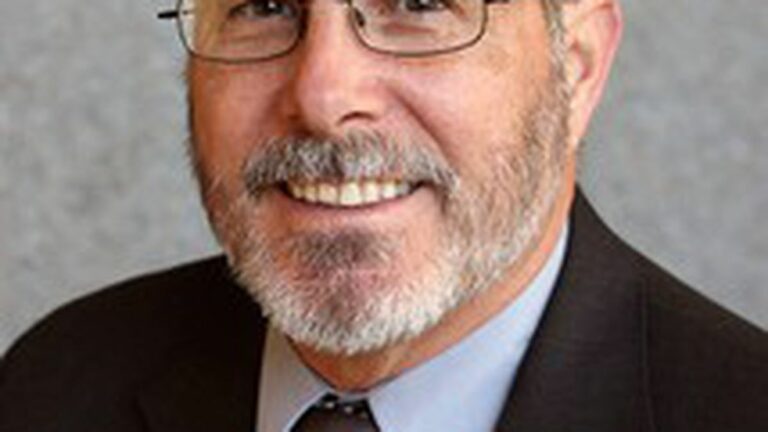
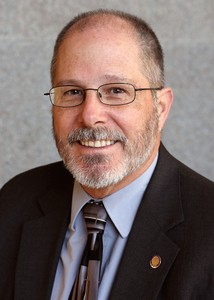
Assemblymember Jim Wood’s part of the regulations focus on cultivation regulations and licenses.

[jump]

“This bill would require the Department of Food and Agriculture, the Department of Pesticide Regulation, the State Department of Public Health, the Department of Fish and Wildlife, and the State Water Resources Control Board to promulgate regulations or standards relating to medical marijuana and its cultivation” — including pesticides.

AB 243 provides $10 million to fund the Bureau of Medical Marijuana Regulation (the BMMR).

And AB 243 specifies the licenses types:

Type 1, or “specialty outdoor,” for outdoor cultivation using no artificial lighting of less than or equal to 5,000 square feet of total canopy size on one premises, or up to 50 mature plants on noncontiguous plots.

Type 1A, or “specialty indoor,” for indoor cultivation using exclusively artificial lighting of less than or equal to 5,000 square feet of total canopy size on one premises.

Type 1B, or “specialty mixed-light,” for cultivation using a combination of natural and supplemental artificial lighting at a maximum threshold to be determined by the licensing authority, of less than or equal to 5,000 square feet of total canopy size on one premises.

Type 2, or “small outdoor,” for outdoor cultivation using no artificial lighting between 5,001 and 10,000 square feet, inclusive, of total canopy size on one premises.

Type 2A, or “small indoor,” for indoor cultivation using exclusively artificial lighting between 5,001 and 10,000 square feet, inclusive, of total canopy size on one premises.

Type 2B, or “small mixed-light,” for cultivation using a combination of natural and supplemental artificial lighting at a maximum threshold to be determined by the licensing authority, between 5,001 and 10,000 square feet, inclusive, of total canopy size on one premises.

Type 3, or “outdoor,” for outdoor cultivation using no artificial lighting from 10,001 square feet to one acre, inclusive, of total canopy size on one premises. The Department of Food and Agriculture shall limit the number of licenses allowed of this type.

Type 3A, or “indoor,” for indoor cultivation using exclusively artificial lighting between 10,001 and 22,000 square feet, inclusive, of total canopy size on one premises. The Department of Food and Agriculture shall limit the number of licenses allowed of this type.

Type 3B, or “mixed-light,” for cultivation using a combination of natural and supplemental artificial lighting at a maximum threshold to be determined by the licensing authority, between 10,001 and 22,000 square feet, inclusive, of total canopy size on one premises. The Department of Food and Agriculture shall limit the number of licenses allowed of this type.

Type 4, or “nursery,” for cultivation of medical cannabis solely as a nursery. Type 4 licensees may transport live plants.

AB 243 is expected to pass the legislature along with its two other companion bills by midnight tonight. 

Here’s What’s Inside California’s Historic Medical Cannabis Regulations – AB 266

On Friday afternoon, both the California Senate and Assembly are expected to pass amended versions of Assembly Bill 266 and Senate Bill 643 — the two bills containing California’s historic new medical cannabis regulations.

What precisely was in those amendments had been anyone’s guess, right up until they dropped. Here is the latest text of AB 266.

[pdf-1]
Bottom line: The laws call for a robust, modern, fully functional medical cannabis industry, subject to stringent regulation. The days of the Wild West are coming to an end. A massive underground industry is set to begin a historic, years-long reckoning with regulators, and it’s going to be a bumpy ride. 

[jump]

— First off, this law fully legalizes medical marijuana activity in black and white for law enforcement: license-holders and licensed activity “are not unlawful under state law and shall not be an offense subject to arrest, prosecution, or other sanction under state law, or be subject to a civil fine or be a basis for seizure or forfeiture of assets under state law.”

Up until now, patients, caregivers and collective members only had a defense in court against prosecution.

— This law also allows the industry to take profits for the first time. That’s huge. Operators have been going to jail for showing a profit.

— It deliberately keeps vague all the really tough friction points to be settled later by regulators after hundreds of hours of very public comment and discussion. Mega-farm licenses will be limited, but the law doesn’t say how limited. Potency and purity standards aren’t specified yet.

— It leaves doctor’s recommendations alone. The California Medical Board doesn’t really get people complaining about doctors recommending cannabis, so little will actually be done to limit that.

— Nothing happens to patient or caregiver rights under Prop 215.

— Collectives will be phased out after licenses are issued.

— All non-personal cannabis activity is considered commercial, and you need one of twelve licenses.

— Licensing Fees: will depend on licensing cost. Not cheap.

— License types:
 Type 1 = Cultivation; Specialty outdoor; Small.
(b)  Type 1A = Cultivation; Specialty indoor; Small.
(c)  Type 1B = Cultivation; Specialty mixed-light; Small.
(d)  Type 2 = Cultivation; Outdoor; Small.
(e)  Type 2A = Cultivation; Indoor; Small.
(f)  Type 2B = Cultivation; Mixed-light; Small.
(g)  Type 3 = Cultivation; Outdoor; Medium.
(h)  Type 3A = Cultivation; Indoor; Medium.
(i)  Type 3B = Cultivation; Mixed-light; Medium.
(j)  Type 4 = Cultivation; Nursery.
(k)  Type 6 = Manufacturer 1.
(l)  Type 7 = Manufacturer 2.
(m)  Type 8 = Testing.
(n)  Type 10 = Dispensary; General.
(o)  Type 10A = Dispensary; No more than three retail sites.
(p)  Type 11 = Distribution.
(q)  Type 12 = Transporter.

— It’s a dual licensing structure with a state and local permit, with the details to be ironed out.

— The bans stand. Cities and counties win the clear right to ban medical cannabis activity.

— Deliveries allowed.

— Mandatory lab-testing for potency, pesticides, molds.

— Taxes: to be determined. Locals will be able to tack on taxes.

— Certain licensees can hold some other licenses, but not others. Farms can run hash labs. A hash-maker can have a dispensary. But distributors are an especially independent verification layer in the system. They can’t own farms, labs, or stores.

— Privacy: State-submitted information is safeguarded for privacy, with exceptions for state business.

— No selling alcohol on-site of cannabis licensees.

— No stoned workplaces have to be tolerated.

Winners
Patients
They stand to get tested medicine from licensed stores.

Activists
The regulations validate 20 years of work by people who faced jail for their beliefs.

Existing Local License Holders
They’re one step ahead in the dual licensing scheme.

Transporters
The laws call for an independent verification layer of transporters/distributors. Companies already in that game stand to benefit.

Licensing Pros
Dealing with local and state licensing will become an even more byzantine process mastered by a few well-paid pros.

Delivery Services
They’re allowed.

Losers
Vertically Integrated Businesses
You can’t own a farm, processor, courier, and store.

Anti-Marijuana Groups
The California State seal on bags of medical cannabis is a crushing blow to the culture war.

Pesticide Sprayers
State regulators are looking to craft stringent limits on pesticide use on pot.

Outlaws
They just lost a lot of the haze that they operate in.

AB 266 is in committee as of press time, and a full floor vote is expected to follow. The deadline to pass the bill is midnight tonight.

Urban Farm, Education Center Expanding into Vacant Lot in West Berkeley

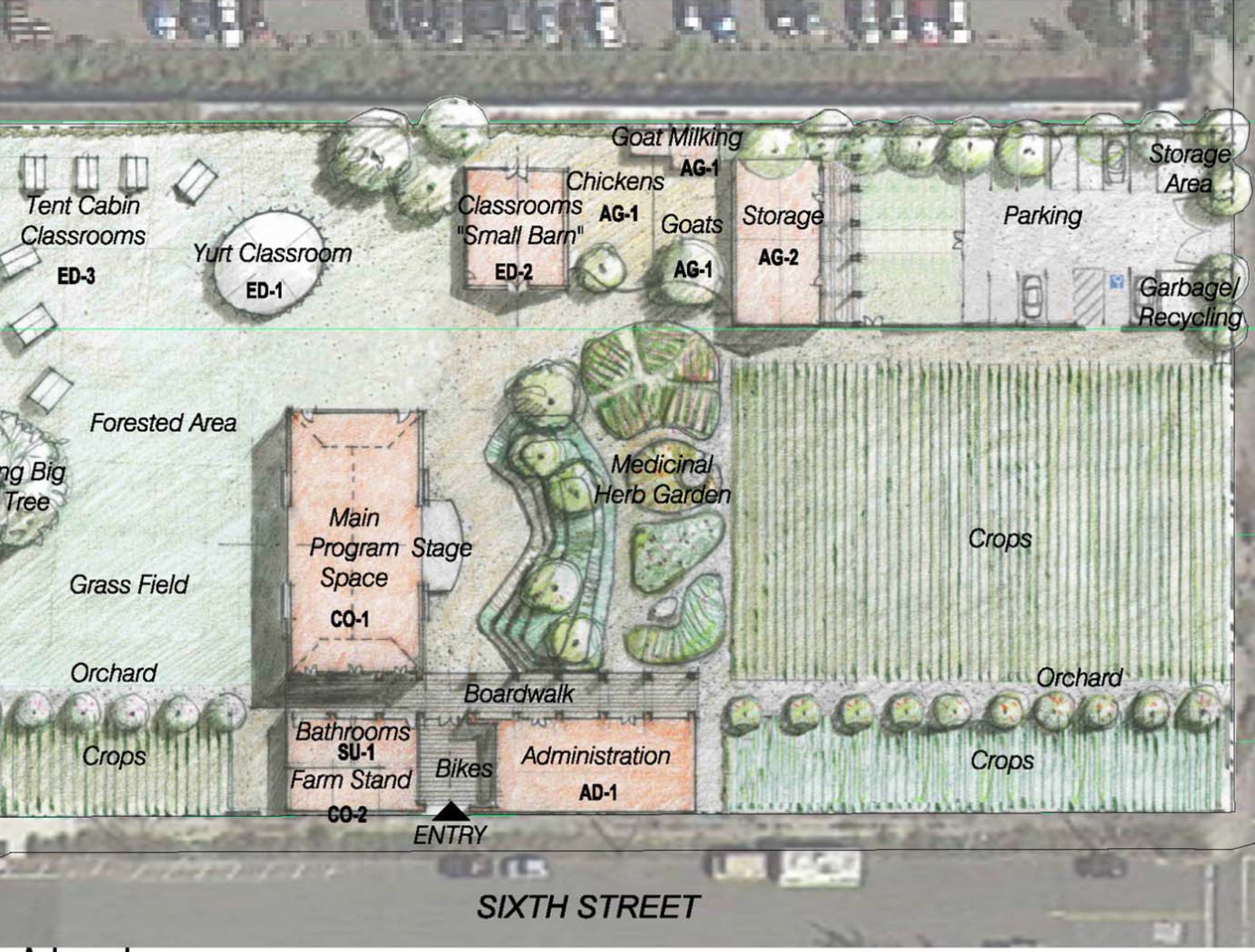
A nonprofit community center is moving forward with plans to build an urban farm, education facilities, and a cafe on a two-acre vacant lot in West Berkeley. On Thursday, Urban Adamah gained approval from the city’s Zoning Adjustments Board, which reviews project proposals, to build the new organic farm at 1151 Sixth Street.

Urban Adamah, a Jewish social justice organization focused on sustainable agriculture, first opened in 2011 at 1050 Parker Street, about two miles south from its new location. The group plans to break ground this week on its larger and more permanent operation after raising more than $2 million in 2013 to buy the Sixth Street site. The proposed expansion includes dormitory-style housing for interns in the nonprofit’s three-month agricultural training fellowship program and cabins to house participants in other educational programs. 

[jump] Founder Adam Berman also plans to host a range of festivals and events at the new site, such as the celebration of Sukkot, a Jewish holiday. At its current location, the farm produces several thousand pounds of produce per year — most of which it donates. “We’re training a generation of farmers…that’s why I do this work,” Berman said at the Thursday zoning board meeting. 

Urban Adamah’s expansion received initial approval from the board in 2013, but required another round of review for various modifications to the project plans. The new features that the board approved on Thursday included the addition of a cafe and temporary housing. At the zoning meeting, there was some debate about how the farm would fit into the city’s plan for West Berkeley, a largely industrial area. Elisa Mikiten, a consultant for the project, said the farm would provide “a softening toward the edge” between residential and industrial uses in the area.

By next June Urban Adamah hopes to raise $5.1 million needed to fund the main aspects of the relocation, according to its website. The organization will then need to raise another $5.7 million to fund the cafe, a children’s garden, and other facilities. 

This Weekend’s Top Six Events

Although we know it’s tempting to sit at home and scroll through endless Burning Man photos and iPhone 6s announcements, we’ve got some other plans for you this weekend. Get out and enjoy the uncomfortable heat with any combination of our recommended events listed below. 

Shannon and the Clams
On Friday at the Great American Music Hall, Oakland’s Shannon & the Clams celebrate the release of Gone by the Dawn, a new album featuring some of the group’s finest material to date. “Corvette,” which appeared recently with a music video, sheds rusty teardrop guitar notes like Link Wray, bumps to a glam wallop, and foregrounds the vocal interplay between Shannon Shaw and Cody Blanchard, whose husky lows and siren highs harmonize in spite of the space between. Especially with the video, it’s a sad song, with lyrics about an idealized past that maybe never quite was, which is sort of how the group treats its influences. Shannon & the Clams’ relationship to doo-wop, surf, and girl groups have never been one of emulation, but more of a misremembered nostalgia. Gone by the Dawn sounds like the group reached back for voices in the past, only to find its own.— Sam Lefebvre
Fri., Sept. 11, 8 p.m. $20, $45. SlimsPresents.com

[jump]

Build Your Own Outdoor Smoker
Summer may be winding down, but one of the great gifts of living in the Bay Area is the fact that outdoor cooking is possible almost all year long. The same principle applies for those who practice the time-honored art of smoking various meats and vegetables. If you take that craft seriously — or would like to start — you might consider signing up for this Saturday’s workshop on how to build an outdoor smoker using affordable, everyday materials. Hosted by Preserved, a backyard popup shed located behind the home décor shop Neighbor (4200 Piedmont Ave., Oakland), and taught by Camino cook Lauren Giunta, the $35 class will conclude the way any DIY food class worth its salt should end: participants will get to eat the assorted smoked foods they’ve helped prepare. Tickets are available via EventBrite.com.— Luke Tsai
Sat., Sept. 12, 10 a.m.-12 p.m. $35. PreservedGoods.com

Nomadic Press and Oakland Urban Paths: Reading with Melissa Reyes
Book readings don’t have to take place in a narrow space between bookshelves. On September 12, Nomadic Press has teamed up with Oakland Urban Paths to bring the reading for its newest children’s book outdoors. Melissa Reyes’ recent book is called I Am Sausal Creek/Soy el Arroyo Sausal, a bilingual story that tells the history of Oakland through the voice of Sausal Creek. Spanning three hundred years, the book nurtures appreciation of the environment, history, and place through one, flowing narrative. Oakland native and watercolor whizz Robert Trujillo created the illustrations for the book. The reading will start off at Peralta Hacienda and take attendees by two watersheds (Peralta and Sausal) and two boulevards (Foothill and International), and pass through parks. Throughout, participants will learn about the history of the place, and hear from Reyes and Trujillo about what went into creating their new book. The four-mile tour begins at 10 a.m. and will return to Peralta Hacienda by 12:30 p.m.— Sarah Burke
Sat., Sept. 12, 10 a.m. Free. 
NomadicPress.org

Qulture Collective Queer-A-Thon

As downtown Oakland rapidly develops, three queer business owners are working to make it a destination for The Town’s diverse LGBT community. Alyah Baker of Show and Tell Concept Shop and Terry Sok and Julia Wolfson of Garden House have joined forces to launch Qulture Collective, a new community center and retail space opening this month. Created for and by Oakland’s queer residents, Qulture Collective will include a cafe, event space, art gallery, and boutique. To raise funds for the space and give the public a taste of its upcoming programming, Qulture Collective is hosting a Queer-A-Thon to coincide with Oakland Pride weekend. No matter how you like to spend your Saturdays, the all-day event features something for everyone. Between 10 a.m. and 2 p.m., there will be meditation, breakfast, yoga, and bodywork, followed by lunch, an art-making session, and a marketplace with local vendors between 2 and 6 p.m. The evening will close with cocktails, a fashion showcase, and a burlesque performance — the perfect way to get in the mood for Pride the following day.— Nastia Voynovskaya
Sat., Sept. 12, 10 a.m.-10 p.m. 510-419-0552. Sliding scale. IndieGoGo.com/Projects/Qulture-Collective


The Bechdel Test Series: Thelma and Louise
The New Parkway Theater is kicking off a recurring Bechdel Test movie night on Sept. 13 with a screening of Thelma and Louise, the 1991 classic about two badass women (Susan Sarandon, Geena Davis) running from the law. The Ridley Scott film is one of too few movies that pass the famous test, which cartoonist Alison Bechdel created in 1985 as a way to measure gender bias in works of fiction. In order to pass (and be eligible to appear in the series’ lineup) two female characters must have a conversation with each other about something other than a man. Sounds simple, right? Apparently not. It’s surprising how many movies fail (more than half of 2014’s Academy-Award-nominated films, for example). Filmmaker and educator Cheryl Dunye (The Watermelon Woman, HBO’s Stranger Inside) is co-presenting the series and will be leading a post-film discussion about women in film.— Gillian Edevane
Sun., Sept. 13, 5 p.m. $10. TheNewParkway.com

All Dogs and Try the Pie
The tone for much of 2015’s rock was set by Waxahatchee’s Ivy Trip, an album that hewed close to musical conventions and an instrumental palette established as “indie” back in the Nineties. Try the Pie, from San Jose, is similarly oriented around lumbering, crunchy riffs and washy, big cymbals, with an especially emotive vocalist in Bean Tupou, whose lyrics seem to speak through veiled metaphors about pain and healing. Try the Pie shares spirit with All Dogs. The Ohio’s 2015 is full-length is by turns spritely and dirge-like, varying in tempos and guitar effects throughout but unified by vocalist Maryn Jones emphatic melodies. Try the Pie shares a record label, Salinas, with All Dogs, and the two groups play together on Sunday at 1-2-3-4 Go! Records.— S.L.
Sun., Sept. 13, 7 p.m. $8. 1234GoRecords.com

If your pockets are feelin’ light and you’re still yearning for more suggestions, we’ve got a ton, and these ones are all FREE! We’re Hungry: Got any East Bay news, events, video, or miscellany we should know about? Feed us at Sa*********@************ss.com.

California Lawmakers Regulate Medical Cannabis – Historic Deal Announced

 With the threat of a 2016 adult-use legalization initiative looming, California lawmakers announced a historic deal to regulate the world’s oldest and largest commercial medical marijuana economy. “This is huge,” said Nate Bradley, at the California Cannabis Industry Association. “We are very excited the state legislature made it a priority.”

On Thursday at 9 p.m., an agreement was reached to sign amended versions of Assembly Bill 266, and Senate Bill 643. Both bills are expected to be amended Friday and passed by each house and then signed by the governor. The sweeping body of law calls for a fully functional, albeit highly regulated medical cannabis system, with licensing for all stages of production, distribution, and sales, and unprecedented new patient protections, such as  testing for purity and potency.

[jump]


Californians will get “organic”-labeled cannabis and trademarked appellations. The passage of medical cannabis regulations in California promises to further ignite an already booming, multibillion-dollar industry.

“Everyone is one the same page,” said Bradley. “We have yet to review the language itself. … “If this works out, California will finally come into compliance with federal guidelines.”

The advent of clear, black and white lines for legal behavior, and the ability to take profits and plow them into growth or political advocacy has already transformed the cannabis industry in Colorado, and California is eight times as populous.

California is the birthplace of modern marijuana in America, and its elite artisans and entrepreneurs will now have a chance for the first time in their lives to hold a California state license to cultivate and sell the crop. The California seal on medical cannabis bestows unprecedented credibility on pot as a medicine, and its practitioners as equal citizens under the eyes of the law.

The transition promises to be bumpy — but Californians only stand to benefit from an official recognition of what the people voted for a generation ago in 1996.

The state is long-overdue for basic medical cannabis regulations, which have been held up over ideological struggles over marijuana as a medicine. That struggle is fading.


Roughly one out of twenty California adults (1.4 million people) are estimated to have used cannabis medicinally for a “serious” condition, and 92 percent of them are estimated to believe it worked on their condition.

Yet the botanical had gone unregulated at the state level. Patients have lacked assurances of product potency or purity.

Cities lack the acumen to regulate medical farms or stores, so they often default to banning them — radically limiting access to those who often need it the most. Unregulated outlets continue to meet demand, and generate neighborhood complaints in the process.

Cops openly gripe about the ease of obtaining a doctor’s recommendation, as well as interstate traffickers operating under the guise of Proposition 215.

Where city and counties have regulated on their own, canna-businesses confront banking access problem, taxation issues, and the interdiction of their couriers.

The legal brinksmaship caps four years of efforts by lawmakers, such as Bay Area legislators Tom Ammiano and Mark Leno, working to pass comprehensive regulations. Last year, both Senator Lou Correa and Ammiano put forth contrasting regulatory bills written by cops and industry.

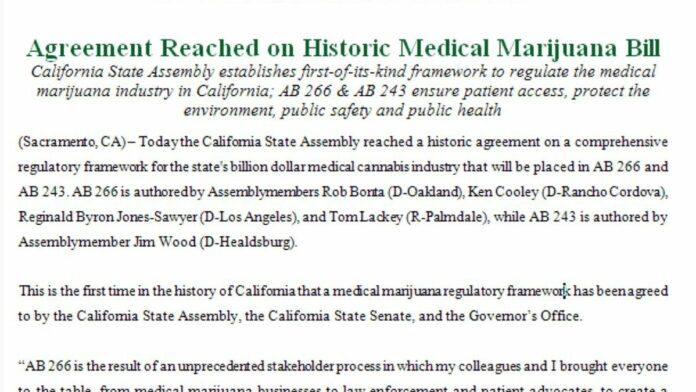
This year, lawmakers Bonta, Ken Cooley, andReggie Jones-Sawyer all worked on regulations, as well as Mike McGuire and Jim Wood. AB 266 and and SB 643 both earned support and opposition and went through multiple revisions.

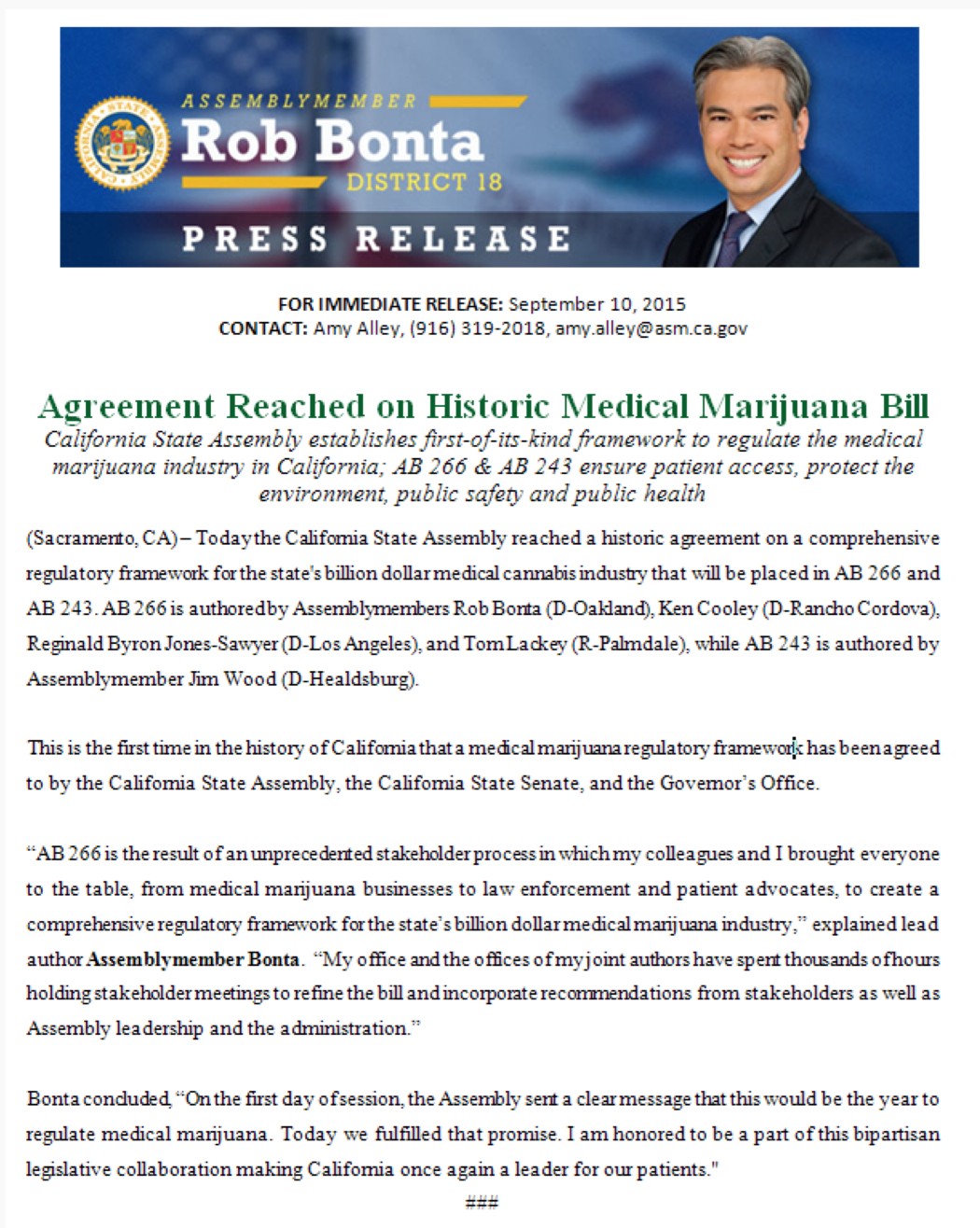
“AB 266 is the result of an unprecedented stakeholder process in which my colleagues and I brought everyone to the table,” stated Bonta in a release. The offices spent “thousands of hours holding stakeholder meetings” to refine the bill.

As both neared the legislative finish line, and deadlines loomed, the Governor’s Office weighed in with its own amendments.

The Governor’s Office sought to save money, and simplify the plan while mirroring the prior efforts. It set off a historic, week-long series of behind the scenes meetings among the most powerful lawmakers in California. The text of the Governor’s Office was being tweaked far faster than lobbyists, let alone the state records system, could track. Activists howled they were being cut out.

“This is a special situation. This is sort of history in the making,” said one lobbyist.

By Wednesday, midday — the Governor’s Office and the leadership of both the Senate and Assembly were convening to decide who gets credit.

The final amended language was expected to come out sometime Friday, as late as midnight — the end of session, with passage through the Senate and Assembly being a forgone conclusion.

Insiders say the potential for Californians to legalize cannabis in 2016 forced lawmakers to act. This year was potentially the last time for the state’s power-holders to have a say in shaping a newly legal multi-billion industry — what that legal industry looked like, who was in charge — before initiative-writers drafted and filed language.

If the elite didn’t, they could be completely cut out of the process. It became time to do a deal or get left in the dust.

More on this as we get it.

Alameda County Supervisor Term Limit Initiative Shelved

The leader of an effort to establish term limits for the Alameda County Board of Supervisors says he is withdrawing the initiative because his involvement in the campaign has become its focus. Long-time East Bay Municipal Utilities District Board Director Frank Mellon said on Facebook this week that he pulled the plug on the proposal, “because I became a lightning-rod on the initiative.”

Detractors of the initiative claimed hypocrisy, because it would not have applied to the East Bay MUD board, and charged Mellon with harboring an interest to run for the board of supervisors, Mellon said.

The proposal, submitted to the Alameda County Registrar’s Office in July, sought to limit county supervisors to three, four-year terms. The government body currently has no terms limits and has historically been somewhat dynastic in its composition. No sitting member of the board has been defeated since 1992. Alameda County Supervisor Scott Haggerty has served since 1998, but has never even faced a challenger for his seat.

[jump]

Mellon said applying terms limits to the EBMUD board would require state legislative action, because the agency is covered by the Municipal Utility District Act, which includes four other districts. “No amount of explaining could convince detractors of this fact,” said Mellon.

Others, according to Mellon, speculated that his true intention was to run for District Four Supervisor Nate Miley’s seat. Mellon is a resident of Castro Valley. Mellon categorically denies the assertion. “But, that wasn’t believed either,” he added. “Therefore, rather than making me the issue, which would stifle debate on term limits for Alameda County Supervisors, I withdrew the initiative.”

Mellon, however, said he open to passing the mantle for term limits, and the work already done, to others.

University of California Dumps Coal and Tar Sands Investments

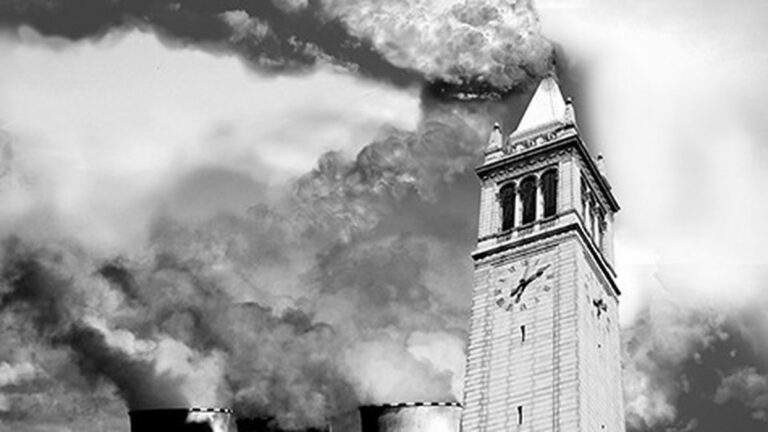
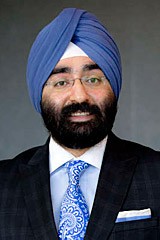
At the University of California Board of Regents Investments Committee meeting yesterday, the UC’s chief investment officer Jagdeep Singh Bachher said his office recently sold $200 million in direct investments in coal and tar sands companies. Baccher said the move was prompted by the falling profitability of companies focused on extracting and refining coal and tars ands oil, the dirtiest fossil fuels driving climate change. Details about which companies were sold by UC are unavailable at this time. The news comes as ambitious state climate legislation in Sacramento was gutted by oil companies, but after the legislature passed a bill requiring the state’s two largest pension systems to divest from coal.

See also: “Capping the Well

[jump] UC Students hailed the unexpected sell-off as a victory in their campaign to convince the UC – which manages upwards of $98 billion in investments – to divest from the fossil fuel industry.

“It was sort of a surprise,” said Jake Soiffer, a UC Berkeley student involved in the fossil fuel divestment campaign. “It was an offhand comment [Bachher] made. But this is a hard-fought victory for students and our allies from across California who have been demanding the UC truly live up to its big talk on climate change.”

For decades UC has invested billions in oil, gas, and coal companies through ownership of stocks, bonds, and shares of private equity funds that finance fossil fuel extraction. UC’s fossil fuel investments are spread throughout the world, from Brazil to Russia to Texas and Alaska.

But the UC’s sale of coal and tar sands investments wasn’t prompted by a policy change. Therefore if these industries become profitable again, UC is still free to re-invest.

Other universities have changed their policies to permanently divest from coal and other fossil fuel energy sources. For example, last May Stanford University announced a new policy of divesting from publicly traded companies whose principal business is mining coal for energy generation.

The UC campuses also run their own independent foundations with autonomous investment responsibilities, and so it’s unclear if yesterday’s announcement includes coal and tar sands securities owned by them.

The UC Office of the President did not immediately provide details about Bachher’s announcement.

Soiffer called the exit from coal and tarsands by UC a good first step, but said much more must be done by institutional investors to address climate change. “If they’re just divesting from coal and tarsands they don’t understand the urgency of the problem,” said Soiffer, who called for a more complete divestment from the entire fossil fuel industry, including oil and gas companies like Chevron.

Stay Tuned: California Could Regulate Medical Pot in the Next 36 Hours

California lawmakers for the first time in the state’s history could be set to regulate its booming, popular, multibillion-dollar medical cannabis industry.

Insiders say the Governor’s Office and the heads of the Senate and Assembly convened Wednesday to figure out who should get credit for the piece of landmark legislation. Once the issue is sorted out, the latest versions of the bills could be released, and the Senate and Assembly could swiftly vote to send the bills to Governor Jerry Brown’s desk for signature as late as midnight Friday.

No one knows the exact final text of the regulations, but they would be based on amendments to language released by the governor last week, which incorporates two years of legislative work.


[jump] A rough picture of regulations in California has begun to emerge — with a robust, albeit highly regulated industry of licensed growers, distributors, and stores; a tracking system for cannabis; and consumer safety protection. Patients and caregivers rights are protected under Prop 215, but collectives would cease to exist one year after commercial licenses became available.

If passed, medical cannabis regulations in California promise to further feed an already blooming industry. The advent of clear black and white lines for legal behavior, and the ability to take profits and plow them into growth or political advocacy has already transformed the cannabis industry in Colorado, and California is eight times more populous.

California is the birthplace of modern marijuana in America, and its elite artisans and entrepreneurs would have a chance for the first time in their lives to hold a California state license to cultivate and sell the crop. The California seal on medical cannabis would bestow unprecedented credibility on pot as a medicine, and its practitioners would become equal citizens under the eyes of the law.


Oakland City Council President Fined $1,600 for Campaign Finance Violation

Oakland City Council President Lynette Gibson McElhaney was fined $1,600 by the Oakland Public Ethics Commission this week for failing to disclose her campaign contributions last year. Gibson McElhaney, a first-term councilmember representing West Oakland and downtown, failed to file state-mandated disclosure forms with the Oakland city clerk’s office before a July 31, 2014 deadline. The Express first reported Gibson McElhaney’s violation in December. The forms weren’t filed until January 2015.

(See the end of this post for a copy of the public ethics commission’s letter of decision.)

See also: West Oakland Councilmember Fails to File Campaign Reports
See also: Gibson McElhaney Paid Substantial Fine for Failing to File Campaign Finance Disclosure Statement

[jump]

The $1,600 fine from Oakland’s official political watchdog comes on top of a $1,730 fine Gibson McElhaney paid in January to the city to settle a mandatory charge imposed by the city clerk’s office. The clerk was required to impose a $10 per day late charge until the statement was filed. The state’s Fair Political Practices Commission declined to fine Gibson McElhaney in March because the fine paid to the city was considered a “substantial” penalty.

Over the period that Gibson McElhaney did not disclose her fundraising activities she raised $16,844 from 50 contributors.

So far this year, Gibson McElhaney has raised $6,675 through her officeholder committee. In April she established another campaign committee to run for re-election in 2016, and so far has raised $30,636, much of it from real estate developers.


Stipulation Oakland Public Ethics Commission 9-15 by darwinbondgraham


Thursday Must Reads: Big Oil Kills Key Component of Governor’s Climate Plan; Republicans Reject Brown’s Proposal for Gas Tax Hike

Stories you shouldn’t miss:

1. Governor Jerry Brown abandoned one of his signature proposals of the year — reducing gasoline consumption by half by 2030 — because of fierce opposition by California’s powerful oil industry, the LA Times$ reports. Big Oil spent huge amounts of money on a mostly false advertising campaign that claimed Brown’s plan would lead to gasoline rationing. Skittish Democrats in the Assembly then balked at the governor’s proposal, prompting Brown to jettison the plan yesterday. Brown had remained mostly silent during Big Oil’s deceptive campaign this summer, and only started pushing heavily for his proposal in the past week. It was too late.

2. Republican state lawmakers, also backed by Big Oil, forced the governor to also delay his plan for raising the state’s gas tax in order to fund badly needed road repairs, the LA Times$ reports. The legislature will hold a special session this fall to see if it can pass the governor’s plan.


[jump] 3. State lawmakers sent police reform legislation to the governor that is designed to reduce racial profiling and use-of-force cases in California, the LA Times$ reports. One bill would require all police agencies to collect race data every time they stop a citizen in California, and the other would require police departments to submit an annual report to the state on use-of-force incidents.

4. State lawmakers also passed a landmark aid-in-dying bill that would allow physicians to prescribe life-ending drugs to terminally ill patients in California, the Bay Area News Group$ reports.

5. In a surprise move, Governor Brown vetoed legislation that would have restricted the use of drones over private property in the state, the LA Times$ reports. The bill sought to curtail the growing use of privately owned drones, but Brown said the legislation could lead to “burdensome litigation.” Photojournalists in California who use drones to take photos also opposed the legislation.

6. California students performed miserably on the new Common Core standardized test, with only one-third of kids scoring “proficient” in math and 44 percent in English, the Chron reports. The new Common Core is more rigorous than past standards, and the test revealed a widening racial gap as well.

7. A Wall Street Journal$ investigation revealed that San Francisco Chronicle columnist Willie Brown, who is also the former mayor of San Francisco and an ex-Assembly speaker, sought a $1 million payment to help a Silicon Valley executive escape domestic violence charges in which he allegedly beat his girlfriend relentlessly.

8. GOP presidential frontrunner Donald Trump made sexist remarks about fellow candidate Carly Fiorina in a Rolling Stone profile, saying, “Look at that face. Would anyone vote for that. Can you imagine that, the face of our next president?” Trump later told the Associated Press that he was speaking of her “persona” — not her looks

9. And Congressional Republicans are vowing to shut down the federal government once again this fall — this time in an attempt to defund Planned Parenthood, the Atlantic reports (h/t Rough & Tumble).
  

California Medical Marijuana Regs: Here’s What’s Inside AB 243

On Friday afternoon, both the California Senate and Assembly are expected to pass amended versions of Assembly Bill 266, AB 243 and Senate Bill 643 — the three bills containing California’s historic new medical cannabis regulations. What precisely was in those amendments had been anyone’s guess, right up until they dropped. Here is the latest text of AB 243. Assemblymember Jim...

Here’s What’s Inside California’s Historic Medical Cannabis Regulations – AB 266

On Friday afternoon, both the California Senate and Assembly are expected to pass amended versions of Assembly Bill 266 and Senate Bill 643 — the two bills containing California’s historic new medical cannabis regulations. What precisely was in those amendments had been anyone’s guess, right up until they dropped. Here is the latest text of AB 266. Bottom line: The laws...

Urban Farm, Education Center Expanding into Vacant Lot in West Berkeley

A rendering of Urban Adamah's plans for the Sixth Street site from the permit it got approved in 2013. Credits: Berkeley Zoning Adjustments Board A nonprofit community center is moving forward with plans to build an urban farm, education facilities, and a cafe on a two-acre vacant lot in West Berkeley. On Thursday, Urban Adamah gained approval from the city’s Zoning...

This Weekend’s Top Six Events

Although we know it's tempting to sit at home and scroll through endless Burning Man photos and iPhone 6s announcements, we've got some other plans for you this weekend. Get out and enjoy the uncomfortable heat with any combination of our recommended events listed below.  Shannon and the Clams On Friday at the Great American Music Hall, Oakland’s Shannon &...

California Lawmakers Regulate Medical Cannabis – Historic Deal Announced

 With the threat of a 2016 adult-use legalization initiative looming, California lawmakers announced a historic deal to regulate the world’s oldest and largest commercial medical marijuana economy. "This is huge," said Nate Bradley, at the California Cannabis Industry Association. "We are very excited the state legislature made it a priority." On Thursday at 9 p.m., an agreement was reached...

Alameda County Supervisor Term Limit Initiative Shelved

The leader of an effort to establish term limits for the Alameda County Board of Supervisors says he is withdrawing the initiative because his involvement in the campaign has become its focus. Long-time East Bay Municipal Utilities District Board Director Frank Mellon said on Facebook this week that he pulled the plug on the proposal, “because I became a...

University of California Dumps Coal and Tar Sands Investments

At the University of California Board of Regents Investments Committee meeting yesterday, the UC’s chief investment officer Jagdeep Singh Bachher said his office recently sold $200 million in direct investments in coal and tar sands companies. Baccher said the move was prompted by the falling profitability of companies focused on extracting and refining coal and tars ands oil, the...

Stay Tuned: California Could Regulate Medical Pot in the Next 36 Hours

California lawmakers for the first time in the state’s history could be set to regulate its booming, popular, multibillion-dollar medical cannabis industry. Insiders say the Governor’s Office and the heads of the Senate and Assembly convened Wednesday to figure out who should get credit for the piece of landmark legislation. Once the issue is sorted out, the latest...

Oakland City Council President Fined $1,600 for Campaign Finance Violation

Councilmember Lynette Gibson McElhaney. Credits: Bert Johnson/File Photo Oakland City Council President Lynette Gibson McElhaney was fined $1,600 by the Oakland Public Ethics Commission this week for failing to disclose her campaign contributions last year. Gibson McElhaney, a first-term councilmember representing West Oakland and downtown, failed to file state-mandated disclosure forms with the Oakland city clerk's office before a July 31,...

Thursday Must Reads: Big Oil Kills Key Component of Governor’s Climate Plan; Republicans Reject Brown’s Proposal for Gas Tax Hike

Stories you shouldn’t miss: 1. Governor Jerry Brown abandoned one of his signature proposals of the year — reducing gasoline consumption by half by 2030 — because of fierce opposition by California’s powerful oil industry, the LA Times$ reports. Big Oil spent huge amounts of money on a mostly false advertising campaign that claimed Brown’s plan would lead to gasoline rationing....
19,045FansLike
17,709FollowersFollow
61,790FollowersFollow