When the organizers behind Catchlight, a Berkeley-based nonprofit dedicated to documentary photography and visual storytelling, were deciding on the focus for their first gallery exhibit, there was little debate. They agreed that it should track the changes occurring across the Bay Area as a result of the enormous wealth flowing into the region. “It’s all anyone talks about,” co-curator Rian Dundon said matter-of-factly in a recent interview.
But to say that Status Update, the resulting group show composed of local photographers and documentarians that debuted recently at SOMArts in San Francisco, is strictly about gentrification, would belie the complexity and longevity of the work it features. As Dundon explained, none of the projects are “specifically about gentrification or housing or the economy, but all of the projects touch on those issues in a way that only photography can.”
An untitled image from Talia Herman’s collection, West County.OG Snake Man from Pendarvis Harshaw’s series, OG Told Me.An image from Sam Wolson’s untitled photo essay.
Although the exhibit was taken down on November 15 following a weekend of talks and other related events, interviews with the participating photographers and other features will gradually be made available online at Catchlight.io beginning in December.
The fourteen participating photographers collectively challenge the viewer to look beyond the dichotomy of villains and victims that has come to pervade gentrification rhetoric by documenting a variety of individuals from all over the Bay Area. Geographically, the projects include San Jose, Stockton, Richmond, Brentwood, Oakland, and San Francisco. Aesthetically, they range from Sam Wolson’s high-contrast, black-and-white frames to the sumptuous, golden hues of Paccarick Orue’s images — from Elizabeth Lo’s documentary made on a bus to Brandon Tauszik’s slow-moving GIFs. But all of the photographers share an unflinching gaze on their respective subjects and an enduring dedication to their projects, which took months or years to capture (one has been nearly a decade in the making). Instead of offering cut-and-dry storylines of winners and losers, haves and have-nots, the photographers offer an entry into the complexity of life in the Bay Area now.
“Urban Cowboy. Richmond, 2010” from Paccarick Orue’s collection, There is Nothing Beautiful Around Here.
Perhaps the most literal time capsule is Pendarvis Harshaw’s collection of portraits for his ongoing project, OG Told Me. When Harshaw was a teenager, older African-American men would often offer him advice. Years later, he began photographing the men and documenting their stories. While the elders offered varied advice — the pitfalls of drug use and the nature of love and respect among them — Harshaw found that all expounded on the Black male experience.
While Harshaw’s vignettes buoy viewers with their succinct narratives, Wolson’s untitled photo essay concentrating on the life of Oaklander Shannon Fulcher provides a more challenging storyline. If the hallmark of a documentary photographer is his ability to get close to his s
While Harshaw’s vignettes buoy viewers with their succinct narratives, Wolson’s untitled photo essay concentrating on the life of Oaklander Shannon Fulcher provides a more challenging storyline. If the hallmark of a documentary photographer is his ability to get close to his subject, Wolson accomplishes it. The project follows Fulcher as he irons a shirt, hugs his daughter, receives a kiss, screams in anguish, smiles during an embrace, and appears dejected. By probing into both his subject’s most banal and expressive moments, Wolson attempts to offer more than a simplistic story of adversity and redemption.
Rian Dundon’s work in Status Update.
Credits: Bert Johnson
Similarly, in Orue’s meditation on Richmond’s Iron Triangle neighborhood, There is Nothing Beautiful Around Here, Orue avoids emphasizing the archetypes that the area is best known for: namely, perpetrators of gun violence or its victims, substance abusers, and people living in poverty. In one image, a family celebrates a child’s birthday, but the view is obscured by a large iron fence enclosing the pink tablecloths and bouncy house. It’s as if the photographer is calling attention to the fact that this story — of families in celebration — is typically omitted from an outsider’s view of the city.
“Many of the images in the project function in that way,” Orue explained in an interview. “You get those scenes of celebration, of the will of people to live normal, happy lives, and then you have these subtleties in the images. … It’s that juxtaposition.”
It would be easy to say that Status Update as a whole highlights those juxtapositions — the shimmer of the tech industry’s bubble versus the grit of those left outside it. But, Status Update does not give viewers that satisfaction. As Dundon put it: “We all exist on a spectrum of this change, and we’re not all millionaire techies or impoverished people being kicked out of our neighborhoods … There’re a million ways to experience what’s happening here.”
Rian Dundon’s work in Status Update.
Credits: Bert Johnson
A couple of months ago, I got candida (a fungal infection) under my foreskin. I went to the doctor, picked up some cream, and used the cream as directed. The infection went away for about a week and then returned. I got this idea that maybe the cream didn’t work the first time because it’s so naturally moist under the foreskin. So I used the cream a second time — but this time, after each application I would “air out” my penis, i.e., pull back the foreskin and leave the head exposed to the open air for a little while. The candida cleared up, apparently for good. What surprised me, though, was that I really enjoyed this twice-a-day airing out. I’ve continued doing it. I have no idea why I find this enjoyable. I’m not masturbating while I’m doing it. I just use that flap on the front of my underwear to help keep the foreskin back and leave my glans exposed for about 15 to 20 minutes. (This is likely the first time in history that anyone has actually used that flap on the front of men’s underwear.) I’m wondering if, by airing out my cock in this way, there’s any risk of causing damage. From reading the all-knowing internet, it seems that this amount shouldn’t cause any problems, but I’d like to get an expert opinion. I have noticed a slight decrease in sensitivity, but that has been a positive thing, as I’ve always been quite sensitive. This airing out of my penis seems to accomplish a slight desensitizing that I find beneficial. Can I continue to do it?
Apparently Into Retraction
“This shouldn’t be a problem,” said Dr. Stephen King, a urologist and one of my go-to guys on all things dick. “It sounds like he found a unique solution to a couple of issues: infections and sensitivity.”
So, you can continue airing out your cock with Dr. King’s blessing — and congratulations on coming up with a successful foreskin hack, AIR. But Dr. King wouldn’t recommend your foreskin hack to uncircumcised/intact dudes with a very particular medical condition. (I’m using “hack” here in the “life hack” sense, obviously — perhaps a poor choice of slang, considering that humanity has been needlessly hacking away at foreskins for millennia.)
“The only time keeping a foreskin pulled back for a prolonged period of time becomes a problem is when someone has phimosis,” said Dr. King. An adult with phimosis either can’t retract their foreskin over the head of their penis or has a very difficult time doing so — a condition an adult may develop as the result of an infection or some other trauma that scarred the foreskin. “In patients who are elderly or demented, the foreskin can get stuck in the retracted position,” said Dr. King, “trapping blood in the head of the penis like a tourniquet, causing severe pain — we call this ‘paraphimosis.'” Paraphimosis is some serious shit — gangrene can set in, and the head of the penis might have to come off.
“I don’t think this is an issue for AIR,” said Dr. King, “so he can continue as desired. Just tell him to be careful with that zipper!”
Gay 20-year-old boy here. I want some ideas on what kind of anal toys are best for beginners like myself. I’ve already used my fingers, but I want to move up to an actual toy before moving on to an actual boy. A recommendation from you would be great!
Boy Undertaking Tushy Toys
They’re not glamorous or groundbreaking, BUTT, but the old reliable butt plug is still the best bet for anal-play newbies — gay, straight, or bi. They look like tiny lava lamps, they fit neatly in butts, and anal sphincters hold them firmly in place — freeing up your hands for other things, from jacking yourself off to swiping left or right to writing advice columns.
My girlfriend of six months hooked up with one of my buds. They were both drunk at a party, and I was out of town for a sports thing. I wasn’t angry when she “confessed.” I thought it was hot and said we should maybe have a threesome with the dude. I’m not interested in being with a guy, but I’d be down with a M/M/F threesome. So now my girlfriend is furious with me for not being angry. She literally just texted to say she’s not sure she can stay with me because she doesn’t want to be with a guy who wouldn’t care if she slept around on him. What the fuck am I supposed to say to that?
The Wronged Party
“Bye.”
I love that you use the term “cocksucker” only in a non-pejorative way. I don’t know if you’ve said so explicitly, but I imagine your aim is to remove its negative connotation. As the owner of a cock, I think cocksucking is WONDERFUL! Therefore, cocksuckers are wonderful as well. There needs to be more cocksucking in this world! Following your example, I am trying to use the term only in its literal sense and only in a positive light. Do you have a good substitute word for a person one is not pleased with?
Changing Language Is Terrific
How about “kochbrother,” CLIT? Same number of syllables, same explosive/percussive “K” sound at the start, same “er” ending — and our democracy (and our environment) would be a lot better off if there were more cocksuckers out there and fewer Koch brothers.
I would like some clarification. Does my situation fall into the “when it’s okay to have an affair” category or am I just looking for you to absolve me of guilt? I got divorced a year ago, and I’m 100 percent focused on being a mom during the time my son is with me and helping him through the divorce transition. I met a man who has been married for 20-plus years and I’m having an affair with him. He and his wife spend all of their time taking care of their adult disabled son. He said they have nothing in common but caretaking. He’s never said anything bad about the wife except they’ve grown apart and he can’t (or won’t) leave because of their son. It works for me because he’s the most incredible lover I’ve ever had and he doesn’t bother me or demand attention when I’m busy being a mom. I do have strong feelings for him but no expectation of him leaving his wife to be with me. Does this meet your “okay to cheat” criteria?
Loving Isn’t Always Really Simple
Indeed it does, LIARS. Your situation, in fact, is a good example of the kind of affair people rarely hear about and advice professionals pretend don’t exist, i.e., the affair that saves a marriage and improves the lives and lots of everyone involved, whether directly or indirectly. Your marriage is over, of course, but you’re getting your sexual needs met by someone who doesn’t distract you from your son’s needs. And the time your lover spends with you — the intimacy, affirmation, and release you provide him — has doubtless helped to make him a kinder and less resentful companion/partner and a better father/caretaker. Here’s hoping your lover’s wife is getting the kind of sanity-preserving intimacy, affirmation, and release she needs, too —whether sexual or in some other form.
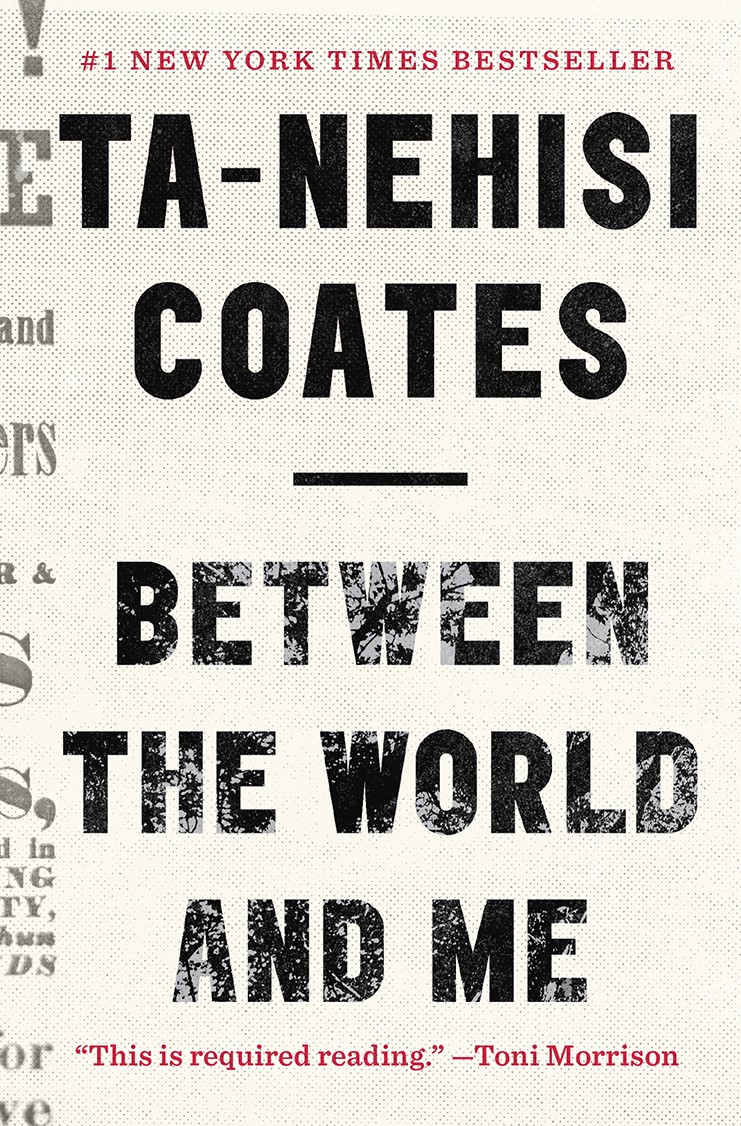
Written in the style of a letter to his teenage son, Ta-Nehisi Coates’ book Between the World and Me states an awful truth: “Here is what I would like for you to know: In America, it is traditional to destroy the black body — it is heritage.” Coates unflinchingly describes the state of Black America today, trapped in the reality of oppression that is cruelly fortified by a “Dream” that progress and reconciliation were achieved by a prior generation, that America is post-racial, that killing Black bodies is no longer heritage. Instead, the reality we confront is a seemingly endless string of extrajudicial police killings. These are only the most visible violence rendered unto the Black race. Structural violence, from failing schools to chronic unemployment, result in unequal and damaging outcomes. Coates writes for a Black audience in prose that is blunt, and I must say, as a white person, it’s very uncomfortable to read. But this is all the more reason to grapple with his book. Some read Coates’ work as a deeply pessimistic message casting doubt on whether Black Americans can ever escape and whether whites can or even want to undo racism (akin to Derrick Bell’s 1992 book Faces at the Bottom of the Well). But another interpretation is that Coates does not feel like offering his son and his people answers right now, except to say that despite the feeling that anti-Black racism might be indelible, the struggle must continue.
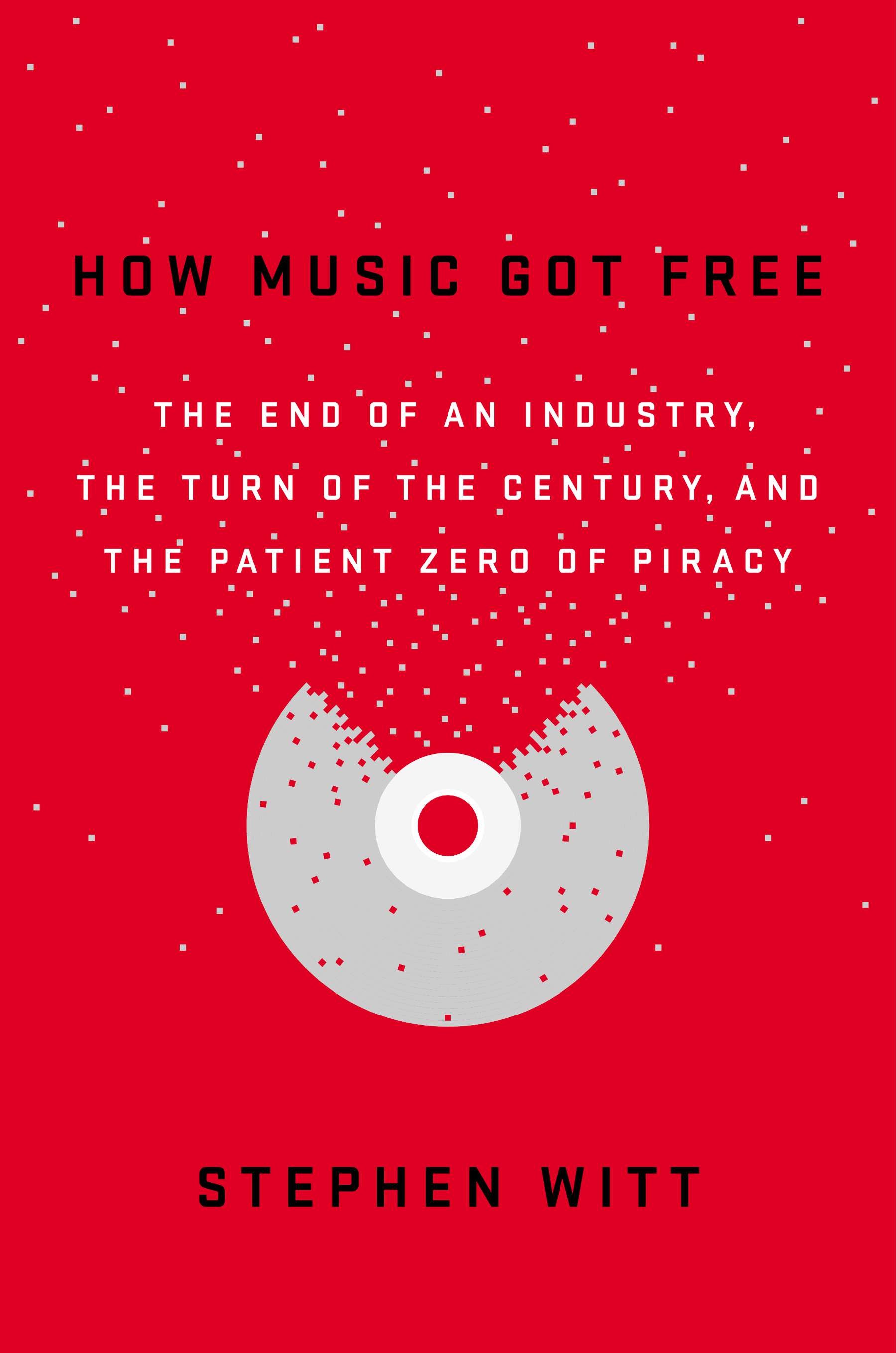
How Music Got Free: The End of an Industry By Stephen Witt $27.95
Witt’s jumping off point for this Internet Age history of the music industry is the mp3, a small and therefore easily shared file format that plays back big crisp sounds. When unleashed roughly twenty years ago by German researchers, the mp3 was adopted by electronic pirates whose relentless giga-bootlegging forced a reconstruction of the music industry, and a re-writing of intellectual property laws. But Witt doesn’t give technology false agency. He tracks down the schemers responsible for realizing the disruptive potency of the mp3 and the hackers who used the web to “share” the music industry to near-death. A melding of nonfiction genres, Witt’s book is equal parts true crime, business, and technology.
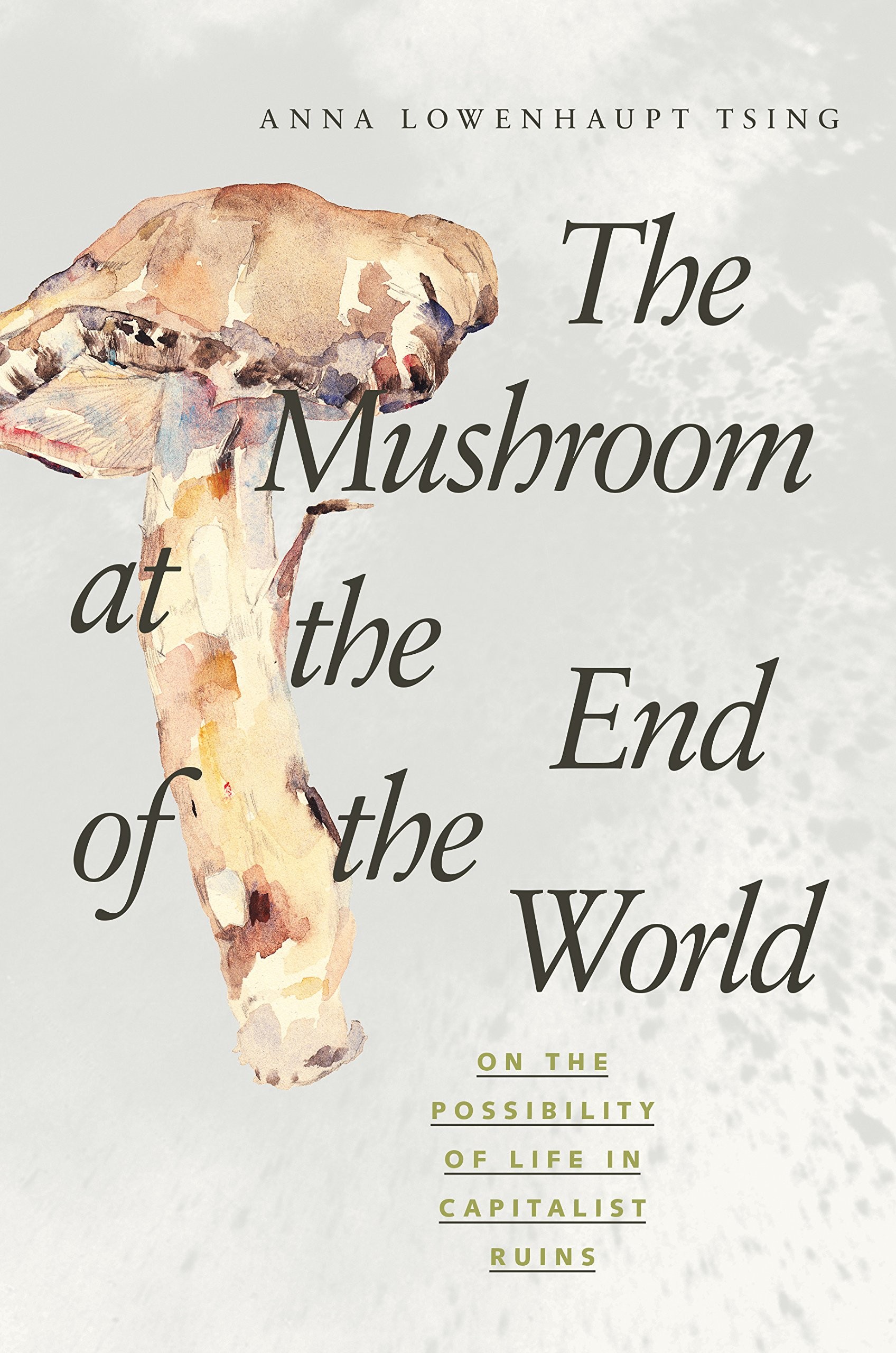
The Mushroom at the End of the World: On the Possibility of Life in Capitalist Ruins By Anna Lowenhaupt Tsing $29.95
There’s no shortage of sweeping histories describing the origins of the modern world through the story of a single commodity (e.g., salt, tulips, cod), but most books in this genre, while entertaining, ultimately hype their subjects’ historical role beyond the pale of reason. Tsing, who focuses on the matsutake mushroom, doesn’t make this mistake. Instead, the UC Santa Cruz anthropology professor has written a beautiful, humble book about the human interface with the Northern Hemisphere’s forest ecosystems, delving into everything from produce auction markets to guerilla warfare. The matsutake mushroom, a mysterious, prized, and delicious fruit of the woods is half the book. The other half is humanity, and Tsing shows how we are connected to mushrooms in mycelial-like webs of culture and economics. Mushroom at the End of the World is an example of anthropology at its best: highly accessible, yet challenging to our sense of self.
The Prize: Who’s in Charge of America’s Schools By Dale Russakoff $27
In 2010, Dale Russakoff, a long-time Washington Post reporter, embedded herself with the political and business elites who were out to impose a “transformational” change on Newark, New Jersey’s troubled public schools. The story she witnessed is mainly one of failure. Despite more than $100 million in grants from Facebook founder Mark Zuckerberg and a network of financial titans who challenge Newark’s teachers’ union and rapidly expand charter schools, the philanthropists and reform-obsessed politicians like Chris Christie and Corey Booker have failed to fundamentally improve the lives of the city’s struggling students. But Russakoff also tells stories about what worked: Against the odds, and despite the clumsy social engineering of billionaires and foundations, scrappy teachers in resource-poor public and charter schools are finding ways to uplift children, and out of their grassroots work may come new solutions.
The Sixth Extinction: An Unnatural History By Elizabeth Kolbert $28
Scientists believe that the five previous mass extinctions of life on Earth, the last of which occurred 66 million years ago and erased the dinosaurs, were caused by cosmic and geological forces like asteroids and mega-volcanos. Now, humans are causing the sixth mass extinction, and our cultures and politics are very much at the center of this dangerous “reassembling of the biosphere.” Kolbert’s book is as much a warning as it is an overview of the current state of knowledge in scientific fields like paleobiology and herpetology. Of course, she focuses on the role of climate change, but according to Kolbert, the cause of the current extinction lies just as much in the loss of entire ecosystems — plowed under by agribusiness, scraped by mines and timber companies, and paved over to expand cities.
Privacy in the Modern Age: The Search for Solutions Edited by Marc Rotenberg, Julia Horwitz, and Jeramie Scott $25.95 The Black Box Society: The Secret Algorithms That Control Money and Information By Frank Pasquale $35
New technologies that empower corporations and the state to surveil us, in cyberspace and in the flesh, are rapidly proliferating. Police agencies now track motorists by scanning millions of license plates. Federal spy agencies with seemingly megalomaniacal aims scoop up virtually every morsel of phone and internet traffic. Private data brokers assemble profiles of us; they determine whether or not we can get a loan and what ads flash across our screens. Privacy in the Modern Age: The Search for Solutions, an anthology edited by staffers at the Electronic Privacy Information Center, is a collection of articles about how hyperactive surveillance is changing healthcare, education, finance, policing, and more.
In The Black Box Society: The Secret Algorithms That Control Money and Information, Frank Pasquale, a law professor at the University of Maryland, digs deep into the algorithms used by corporations and governments to make sense of all the data they collect and steal. Both books are frightening reads, but both offer ways to push back against Big Brother.
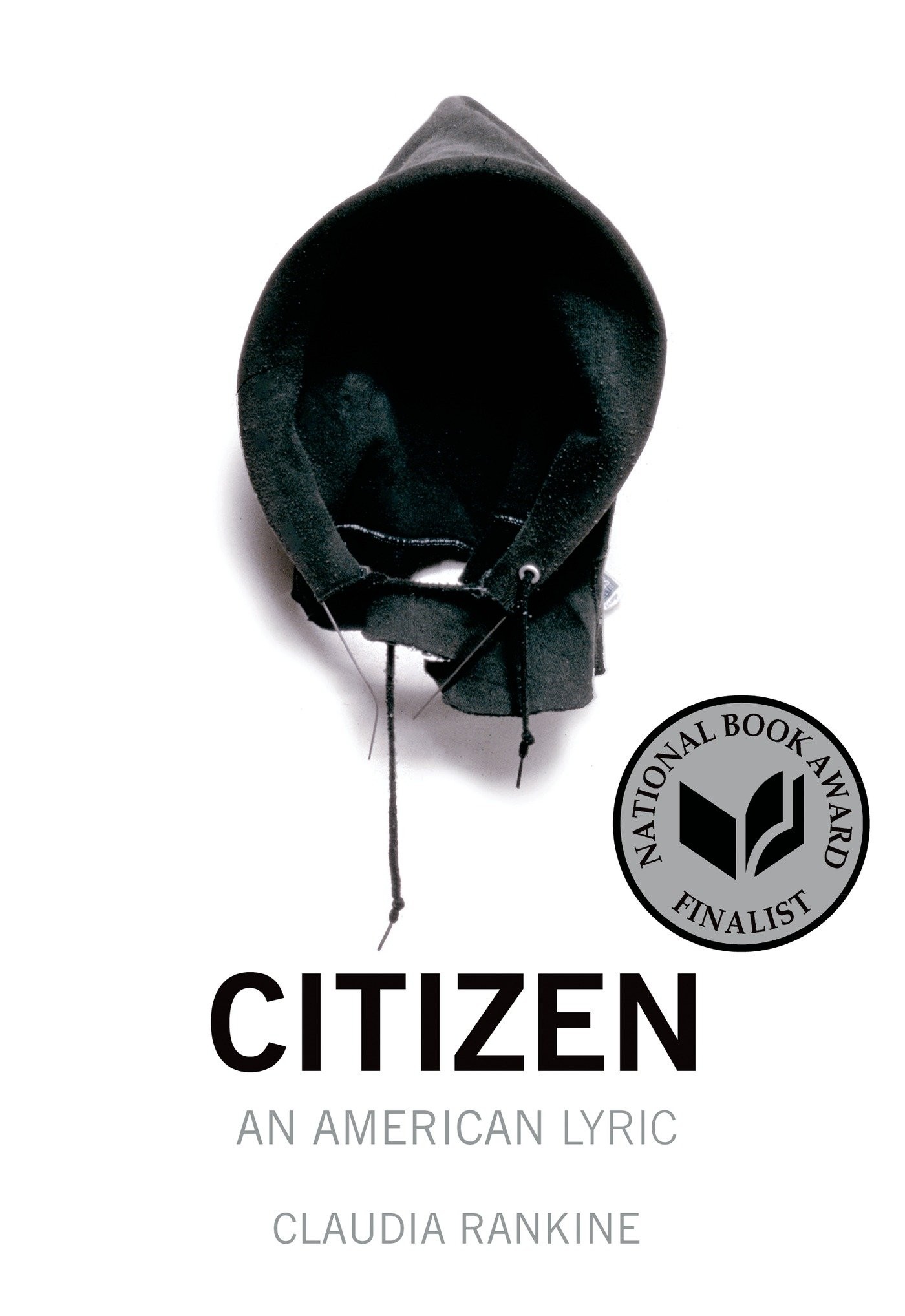
Citizen, an American Lyric By Claudia Rankine $20
Technically published in late 2014, Rankine’s meditation on race in America became an important 2015 book when student Johari Osayi Idusuyi cracked it open at a Donald Trump presidential campaign rally in Springfield, Illinois and defiantly read throughout the demagogic candidate’s speech. The image of Idusuyi, televised to a national audience because she was sitting in the stands behind Trump, absorbing Rankine’s poetic examination of race, while belonging in an act of meta-protest, instantly became an internet meme of opposition to the politics of xenophobia and misogyny. Rankine’s work is highly experimental in form and content, but it examines the reality of contemporary society, poisoned as it is by racialized notions of citizenship and rights.
These days, it’s not uncommon during the holidays to find every member of your family staring at their iPhones and iPads for hours on end — instead of spending quality time with each other. One easy way to bring people together and force your relatives to actually enjoy each other’s company is to whip out some old-fashioned board games. Whether you want to give your competitive cousin a chance to shine or play some cooperative games that foster teamwork, analog board games can offer some genuine family fun — and can provide a nice escape from the boredom of holiday vacations.
Board games also make great presents — and here in the East Bay, you can purchase a wide variety of games that your family has probably never played before. Chris Ruggiero, owner of EndGame (921 Washington St., Oakland, 510-465-3637, EndGameOakland.com) and Erik Bigglestone, owner of Games of Berkeley (2151 Shattuck Ave., 510-540-7822, GamesOfBerkeley.com) — along with staff members from both stores — helped me come up with this list of the best games you can buy this season. At both stores, there’s something for everyone.
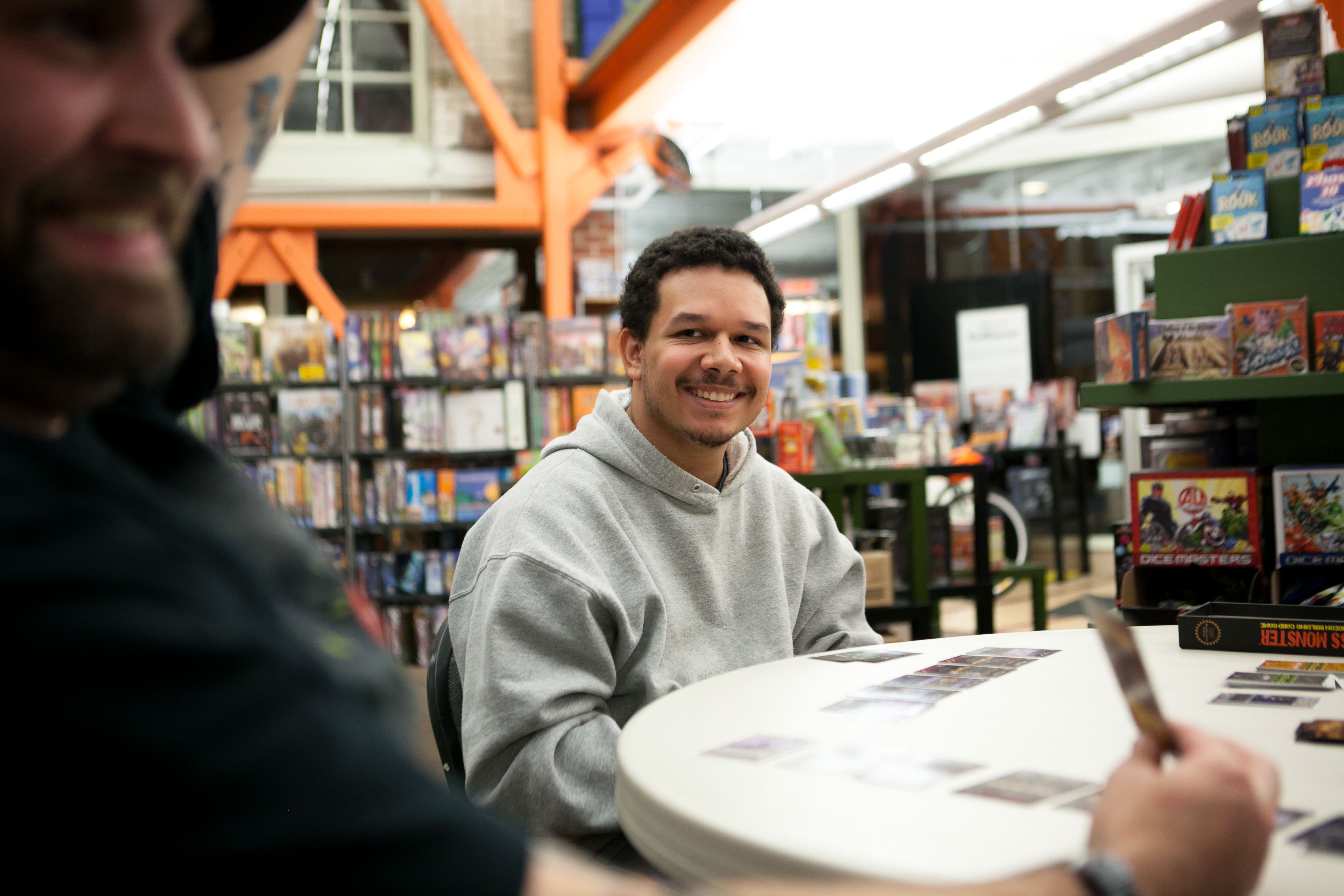
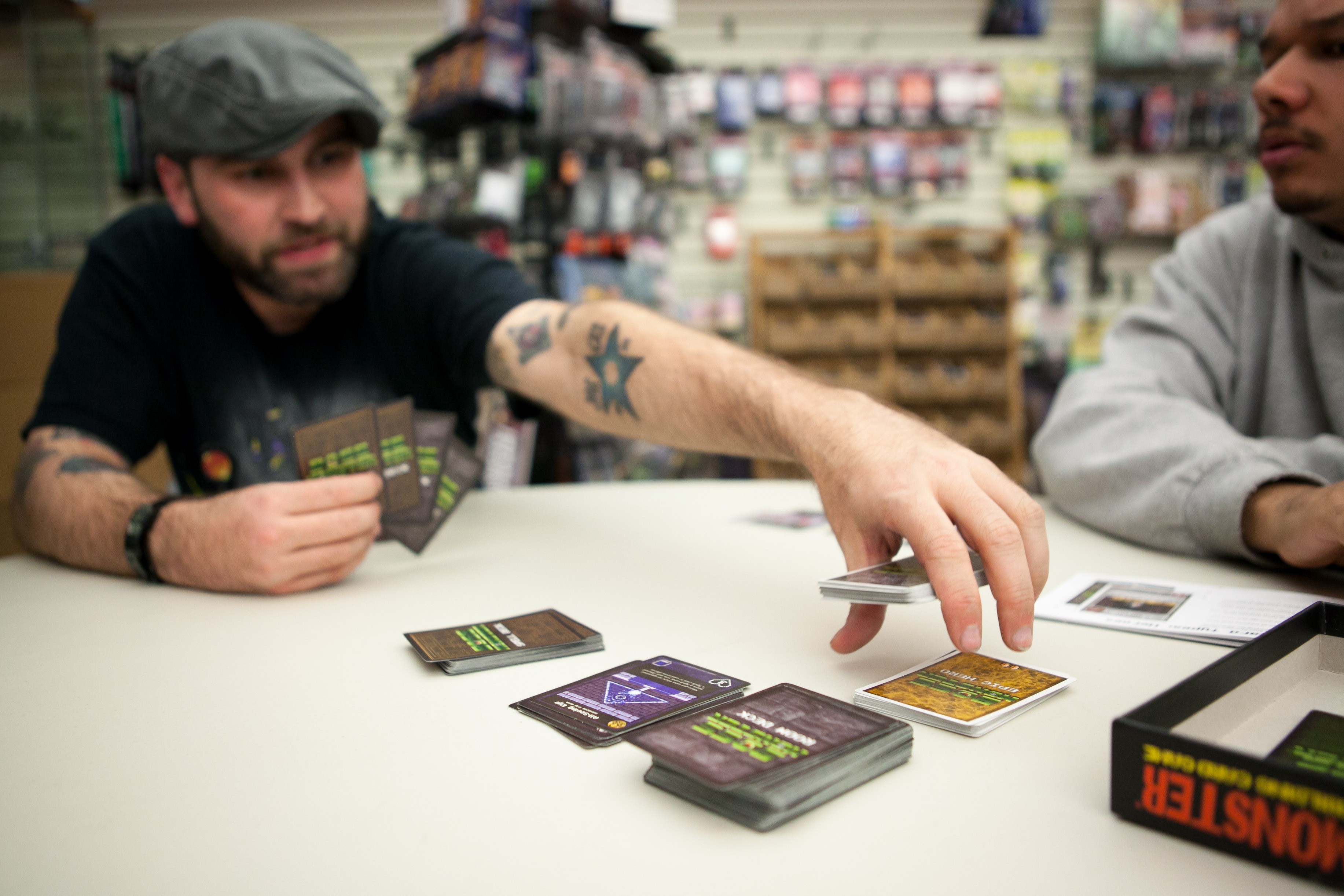
At EndGame in Old Oakland, board game fans meet to play Boss Monster.
Credits: Bert Johnson
EndGame has holiday gifts available for young kids, families, and adults.
Credits: Bert Johnson
You can do more than buy stuff at EndGame.
Credits: Bert Johnson
EndGame has holiday gifts available for young kids, families, and adults.
Credits: Bert Johnson
Family Games
Kids and adults alike will find that Timeline ($14.99 at EndGame) does a great job merging trivia and logical reasoning in a surprisingly simple and fun game. Each player — two to eight players can participate — begins with a hand of cards, each marked with an innovation on one side (such as “glasses” or “can opener”) and a date on the other. Players choose cards from a deck and decide where to place them on a timeline of inventions. Correct cards stay on the table and incorrect cards must be replaced; the first person to eliminate all of his or her cards wins.
You don’t have to totally abandon technology to have a fun game night that kids will enjoy. One Night Ultimate Werewolf ($25 at EndGame and Games of Berkeley) is a great option for children with short attention spans. The game incorporates digital apps into a fast-paced role-play game in which players have to pick out the bloodthirsty werewolf among them. You can download a free app on iOS or Android that narrates the game. If the game is a hit, you can also check out a series of similar games that the makers of One Night Ultimate Werewolf have produced, including one called One Night Vampire, which the team recently launched through a Kickstarter campaign.
Games for Kids
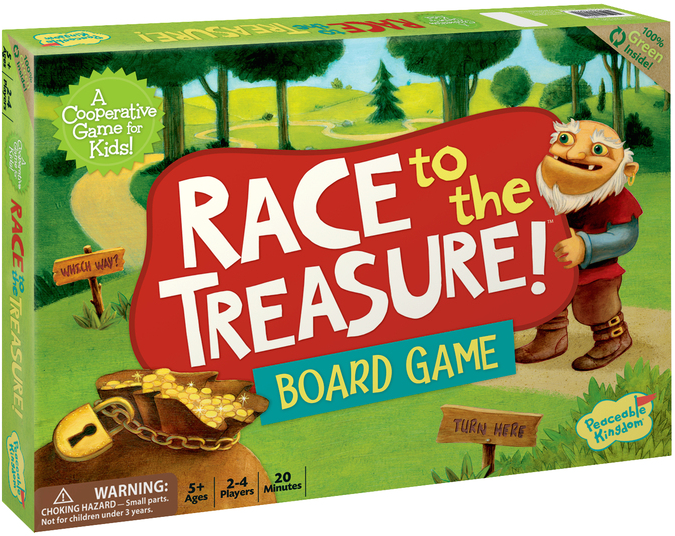
Kids in preschool and kindergarten can learn the value of teamwork with Race to the Treasure ($14.98 at Games of Berkeley) or Feed the Woozle ($20 at EndGame), which are both from game manufacturer Peaceable Kingdom. In Race to the Treasure, players compete with an imaginary ogre to pave their way to a treasure chest in the forest. And in Feed the Woozle, kids funnel foods into a toy creature. The game features different levels of difficulty for different age groups, which makes it a good educational game.
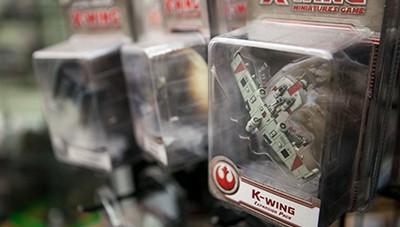
Older kids will likely appreciate X-Wing Miniatures Game ($39.95 at EndGame), one of several Star Wars games produced by Fantasy Flight Games. Although Fantasy Flight put the game out several years ago, it more recently added a fresh set in honor of the new Star Wars movie. In this game, two players battle each other as spaceship “squad leaders.” The game’s beautifully painted miniature ships are one of its more remarkable features.
Challenging Games
If you’re looking for more of a strategy-oriented game, check out Splendor ($39.99 at EndGame), which tests your skills as an ambitious Renaissance merchant aiming to accumulate the most gems and victory points. Splendor works well for groups of two to four people — and is a good option for a short thirty-minute game.
Another great choice for pairs is Netrunner ($39.99 at EndGame), a challenging card game in which one player acts as a corporation and the other takes on the role of a hacker. In a game set in a “dystopian, cyberpunk” future, the “netrunners” (who are the hackers) aim to steal the corporation’s “agendas.” If you fall in love with this game, there are also a number of expansion decks available.
The X-Wing Miniatures Game is a great holiday gift for Star Wars fans.
Credits: Bert JohnsonGames for Debaters and Wordsmiths
If you prize a quick tongue over strategy skills, Superfight ($34.98 at Games of Berkeley) offers a great opportunity to flex your wit; winning this game is akin to winning an argument. Players take on the roles of random “fighters” from a deck of cards, and debate one-on-one which fighter would win in a battle. The game contains 160 characters and 340 powers, including zombie, George W. Bush, super speed, and “can turn invisible while singing show tunes.”
Concept ($39.99 at EndGame), another game filled with quirky descriptions, essentially turns charades into a board game (albeit with a slightly more complex structure). Two-player teams score points by guessing a concept that other teams describe using limited hints marked on the game board. Concepts range from objects (such as an ice cube) to celebrities (such as Leonardo diCaprio).
At EndGame in Old Oakland, board game fans meet to play Boss Monster.
Credits: Bert Johnson
Cooperative Games
For those who prefer games that aren’t too competitive, Sentinels of the Multiverse ($30 at Games of Berkeley) allows players to team up as superheroes against evil villains. The characters come with an array of rich back stories, such as Absolute Zero, a hero haunted by his fiancée’s tragic death, and The Proletariat, a villain who refuses to be a pawn for the government. The game is well suited for a four-person group of comic book lovers with an hour to spare.
Mysterium ($49.98 at Games of Berkeley) provides the same opportunity for teamwork — but in a spookier setting. Players take on the roles of psychics attempting to solve a murder mystery in a haunted mansion. One person is designated as the ghost of the murder victim. Similar to the classic game of Clue, players must identify the perpetrator, weapon, and location of the crime. The game works best with groups of two to seven people.
New boutiques are constantly sprouting up in the East Bay, and each is curated with a specific taste. Here’s a guide to some of our favorite little, local shops — some new and some not so new — and who you should shop for at them.
Resurrect
Resurrect is a wellspring of statement pieces and spunky accessories. It’s the place to go for that gift that stands out for being playfully idiosyncratic. Designer and seamstress Kate Morrow opened the boutique in 2012 as a platform for emerging artists and designers to sell their wares. There, she offers handmade goods from more than fifty local and regional artists alongside vintage apparel. Take, for example, the Nocturnal Drifter V-neck tee, which features an owl with its wings outstretched printed on soft cotton ($38) or the Kitty Garden Party leggings, which cover the wearer’s legs in exactly what it sounds like — imagery of kittens having a party in a garden. Resurrect also offers an array of bags, notebooks, and jewelry with imaginative designs that you’d be hard-pressed to find elsewhere.
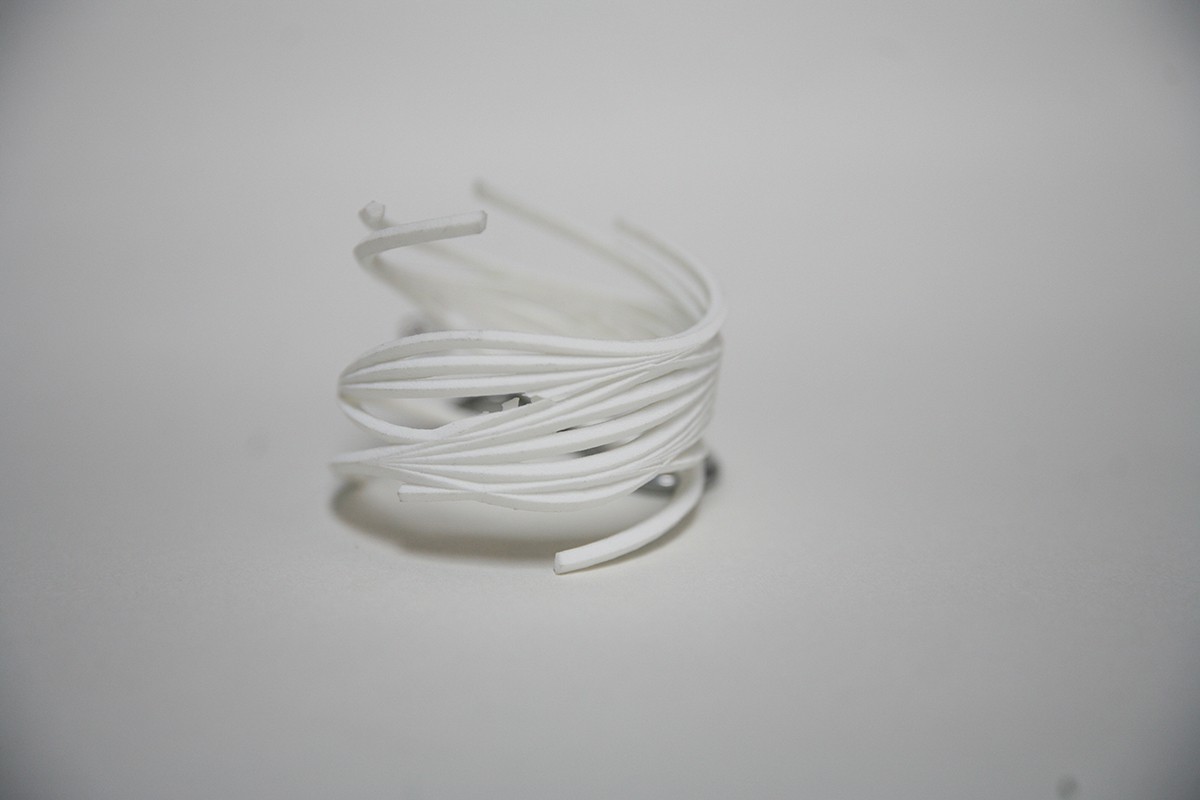
The Aconeus Bracelet is part of Viscera’s futuristic jewelry line.
Credits: VisceraThe Truman Shaving Kit ($20) from Welcome Stranger.
Dandelion Post is where to go to find gifts for your refined-yet-casual, fashion-forward friend or family member. The items don’t come cheap, but they’re well made — and look it. Offerings range from sophisticated dresses to comfy sweaters. The Burnout Butternut Dress by Pepa Loves, for example, is a delicate burnt yellow cocktail dress with a gathered waist and dainty, short sleeves patterned with Victorian burnout lace designs. It’s exquisitely tailored for a contemporary fit but with a tinge of vintage appeal ($100).
Basics like the B&W Striped Boatneck tee by RP Miller are the safest buy for a holiday gift because no one can find fault in a soft, tasteful item they’ll wear again and again — especially with understated ribbing for an extra pleasing texture ($38). Dandelion also excels in the bag department, with a collection of totes and clutches that work perfectly for a trip to New York City — or an everyday outing in Oakland.
Oakland Supply Co. is the best place to shop for urban adventurers.
Credits: Oakland Supply Co.
Welcome Stranger
Although Dandelion Post only sells women’s clothes, its male counterpart can be found in Welcome Stranger. The men’s street wear shop that’s popular in San Francisco recently opened a second location in Berkeley’s Elmwood district. Its tightly curated threads can get pricey, but every piece is made to last and look good until the end.
The WS X EF 100 percent wool baseball caps with adjustable embossed leather bands are a simple yet reliably stylish new staple you can offer your giftee ($48). Carhartt sweaters, perfectly fitted chinos, and Eastland lace up boots are a few other items you can find there. The shop also offers smaller giftables like the old-school Truman Shaving Kit ($20) and designer Opinel pocket knives ($19).
Halmoni is the place to find gifts for vintage fiends. The ever-evolving collection of goods encapsulates everything in someone’s closet — shoes, accessories, apparel, jewelry, and sunglasses. Find dresses in cheeky, bold prints and long-sleeved shirts with eccentric buttons. Or check out a pair of earrings that are both unique and perfectly suited for the person you have in mind. If you’re not the most fashionably confident person, Halmoni owner and buyer Natasha Harden is the most helpful stylist you’ll find at a local vintage boutique. And if the person you’re buying for isn’t fashionably confident either — at the risk of offending them — you could even opt to buy them a Halmoni Closet Remix in which Harden does a two-hour closet consultation that includes putting together new outfits from what’s already in there and recommending staple items that should be added ($99).
At Halmoni, you can find the perfect gifts for friends with vintage taste.
Credits: Alexandra Nicole Solis-Sison
Oakland Supply Co.
The refined-yet-outdoorsy look is a very real trend, and some people — potentially including people for whom you want to buy gifts — are making it work for them in a big way. Luckily, Oakland Supply Co. is here to provide both you and them with all the perfect accessories for that urban adventurer lifestyle. At this welcoming boutique in the Jack London district, you can find an impressive selection of stylish bike bags, expandable plaid flasks, super cool sunglasses, a Make Your Own Bitters kit, and even a sleek hatchet with a perfectly fitted leather case. No matter what gender you’re shopping for, you’ll likely find something trendy, well-made, and suited for them here.
Viscera is the place to go to buy gifts for your futuristic friends. All of the clothing sold there is monochromatic and most of it comes in grey, white, or black. With an A-line hem here and a deliberately placed zipper there, each item seems subtly ahead of its time. But what most sets the boutique apart is its line of 3D-printed jewelry, including rings, bracelets, and pendants — all designed in-house. The Aconeus Bracelet wraps around the wrist like a graceful bunch of twisted wires embracing one’s arm. Like the rest of the line, the bracelet comes in flexible plastic, steel, bronze, or raw silver and is remarkably affordable for locally made jewelry. In any of the given materials, the bracelet costs $45.
If you’re looking for something especially personal, Viscera also offers customized rings, bracelets, pendants, earrings, broaches, and hair pieces. Just give their designers a $25 deposit and description of the item you have in mind, and they’ll send you a design in a week, with the finished product following not long after that.
At Halmoni, you can find the perfect gifts for friends with vintage taste.
Credits: Alexandra Nicole Solis-Sison
Studio Arhoj Pop-Up at Umami Mart
Umami Mart is the go-to place to buy gifts for people who like bartending, appreciate Japanese-made goods, or nerd out about design. Any intersection of those interests is an extra-sure win. The shop on the outskirts of Old Oakland offers a finely curated selection of Japanese bar and cooking ware, plus America’s largest selection of imported Japanese beers, and a well-tuned sake selection. And one of the most admirable aspects of the store is its exquisitely designed interior, done by the Danish design and ceramics makers Studio Arhoj. For the holidays (until Dec. 24), Umami will be hosting Arhoj’s first ever American pop-up, featuring its adorably designed ceramic tableware. Imagine dip-dyed mugs with tiny eyes peering back at you. The line is cute, tasteful, and super rare anywhere outside of Copenhagen.
Although it’s an annual struggle to find the right holiday gifts for human friends and relatives, it can be especially hard to find the perfect present for your beloved pet. Who knows what kind of gift your cat, dog, or reptile will truly like? Based on the advice of a number of local experts, we’ve compiled some of the best items available at independent pet shops in the East Bay. From the luxurious to economical, shoppers can find fashionable holiday wear, custom tags, tasty organic treats, and many other goodies that pets and pet owners alike will surely appreciate. Whether you’ve got a small kitten, a large Great Dane, or a snake, these pet shops all have something special to offer.
Dog Apparel
George (1824 Fourth St., Berkeley, 510-644-1033, GeorgeSF.com) a dog and cat boutique in West Berkeley, sells clothes, collars, and leashes designed to appeal to more sophisticated tastes. The shop offers a number of stylish jackets and sweaters ($35–$110) that make for great holiday gifts. The store’s goods include quilted microfiber vests, colorful cotton sweaters, and vinyl red-plaid raincoats. You can also snag a leather leash or fashionable collar, which include miniature ties that make them a great fit for more formal doggy occasions. For $48, you can get a collar custom-embroidered with the name of your furry friend (though note that this is not a great last-minute gift since it can take several weeks for the shop to complete the design). For $20, you can also get a tag engraved with a pet’s name (which the shop can complete in one day).
Consider a special treat for your pet this holiday season.
Credits: Bert Johnson
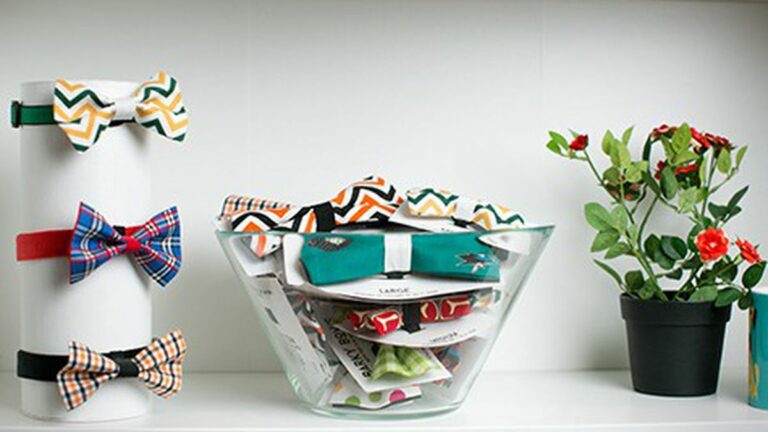
At Loyal Pet Shop, Tiffany modeled one of the stylish bowties available this holiday season.
Credits: Bert Johnson
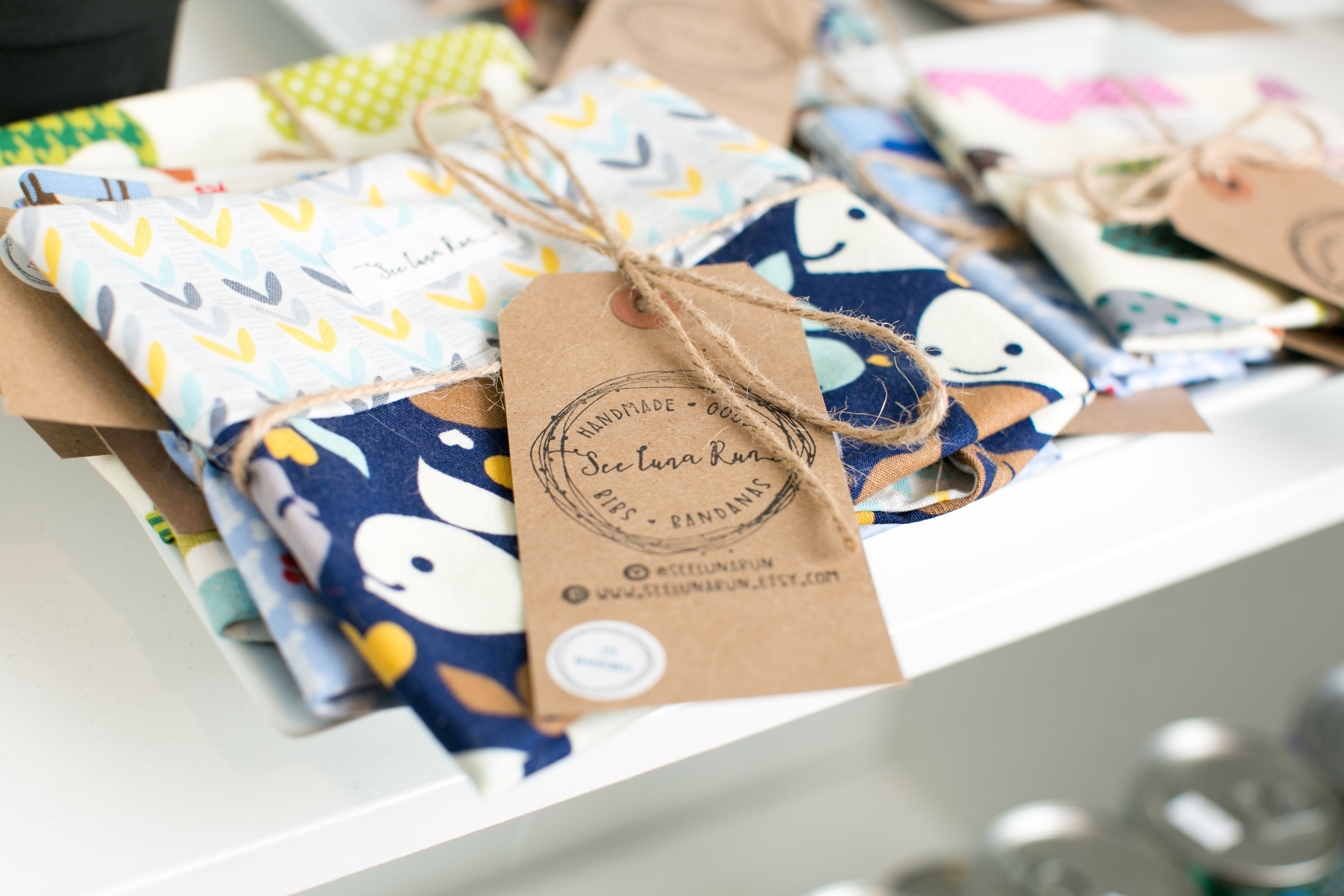
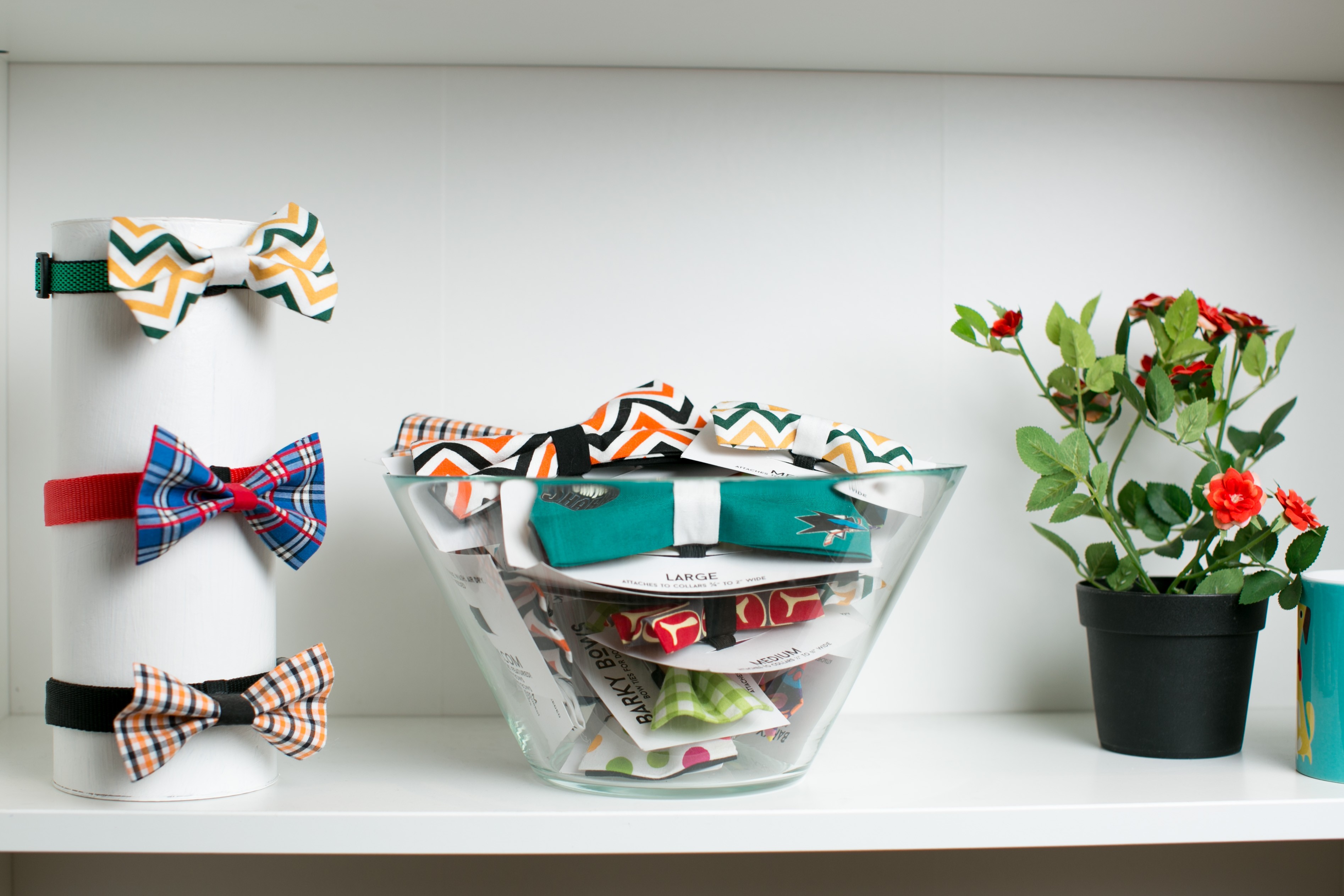
The Loyal Pet Shop (5332 College Ave., Oakland, 510-250-9595, LoyalPetShop.com) in Rockridge is another great destination for stylish animal apparel. The shop sells collars and leashes ($14–$30) from a number of Bay Area pet boutique vendors, including the San Francisco-based companies Gwen Gear and Cheengoo. These gifts are good for both cats and dogs and feature more playful designs than the products at George, with some using colorful fabrics and glitter. Shoppers looking for less conventional neck garb can also pick up bowties or lightweight scarves ($24) at Loyal Pet Shop. The bowties, from vendor Barky Bow, come in bright geometric patterns, including one with rainbow stripes. The charming bandana-style scarves, made by a vendor called See Luna Run, feature a variety of fun images, including cupcakes and smiling whales.
Scarves for pets are in vogue this holiday season at Loyal Pet Shop.
Credits: Bert Johnson
Feasts for Your Pet
Gingerbread and sweet potato pie are special sweets that dogs can also enjoy this holiday season, according to Holistic Hound (1510 Walnut St., Berkeley, 510-843-2133, HolisticHound.com). The pet store stocks holiday-themed foods (less than $10) from Wet Noses, a Washington-based company dedicated to making all-natural products. The company’s festively packaged dog bone, for example, contains organic rye flour, apples, eggs, canola oil, molasses, ginger, and cinnamon.
Another unconventional holiday treat is the pumpkin-flavored Treatibles ($24), a hemp-based goodie made by Auntie Dolores, an Oakland company. The products will not get your pets stoned, though the company says this so-called “super food” can help calm an animal’s anxiety and other maladies. (The makers of Treatibles claim the foods can also help dogs in pain, dogs suffering from cancer, and dogs with cardiac problems). The pumpkin-flavored treat’s ingredients include hemp extract, hemp seed oil, gluten-free oat flour, pumpkin, peanut butter, organic coconut oil, brown rice, potato starch, apple sauce, coconut nectar, turmeric, vanilla, and cinnamon.
For the special cat in your life, consider picking up some turkey breast or wild pacific salmon — although those gifts may be tough to dress in wrapping paper. Canine Comforts (308 Jackson St., Oakland, 510-238-8717, K9ComfortsOakland.com) sells a wide variety of natural pet food, including freeze-dried meat treats for cats. Canine Comforts owner Michael Cook said he values high-quality foods and recommends that pet owners only purchase treats that have natural ingredients and are manufactured in the United States. In the case of online orders, Cook also recommended that shoppers check that the foods have been properly stored and won’t be spoiled by the time the gifts arrive.
At Loyal Pet Shop in Rockridge, pet lovers can buy fancy leashes, scarves, bowties, collars, and other stylish apparel for their dogs and cats this holiday season.
Credits: Bert Johnson
Toys And Trinkets
If you’re buying a gift for a friend’s pet, you may want to avoid investing in fancy apparel or foods lest you misjudge an animal’s tolerance for holiday sweaters or dietary preferences. For many pets, you can’t go wrong with nice water bowls, functional food containers, or other fun stocking stuffers. After all, the holiday season is the best time to bring out the fancy dishware. One good option is to buy the Harry Leaf handmade cat bowl at Holistic Hound — and fill it with a couple pawfuls of kitty knickknacks. The store has a great selection with many affordable items, including glittery mice toys, yarn animals, and cork balls (all $2-$3).
Another approach to pet purchases is to find a gift that matches the pet owner’s personality. For your nature-loving friends, try a “Chase the Hemp Cat Tail” toy by From the Field, an eco-friendly brand available at Holistic Hound. For the party animal, Outward Hound makes a dog food dispenser modeled after a slot machine, available at Canine Comforts. And for your Christmas-obsessed relatives, Pet Food Express (1101 University Ave., Berkeley, 510-540-7777, PetFoodExpress.com) in Berkeley sells an array of holiday plush toys for $8-$10, modeled after reindeer, penguins, snowballs, and coal.
At Loyal Pet Shop in Rockridge, pet lovers can buy fancy leashes, scarves, bowties, collars, and other stylish apparel for their dogs and cats this holiday season.
Credits: Bert JohnsonNew Habitats
Owen Maercks, owner of the East Bay Vivarium (1827 Fifth St., Berkeley, 510-841-1400, EastBayVivarium.com) suggested that pet owners use the holidays as an opportunity to give their animals a permanent lifestyle boost instead of just a one-time treat. This is especially true if you’re trying to find a gift for pets other than cats or dogs.
For amphibians or reptiles, this might entail buying a new cage or special furniture, such as crawling logs and hiding spaces. Maercks noted that people often forget to install cages with fresh light bulbs, which lose power after several months. The darkness can have a serious negative impact on an animal’s health and behavior, he said. “Many of us pet keepers, for us they’re not just animals. They’re really our children,” Maercks said. “A lot of my customers think on bigger terms… Over the holidays, they often think of it as a time to kind of upgrade the animal’s quality of life.”
At the new luxury hotel on the corner of 4th and Fallon streets in Oakland’s Jack London district, guests can get coconut oil hair treatments, order room service, or watch the latest episode of Keeping Up with The Kardashians on flatscreen televisions. The hotel also has an indoor pool and large rooms with skylights where guests can mingle and make new friends. At quick glance, the lobby and suites look like they would fit right in at any normal five-star hotel. But Wag Hotels Oakland is anything but normal. For starters, all the guests are dogs and cats.
Wag Hotels is one of a growing number of upscale kennels in the East Bay that strive to treat furry friends less like dogs and more like humans. If you’re looking to get out of town this holiday season, Wag Hotels is a great option to give your pets their own special vacation at the same time. And if you’d prefer to keep the family together for holiday trips, we’ve also got some great recommendations for dog-friendly getaways near the Bay Area. Here are our picks for the best vacations you can offer Fido this winter.
At the Half Moon Bay Inn, all fifteen rooms are dog-friendly.
Credits: Half Moon Bay Inn
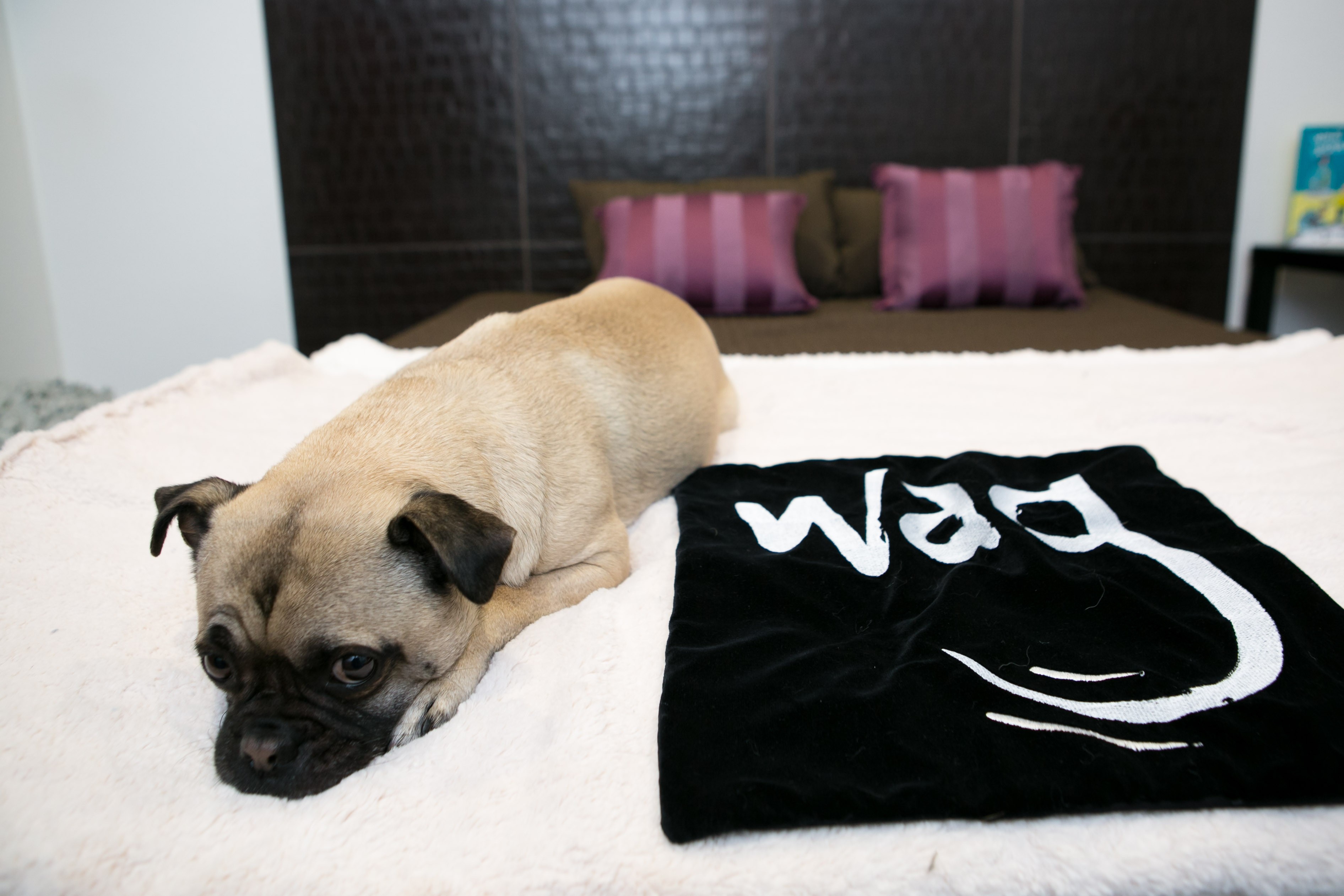
Dogs get the royal treatment at Wag Hotels.
Credits: Bert Johnson
Wag Hotels
The “ultra suites” of Wag Hotels Oakland, which opened its doors in September, have the most jaw-dropping features in the facility — the kind of amenities that may make you want to skip your own getaway and switch places with your pet. For $150 a night, dogs get a two-hundred square foot room with a comfy queen-size bed adorned with elegant bedding, along with flatscreen TVs (which owners can program from afar to play their dogs’ favorite Netflix shows), a fireplace mantle, handmade treats, peanut butter-filled chew toys, regular room service, bedtime stories from staff, and Skype sessions with their owners. For owners who have separation anxiety, you can also watch your dog 24-7 via the hotel’s WagCams, which are web cameras that send live-stream footage of the facility straight to customers’ smartphones. If you see that your dog looks cold, for example, you can call the hotel in the middle of the night and immediately have a staff member deliver an extra blanket.
The cheaper options ($50–$95 per night) are still designed to feel much more homey than the traditional dog boarding set-up. “Everything is a room — not a kennel or cage,” general manager Jennifer Duryea told me during a recent tour of the 150-room facility. “We really try to keep in mind the theme of a hotel.” Owners who want to give their dogs special services can also buy their pets fur masks ($7), paw pad rubs ($5), hair dye and designs ($20), and many other spa treatments.
At Wag Hotels Oakland, dogs staying in the “ultra suites” get queen-size beds, flatscreen TVs, handmade treats, and regular “room service.”
Credits: Bert Johnson
Happy Hound
Now in its twelfth year, Happy Hound in West Oakland is another great daycare option for owners who want to be sure their dogs also get an enjoyable vacation during the holidays. Happy Hound requires first-time boarders to have at least two daycare visits before staying overnight — to ensure that they will be very comfortable in their new environment. “It just makes for a more intimate boarding experience,” said Happy Hound owner Suzanne Golter. For the cheaper boarding option of $68 per night, dogs get a “goodnight tuck-in,” classical music, an evening cookie, and other amenities. For dogs that don’t qualify for group play due to behavior or other issues, Happy Hound offers personal, one-on-one care (for an extra $15).
The $118 “super suite” option offers dogs extensive one-on-one play time and exercise, spa services (including a bath, teeth-brushing, and manicures and pedicures), and the company of a staff member who stays in the executive suite with the guests overnight. Outside of the overnight stays, Happy Hound also offers a wide range of training — short classes for dogs who need a brush-up on manners and much more extensive programming for dogs with special needs.
If your dog isn’t into spa services, and you’d rather give him or her the joy of a vacation with the family, Half Moon Bay Inn is a great pet-friendly option just an hour-drive southwest of Oakland. The fifteen-room boutique inn accommodates dogs in every room — and provides dog bowls, treats, and other amenities to make pets feel extra welcome. With a pet fee of only $25 per stay, the inn is a very affordable option for dog owners who want to be near the beach. Paula Bell, one of the managers, told me there are many dog-friendly restaurants and beaches nearby that make the inn a perfect weekend getaway with your dog.
At Wag Hotels Oakland, dogs staying in the “ultra suites” get queen-size beds, flatscreen TVs, handmade treats, and regular “room service.”
Credits: Bert Johnson
The Stanford Inn
Three hours north of Oakland, the Stanford Inn By The Sea in Mendocino is a great getaway — whether you have a dog or not. It’s right by the ocean, guests can ride bikes into town, and there’s a ton of great food in the area. In exchange for a $45 pet fee, the inn provides organic treats made of sweet potatoes. The hotel can also provide steamed vegetables for dogs on special diets. Dog beds are available, too. The inn also welcomes a wide variety of pets. In addition to dogs and cats, the inn over the years has hosted iguanas, parrots, a tortoise, and even Vietnamese potbellied-pigs.
My friends who love wine as much as they love their dogs tell me that dog-friendly wineries have become increasingly popular in recent years. And one of the best local trips they recommend is H2hotel in Healdsburg, especially during the winter when the town square lights up with holiday cheer. The pet fee of $99 per stay at H2hotel is a bit pricier than some other options, but given the hotel’s proximity to many dog-friendly wineries, it’s definitely worth it.
For a daily pet fee of $50 (maximum $100 after two days), you can bring your dog to Monterey Tides, a Joie de Vivre hotel right along the beach of Monterey Bay. The secluded hotel offers a golden sand beach and incredible views of the bay — and is also located very close to Old Fisherman’s Wharf in downtown Monterey. Whether you’re relaxing on the beach or in the hotel or exploring the local culture, you and your dog are sure to enjoy this getaway from the city.
There’s a strong case to be made that the East Bay is as good a place to eat and drink as anywhere in the country. It should come as no surprise, then, that it’s also home to a treasure trove of food gifts. Here are some of my favorites, arranged roughly in order of cost.
Sosu Barrel-Aged Sriracha $10–$36
If you come from a certain kind of pho-slurping or rice bowl-devouring family of East Asian persuasion, you probably go through bottles of the red-chili sauce known as sriracha the way folks in the American heartland guzzle ketchup. In much of the United States, sriracha is synonymous with the Huy Fong “rooster” brand, which, delicious though it may be, is loaded with preservatives. But for the past few years, Oakland-based Sosu has been one of the companies spearheading an artisanal sriracha movement — first with its flagship Srirachup (a sriracha-ketchup hybrid) and now with its new Barrel-Aged Sriracha, which, at $10 a bottle, would make a tasty stocking stuffer for any hot sauce connoisseur. Made with just four ingredients (red chili peppers, garlic, brown sugar, and sea salt) and fermented for a month in oak whiskey barrels, the Sosu sriracha is brighter-tasting and has a mellower tingle of heat compared to most of the popular commercial brands. For the heavy sriracha user, consider a four-pack ($36) or, if it hasn’t sold out online by the time this article goes to press, a Sriracha Lover’s Gift Set that also includes the Srirachup and two limited-edition items you won’t find in any store: a Louisiana-style barrel-aged hot sauce and a spice rub modeled after the kind used to season Northern Chinese lamb skewers.
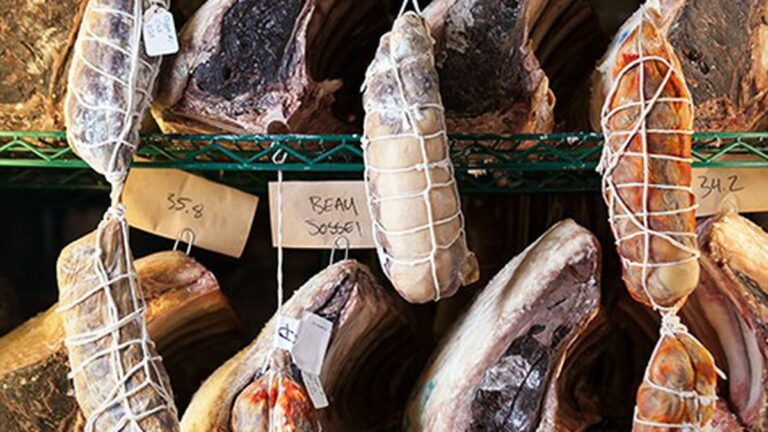
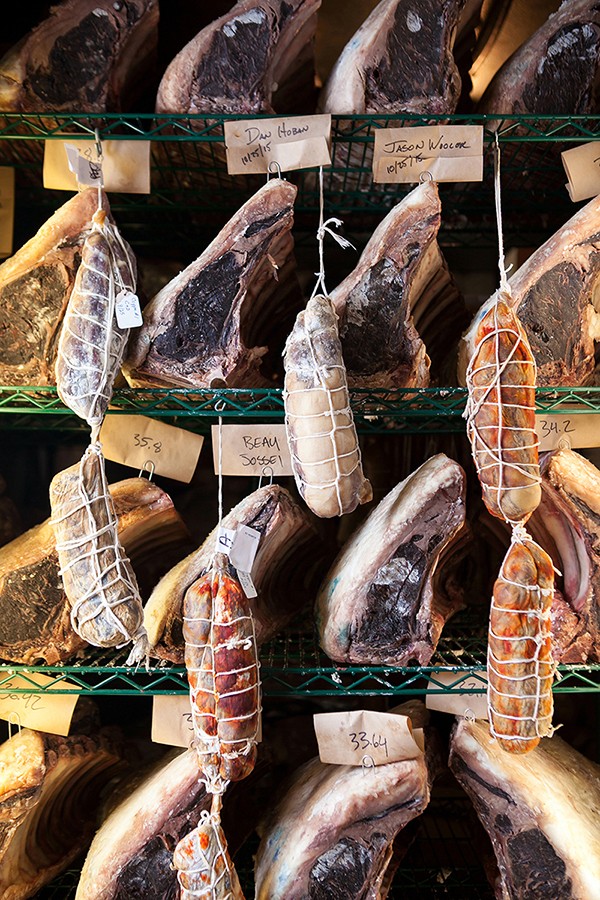
Dry-aged beef at Baron’s Meat & Poultry.
Credits: Bert Johnson
Hopsy Gift Card $17-plus
The proprietors of this highly-anticipated business — which aims to be the first growler delivery service in the country, bringing draft beer from Bay Area craft breweries straight to customers’ doorsteps — say they expect to be up and running by the end of November. I imagine any beer lover would appreciate a Hopsy gift card, which co-founder Sebastien Tron said will be available in any denomination. According to Tron, most growlers will be priced in the $12–$16 range, with a $4.99 flat delivery fee (waived with purchases of four growlers or more), so $17 seems like the minimum you’d want to put on a card. Give a $50 gift card, and your lucky recipient will be all but ready to throw a big beer bash.
If you’re looking to pick out a tasteful, distinctive gift at any time of year, it’s hard to beat Umami Mart, Old Oakland’s uber-fashionable repository for all things Japanese. For those who want to buy something special, but not overly expensive, for the food-obsessed person in their life, co-owner Kayoko Akabori recommends one of these high-quality shoyus, or soy sauces, from Kyoto. Each one has a distinctive flavor profile: The smoked shoyu ($22) is earthy and full of umami and is particularly good for marinating beef. The slightly sweet shoyu aged in whiskey barrels made of mizanara wood ($23) makes an excellent dipping sauce for sashimi. And the cherry blossom shoyu ($24) has a delicate flavor that’s good with steamed fish. According to Akabori, the cherry blossom version makes for an especially beautiful gift: There are preserved cherry blossoms floating inside the bottle.
Dry-aged beef at Baron’s Meat & Poultry.
Credits: Bert Johnson
Tamales from Cosecha $24
In Mexico, Christmas wouldn’t be Christmas without tamales — the cornhusk- or banana leaf-wrapped bundles of steamed masa that devotees open up with as much joyous anticipation as they have for any gift sitting under the tree. Starting after Thanksgiving, Cosecha, one of Oakland’s most beloved Mexican restaurants, will sell perfectly gift-worthy packages of tamales on a to-go basis — $24 for a dozen, available in two flavors: braised pork with red chili and rajas con queso (roasted poblano chilies and cheese). On weekends, customers at the restaurant will also be able to enjoy the tamales as part of a $13 holiday dinner plate.
Cosecha, 907 Washington St., Oakland, 510-452-5900, CosechaCafe.com
Sweet Pretzels from Salt Point Pretzel Company $24
I got hooked on this West Oakland startup’s delicious Bavarian-style soft pretzels when I tried them at the Uptown brewpub Drake’s Dealership, so I was happy to learn that proprietor Michaela Campbell is selling sweet, caramel-stuffed, chocolate-drizzled pretzels as a holiday special — $25 for a gift box of four, available through the end of the year. You can place an order by emailing Sa***************@***il.com at least 48 hours in advance and arrange for pickup either at Campbell’s West Oakland kitchen or a local retail location that she will soon determine.
Salt Point Pretzel Company, 2121 Peralta St., Oakland.
DIY Food Kits from Preserved $25–$40
For the mildly ambitious home cook in your life who’d like to start stocking his or her pantry for the winter, consider one of the food-preservation kits from Preserved, a backyard pop-up shop in Oakland that sells DIY food supplies. Of particular interest are the Cultured Pickling Kit ($25) — which includes a fermenting jar, an airlock lid, and recipes for an assortment of sauerkrauts and kimchis — and the Vinegar Starter Kit ($30), which comes with everything you need to make your own red wine vinegar, white wine vinegar, and malt vinegar.
Just about every serious wine shop will offer a bottle-of-the-month club of some sort, but to my knowledge, the Bay Area’s only curated sake subscription service is based right here in Oakland. Gift subscriptions to Umami Mart’s recently-launched Sake Gumi (i.e. sake club) are available at six- or twelve-month intervals, and at two different price points. The $29-a-month introductory level buys two small (ten-ounce) bottles of sake each month and, according to Akabori, makes for an especially good way for the sake newcomer to educate him- or herself on the basics of the fermented rice beverage. Each month’s sakes are thoughtfully selected by Umami Mart co-owner Yoko Kumano — a certified sake expert — and always come with tasting notes that might explain, among other things, what foods a particular sake might go well with, or whether it’s best consumed cold or warm. Meanwhile, if you’re flush with cash and really want to impress the booze connoisseur in your life, the $75-a-month level is the way to go, as each installment includes two 24-ounce bottles of rare, expensive sakes, many of which you’d be hard-pressed to find in a store. As an added bonus, membership in Umami Mart’s Sake Gumi comes with a built-in community of sake enthusiasts who come together every few months for a special tasting or a field trip to a local brewery.
Bay Grape, one of the East Bay’s friendliest and most consistently excellent wine shops, has once again put together a steeply discounted case of wines for the holidays that promises “one perfect bottle for every occasion,” whether it be a Riesling that goes well with everything on the traditional Thanksgiving table or a genuine-article champagne for New Year’s. Gifting all twelve bottles to your favorite wine enthusiast is a surefire way to profess your love, but I like the idea of buying the case for yourself and divvying it out a bottle or two at a time, thus taking care of a big chunk of your holiday shopping all at once — or at least making sure you’ll never show up at a party empty-handed. If you go this route, it’d be silly not to reserve a couple of the choicest bottles. Bay Grape co-owner Stevie Stacionis says she’s especially enamored with the Stoka Teran — a Slovenian red she describes as “bloody, brambly, and intense, yet not so big that you need a meal with it.” And she loves the Andre Bonhomme white Burgundy, a citrusy wine she says is her go-to for taking the edge off the holidays.
Bay Grape, 376 Grand Ave., Oakland, 510-686-3615, BayGrapeWine.com
Baron’s Meats Whole Dry-Aged Beef Rib $500
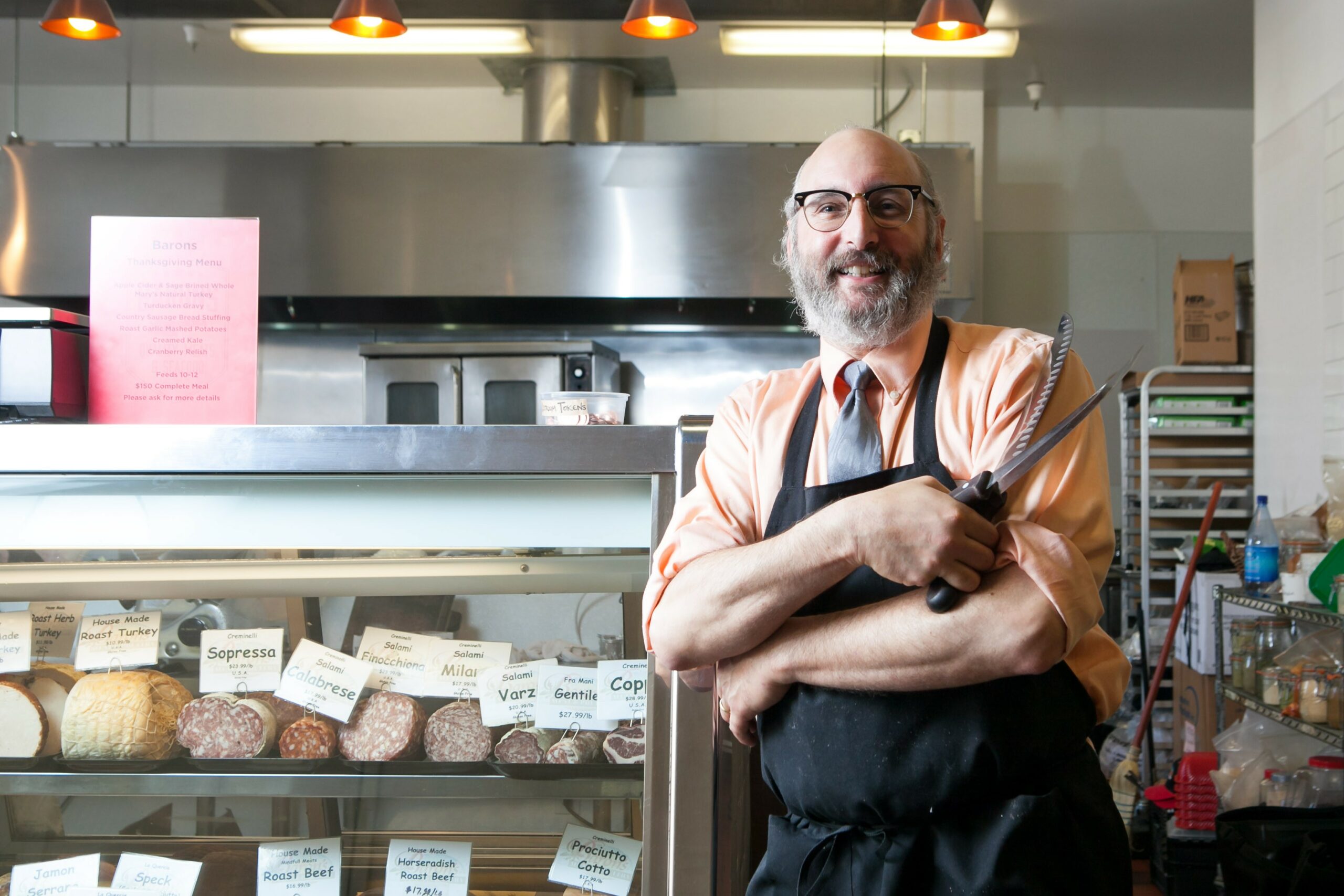
Finally, we come to the most baller food gift of all, at least if your intended recipient is the kind of beef lover who salivates, like Pavlov’s dogs, at the very mention of the words “dry-aged steak.” In Alameda, Baron’s Meat & Poultry offers a unique service: For the rather reasonable price of $13.99 a pound, or about $500 total, you can lay claim to a 30- to 35-pound slab of Niman Ranch beef ribs — the much-coveted cut butchers refer to as the “107 Rib.” For no extra charge, the butcher shop will dry-age the beef for at least six weeks, after which Baron’s will store it for you for as long as it takes you to eat it, one glorious, cut-to-order, dry-aged ribeye steak at a time — or, if you prefer, an entire prime rib roast all at once. For the holidays, Baron’s owner Dave Samiljan already has about 2,000 pounds’ worth of these ribs hanging in the butcher shop’s temperature-controlled dry-aging case, which means that if you buy one of them now, it will be ready just in time for Christmas. If the $500 price tag is too daunting, you can always stop by Baron’s to buy a single steak, or split the entire 107 Rib with a couple of your carnivorous friends. Come to think of it, that’s a food gift you might just want to consider getting for yourself.
Baron’s Meat & Poultry, 1650 Park St., Alameda, 510-864-1915, BaronsMeats.com
Selecting a sex product for someone is no easy task. With the vast variety of toys, accessories, books, and pop culture collectables — not to mention personal preferences that may or may not be shared openly — it can be easy to unintentionally offend. It’s even more difficult in the East Bay, where conscientious consumers are more likely to expect products to align with their political ideals — vegan materials, for example, or knowing whether it would be okay to introduce an anatomically correct-looking dildo into couple’s play. To add to that, Nenna Joiner, owner of Feelmore (1703 Telegraph Ave., Oakland), said it’s important not to think of certain toys as being for certain people: “There is no ‘Pink is for girls, blue is for boys.'” (And, in that vein, I’ll be using the gender-neutral, though grammatically incorrect pronoun “they.”) So to help you, we’ll begin with a short “How to Buy” guide, and then set you up with some sexy suggestions for everyone in your life.
How to Buy
The first thing to consider, Joiner said, is your recipient’s needs. Ask yourself: What does this person want to do with their body? What is your relationship to the person? Have you had detailed conversations about sex with them? Will they be using the gift alone or with a partner? Are you that partner? If not, Joiner said some extra thought should be taken to consider that third person and how comfortable they would feel with that device in the bedroom.
Sportsheets offers a wide variety of BDSM products.
Credits: Erin Baldassari
Next, consider where that person will be opening said gift, Joiner said. Will grandma be in the room? And where will that person be using the gift — in a house with thin walls and new roommates close by, with close friends in the apartment, or all alone? Some products, namely vibrators, are louder than others.
Third, consider whether the product conforms to that person’s attitudes toward the materials used and how the product reflects their own gender, sexual, and social identities. There are lots of ways to use products other than what manufacturers put on the packaging label, Joiner said.
Lastly, consider your own budget and whether the product needs specialized batteries or AA’s, if there are interchangeable parts that can be replaced, and if a warranty is included.
If You’re Unsure
Consider this suggestion from Yvette Haughney, store manager of Good Vibrations (3219 Lakeshore Ave., Oakland): a book-toy-lube combo. Released in August, The Sex & Pleasure Book: Good Vibrations Guide to Great Sex for Everyone ($24.95) by sexologist Carol Queen and sex-positive porn producer and director Shar Rednour encompasses all genders and sexualities. It walks readers through exploring their own bodies, even as they change with age, pregnancies, and other life events. It’s a good place to start for beginners and progresses to more advanced topics with illustrations that depict a wide range of body shapes, sizes, and colors. Pair the book with a bottle of Please Cream Lubricant ($8 for 2 ounces), which is vegan, paraben-free, water soluble, and has little taste or smell, Haughney said. “It feels like lotion.”
If you want to add in a toy, Haughney suggested the Gyrating Pleasing Flutter Vibe ($28), which she said works well for folks who “need a lot of stimulation.” The external device gyrates on four different intensity levels and has a soft, flexible tip suited for stimulating the clitoris, vulva, penis, or really, anywhere else. It’s also waterproof and takes AA batteries.
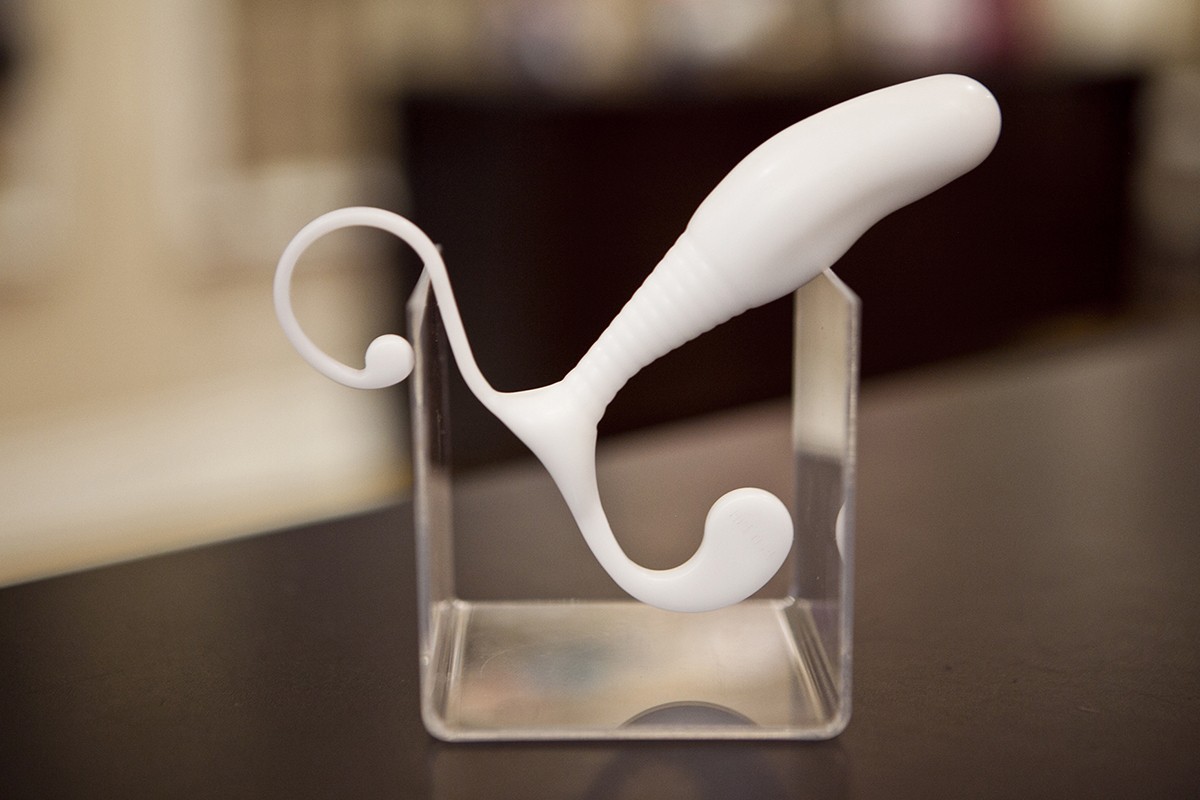
Haughney also recommended The Ultimate Guide to Prostate Pleasure ($17.95) by Charlie Glickman and Aislinn Emirzian. This incredibly earnest book explores prostate play for both men and women, explaining things like what to do when “shit happens” (it’s actually quite rare, they say), and debunks myths about whether it’s a “gay” or “effeminate” type of play. As the authors write in the introduction, “The prostate is part of your sex equipment and can be a source of great pleasure — whether you’re doing this with a woman, with a man, or by yourself.” To help you out, Haughney endorsed the MGX Prostate Massager by Aneros ($50). Made of medical grade plastic, the slender device is little wider than a finger’s-width and sports a sleek, frictionless design in its girthiest sections while handles at the base make for easy insertion and extraction. Just make sure to use plenty of lube, Haughney said.
If you’re having trouble deciding, Feelmore’s grab-bag may be the option for you. The $20 box is pre-stuffed with staff picks. On a recent visit to the store, one of the boxes included a Marc Dorcel Mini Lover vibrator, an Eco Femme washable cloth pad, and a bumper sticker.
Looking for Something New?
Released in July this year, TheWomanizer ($189) — I know, terrible name — is already outselling the Magic Wand Personal Massager ($124 for the cordless version), which Haughney said has been the store’s staple and bestseller for thirty years. Think about that for a minute — thirty years. The Womanizer is not really a vibrator — it’s a “rechargeable clitoral stimulator” with a small circular suction tip. It’s pretty gaudy: The intensity levels are controlled by a large plastic gem in the middle (like, really?) and yes, it is pricey. But where it fails in cost and appearance, it compensates in effectiveness. Both Haughney and Joiner swear by it.
For folks who wear their genitals on the outside, Tenga makes a variety of products at a range of price points — from the $11 Egg to the $113 Tenga Flip — all of which essentially use spongy, ribbed material on the inside for extra stimulation. Unlike Fleshlights, which are designed to look like a person’s mouth, anus, or vagina, Tenga’s look a bit like hair or body wash products. The Egg, which is literally egg-shaped, looks completely innocuous to those not in the know. Though small in size, it stretches a full ten inches and can be used alone or with a partner.
Good Vibrations store manager Yvette Haughney suggests pairing The Sex & Pleasure Book with the Gyrating Pleasing Flutter Vibe and lubricant.
Credits: Erin Baldassari
For Submission, Domination, and Rougher Play
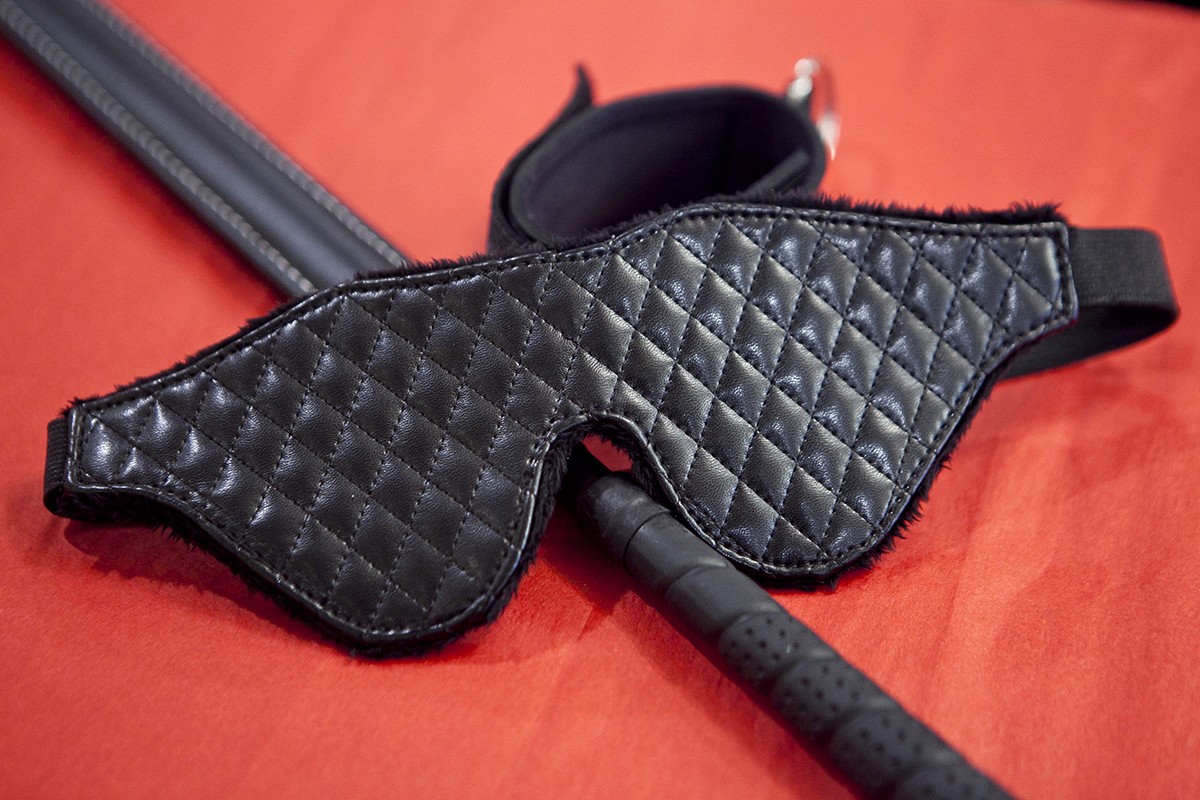
If you’re looking for handcuffs, there’s perhaps nothing more appropriately themed for the East Bay than the OPD Special ($16.29). That’s right. Joiner said these plastic zip ties are the very same model Oakland police officers use to strap down protestors. But at least in this way, they’re being put to a more constructive use. Haughney also recommended Sportsheets’ Sports Cuffs Restraint Set ($24), which are flexible, soft, and fastened with Velcro, making for a quick and easy release in this earthquake-prone area.
The same company makes the Edge Hard Limits Crop, a rather long and somewhat unwieldy spanking device that looks more intimidating than it feels, which can be great for extended role playing. Haughney said it produces more of a “thud” sensation than a stinging one.
And if you want your submissive or slave to move about the room, apartment, or house, Joiner suggested the Story of O PVC Collar ($55). Forming a U-shape, the one-and-a-quarter-inch wide, soft PVC material makes for comfortable control, and the collar can be adjusted to fit a range of neck sizes.
The MGX Prostate Massager by Aneros.
Credits: Erin Baldassari
For the Collector
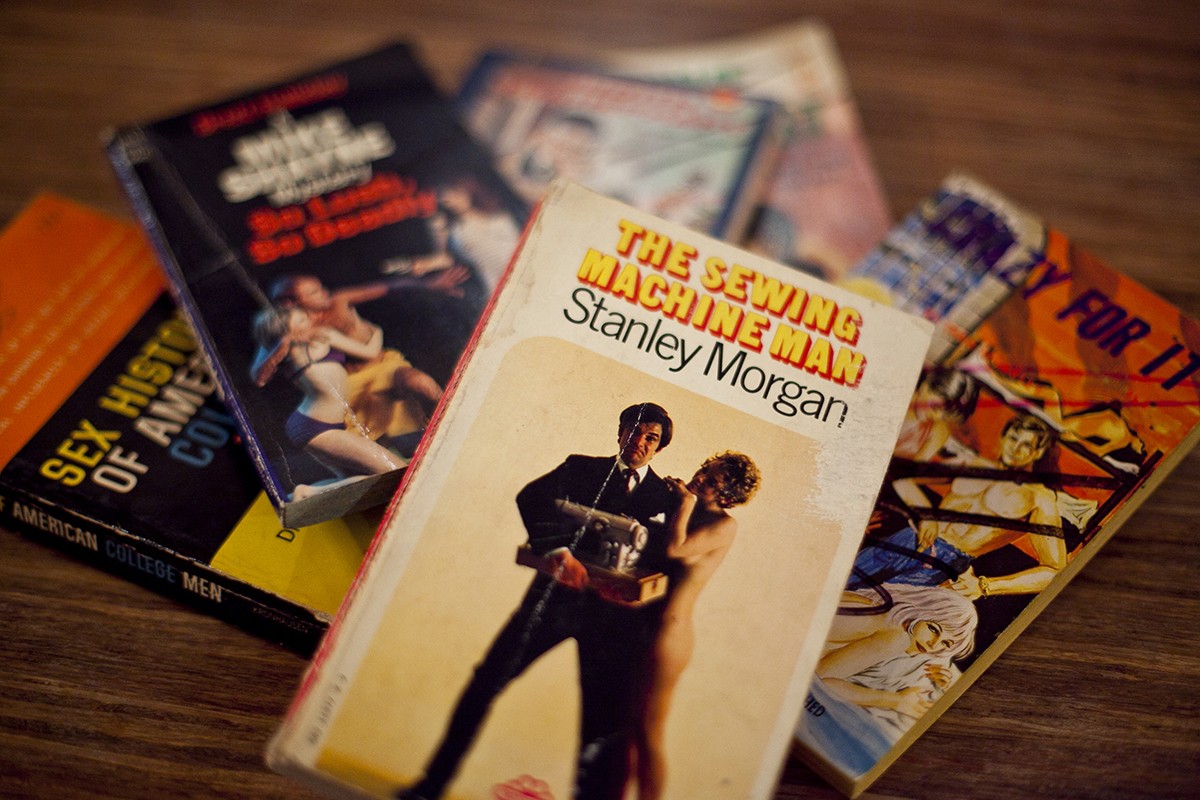
Feelmore offers a wide array of vintage Playboy magazines, pulp fiction classics, anti-STD propaganda posters from WWII, and more. Joiner showed off some 1950s era Physique Pictorial “hand books” (aka handjob books) complete with ripped men flashing bulging muscles and bare chests on the front covers. Joiner also has a collection of Bodyguard and Leather & Lace erotic comic books to flesh out your collector’s library.
For all of those items, plus answers to your questions and more suggestions, visit Feelmore at 1703 Telegraph Ave. , Oakland, or Good Vibes at 3219 Lakeshore Ave., Oakland or 2504 San Pablo Ave., Berkeley.
I met Eli Horowitz in a charming cafe in San Francisco’s Mission district, where he’s lived for nearly eleven years. Out of guilt, I immediately admitted that I had used the cheat embedded in his and Russell Quinn’s newly released serialized story app, The Pickle Index, to consume the entire ten-day reading experience in one day. He chuckled and said, “I actually know that.”
Apparently, I was the first person to use the semi-secret feature, and the app had sent Horowitz an email notifying him not only that someone had figured it out, but that I, specifically, had figured it out. At first, I was alarmed — in an automatic, anti-surveillance kind of way. But Horowitz didn’t look like a malicious data voyeur (whatever those look like). Rather, behind his silver MacBook, he looked like a harmless artist, earnest in his overgrown beard and paint-covered hoodie.
Horowitz is accustomed to being met with technophobia. But the skepticism toward the tech industry and all of its consequences, which pervades contemporary Bay Area culture, is something to which he relates. After all, he served ten years as an editor and publisher at McSweeney’s — a San Francisco-based press known nationally for its indulgently nostalgic products of the paper form.
But while there, Horowitz also cultivated an interest in experimenting with presentation platforms, thinking about how to push the boundaries of storytelling by riffing on medium. His fascination with digital platforms is just an extension of that. “None of this stuff appeals to me because of the technology,” said Horowitz. “It’s not like I’m excited about phones. It’s just this thing that has certain possibilities that just open it up.”
Horowitz’ first serious foray into digital storytelling was The Silent History, a serialized novel released in daily segments via an app over the course of six months beginning in 2012. The award-winning novel also featured GPS-triggered portions that could only be unlocked at certain locations in San Francisco, where the story was set.
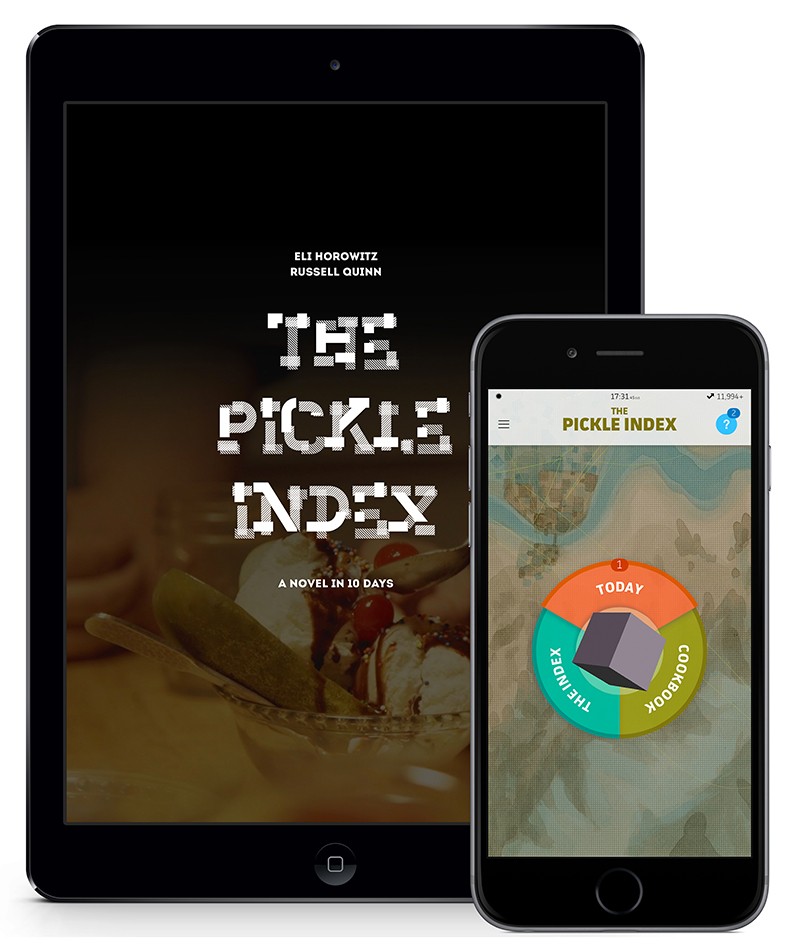
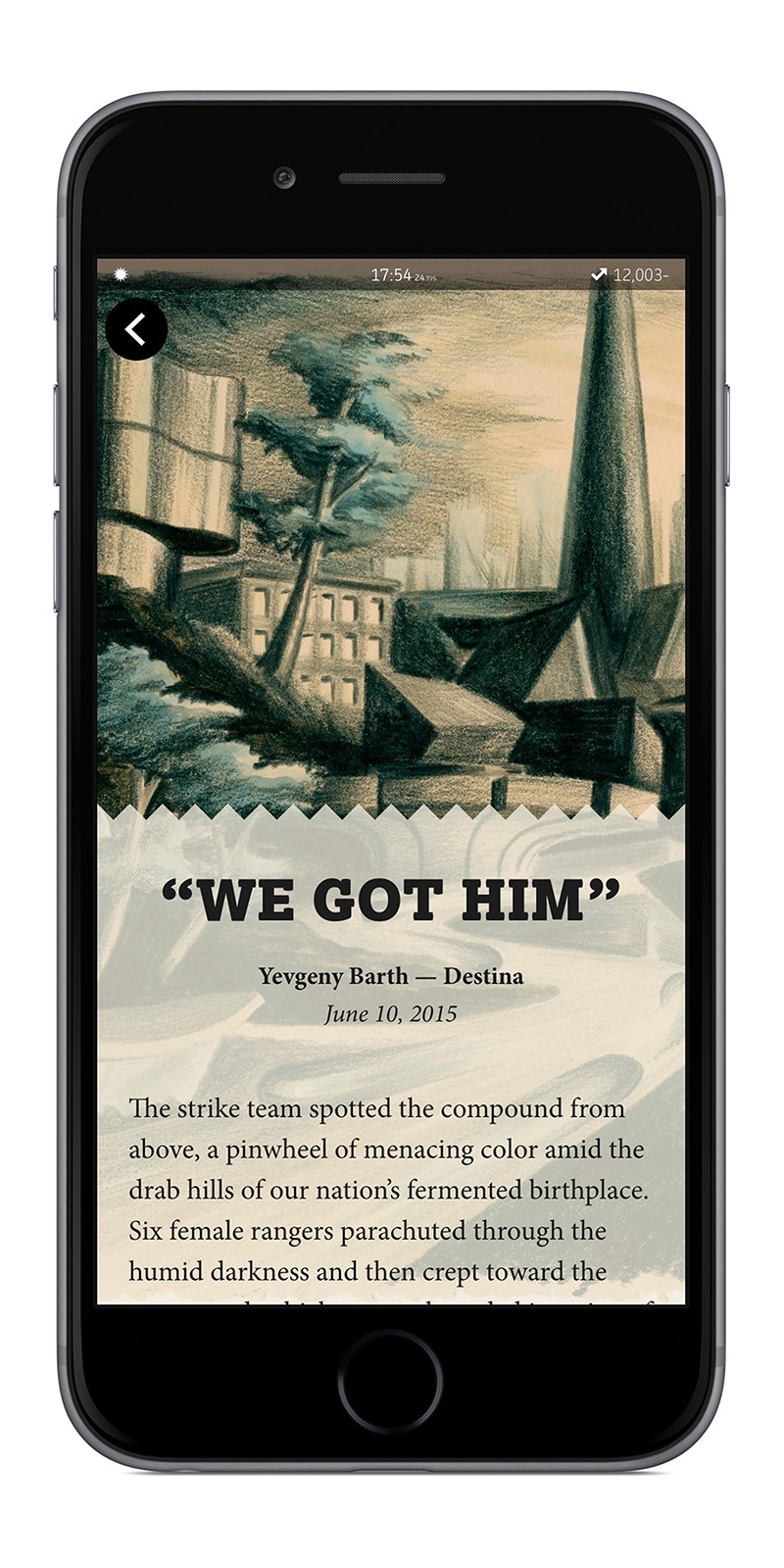
The Pickle Index is Horowitz’ shorter, more digitally interactive follow-up made in collaboration with programmer Russell Quinn. It’s set in a dystopian world where most of the population is forced to subsist off of pickles because fresh food is too scarce. To keep up morale, the government mandates that citizens consistently contribute inventive pickle recipes to “The Pickle Index,” a national, crowd-sourced database accessed through handheld devices called “scrollers.” The story follows a comically incapable circus troupe as its members attempt to rescue their ringmaster, who’s been imprisoned by the government. The $5 app has two primary narrative sources: daily, government-sponsored news updates, and diary entries from a circus member covertly written into recipes that the reader must retrieve from other citizens through the Index, which is visualized as a map — not unlike the Uber interface. Every day, for ten days, the reader receives one news report and is able to retrieve one new diary entry.
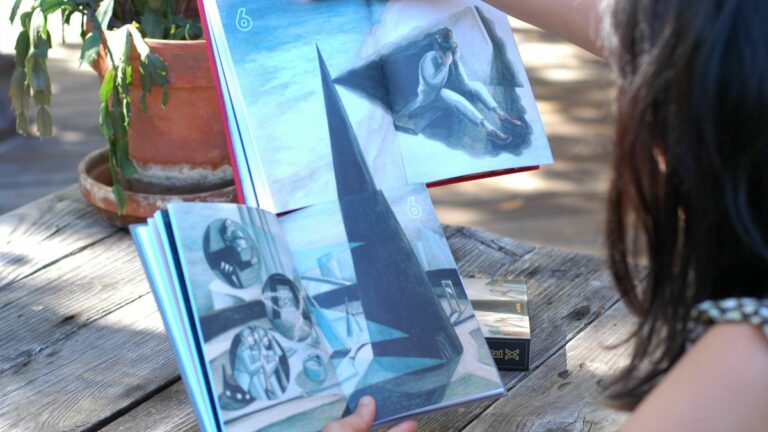
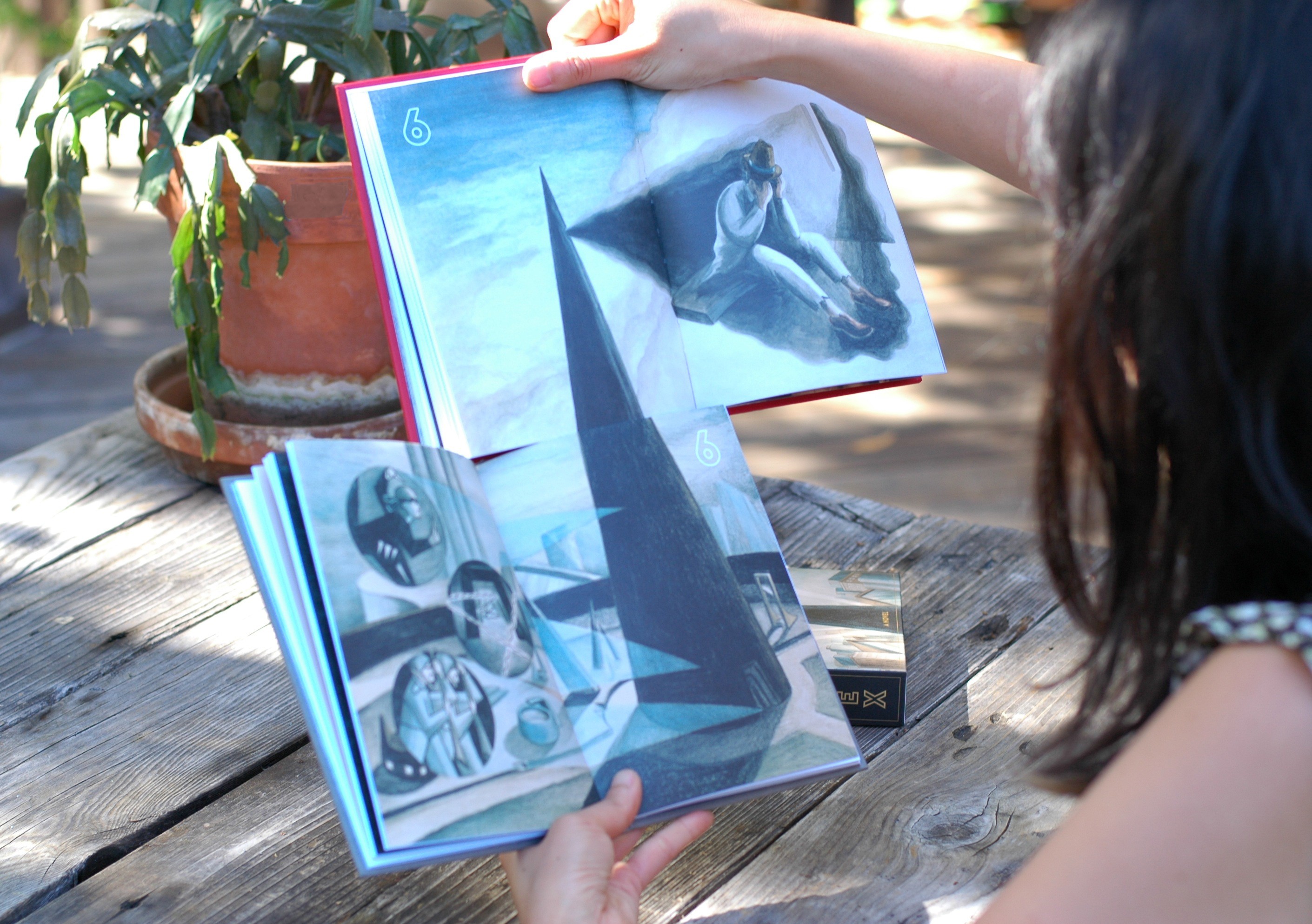
The Pickle Index also comes in analog form. Specifically, it can be read by alternating between two hard cover books (one with news updates, one with “recipes”). In both books, each daily segment opens with a retro-futurist illustration by Ian Huebert, which fits together with the illustration for its correlating chapter in the other book, like a puzzle piece.
Horowitz planned for the project to be published in both mediums from the beginning, and that’s crucial because it means that neither form was an afterthought. Rather than adapting digital content for print or vice versa, Horowitz and Quinn developed the two versions alongside each other, letting each learn from its counterpart. With both, they explore the relationship between interactivity and immersion, attempting to locate the sweet spot between narrative and game. While both versions evoke a similar sense of engagement as a game might, Horowitz was careful not to shift the focus away from the story. Rather, by delaying the reading process through serialization and required retrieval, he hopes to heighten the reader’s investment in the narrative.
In the mid-Nineties, when hyper-text fiction came on the scene, there was a bubble of excitement surrounding interactive, digital storytelling. It appeared as if modes of reading and writing were poised for radical transformation. But it pretty quickly became clear that the medium couldn’t capture attention the way many hoped it would, possibly because the kind of reading engagement it required was still too foreign. Now, reading novels digitally primarily means reading an e-book. With the technology we carry in our hands today, however, there’s almost overwhelming potential for new modes of storytelling that is barely being explored (outside the realm of indie video games), partly because a lot of the literary world would rather not play with fire at a time when the extinction of books appears to be an actual threat.
While Horowitz is aware of all that, it doesn’t dampen his eagerness for experimentation.
And he seems unfazed by the scarcity of successful precedents for this type of work. He likened designing the app with Quinn to building a cabin as a non-carpenter — putting pieces together and seeing if they fit. (That’s a real hobby of his). But that puzzle mentality is also likely the source of the book’s biggest downfall: The characters and storyline — while consistently amusing — are ultimately formulaic and lacking depth. It’s exciting to see the plot perfectly unfold as the blueprint behind the narrative is slowly revealed, but it’s a familiar blueprint from the start.
What’s most interesting about The Pickle Index is the sly critiques of tech culture that Horowitz appears to have planted in the story only half-consciously. In the novel’s fictional world, citizens get social media-like “citizen quotient” scores for using their “scrollers” on a regular basis — devices that are clearly fascist tools for keeping the population fooled and obedient. And when people are executed, the spectacular slaughtering methods are determined by crowdsourcing citizens’ suggestions — which all immediately become the intellectual property of the government once submitted.
But ultimately, Horowitz’ story maintains an underlying optimism about the democratic — even revolutionary — potential provided by technology. He began laying it out during the Arab Spring and was inspired by the use of Twitter as a tool for disseminating firsthand accounts of the uprising. Embedded in the platform of two storytelling sources, there’s an obvious critique of the omniscient government-sponsored media source, whose reporting gradually decreases in objectivity, yet, the recipe network offers an opportunity for citizens to communicate directly.
Throughout our conversation, Horowitz grilled me on my experience with the app. He asked why I was drawn to interact with it in certain ways, and how certain aspects made me feel. He’s interested, most of all, in the affective qualities of the experience. And although the prose isn’t stunning, the experience as a whole feels exciting. It’s even captivating enough to binge read in one day. Although you’ll have to be okay with Horowitz knowing.
When the organizers behind Catchlight, a Berkeley-based nonprofit dedicated to documentary photography and visual storytelling, were deciding on the focus for their first gallery exhibit, there was little debate. They agreed that it should track the changes occurring across the Bay Area as a result of the enormous wealth flowing into the region. "It's...
A couple of months ago, I got candida (a fungal infection) under my foreskin. I went to the doctor, picked up some cream, and used the cream as directed. The infection went away for about a week and then returned. I got this idea that maybe the cream didn't work the first time because it's so naturally moist under...
Between the World and Me By Ta-Nehisi Coates $24
Written in the style of a letter to his teenage son, Ta-Nehisi Coates' book Between the World and Me states an awful truth: "Here is what I would like for you to know: In America, it is traditional to destroy the black body — it is heritage."...
These days, it's not uncommon during the holidays to find every member of your family staring at their iPhones and iPads for hours on end — instead of spending quality time with each other. One easy way to bring people together and force your relatives to actually enjoy each other's company is to whip out some old-fashioned board...
New boutiques are constantly sprouting up in the East Bay, and each is curated with a specific taste. Here's a guide to some of our favorite little, local shops — some new and some not so new — and who you should shop for at them.
...
Although it's an annual struggle to find the right holiday gifts for human friends and relatives, it can be especially hard to find the perfect present for your beloved pet. Who knows what kind of gift your cat, dog, or reptile will truly like? Based on the advice of a number of local experts, we've compiled some...
At the new luxury hotel on the corner of 4th and Fallon streets in Oakland's Jack London district, guests can get coconut oil hair treatments, order room service, or watch the latest episode of Keeping Up with The Kardashians on flatscreen televisions. The hotel also has an indoor pool and large rooms with skylights where guests can...
There's a strong case to be made that the East Bay is as good a place to eat and drink as anywhere in the country. It should come as no surprise, then, that it's also home to a treasure trove of food gifts. Here are some of my...
Selecting a sex product for someone is no easy task. With the vast variety of toys, accessories, books, and pop culture collectables — not to mention personal preferences that may or may not be shared openly — it can be easy to unintentionally offend. It's even more difficult in the East Bay, where conscientious...
I met Eli Horowitz in a charming cafe in San Francisco's Mission district, where he's lived for nearly eleven years. Out of guilt, I immediately admitted that I had used the cheat embedded in his and Russell Quinn's newly released serialized story app, The Pickle Index, to consume...