

This Weekend’s Top Five Events

That feeling when you look up from your desk and realize it’s already the weekend. 
Haven’t made plans? Have no fear. We’re here to help: 

Foster Body, Little Sister, and Blank Square
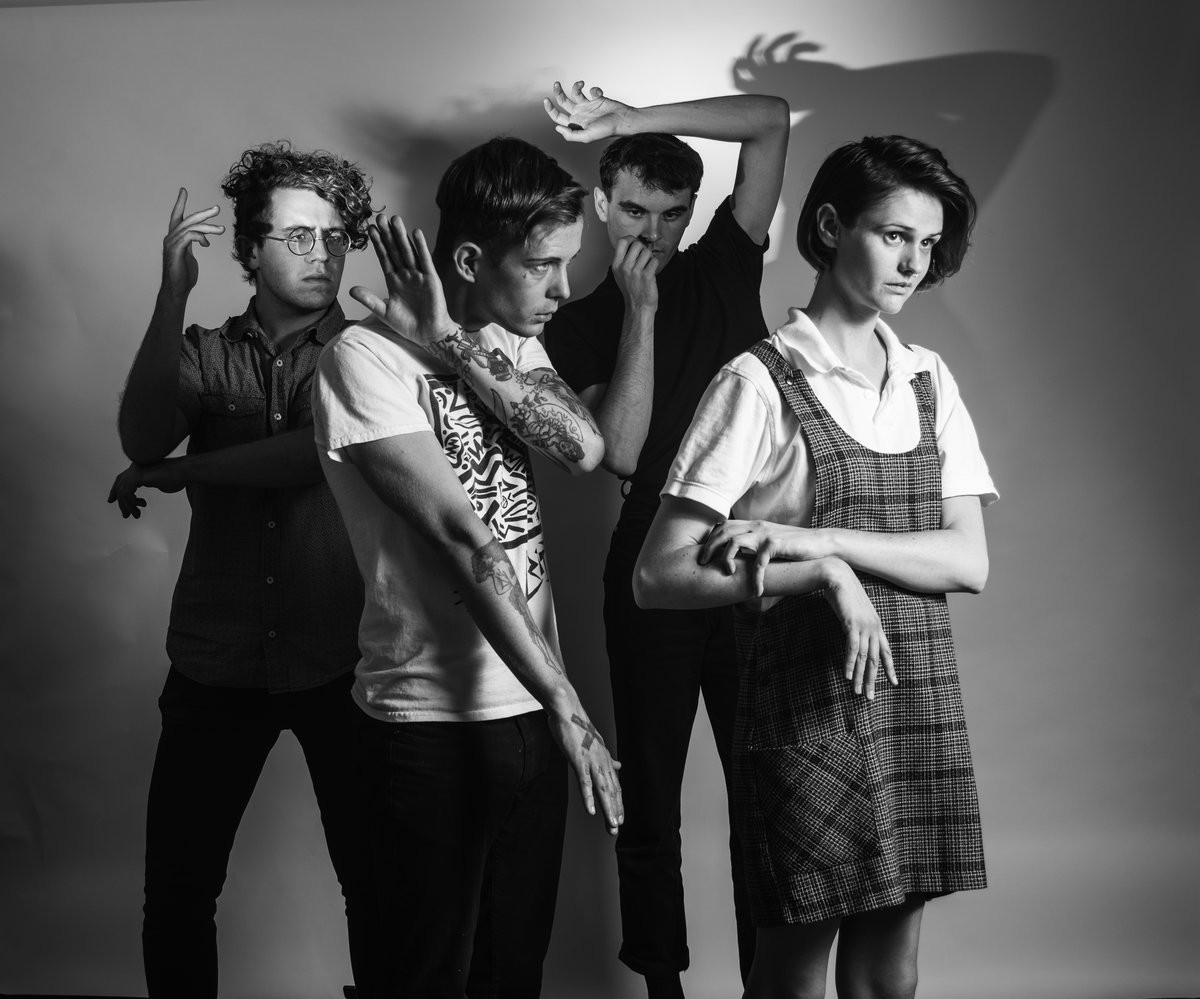
Notaflof Collective Community Salon & Artspace is a new venue, community center, and hair salon whose name stands for “no one turned away for lack of funds.” Like the acronym suggests, the new space has an unconventional, somewhat anti-capitalist business model that enables it to provide services on a donation basis. So far, Notaflof has held many events that promote radical inclusivity — such as its recent clothing swap and donation-based manicure day, both of which were specifically for queer and trans people. The venue also offers affordable tailoring and haircuts, and throws shows on a regular basis. Its next event on April 9 features Utah punk band Foster Body, whose punchy guitar riffs and campy, call-and-response vocals evoke Talking Heads and Devo. Little Sister, a garage pop trio from Union City, and San Francisco noise outfit Blank Square join Foster Body on the lineup.— Nastia Voynovskaya
Sat., April 9, 7 p.m. $5–$10. Facebook.com/Notaflof


[jump]
Kreayshawn & Friends
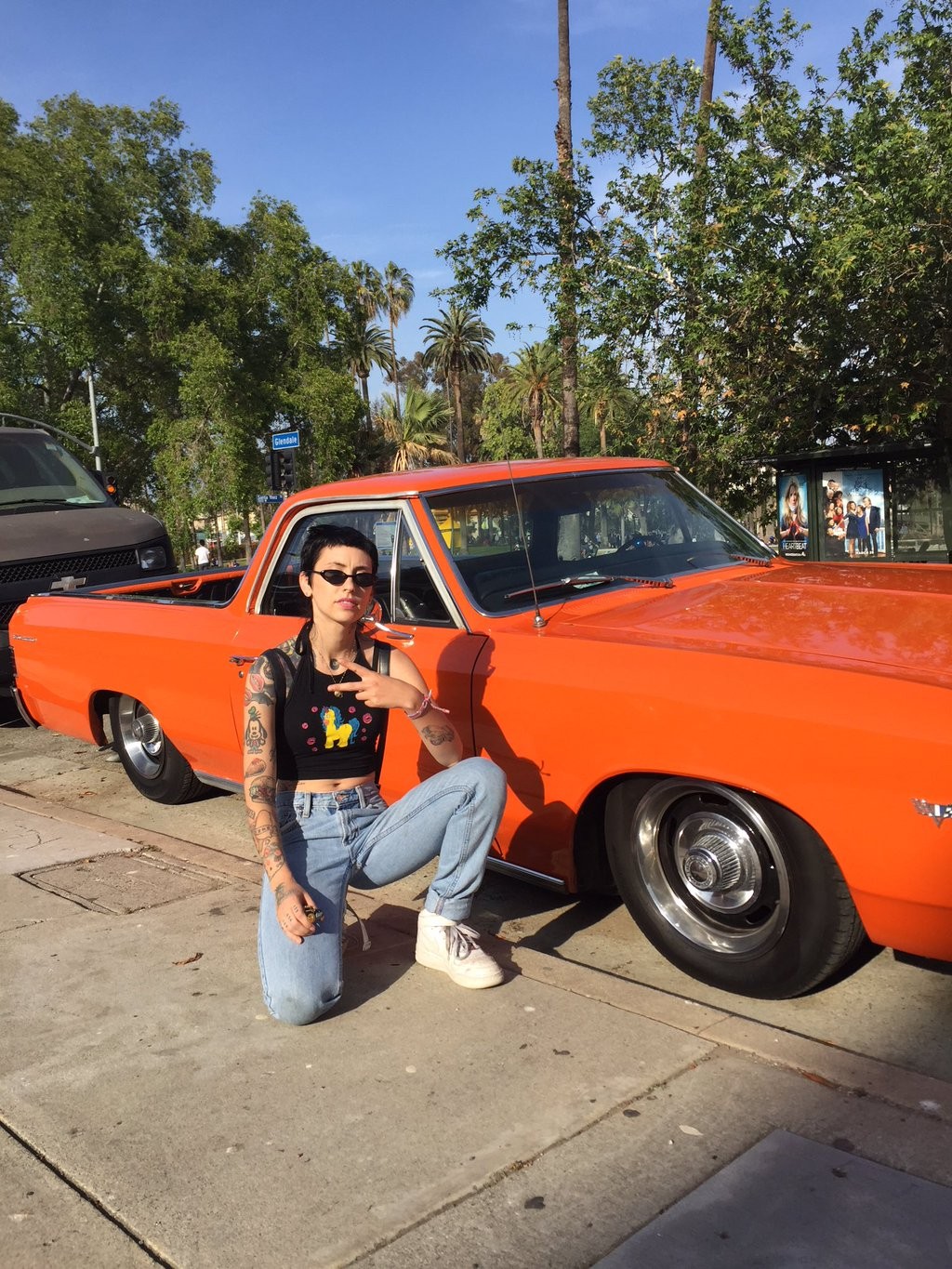
Even though Kreayshawn never followed up the success of her 2012 hit “Gucci Gucci” and her rap career didn’t quite pan out, the mixes on her Mixcloud page attest to her creativity and skills as a DJ. She curates eclectic selections of house and Jersey club beats, 8-bit, rap, juke, footwork, and more, and her hyperactive sets typically include seizure-inducing BPMs and artfully chopped-up samples. Kreayshawn returns to Oakland to spin at Starline Social Club for Wine & Bowties’ latest party, A Night at the Starline with Kreayshawn & Friends. Brontez Purnell — a dancer, author, and the bandleader of punk trio Younger Lovers — and local DJs Neto, Namaste Shawty, and Julia Lewis will be performing, as well. Expect a sweaty night of dancing to new and obscure rap and club music subgenres with some Top 40 thrown into the mix.— N. V.
Sat., April 9, 9 p.m. $10, $15. WineAndBowties.com


COOK! Pop-Up
If you think it’s a good thing for kids to know their way around a kitchen, here’s an event you should support — especially if you think those types of skills shouldn’t only be accessible to the rich. For the past seven summers, COOK! has been hosting cooking camps out of the Paulding & Company commercial kitchen (1410 D 62nd St., Emeryville) — helping kids to master such skills as chopping an onion and being able to prepare a simple (or not-so-simple) meal for themselves. This fundraising dinner will showcase hors d’oeuvres and a buffet spread prepared by some of these pre-teen chefs, as well as a cash bar provided by Periscope Cellars winery. Proceeds will go toward scholarships that will allow lower-income families to send their kids to COOK! camps this summer.— Luke Tsai
Sat., April 9, 6-9 p.m. $35/sliding scale. PaulingAndCo.com


Soulovely
Bay Area DJs Lady Ryan and Emancipacion and rapper, singer, and party host Aima the Dreamer came together in 2011 to throw the first edition of their day party, Soulovely. Over the years, the seasonal event has grown hugely popular, and its 2016 edition kicks off on April 10 and will continue through the summer on every second Sunday. Soulovely takes place in The New Parish’s patio and draws a diverse, intergenerational crowd of party-goers eager to enjoy the warm weather and some drinks and dancing to Lady Ryan and Emancipacion’s soulful selections of hip-hop and R&B throwbacks, house, Afrobeat, and various other genres. While the party isn’t officially advertised as a queer party, the three organizers’ involvement in the local queer scene has attracted a large LGBTQ following, though allies are also welcome.— N. V.
Sun., April 10, 3 p.m. $6. TheNewParish.com


Indie Week at the New Parkway 
From April 8–14, the New Parkway Theater (474 24th St., Oakland) is holding its first ever Indie Week — seven days dedicated to highlighting movies that are typically difficult to find screenings for in large movie theaters. The line up includes everything from indie cult classics (such as The Blair Witch Project) to recent releases that have only seen narrow distribution (such as Mountains May Depart). The schedule also includes a few locally-made films, such as the buzzed-about 2013 feature Licks, which tells the story of a young Oaklander who returns home after serving two years in prison for a botched robbery. Licks will be showing on the opening night of Indie Week, followed by a Q&A session with the filmmakers. And on Wednesday of Indie Week, The New Parkway’s Karma Cinema program will be in effect, meaning that all screenings will be pay-what-you-want, and 20% of ticket sales will go to its nonprofit partner Planting Justice. If that isn’t enough low-budget cinema for you, the Oakland International Film Festival takes place April 5–9, with screenings at various venues around the city (OIFF.org). — Sarah Burke
April 8–14. $8. TheNewParkway.com for times.

If your pockets are feelin’ light and you’re still yearning for more suggestions, we’ve got a ton, and these ones are all FREE! We’re Hungry: Got any East Bay news, events, video, or miscellany we should know about? Feed us at Sa*********@************ss.com.

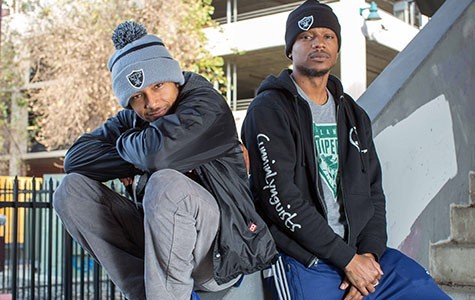
Los Rakas to Perform at the White House

Los Rakas have come far since members Raka Rich (Ricardo Gilliam) and Raka Dun (Abdull Domínguez) began releasing their earliest mixtapes back in the mid-2000s. Now, the Oakland-based Panamanian hip-hop duo is going even further–literally–by bringing their “PanaBay” sound to the White House to perform in the first ever Brioxy White House Summit for Innovators of Color

[jump] The summit, which will take place Friday, April 29 through Monday, May 2, is intended to build opportunity for young innovators of color through a series of strategy and one-on-one coaching sessions, performances, and main-stage events on immigration reform, Black Girl Magic and the movement for Black lives, food justice, and more. 

Los Rakas hit number one on the Latin music charts after dropping El Negrito Dun Dun & Ricardo, and the duo has since continued to garner the fandom of Spanish- and English-speaking hip-hop heads alike. The group’s announcement of the Brioxy invitation comes shortly after the the release of Los Rakas’ latest music video for “Raka Party,” along with news of an upcoming album release slated for later this spring.

[embed-2]
[embed-1]
To catch the rap duo before their White House debut, check out Raka Party at The New Parish (1743 San Pablo Ave., Oakland) on Friday, April 8. 

2016’s Pot Legalization Efforts Are ‘Dangerously Overextended’

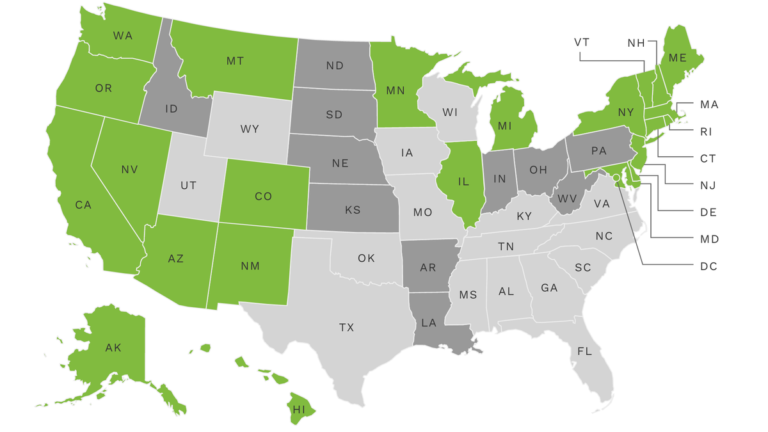
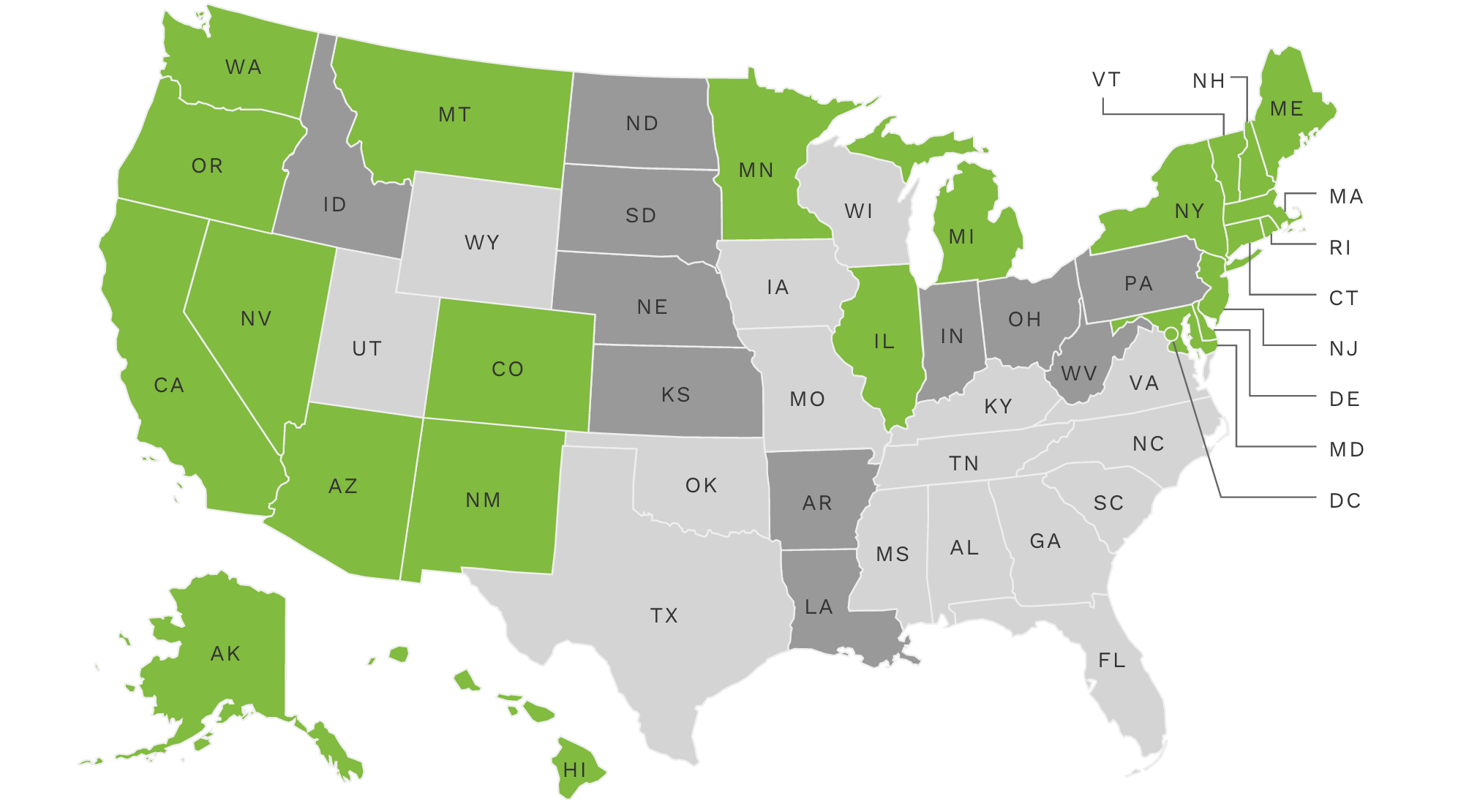
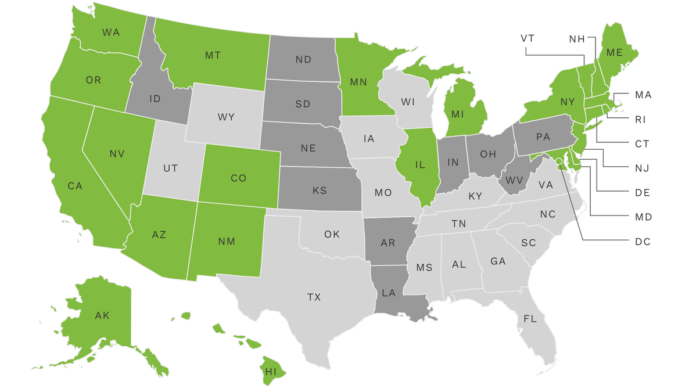
Up to 96 million Americans could live in states that legalized medical marijuana or recreational cannabis this November — but that’s not going to happen if supporters, allies and industry don’t pitch in, experts warned Wednesday.

Marijuana law reform efforts in California, Nevada, Arizona, Massachusetts, Maine, Florida, Arkansas, Missouri and Ohio in 2016 are “dangerously over-extended,” said Ellen Flenniken, of the Drug Policy Alliance in a webinar Wednesday. “This is what keeps me up at night.”

A string of 2016 losses “could debilitate us for years,” said Drug Policy Alliance’s Tamar Todd, in the webinar titled “DPA: California’s path to legalizing cannabis.” The webinar was hosted by the pot tech company MJ Freeway.


[jump] For California, DPA confirmed the Adult Use of Marijuana Act will gather enough signatures to put the measure on the November ballot. But as the signature deadline looms, AUMA’s proponents are slowing the effort to save money for election advertising and other costs, they said.

Drug Policy Alliance, Marijuana Policy Project, and wealthy individuals have donated $3 million for California legalization. It could cost $10 million to run a campaign without opposition, and much more if significant opposition emerges.

AUMA’s public opposition includes the drug war establishment (cops, prisons, the rehab industry, and some parent groups), as well a few pro-marijuana activists.

Meanwhile, the national cannabis industry itself has donated only $25,000 to DPA’s legalization efforts, Todd said. This is in spite of the fact that California medical pot industry alone does an estimated $1.4 billion dollars per year in sales. 

About 20,000 Californians will be arrested for pot this year, a disproportionate number of them young, male and black, experts state.

“California is pivotal” to the nation and the world,  Flenniken said. “A win in California would provide political cover to demand the attention of the new President and Congress and bolster efforts around federal legislation to continue rolling back prohibition.”

The United States has five percent of the world’s population but 25 percent of its prisoners. US law enforcement agencies make 1.5 million drug arrests each year, about half for pot, and blacks are anywhere from two to ten times as likely to be arrested for weed (depending on the jurisdiction) despite similar usage rates as whites. America is “addicted to mass incarceration,” she said.

Over in Nevada, pot legalization is polling strong, but DPA worries about billionaire prohibition supporter Sheldon Adelson, who lives in Nevada. Adelson could kill legalization with a single donation. “If he was wants to defeat the measure, he has unlimited funding to do so. Time will tell,” Flenniken said.

Ditto in Florida, where Adelson already denied medical marijuana to the majority of Floridians in the last election cycle by funding an opposition campaign. He could easily do so again in 2016. “We really, really hope he will abstain this cycle,” Flenniken said.

Legalization in Arizona is like Nevada, with “decent” voter support, but low funding. The prospects of a victory are teetering on the whim of another wealthy prohibitionist, Arizona Diamondbacks owner Ken Kendrick, who could defeat the measure by signing one big check. Kendrick’s wife is already cutting checks to prohibition supporters there.

Over in Missouri, voters generally support medical marijuana, but the [2016] campaign is running out of money as the final May 8 deadline approaches to file enough signatures with the state. DPA donated $125,000 in Missouri. “please donate and help them cross the finish line,” Flenniken said.

Overall, the total cost for victory in every legalization and medical state this election cycle could total $40 – $50 million, DPA said. Past legalization efforts have cost about $1 per voter, and spending at that rate alone would cost reformers $57 million this year.

Even if DPA and MPP spent everything they had and closed their offices, “we’re not even halfway to the most conservative estimates,” Todd said. “To pull off this groundbreaking victory in November, we need your help.”

This week, iconic travel writer Rick Steves came out in favor of AUMA, joining Lieutenant Governor Gavin Newsom, the California Medical Association, NORML, and several environmental groups. Steves wrote on NORML’s blog:

“I’ve worked hard to help legalize, tax, and regulate marijuana for adult recreational use in Washington State (where I live) and in Oregon. I was proud of these laws; they won because they were what I consider ‘public safety’ laws — rather than ‘pro-pot’ laws — and our communities are thankful they passed. California is voting on an even smarter law this November and when this passes, I believe the country will follow and our federal government’s long and stubborn war on marijuana will be history. California is critical in the battle to end the wrong-minded prohibition of our age.”
Meanwhile popular radio celebrity Adam Corolla predicted March 18 that California will not legalize cannabis in 2016, because despite the state’s liberal reputation, it’s an over-regulated nanny state.

“On one hand we have this stupid reputation for it being like, ‘Come out and do your thing,'” said Corolla. “On the other we have more rules and regulations than any place in the world. It’s not as footloose and fancy-free as you think.”

Marijuana Could Lose Its Federal ‘Most Dangerous Drug’ Status By June

Marijuana could shed its federal designation as one the world’s most dangerous drugs as early as this summer, a new memo has revealed.

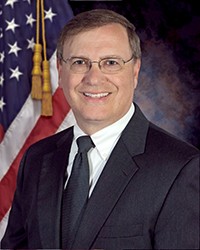
Currently marijuana is considered a Schedule I drug, lumped with heroin and cocaine as having no accepted medical use, and a high potential for abuse. The US Drug Enforcement Administration could decide to change marijuana’s status “in the first half of 2016,” according to a memo the DEA sent to lawmakers today.

Downgrading pot from Schedule I — where it’s been since 1970 — to a lower level could allow for easier medical research on cannabis. Many close observers of the DEA don’t expect the administration to fully de-schedule cannabis, however, because its leadership remains hostile to marijuana. The DEA’s chief Chuck Rosenberg called medical marijuana a “joke” in 2015. As a result of his comment, more than 150,000 people have signed a petition to fire Rosenberg.

[jump]
Still, the memo shows that the DEA is under growing pressure from lawmakers to adjust cannabis’ Schedule I status, which is widely derided by doctors and scientists.

In 2012, former DEA chief Michele Leonhart was grilled on the floor of the US House of Representatives for failing to state whether marijuana was as dangerous or more dangerous than heroin.

According to the DEA’s drug scheduling system, prescription opioids are currently safer than marijuana. Marijuana, however, has no lethal overdose amount, while prescription opioid overdoses are a nationwide epidemic. For example, the DEA has an emergency opioid bulletin out right now in Northern California which shows that counterfeit Vicodin (Fentanyl) has killed nine people and hospitalized 42 more.

The pot scheduling memo also shows the DEA is under pressure to end its monopoly over the country’s supply of research marijuana. Reports state just nine researchers per year are able to access the federal research crop — which is a weak and stale strain of marijuana. Uncle Sam’s stash is, at-most, half as potent as California’s store-bought varieties, the memo reveals.

Congress, the US Attorney General or the President could also change cannabis’ scheduling. President Obama has said he’d “probably” sign a de-scheduling bill, but the CARERS Act faces a lame duck Congress which appears unwilling to govern in an election season.

No New Bus Service Planned for Hayward Courthouse, Despite Controversial Move

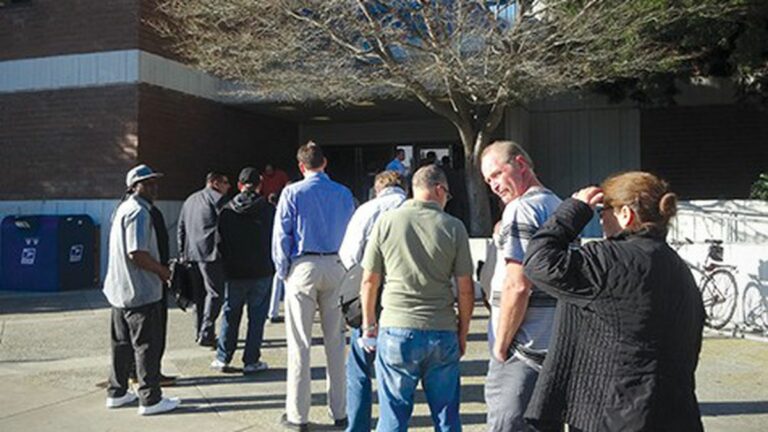
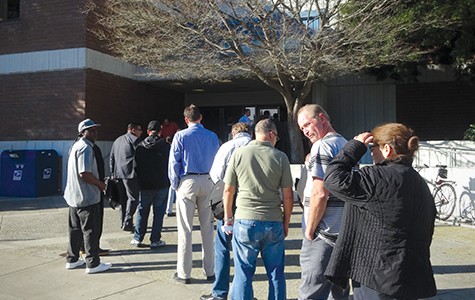
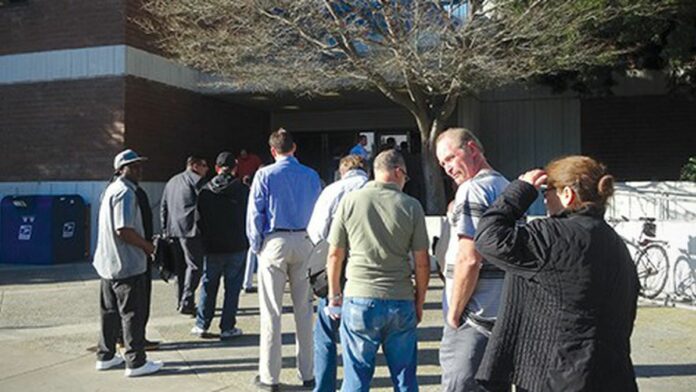
According to records obtained by the Express through a Public Records Act request, there is no plan to establish a new shuttle service, or extend existing bus services to connect the Hayward BART station with the Hayward Hall of Justice — despite the fact that the Alameda County Superior Court has proceeded with a controversial plan to consolidate court operations by closing its self-help center located in Oakland’s Rene C. Davidson Courthouse, just blocks from BART’s Lake Merritt Station, and re-locating hearings for all eviction lawsuits to Hayward.

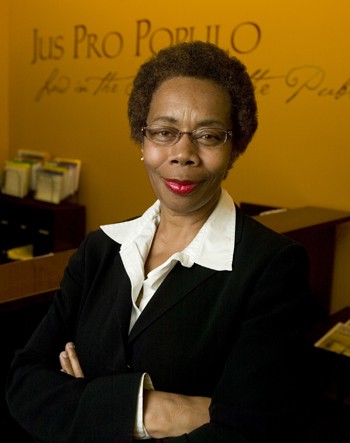
The court’s consolidation plan, which went into effect on April 4, has drawn criticism from Oakland City Attorney Barbara Parker, the City of Berkeley’s Rent Board, and numerous legal advocates who say it disproportionately harms low-income people by making the court geographically inaccessible.

See also: Tenant Advocates Decry Court Move.

[jump]
In a December 30 letter to Presiding Judge Morris Jacobson, Parker wrote that “the relocation of these critical court functions to Hayward will severely and disproportionately impact the more vulnerable populations of our county.” Parker requested that eviction cases continue to be heard in Oakland because many of the county’s low-income renters live in Oakland and Berkeley.

Parker also objected to closure of the self-help center in Oakland’s Rene C. Davidson Courthouse. The self-help center assists people in understanding and navigating the court system and is used by many people who can’t afford to hire an attorney. “Having only one self-help center in a location that is not easily accessible by public transportation will limit its use by the very people who need these services,” wrote Parker.

Parker also recently sent an appeal to Governor Jerry Brown asking for his help. In a March 28 letter to Brown, Parker asked that he contact the court system to request that eviction cases not be relocated solely to the Hayward courthouse, and that the Oakland self-help center remain open.

“The Court’s decision was not widely publicized to allow adequate opportunities for public input, and it will make it more difficult for low-income Alameda County residents to have equal access to justice.

We would sincerely appreciate any help that your Office can provide to ensure equal access to courts for low-income Alameda County residents, including but not limited to sending a letter to the Court supporting Oakland’s request.”

In response to these criticisms, Presiding Judge Morris Jacobsen said that the court has been working with AC Transit to set up a free or subsidized shuttle service that would transport people from Hayward’s BART station to the courthouse, which is over one mile away.

But Anne Fudge, executive coordinator within AC Transit’s office of general counsel, told the Express that “to date, the [AC Transit] does not have records of any plans for new shuttle or buse services or expanded shuttle or bus service to the Hayward Hall of Justice.”

In response to a records request, AC Transit provided the Express with eighteen pages of emails sent between Chad Finke, the court’s executive officer, and AC Transit officials back in February and March. The emails show that court and AC Transit officials communicated about a possible new or expanded bus service to the Hayward Hall of Justice, but that ultimately there is no plan in place.

Instead, AC Transit’s director of service development and planning, Robert del Rosario, wrote in an email to Finke that AC Transit would work with the court to advertise AC Transit’s existing services to court patrons.

Del Rosario did write in a separate email that AC Transit has been planning for a while now to increase the frequency of two existing bus routes that connect from BART’s Hayward Station and the South Hayward Station. But these plans were in place before the court consolidation plan was announced.

Representatives of the Alameda County Superior Court did not respond to an email seeking comment for this story.

Alameda County Stalls on Proposed Fracking Ban

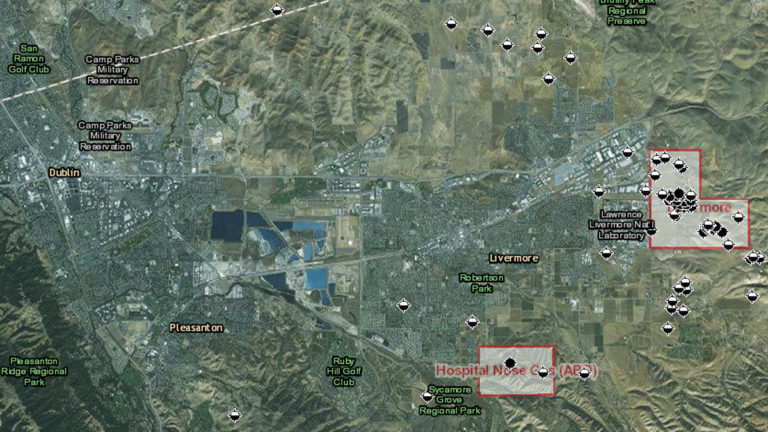
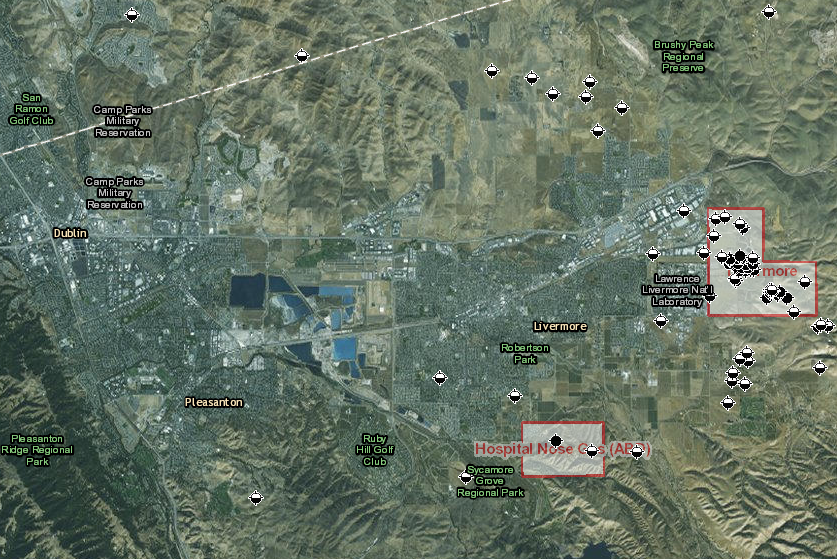
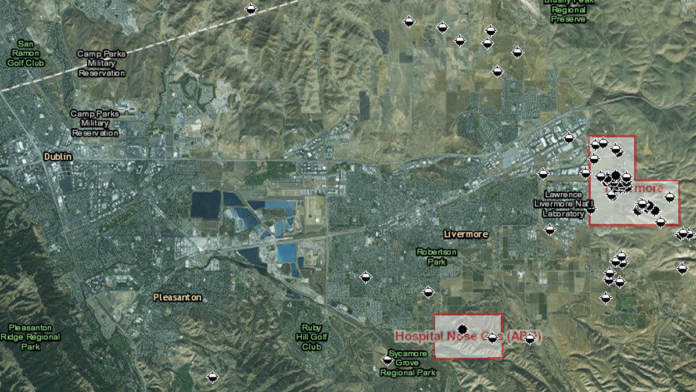
The Alameda County Planning Commission heard a proposal to ban “high intensity oil and gas operations” — which would include hydraulic fracturing, or so-called “fracking” methods — at its April 3 meeting, but hours before the meeting began, the commission received a letter from the oil company E&B Natural Resources stating that the ordinance, as written, would interfere with their current operations, and suggesting “edits” to fix the problem. The commission therefore took no action, tabling the proposal until May 2.


[jump] E&B Natural Resources operates Alameda County’s six oil wells, the only oil or gas extraction wells in the county. Its April 4 letter claimed that the draft ordinance, as written “would inadvertently prohibit both traditional and routine activities in our operation, even though they have nothing to do with fracking. The resulting unintended consequences could result in poorly functioning and deteriorating equipment and a 500% increase in heavy truck traffic, with related negative impacts on air quality, Highway 580 traffic and local road conditions, to haul wastewater to a yet unidentified disposal site.” The letter said its proposed edits “would allow us to continue our operations but not alter a fracking prohibition. “

Members of Alameda County Against Fracking, who have been working on the proposed fracking ban for almost two years, were outraged at the last-minute letter sent by E&B Natural Resources. During the planning commission meeting they told county officials that the public needs time to study and respond to E&B’s letter and proposed amendments, and that the commission also needed to do its due diligence.

The county has delayed taking action to regulate fracking for over a year now. At its February 17, 2015, meeting, the planning commission decided not to take action on the proposed fracking ban because just the day before it had received a long and detailed letter from E&B Natural Resources filled with concerns. The commissioners then postponed action because they felt they needed time to study that letter.

Supervisor Scott Haggerty, whose district includes the only producing oil wells in the county, first introduced the idea of a fracking ban after talking with environmental groups including the Sierra Club, and the Center for Biological Diversity.
 
Fracking would be a disaster for Alameda County, said Sierra Club volunteer Rebecca Franke. “Alameda is the fastest growing county in California,” she said, adding that much of that growth is taking place in the Tri-Valley area in the eastern part of the county where oil extraction operations could conceivably expand using fracking methods. “There’s a lot of agricultural production — vineyards, fruit and nut farms and cattle ranching — worth more $46 million in 2014. We believe oil production as a whole is incompatible with agriculture,” said Franke.
 
The first draft of the ordinance introduced in 2015 would have banned all new oil and gas extraction in the county. Later the measure was revised to ban only “high-intensity oil and gas operations” including fracking and various kinds of “well stimulation” methods involving the injection of water, acid, and other chemicals. The current draft of the ordinance also bans oil and gas wastewater storage in pits.
 
A February 2015 letter from Californians for Energy Independence, an oil and gas industry lobbying group, objected to original version of the proposed fracking ban on the grounds that technically, there’s no fracking going on in the county. But the group added that such a ban would violate the “takings” legal principle, which holds that excessive regulation, to the point where the owner can’t economically benefit from the property, amounts to illegally taking the property. They warned that this measure could open the county up to an expensive lawsuit.

Franke, a volunteer with the Sierra Club, acknowledged that fracking isn’t a problem in Alameda County now, but she said that there’s a potential for the industry to expand its operations here.
 
“At one time, Alameda County was a prime oil producer,” Franke said, and oil could make a comeback in the county if the industry figures out how to extract oil from the Monterey Shale, part of which may lie under eastern Alameda County. “We want to foreclose all possibility of that, to prevent Alameda County from ever having to play host to these toxic chemicals,” she said.

Franke also had a political reason for pushing the Alameda ban. “Since Governor Brown refuses to push a statewide ban, the only option is to do it county by county. San Benito County has done it. We want to reinforce what they did. The next big fight is the Monterey County petition drive for ballot measure [banning fracking] in the November election.”

Pop-Up Magazine Presents Stories for All Five Senses

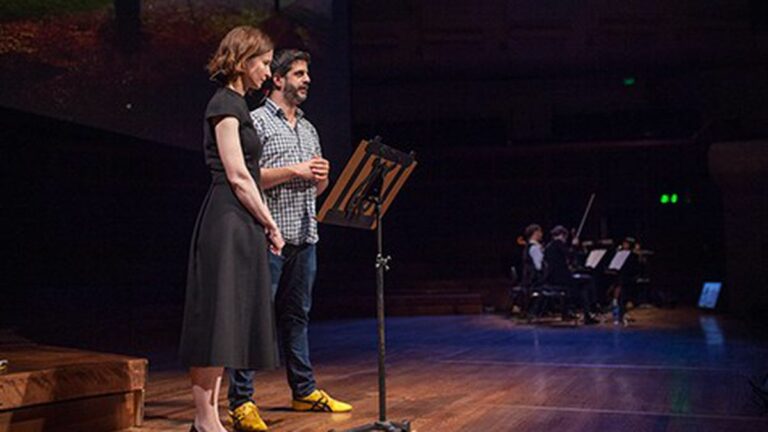
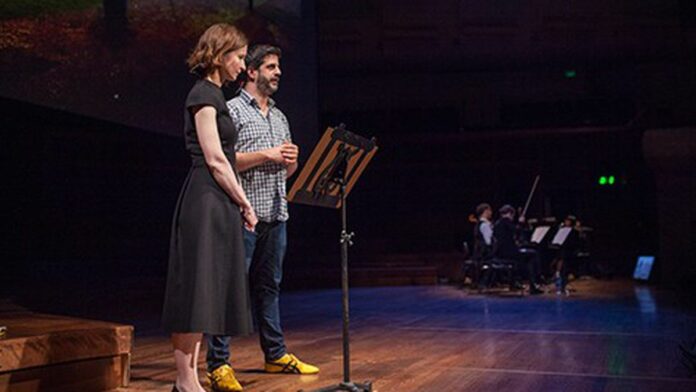
Pop-Up Magazine presents its organizers with an unusual publicity problem. When I interviewed Derek Fagerstrom, the co-creative director of the San Francisco-based, live long-form journalism show run by the folks behind The California Sunday Magazine, he was willing to talk at length about the show’s production, but refused to give any detail regarding its content. Apologetically, he explained that one of the crucial characteristics of Pop-Up Magazine is that the audience is always surprised by the program. Although other producers would likely compromise that standard for the sake of press, those behind Pop-Up Magazine are dedicated to their storytelling ideals — and actually appear inclined to take risks in order to uphold them.

Pop-Up and California Sunday editor-in-chief Douglas McGray founded the show in 2009, with help from Fagerstrom and his co-creative director Lauren Smith, as a push back against the sentiment that long-form journalism is a dying art form. As the friends watched many of their favorite magazines fold, they wanted to reinvigorate the medium — by literally bringing a magazine to life.

Every Pop-Up Magazine show features around fifteen presenters — writers, filmmakers, radio producers, professors — telling stories they are personally invested in. (Last season, the presentations ranged from an intimate story about the way artist Barry McGee mourned the death of his wife Margaret Kilgallen to research on the under-diagnosis of autism.) Each presentation is specially produced to relay its narrative, often using media considered unconventional for journalism. Some involve slideshows or informational animations, while others include film clips, and all are accompanied by an original score performed by a live orchestra that travels across the country with the show.

And there’s one other crucial feature: The show is never recorded or photographed. To experience the stories, you must be physically present. “If you’re not there, you miss it, and you don’t experience it, and you have to ask a friend who went and have them tell you the story,” said Fagerstrom. “It’s a bit about a different approach to storytelling, one that’s more intimate, that’s more social.”

After starting off as an experiment, with its first show at the relatively small Brava Theater in San Francisco, Pop-Up Magazine now regularly sells out shows across the country. And on Wednesday, April 13, it will be coming to Oakland for the first time for a show at the historic Paramount Theatre (2025 Broadway).

The lineup for this season features influential photographer Katy Grannan, New York Times Magazine and This American Life contributor Jack Hitt, and photographer and stop motion artist Joel Strong — popular for placing tiny cutouts of celebrity mugs over people’s faces in photos. But one of the most unorthodox contributions will come from Samin Nosrat, a Berkeley-based author and chef.

Nosrat is exactly the sort of niche, multidisciplinary creator that Pop-Up Magazine producers seem to salivate over. While studying English at UC Berkeley as an undergrad, she began cooking at Alice Waters’ esteemed Chez Panisse. And during her tenure in its kitchen, she also picked up an interest in the work of Michael Pollan — specifically his food-related reporting such as The Botany of Desire. Soon enough, Nosrat weaseled her way into one of Pollan’s courses on food reporting at the UC Berkeley Graduate School of Journalism.

Eventually, Pollan became a close writing mentor for Nosrat, and in exchange, she taught him how to cook — a relationship he wrote about in his most recent book, Cooked. Now, Nosrat is finishing up a culinary book of her own.

Nosrat’s first piece for Pop-Up Magazine was an investigation into a subculture of Iranian teenagers who hold dinner parties to try international dishes that are difficult for them to find locally. Her second collaboration with Pop-Up was more ambitious: An entire “issue” in the form of a dinner party at which each course and all of the table settings were paired with one of the stories being presented. (For example, the East Bay ceramicist who made the dishes told a tale about tracing back where the clay he used came from, and making the devastating discovery that it was a byproduct of fracking.)

“[Pop-Up producers] are willing to consider any way of telling a story that’s going to be the most powerful and impactful in a room,” said Nosrat in a recent interview, “which allows you to explore all of your senses and to engage all of your senses and to use tools and factors that you can’t when you’re just reading a story on a page. Cooking is all about the senses, and isn’t that all that a dinner is? You’re telling people a story.”

Both Nosrat and Fagerstrom described the dinner as an impractical experiment. But Nosrat’s piece for the April 12 show sounds like even more of a technical challenge — from what she could share. Apparently, she pitched the food-related story to a number of editors at publications including the New York Times, all of whom responded that the idea was fascinating, but the execution would be too difficult. Pop-Up Magazine, on the other hand, immediately committed to figuring out the logistics. “Because we have the luxury of the in-person experience and we have the luxury of appealing to multiple senses and because they’re crazy like me, I think we were able to find a way that made sense for this story, which is an interesting one that kind of didn’t work in any other medium.”

Nosrat said that in order to produce her presentation, they’ve had to assemble a small army of volunteers to create a handmade experience for every member of the audience — which at the Paramount, will be 3,000.

“I have crazy ideas and I’m like, ‘Let’s try to do this insane thing for however many people!'” said Nosrat. “And a lot of times, it doesn’t work, or it just causes insane amounts of stress … but the crazy thing about the Pop-Up people is that they’re even crazier than I am, and more ambitious.”

Philthy Rich: The Art of Moving On

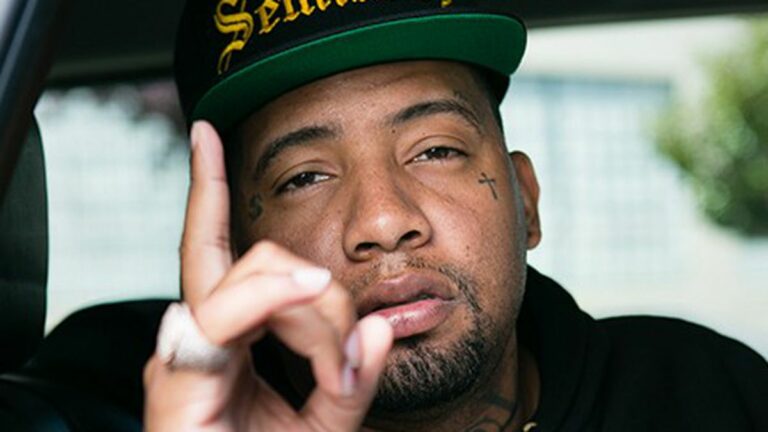
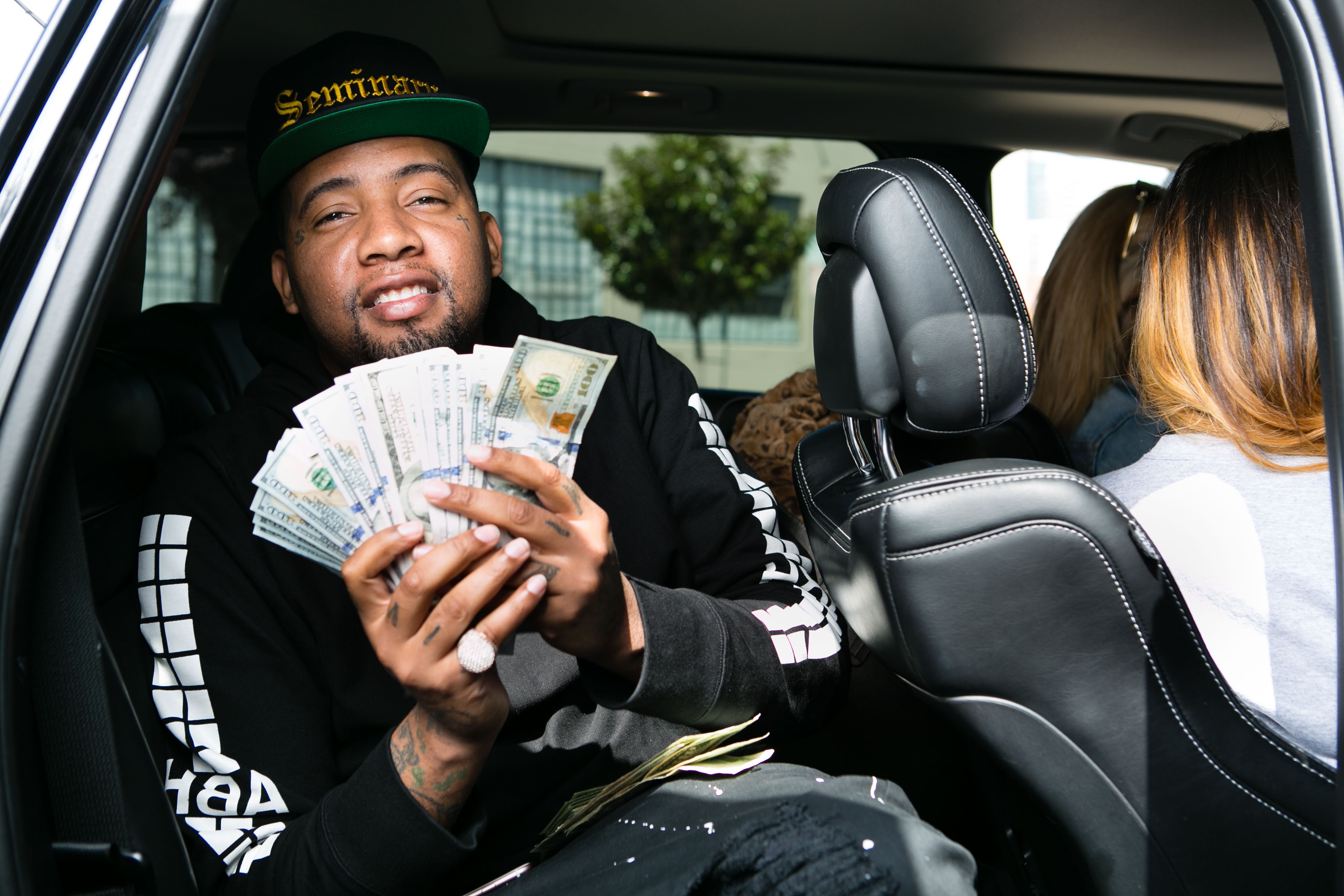
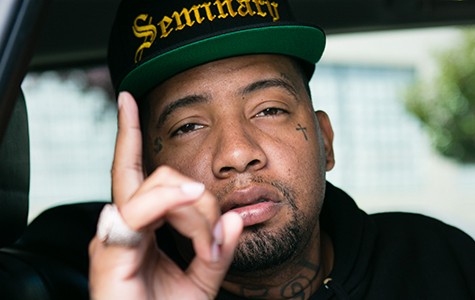
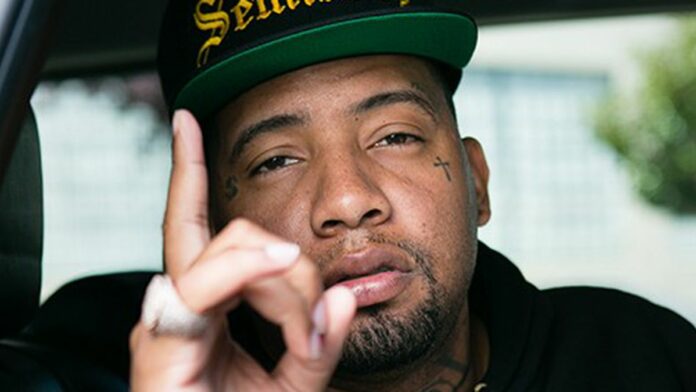
The dollar sign tattooed over the crease of Philthy Rich’s right eye symbolizes that money is the root of all evil, yet a motivator for success. The cross next to his left eye is a reminder that God is watching. And the “FOD” on his wrist stands for “Funk or Die,” the unofficial motto of his block in Seminary, his neighborhood in East Oakland.

Though Rich has come a long way since his turbulent beginnings, he proudly wears reminders of his life experiences on his skin in the same way that he candidly addresses them in his music. The rapper recently released his new album, Real Niggas Back in $tyle, a hard-edged, street rap confessional that details adrenaline-inducing tales of hitting licks, selling narcotics, and — eventually — ascending into the high life.

The nineteen-track project sees Rich expanding his sonic palette from the quintessentially Oakland, mob music sound of his early work to a more sinister trap knock. This evolution reflects the influence of his latest collaborators: He recorded most of Real Niggas in Atlanta with help of several prominent producers. Zaytoven — a San Francisco transplant to Atlanta who is best known for working extensively with Gucci Mane — made beats for seven of the album’s tracks. Fellow certified hit-makers 808 Mafia, a production team that frequently collaborates with Young Thug, Waka Flocka Flame, and Future, contributed beats as well.

While these Southern heavyweights architected the project’s sound — giving it a slow-moving, aggressive cadence — it also features verses from local artists IAMSU, Ezale, Nef the Pharaoh, and E-40. Mozzy, a rising rap star from Sacramento who has strong ties to the Bay Area scene, is featured on the record as well. The songs they appear on bring an upbeat, hyphy influence to the album’s otherwise dark ambiance.

While Rich’s rhymes about high-stakes hustling might come off as typical of trap music, the rapper said in a recent interview that his lyrics are reflections of his life experiences. And Rich has survived some pretty traumatic ordeals. When he arrived at the Express offices for our interview, he was with his two sons, ten and twelve years old — both around the age Rich was when he first found himself in trouble with the law.

“I didn’t meet my dad ’til I was eleven, and I caught my first case when I was eleven in San Leandro for robbery,” he said. “Moving house to house, staying with my teacher — I wouldn’t say it’s the normal life for a kid in Oakland, but it is. … It’s poverty, it’s the ghetto, so there’s probably a kid who had a worse childhood than me.”

Rich explained that his turbulent adolescence continues to motivate him to give his all to his music career so that he can provide a better life for his family and give back to his community. He recently made an appearance at the West Oakland Youth Center, where he shared personal anecdotes with the kids as part of a peace rally for gun violence prevention.

Rich began making music seriously in 2006, after spending much of his life in and out of institutions. His early releases caught the attention of prominent Bay Area artists, including Keak Da Sneak. When Rich and Keak were boarding a flight to go on tour in 2007, the pair ran into J. Stalin at the airport. Stalin was already a fan of Rich’s music and invited him to join Livewire Records. Rich still works with the label today in addition to running his own enterprise, FOD Entertainment.

In the years that followed, Rich strove to devote himself to his music but found himself returning to selling drugs to fund his creative practice. “It was hard because I still had to pay for studio time and CDs and all that, so I was still trying to dibble and dabble,” he recalled. “I kept getting caught with dope and getting caught with guns because I needed money to pay … for all the things I had to get done in order to rap. It wasn’t given to me. So I was trying to be halfway in and halfway out.”

Rich’s illegal activities eventually caught up to him, and he did several stints in jail throughout the late Aughts. After getting released in 2010 following a firearms charge, he decided that it was time to move on — for good. “I pushed myself,” he said. “I’m not finna be like how my daddy was; I’m not finna give myself away to the streets or lose myself to the streets. I wanna at least try to do something better for myself and my kids.”

Despite the setbacks, Rich’s career has been exceptionally prolific. Since 2009, he has released over forty albums and mixtapes. “I got my buzz off my work ethic. I’ll record a song today and shoot the video today.”

And while, on the surface, his body of work could be interpreted as sensationalizing drug dealing and violence, his lyrics speak to the realities of many folks from Oakland’s most disenfranchised and overlooked communities. Even as hip-hop becomes increasingly accepted in mainstream culture, Rich isn’t concerned with making music that’s sanitized to appeal to middle-class sensibilities. Instead, his work is a reminder that hip-hop is a vital medium for people that — like him — have been excluded from other avenues of success because of the school-to-prison pipeline and other forms of systemic inequality.

But these negatives notwithstanding, the artist has made huge strides in overcoming the harsh realities he experienced throughout his life. The dark places he’s been are a major impetus for him to keep creating.

“Basically, if you’re in a messed up situation, you stay down, and work at it, and pursue ’til you do better — because you eventually will.”

Miles Ahead Captures Miles Davis’ Lightning in a Bottle

0

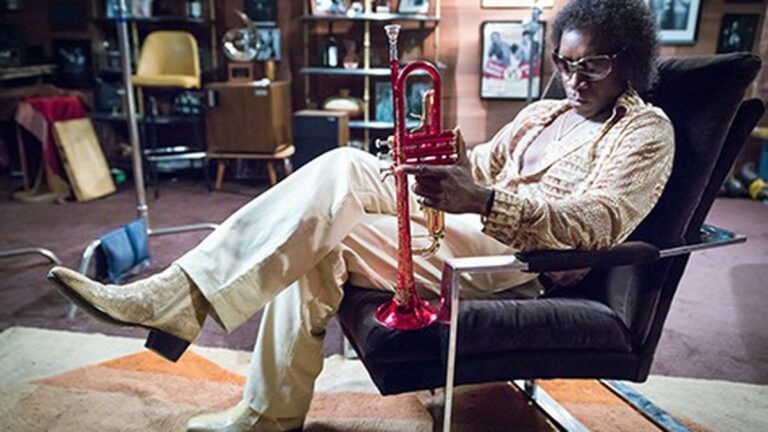
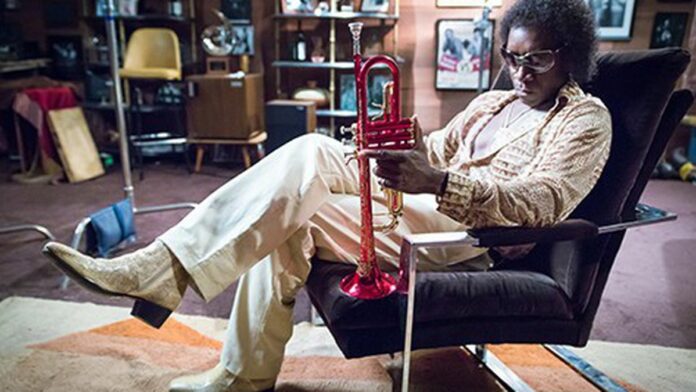
Artist biopics are always tricky to get exactly right, particularly the ones about musical superstars. And when we narrow that proposition down to Miles Davis, the tempestuous jazz trumpeter whose career and life story burned across 20th-century America like a comet, the ante goes even higher. That’s why it’s so gratifying that actor-turned-filmmaker Don Cheadle, who cowrote, directed, and acted as Davis in Miles Ahead, captures Miles’ lightning in a bottle, in one of the best musical dramas you’ll ever see.

Miles meant many things to many kinds of people, but his most important audience was always himself. If we close our eyes and let our thoughts drift back to 1979 — the days of his “exile from the world,” a six-year period of writer’s block, physical ailments, and soul-searching, when he was trying to work on his comeback album The Man with the Horn — it’s not hard to imagine Davis dropping by a Times Square movie theater and catching one of that era’s Black-themed urban actioners. It would be about a burned-out musician with a drug problem, haunted by ghosts of his past and impatient with lesser mortals, getting into lurid demimondaine situations as he forges ahead with his own personal musical vision. That make-believe grind-house thriller turns out to be Cheadle’s portrait of the artist.

They won’t leave him alone. Rolling Stone reporter Dave Braden (Ewan McGregor) crashes Miles’ life to wrangle a profile and gets put through the wringer. A thuggish producer named Harper (Michael Stuhlbarg) steals Miles’ latest rehearsal tape and holds it for ransom — Harper is promoting Junior (Lakeith Lee Stanfield), a young trumpet phenom who closely resembles a young Miles. The schnooks at Columbia Records pussyfoot around their cash cow, who insists they dump the term “jazz” for his coinage “social music” — but no one is listening. Miles falls for a party girl named Janice (Christina Kharis). A racist New York cop busts Miles for the crime of touching a white woman on the street in front of the Village Vanguard. Miles and Dave’s coke chase drops them into the crib of a pair of white hipsters, where Miles has to hear, for the umpteenth time, how much everyone adores Kind of Blue. And all the while, the composer of the gorgeous “Fran Dance” mentally vamps on a dream girl, dancer Frances Taylor (played by Emayatzy Corinealdi), his ex-wife. Her made-up face has a soft, buttery glow to it. Miles cannot let her go. Fistfights, gunshots, and other negative juju punctuate the tale.

All the while, director Cheadle — who wrote the screenplay with Steven Baigelman, adapted from a story they wrote with Stephen J. Rivele and Christopher Wilkinson — directs himself and his cast as if they were tripping along in a hallucinogenic fog. Miles Ahead dispenses with the corny mechanics of the traditional biopic but does not ignore motivation. Miles charges into the future in an effort to recapture his bygone restless energy; “It takes a long time to learn to play like yourself,” rasps the actor. Cheadle’s performance encapsulates everything we thought we knew about the artist plus many things that seem to have floated down from the rooftops. It’s the best acting job of the year so far, in an indispensable meditation on the pain of pure creativity.

This Weekend’s Top Five Events

That feeling when you look up from your desk and realize it's already the weekend.  Haven't made plans? Have no fear. We're here to help:  Foster Body, Little Sister, and Blank Square Notaflof Collective Community Salon & Artspace is a new venue, community center, and hair salon whose name stands for “no one turned away for lack...

Los Rakas to Perform at the White House

Los Rakas have come far since members Raka Rich (Ricardo Gilliam) and Raka Dun (Abdull Domínguez) began releasing their earliest mixtapes back in the mid-2000s. Now, the Oakland-based Panamanian hip-hop duo is going even further–literally–by bringing their "PanaBay" sound to the White House to perform in the first ever Brioxy White House Summit for Innovators of Color.  The...

2016’s Pot Legalization Efforts Are ‘Dangerously Overextended’

Up to 96 million Americans could live in states that legalized medical marijuana or recreational cannabis this November — but that’s not going to happen if supporters, allies and industry don’t pitch in, experts warned Wednesday. Marijuana law reform efforts in California, Nevada, Arizona, Massachusetts, Maine, Florida, Arkansas, Missouri and Ohio in 2016 are "dangerously over-extended," said Ellen...

Marijuana Could Lose Its Federal ‘Most Dangerous Drug’ Status By June

Marijuana could shed its federal designation as one the world’s most dangerous drugs as early as this summer, a new memo has revealed. Currently marijuana is considered a Schedule I drug, lumped with heroin and cocaine as having no accepted medical use, and a high potential for abuse. The US Drug Enforcement Administration could decide to change marijuana’s...

No New Bus Service Planned for Hayward Courthouse, Despite Controversial Move

Hayward Hall of Justice. Credits: Darwin BondGraham According to records obtained by the Express through a Public Records Act request, there is no plan to establish a new shuttle service, or extend existing bus services to connect the Hayward BART station with the Hayward Hall of Justice — despite the fact that the Alameda County Superior Court has proceeded with a controversial plan...

Alameda County Stalls on Proposed Fracking Ban

The Alameda County Planning Commission heard a proposal to ban “high intensity oil and gas operations” — which would include hydraulic fracturing, or so-called “fracking” methods — at its April 3 meeting, but hours before the meeting began, the commission received a letter from the oil company E&B Natural Resources stating that the ordinance, as written, would interfere with their...

Pop-Up Magazine Presents Stories for All Five Senses

Pop-Up Magazine presents its organizers with an unusual publicity problem. When I interviewed Derek Fagerstrom, the co-creative director of the San Francisco-based, live long-form journalism show run by the folks behind The California Sunday Magazine, he was willing to talk at length about the show's production, but refused to give any detail regarding its content. Apologetically, he explained that...

Philthy Rich: The Art of Moving On

The dollar sign tattooed over the crease of Philthy Rich's right eye symbolizes that money is the root of all evil, yet a motivator for success. The cross next to his left eye is a reminder that God is watching. And the "FOD" on his wrist stands for "Funk or Die," the unofficial motto of his block...

Miles Ahead Captures Miles Davis’ Lightning in a Bottle

Artist biopics are always tricky to get exactly right, particularly the ones about musical superstars. And when we narrow that proposition down to Miles Davis, the tempestuous jazz trumpeter whose career and life story burned across 20th-century America like a comet, the ante goes even higher. That's why it's so gratifying that actor-turned-filmmaker Don Cheadle, who cowrote, directed, and...
19,045FansLike
17,709FollowersFollow
61,790FollowersFollow