The East Bay’s Best New Sweet Spots

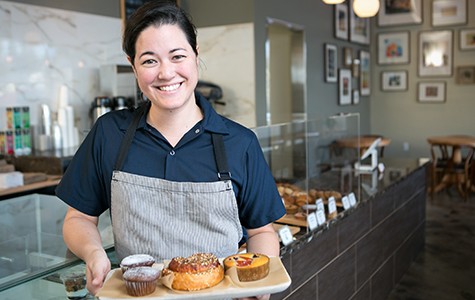
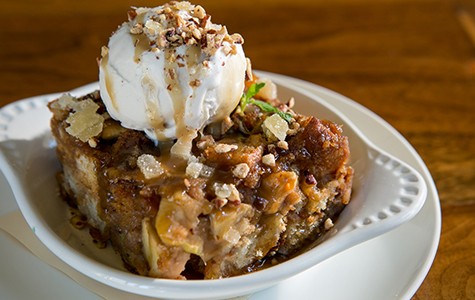
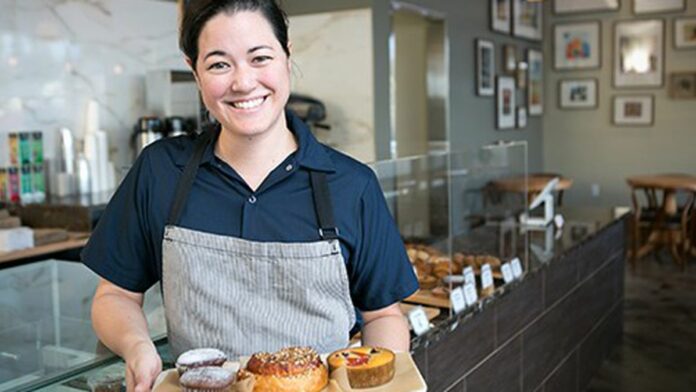
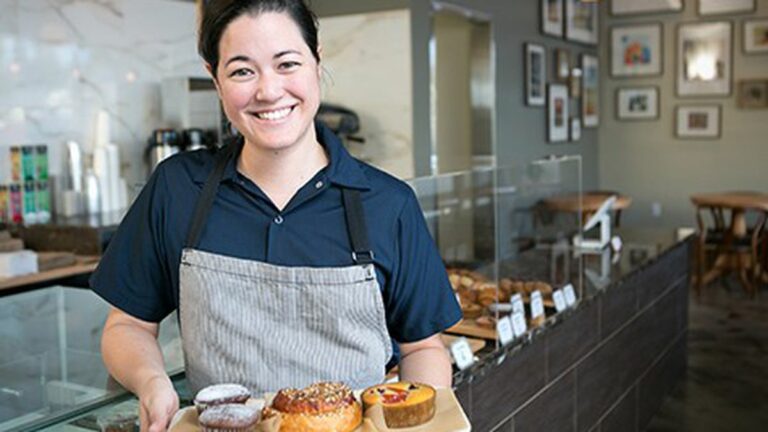
Before opening a new shop, pastry chef Beth Woulfe spent six months testing out her baked goods on the crowds at the Alameda Farmers’ Market. The chef, who grew up in the East Bay but had recently been working on the East Coast, wanted to get a sense of the region’s tastes — and whether there was a demand for more baked goods here. The positive feedback was clear. “The economy is kind of on the upswing,” she said. “And there is a strong desire for a high-end bakery. … Now is a good time to open a small business in the East Bay — if you have the right product.”

On July 31, Woulfe opened the doors to Crispian Bakery in Alameda — her first brick-and-mortar business and one of at least six bakeries and pastry shops that have recently opened or are expanding in the East Bay. Throughout the region, chefs and shop owners like Woulfe are gambling that local residents have a strong appetite for homemade pastries and breads. Here are some of the freshest baked goods the East Bay’s new leading pastry chefs have to offer.

Crispian Bakery

1700 Park St., Alameda, 510-239-4751, CrispianBakery.com

Located just across the bridge from Oakland’s Fruitvale district, Crispian Bakery has already attracted a steady stream of customers in its first two months. Woulfe’s mouth-watering pastries and Christian Fidelis de Goes’ artisanal breads are a welcome addition to the Park Street retail corridor. The shop has a small seating area in front, but Woulfe said she poured the majority of her limited resources into building a high-quality kitchen. It was a worthy investment.

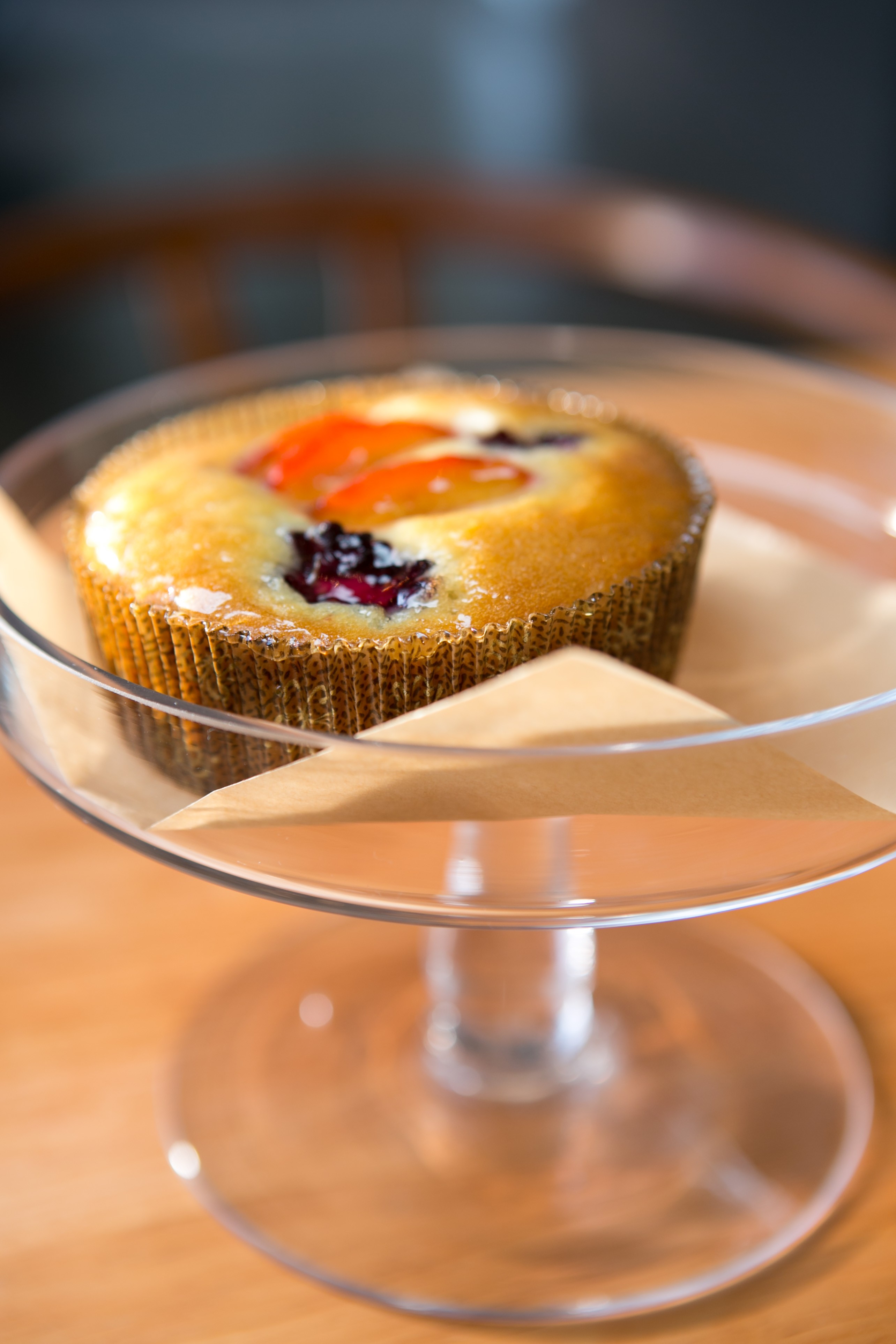
Woulfe’s moist olive oil cakes ($5) feature seasonal fruits from the nearby farmers’ market or other local vendors — including recent versions with peaches, plums, pluots, and pears. The recipe also includes California olive oil, lemon zest, and juice in the batter, which together make the cakes especially flavorful. Another good pastry option is Woulfe’s small, but very tasty wheat-free muffin ($2.50) — a sugary mix of pumpkin, eggs, and tapioca flour that I never would’ve guessed is gluten-free. On the savory side, the ham and cheese croissant ($4.50) is de Goes’ twist on the classic pastry, with everything bagel spices layered on top and ham, Swiss cheese, and mustard rolled into the flaky dough.

Gran Milan

5327 Jacuzzi Street, Richmond, 510-984-0679, GranMilan.com

If you want old-school Italian baked goods and pastries, it’s hard to imagine finding a more authentic shop than Gran Milan, which opened its doors in April in a strip mall off of Interstate 80. The co-owners of the bakery and restaurant are Ivo Buratti and Rufo Verga, two longtime chefs who met while working in Varese, a city in northern Italy. Despite their somewhat obscure location, Verga said business has been steady — mostly through word of mouth and social media.

The most authentic treats — though I don’t recommend eating them all in one sitting — are Gran Milan’s cannolis, apple strudels, tiramisu, and almond cakes. Gran Milan’s business is successful enough that Verga told me he is now looking to open a second location.

Nick and Aron’s

4316 Telegraph Ave., Oakland, 510-250-9538, NickAndArons.com

When chefs Nick Yapor-Cox and Aron Ford tried to add a bakery component to Nick’s Pizza, a small popular joint in North Oakland, there just wasn’t enough kitchen space. But they knew North Oakland eaters wanted more freshly baked goods in the area. So in March, they opened Nick and Aron’s, a new Temescal cafe and restaurant that serves their signature pizzas and a wide variety of breakfast pastries and artisan breads.

For meat-eaters, Nick and Aron’s cheddar bacon scone ($3.25) is a perfect mix of savory and sweet, and tender and crunchy with bacon bits spread throughout. Ford said he’s most proud of the new restaurant’s croissants ($3.75), which use sourdough and include a mix of different fillings. Another very popular pastry item is Nick and Aron’s cinnamon rolls ($3.25), which are made with croissant scraps and sweet icing.

Grease Box

942 Stanford Ave., Oakland, 510-922-1323, GreaseBoxOakland.com

A favorite restaurant for East Bay residents who are gluten-intolerant, Grease Box has expanded its exclusively gluten-free bakery operations over the last year and now offers a diverse and constantly changing menu of freshly baked goods and pastries all week. One of owner Lizzy Boelter’s most popular new treats is her gluten-free donuts ($3.50), which she typically offers on the weekends and which can sometimes sell out within hours. Unlike many other gluten-free pastry makers, Boelter said she avoids additives and chemical stabilizers that chefs typically use to mimic gluten and instead uses natural whole grains. As a result, she said, “I would be willing to bet we’ve got the best gluten-free donut ever.” The donuts are deep-fried and are similar to beignets, the popular New Orleans pastries made of fried dough.

Another favorite is Grease Box’s huge gluten-free muffins ($4.25), which feature seasonal fruits and are filling enough to function as an entire meal.

Firebrand Artisan Breads

2343 Broadway, Oakland, FirebrandArtisanBreads.com

A West Oakland wholesale bakery known for its wood-fired breads, Firebrand Artisan Breads is expanding into the retail business with a new location in the rapidly growing Uptown complex called the Hive. The new Firebrand site — which is on track to open in November in time for the Thanksgiving rush — will be more than three times the size of its current West Oakland location, said owner Matt Kreutz. The Uptown space will enable the company to launch a new line of pastries, including danishes, croissants, custards, éclairs, donuts, pies, and tarts, he said. Noting that the bakery will be near two new food businesses — the high-end Mexican restaurant Calavera and new beer garden Drake’s Dealership — Kreutz said, “We really want this to be a destination spot for Oakland.”

Flour and Co

1398 University Ave., Berkeley, FlourAndCo.com

Berkeley is not missing out on the new wave of bakeries on this side of the bay. Scheduled to open next month, Flour and Co (which has a location in Nob Hill in San Francisco) is on track to bake a wide variety of fall treats for East Bay customers. Owner Emily Day said the neighborhood is clearly underserved when it comes to pastries and coffee; her sister lives just a few blocks away from the new location, which previously housed the Bread Workshop, a cafe that shuttered in 2013. “The space was perfect,” she said. “I couldn’t pass it up,”

In terms of her Berkeley pastries, Day said she plans to offer pumpkin bunt cakes, pumpkin muffins, apple crostatas, specialty “toasty tarts” (Day’s version of pop tarts), and many other sweet and savory goodies.
Plant-Based Sweets and Treats

One of the toughest things about going vegan is finding ways to replace favorite comfort foods with alternatives that are free of animal-derived ingredients. And while fake meats and savory veggie dishes are plentiful in the East Bay, finding the best go-to spots for vegan sweets that are comparable to their non-vegan counterparts can be challenging.

It takes a savvy chef to replace the crucial building-blocks of desserts — eggs and dairy — with vegan ingredients in a way that allows donuts to retain their fluffiness; ice creams, their creaminess; and cakes, their moisture. Fortunately, we’ve done the work for you and scouted out the best places for vegans to satisfy their sweet tooths in the East Bay. While some of these restaurants and cafes offer vegan takes on familiar dishes, others specialize in inventive, plant-based creations that will delight those who abstain from meat, eggs, and dairy — as well as their omnivorous friends.

Encuentro

550 2nd St., Oakland, 510-832-9463, EncuentroOakland.com

Encuentro is a special occasion-worthy vegetarian California cuisine restaurant in the Jack London district that specializes in seasonal, organic ingredients. Its rotating dessert menu boasts plenty of decadent, plant-based options, including its rich, moist, layered chocolate cake, which co-owner Linda Braz said is one of Encuentro’s most popular dessert items and a permanent menu fixture. The chocolate-dipped, vegan ice cream sandwich — which includes vegan cookies and coconut ice cream — is also a customer favorite.

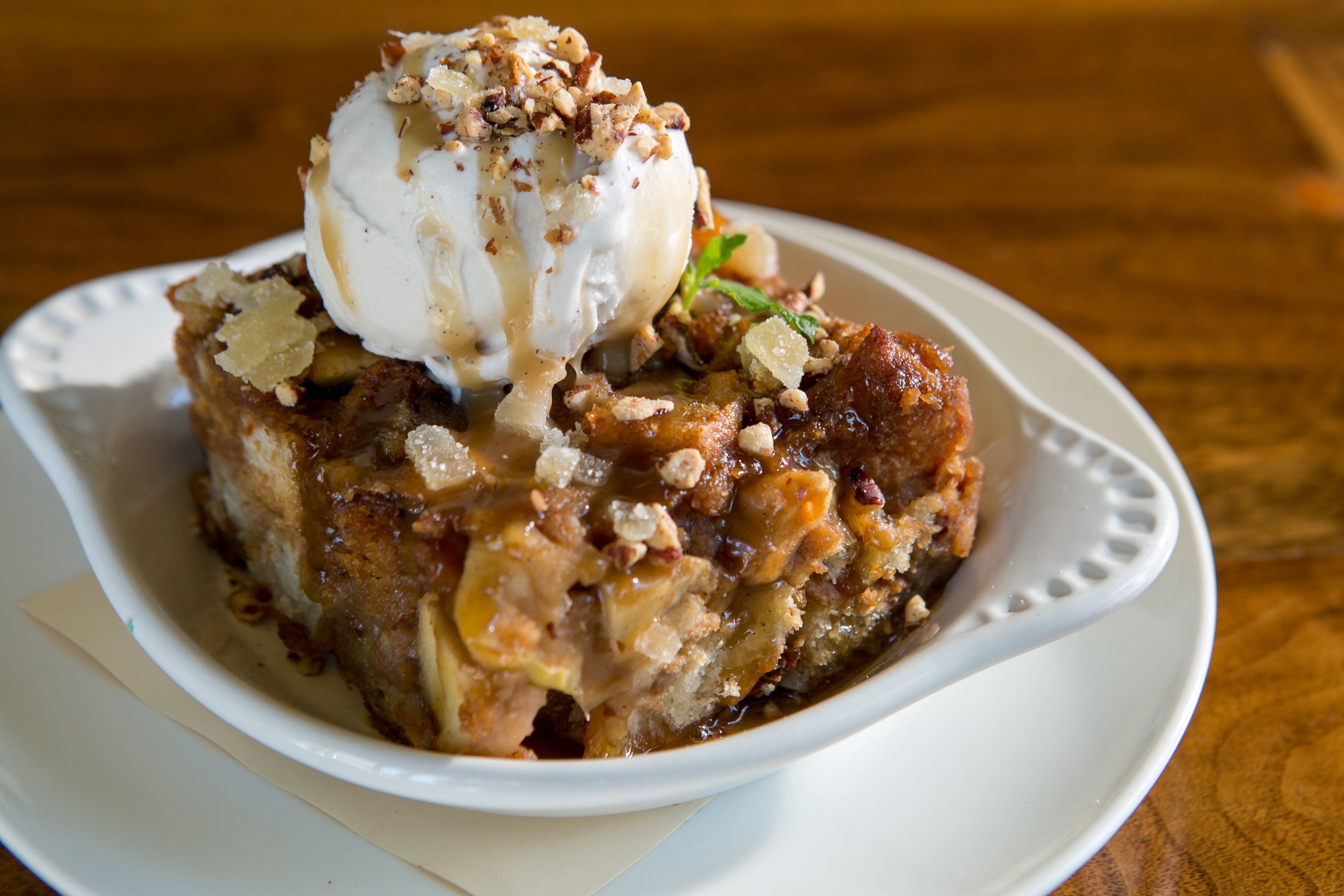
Some of Encuentro’s seasonal, dairy- and egg-free desserts to look forward to this fall include the tofu-based cheesecake, a creamy pumpkin tiramisu, and an ice cream sundae with spiced, fruity flavors that evoke apple pie a la mode — a perfect fall treat that will make you forget that being vegan is technically a dietary restriction.

Pepples Donuts

6037 San Pablo Ave., Oakland, 510-338-6319, PepplesDonuts.com

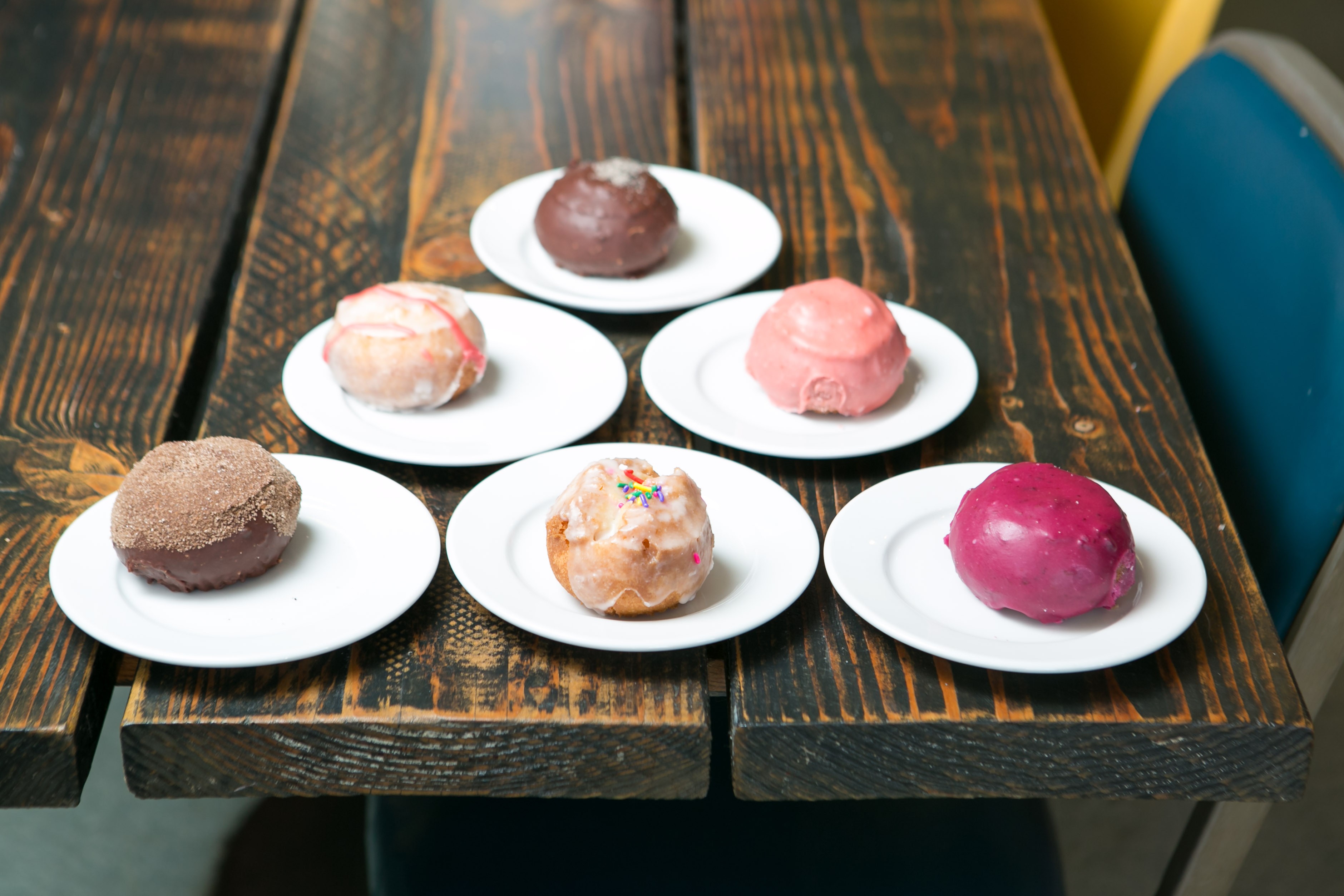
Pepples Donuts — often mistakenly referred to as People’s — is the Bay Area’s foremost purveyor of vegan donuts, and its plump, round little pastries are also completely organic. Pepples stocks its donuts at a variety of Oakland and Berkeley coffee shops, as well as at its Ferry Building stall in San Francisco. However, for the freshest pastries and largest amount of flavor options, visiting its North Oakland headquarters (also known as the Donut Farm) on San Pablo Avenue is a must. The shop’s offerings include more than twenty flavors of donuts, as well as milkshakes and savory brunch items on the weekends — all of which are animal product-free.

Pepples’ dense, crumbly cake donuts come in inventive flavors — many of which are seasonal — such as pumpkin spice, curry, matcha green tea, and candy cap mushroom (which has a sweet taste akin to maple). For its light, fluffy raised donuts, make sure to stop by on the weekends, because they are not available during the week.

Cinnaholic

2132 Oxford St., Berkeley, 510-647-8684, Cinnaholic.com

Competition among Berkeley cafes is high, and the area surrounding the Cal campus is saturated with eateries that take inventive approaches to food service. However, Cinnaholic, an entirely vegan bakery, stands out with its creative approach to cinnamon rolls. Batches of the swirly, moist pastries are baked throughout the day, and each roll is guaranteed to have spent no more than twenty minutes outside of the oven before it reaches your mouth.

Cinnaholic’s cinnamon rolls are entirely customizable, and the cafe offers a large assortment of frosting flavors and toppings from which to choose. Cream cheese frosting with cookie dough, maple frosting with blueberries, or root beer frosting with marshmallows are just a few examples of the dozens of indulgent varieties available. And for those who find the number of options daunting, Cinnaholic has a display case full of flavor recommendations and updates its Instagram with daily specials — like the Butterfinger roll, the raspberry-pomegranate roll, and the chocolate-banana-almond roll. Yum!

Souley Vegan

301 Broadway, Oakland, 510-922-1615, SouleyVegan.com

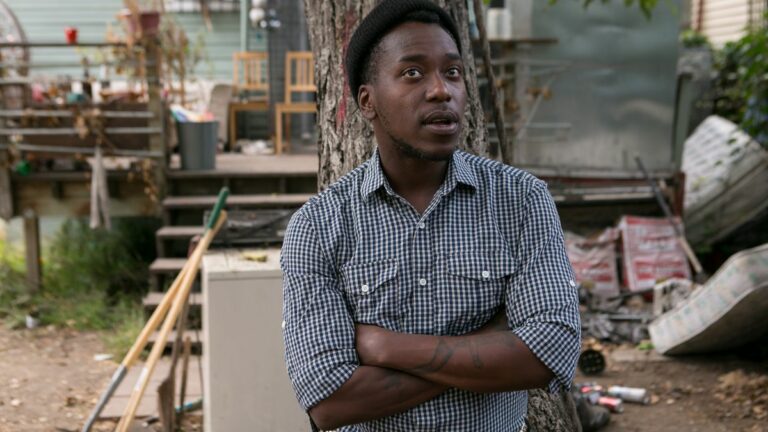
Souley Vegan’s founder and chef Tamearra Dyson is an Oakland native who invokes her family’s Louisiana roots in her approach to plant-based Southern cooking. While many vegan restaurants focus on small portions and light bites, at Souley Vegan, you can eat your fill of cheeseless mac ‘n’ cheese, meatless chicken and waffles, and fried okra. So it’s only fitting that its selection of baked goods — many of which are vegan takes on generations-old family recipes — offers rich cakes, cupcakes, and cookies that are as hearty as its entrees.

As far as the cupcake selection goes, Aquil Rahman — Dyson’s son, who also works at the restaurant — said that the sweet potato ginger cupcakes are among the most popular, though customers can expect to find an assortment of other flavors, including pecan praline and peanut butter. The chocolate ganache cake with walnuts is also a bestseller, as well as the chocolate chip cookies — which Rahman’s grandmother, Catherine Williams, bakes herself.

Timeless Coffee

4252 Piedmont Ave., Oakland, 510-985-1360, TimelessCoffee.com

Timeless Coffee doesn’t explicitly advertise that its fare is entirely vegan, but the third-wave coffee shop has become a destination for local herbivores through word of mouth. Not only are all of its coffee drinks made with either soy or almond milk, but the cafe also offers an enormous selection of vegan treats. Its gourmet-, egg-, and dairy-free takes on frosting-filled pastries, such as Hostess Twinkies and Chocodiles, pair excellently with a strong espresso or pour-over coffee.


In addition to delectable vegan cupcakes, cookies, and cakes — some of which are also gluten-free — Timeless also serves hard-to-find vegan treats, including Danishes with a soy-based cream cheese and seasonal fruit toppings; diary-free soft serve; and an assortment of hand-made chocolates and truffles.

Na****************@************ss.com


The Younger Lovers

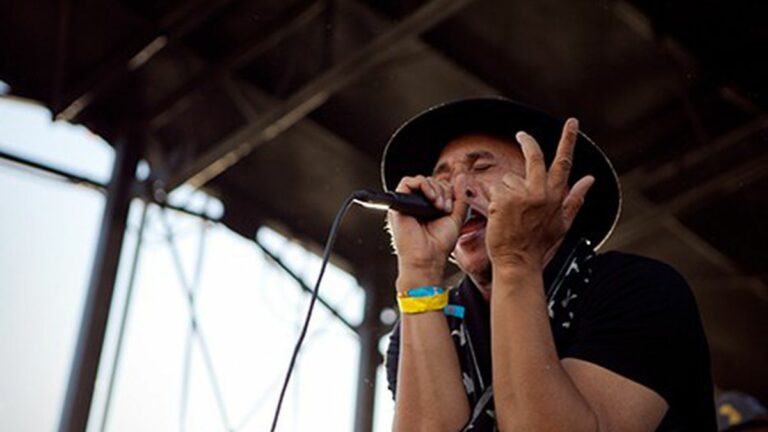
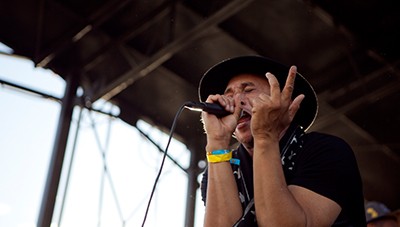
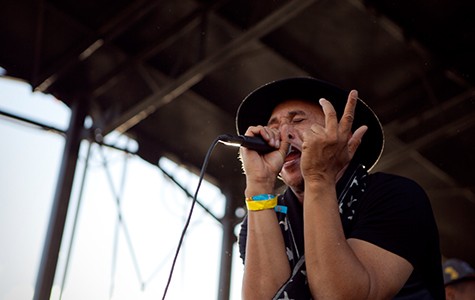
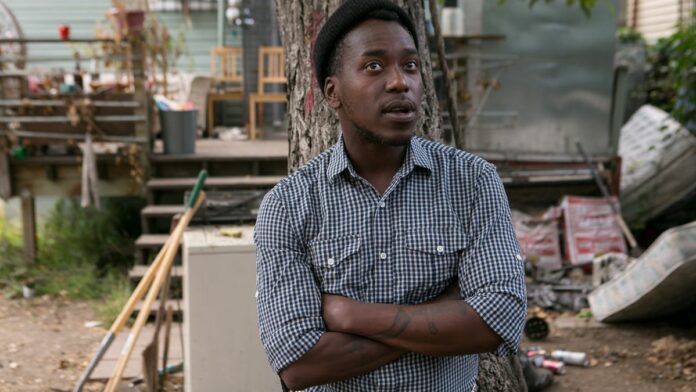
Brontez Purnell, frontman of garage rock band the Younger Lovers, is a locally renowned musician, dancer, choreographer, and writer. But perhaps most fascinating of all is that, although mainstream museums and publications have championed his work, Purnell’s approach to his art has been adamantly DIY. Originally from rural Alabama, Purnell came to Oakland in the early Aughts and quickly immersed himself in its punk and queer scenes. His electro-punk band Gravy Train!!!! became well known locally for its uninhibited live shows and, as the band’s singer and hype man, Purnell gained a reputation for his flamboyant stage persona. Though the group dissolved in the late-2000s, Purnell continued to make waves with his other creative ventures. He started the Brontez Purnell Dance Company and published his first book, The Cruising Diaries, an illustrated memoir he adapted from his earlier zines chronicling his sexual exploits. Simply put, Purnell is a force of nature. His current music project, the Younger Lovers, performs at Eli’s Mile High Club with LA rockers Contrafang and Oakland DJ collective Trill Team 6 this Saturday.

Bay Area Vibez: Strictly Roots, Almost

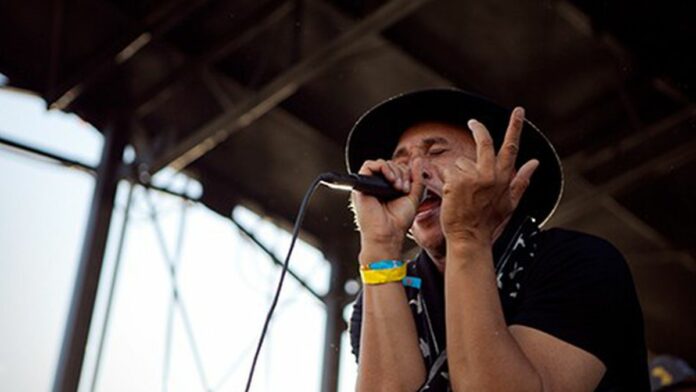
The Bay Area Vibez festival landed at the Port of Oakland this past weekend, bringing world-renowned reggae, electronic, and hip-hop artists to Middle Harbor Shoreline Park — a vast, open space that overlooks the San Francisco skyline. In its first year, the event arrived with a seemingly enormous budget and star-studded lineup that included living legends Stephen Marley, Damian Marley, and Nas.

But despite the festival’s grandiosity, the event ultimately felt like a way to capitalize on people’s nostalgia for bygone eras, prioritizing artists who haven’t released new material in years or are descendants of celebrated musicians. And though the name of the event suggested otherwise, the vibes were not very Bay Area at all, with the majority of the musicians coming from other parts of the country and the Caribbean. That in itself is not a problem — but the name of the event came off as empty lip service to hometown pride. This seemed somewhat disingenuous because the event competed directly with Oakland Music Festival, which primarily showcased local talent and took place during the same weekend.

However, if you weren’t looking for innovative sounds or up-and-coming, local artists and just wanted feel-good music, Bay Area Vibez certainly was the place. Middle Harbor Shoreline Park provided a gorgeous setting for the event, with the sun setting over the foggy San Francisco skyline on Saturday to a soundtrack of mostly roots reggae.

Morgan Heritage, a band composed of five siblings whose father, Denroy Morgan, was a popular reggae artist in the 1980s, performed tracks from its new album, Strictly Roots. The release mostly follows a traditional, roots reggae template, but occasionally pushes its mellow sound in new directions with the addition of dancehall and R&B vocals. Morgan Heritage’s live set, however, focused on easy listening rather than spontaneity. The musicians are undeniably skilled and delivered produced-sounding, studio-quality versions of their tracks, but their set flatlined at an even tempo and featured smooth jazz saxophone that easily faded into the background.

As clouds of weed smoke filled the sky, Saturday ended with sets by Stephen Marley and Damian Marley. Stephen Marley is a talented vocalist — with a soft yet raspy voice and a wide range — and six-time Grammy winner. But he hasn’t released new material in four years and filled his performance with Bob Marley covers, leaving original songs wanting. One of his set’s stand-out moments was when he brought out Skip Marley, his nephew and Bob Marley’s grandson, to the stage. Skip Marley played his single “Cry to Me,” a slow, somber reggae song with a sparse beat that works well with his warm, emotive timbre and sentimental lyrics. His brief performance demonstrated his ability to carve out his own lane while continuing family tradition.

While Stephen Marley’s set focused on his father’s legacy, Damian Marley, who closed out the day’s performances, proved to be more forward-thinking in his approach. He energized the crowd with his rapid-fire vocals, which fuse roots reggae and dancehall singing with flows that often evoke hip-hop. Though it was somewhat disappointing that Damian Marley did not play with Nas — his one-time collaborator who headlined the next day — Stephen Marley joined him on stage for several heartwarming duets.

Sunday’s lineup departed from Saturday’s more traditional offerings, with a heavier emphasis on dubstep and hip-hop — especially dubstep. While the first day of the festival attracted a more diverse and inter-generational crowd, the second day drew mostly Burning Man types. Cultural appropriation was rampant, and there were frequent sightings of white people sporting dreadlocks, bindis, Navajo print, etc.

Unfortunately, some of Sunday’s most memorable, yet lesser-known artists were relegated to the festival’s smaller stage and their set times competed with more famous acts, so they didn’t get their proper shine. Kev Choice Ensemble, a group led by the local rapper and virtuosic pianist, dazzled a small, enthusiastic crowd with its skilled musicianship. Choice rhymed while playing complex keyboard melodies, occasionally drifting off into elaborate solos that showcased his classical training. He brought out guest artists such as singer Jennifer Johns, whose breathy, soulful vocals were impressive, and San Francisco rapper Sellassie. Their show ended with an improvised cypher that attested to the musicians’ synergy. Meanwhile, most festivalgoers were dancing to dubstep producer Z-Trip — whose barrage of bass emanated from the other side of the field — and missed the show.

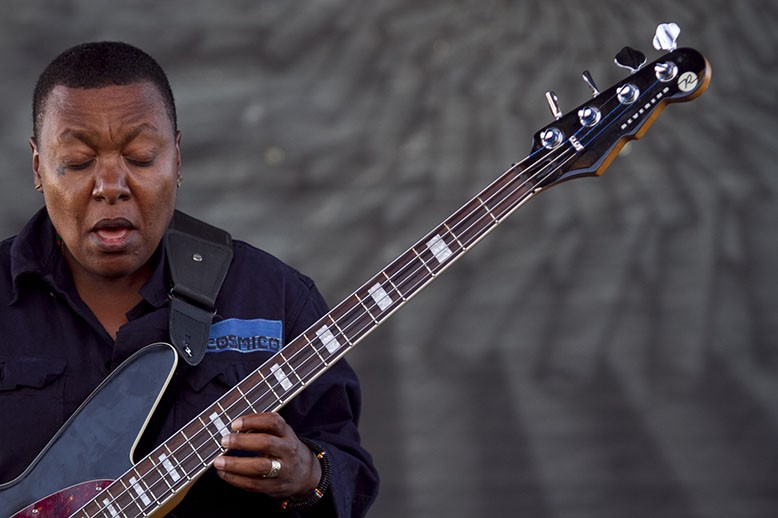
Meshell Ndegeocello, a talented bassist and bandleader with dynamic vocal ability, didn’t get her due recognition either because, as her set began on the smaller stage, Nas started to perform on the main one. Ndegeocello was one of the only female musicians in the lineup and was a major influence on the neo-soul movement of the late Nineties and early Aughts. She opened her set with a sparse, bass-driven cover of Ready for the World’s Eighties R&B hit “Love You Down,” which prominently featured her smooth, husky vocals. But it became difficult to hold the audience’s attention when Nas, one of the only Nineties New York rap legends who still performs today, began his set when she was only a few songs in.

Nas rapped with impeccable dexterity and his performance, much like that of the Marleys the night before, invited the audience to time-travel to his heyday. The majority of his set list came from his 1994 album Illmatic, still considered one of the all-time greatest hip-hop albums. Illmatic’s success overshadowed Nas’ subsequent releases in the late Nineties and early Aughts, and though Nas has performed its songs hundreds of times over at this point, he still delivered an invigorated performance that attested to the record’s timelessness.

Bassnectar closed out Sunday night’s show, and it was somewhat surprising that festival organizers prioritized the veteran DJ and producer over Nas in the set time hierarchy. Bassnectar synced up his blaring, wobbly dubstep beats with frenetic video projections that made for a dizzying audio-visual experience. However, after about twenty minutes of his lengthy set, his pattern of slow-paced breakdowns, build-ups, and massive bass drops became predictable. Watching the lunar eclipse taking place that night from the park’s marshy beach proved to be a welcome respite from the sensory overload taking place on stage.

Dragon Master’s Fellowship of the Twelve-Sided Dice

0

I first encountered Yee Olde Dragon Master’s Guide to the Mighty Labyrinth Quest on a Thursday night in an unassuming Eastlake watering hole. I found myself in need of a drink before the weekend officially started, so I followed the strains of ragged folk-metal coming from inside the curtained façade of Rooz Cafe, hoping for a little beer and brutality to take the edge off. What I found, along with the suds, was an interactive musical parable of epic proportions.

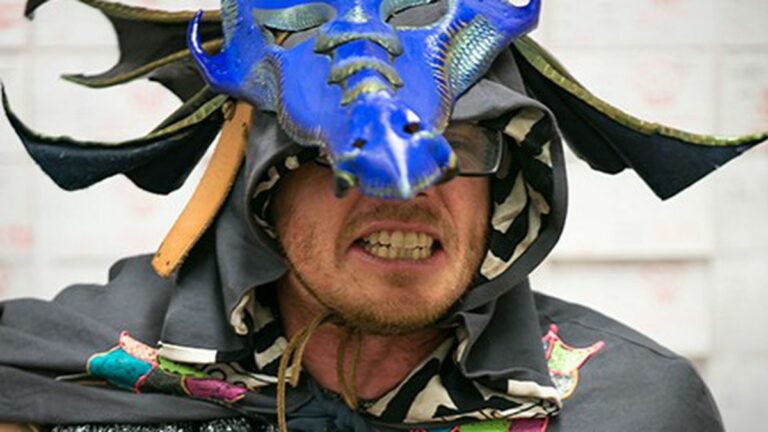
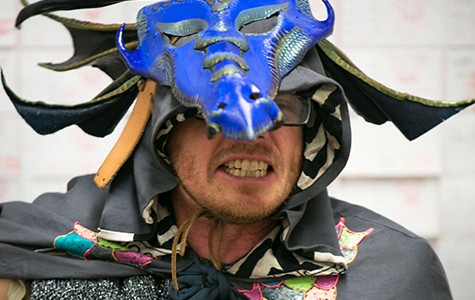
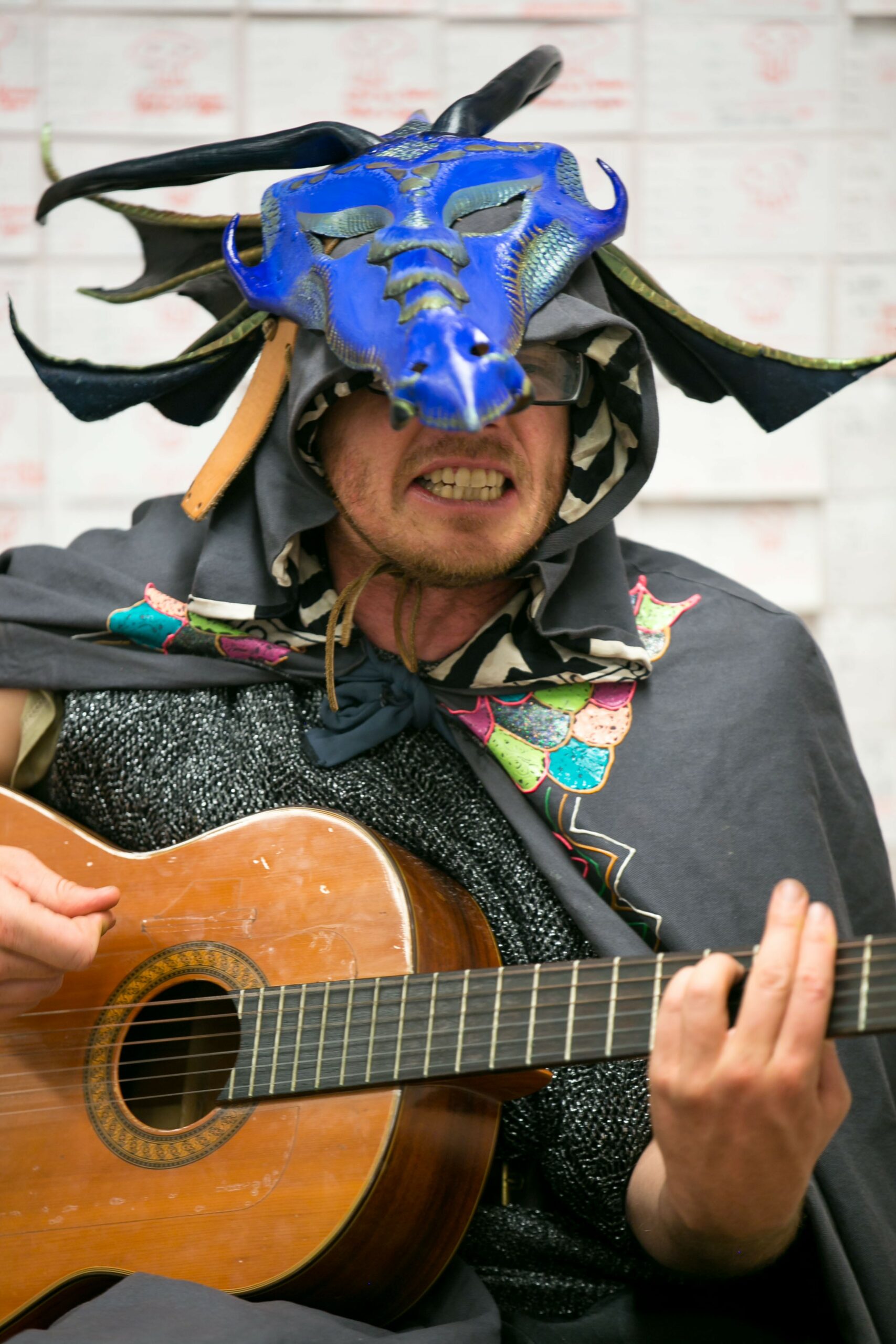
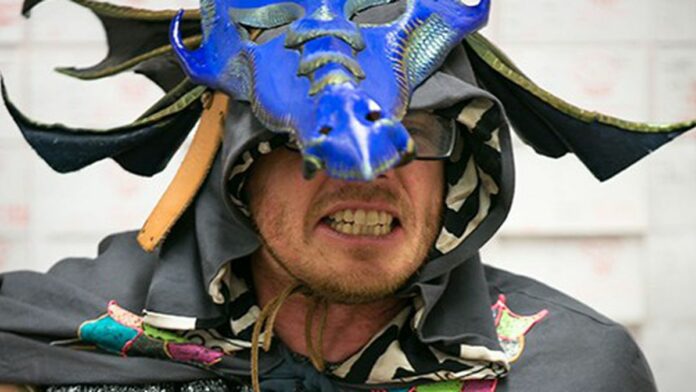
At the front of the stage was the Dragon Master (Donald Hughes) himself, a half-dragon, half-wizard bandleader with a blue headdress covered in spines and a cloak bearing obscure symbols of power. He shared the stage with a guitar-playing barbarian in full battle dress, a shirtless drummer, and a fiddle player as he bellowed the words to his song, “Do You Like Food? Thank a Honey Bee.” Meanwhile the audience members nursed their beers, enraptured by the spectacle. As each song ended, he paused the music to continue with his saga, The Epic of the Saddest Forest.

Yee Olde Dragon Master’s Guide to the Mighty Labyrinth Quest from Bert Johnson on Vimeo.

The Dragon Master models his sets after role-playing games (RPGs), which present players with quandaries that drive the plot, such as, “A three-foot bee appears in front of you. Do you try to talk to it?” Players propel the narrative by choosing a course of action and rolling dice to determine the outcome — in the case of the Dragon Master’s live shows, a twelve-sided die the size of a beach ball, which audience members roll in turns. Each decision leads to a new plot point, which the Dragon Master introduces through song.

The music of Saddest Forest draws from a variety of influences, including hair metal, folk, and classic rock. The flexibility of the plot-driven songwriting appears in the details of each piece, such as “The Sad Tale of Grimmlick the Dwarf,” which devolves into a frenzy of blasting beats and scratchy fiddle as the titular character obsesses over vengeance against orcs, or the throaty, deep-voiced droning in “Ohm with the Druids.”

Yee Olde Dragon Master’s Guide to the Mighty Labyrinth Quest: The Foreshadowing by Yee Olde Dragon Master’s Guide to the Mighty Labyrinth Quest

In an interview, the Dragon Master said an important difference between his performances and a typical RPG is that he accelerates the combat because his sets are shorter than a full game, which can continue ad infinitum. The Epic of the Saddest Forest contains forty songs, which allows the Dragon Master to perform a different set each show. “The audience’s perception of the Mighty Labyrinth Quest is determined by their choices and the dice,” he explained. Since he typically doesn’t know which songs he will play ahead of time, he performs with a rotating lineup of musicians who have strong improvisational skills.

According to the Dragon Master, fifth dimensional Care Bear people — whose eclectic influences include black metal, Queen, and Kate Bush — composed Saddest Forest to prepare humans for the time when magic will return to earth. The Dragon Master also recently released a shorter album on Bandcamp, The Foreshadowing, and launched a crowdfunding campaign to immortalize the Labyrinth Quest as a full studio album, complete with written instructions and dice so fans can play the game at home.

Despite its fantastical origins, Saddest Forest has some tangible themes, often with environmentalist commentary: In the epic, Iggy Farben, an evil gnome named for the now-defunct chemical conglomerate I.G. Farben (a predecessor of Bayer), enlists orcs to destroy honey bees with poisoned plants and extract petroleum with hydraulic fracturing operations. The Dragon Master is blunt about his role as a bee propagandist, and said that his human alter-ego, Donald Hughes, is “a little bit politically active.”

The Dragon Master has performed at a wide variety of local venues — such as the Oakland Metro Operahouse in the Jack London district, where he headlined a Game of Thrones-themed live variety show last weekend — and has only recently begun to play in spaces traditionally reserved for fantasy culture, like gaming conventions. Though one might assume that Dragon Master’s music targets a niche audience, the artist said that his left-field, interactive live show has captivated diverse crowds outside of gamer circles.

“I kind of trick them into paying attention to me,” he admitted. “Because they have to tell me what their character wants to do next in the story.” He said it also helps that “everyone loves rolling large dice.”

The obvious silliness and unselfconscious sincerity of the Mighty Labyrinth Quest likely plays a role in its popularity with non-gamers, too. Ultimately, Yee Olde Dragon Master’s Guide to the Mighty Labyrinth Quest gives listeners an opportunity to act raucous and goofy in public, and that may be its strongest appeal. In an era of incessant irony, such an invitation is refreshing.

Oakland Leaders Still Missing in Action

Oakland’s affordability crisis deepens every month. In August, the city was named the “nation’s hottest rental market,” because apartment prices had increased at a faster rate over the past year than in any other major American city. The median price for a one bedroom in Oakland soared to $1,980. And in September, the real estate firm Trulia reported that the median single-family home price in Oakland had reached $562,000 — an amount far higher than most city residents can afford.

In fact, according to a recent city report, “A Roadmap Toward Equity,” the average renter household in Oakland would need to spend a whopping 73 percent of its monthly income just to afford the city’s median monthly housing payment of $2,076. In addition, stories of direct displacement — especially in West Oakland and other parts of the city where longtime residents are being squeezed out by San Francisco tech workers — are rampant.

You would think that in light of this crisis, Oakland’s top officials would be working overtime to address it. You would be wrong.

Sure, thanks to Vice Mayor Rebecca Kaplan, the city council is planning to hold a special “study session” on Wednesday night. But the meeting includes no serious proposals to address Oakland’s affordable housing woes. For example, unlike Berkeley and Emeryville, Oakland city officials have yet to propose, let alone adopt, a housing impact fee on apartment developers in order to help pay for more affordable housing. Likewise, Oakland, unlike many other California cities, has yet to seriously consider a so-called inclusionary zoning law that would require condo developers to include affordable housing in their projects or pay a fee to build them elsewhere.

But that’s not all. As Express staff writer Darwin BondGraham noted in our September 16 cover story, “Turning Housing into Hotels,” Oakland is also way behind the curve in dealing with the growing problem of landlords taking homes off the rental market and turning them into Airbnb vacation rentals full-time. At a time when housing has become increasingly scarce, Oakland simply can’t afford to allow any portion of its rental stock to be turned into hotels for tourists visiting San Francisco. And yet Oakland city officials are doing nothing about it — other than requiring Airbnb to pay hotel taxes for the first time this summer (again, thanks to Kaplan).

Berkeley, by contrast, is planning to consider sweeping legislation this fall that would establish an outright ban on turning housing into full-time hotels, would cap short-term rentals at ninety days, would bar the conversion of secondary units (mostly backyard cottages) into hotels, and would require landlords who rent out their property on Airbnb to obtain a business license and pay taxes.

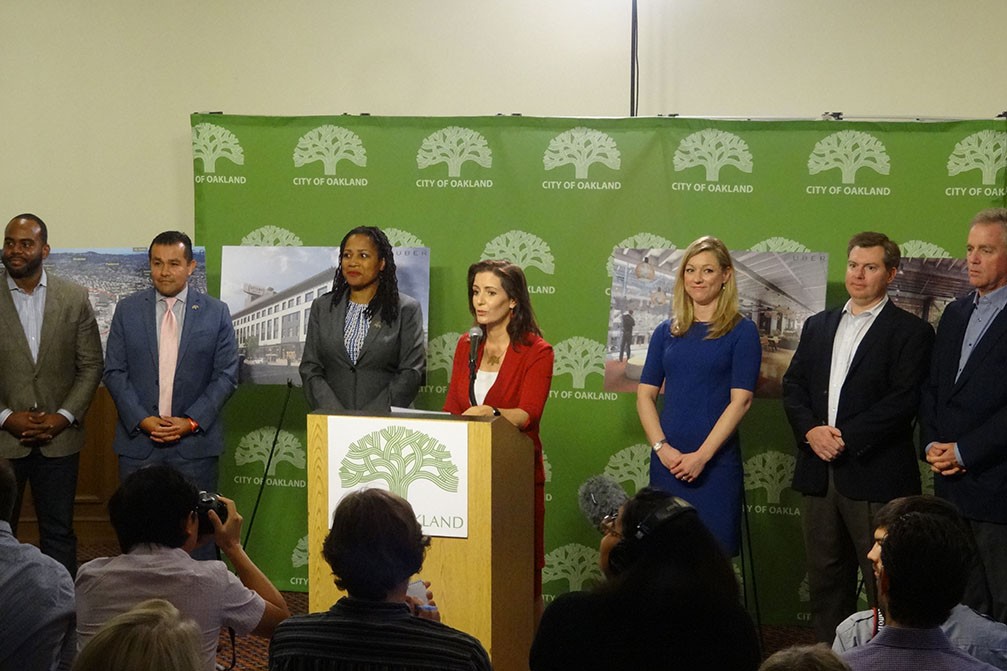
So what is Oakland doing other than “studying” stuff? Well, last week, city officials rolled out the red carpet for Uber — another giant of the misleadingly named “sharing economy” — to celebrate the company’s purchase of the old Sears building in Uptown. Mayor Libby Schaaf and council President Lynette Gibson McElhaney were practically giddy over Uber’s announcement.

Now, don’t get me wrong, it’s good news that the empty Sears building is going to have a new tenant that will supply local jobs. But a dog and pony show for Uber, a company whose long-term business model is anything but certain?

Despite the fact that Uber has attracted obscene amounts of investment capital, the company is facing some serious legal problems that threaten its viability in the years to come. On September 1, a federal judge ruled that Uber drivers in California can go forward with their class-action suit to force the company to treat them like employees rather than contractors. And late last week, the taxicab app company, Flywheel, sued in federal court, arguing that Uber, Lyft, and Sidecar receive unfair advantages in California and should be regulated just like any other taxi company. Flywheel is right: Uber and its ilk do receive unfair advantages. For example, their drivers don’t have to buy expensive city-issued medallions and undergo strict background checks, nor do the companies have to comply with local rules that mandate workers’ comp coverage for drivers, fuel-efficient cars, and access for disabled people.

Uber’s argument seems to be that it deserves special treatment, because it’s supposedly different from a taxi company. But that seems pretty weak. In fact, a federal judge in Chicago last week summarily dismissed it. US District Judge Sharon Johnson Coleman called the claim that Uber and other “for hire” ride companies should be regulated less than taxis “utterly arbitrary.”

So why does this matter? If Uber loses on these issues — if it’s forced to treat its drivers like employees and provide them with benefits, and if it’s regulated like any other taxi company — then it suddenly will no longer be some type of “disruptive” business; rather, it will be just another taxi company. And as such, it probably won’t have a need for the 300,000-plus- square-foot Sears building.

If that were to happen, then Oakland’s leaders, who should be devising solutions right now to the city’s affordability crisis, will have instead wasted time celebrating the arrival of a company that, at least in the short-term, might actually help worsen the housing crisis, while in the long-term, will likely leave the city with yet another abandoned building downtown.

Steeped in Ritual

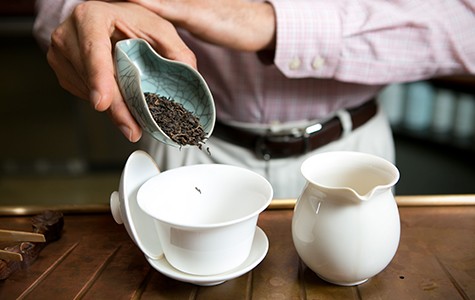
A properly prepared pot of tea is delightfully ritualistic. Asian tea culture dates back centuries, and encompasses an entire world of conventions and aesthetics. It’s much more than a tea tag hanging out of a to-go cup. Traditionally, tea is meant to be enjoyed mindfully, in the proper setting, with the appropriate tools. Being a Bay Area hub for meditation and other Buddhist practices, it’s not surprising that Berkeley is home to some of the best tea houses that the East Bay has to offer. These are the top places to get introduced to that vast world of fragrant, unfurling leaves.

Asha Tea House

2086 University Ave., 510-549-9137, AshaTeaHouse.com

Asha Tea House may not be the most peaceful place, but there is a reason why it’s constantly filled to the brim with customers. The pleasingly modern tearoom on the corner of Shattuck and University avenues in downtown Berkeley offers an exquisite selection of Taiwanese boba tea — an often milky tea-based drink filled with chewy tapioca balls. While the boba menu at Asha offers a depth and maturity of flavor that’s unmatched in the East Bay, Asha’s matcha and herbal tea menus are not to be overlooked.

Asha is one of few places where you can go to do work on your laptop — and that’s how most of the young patrons spend their time there — and also enjoy quality matcha (specially grown and powdered Japanese green tea) that has been traditionally prepared with a whisk in a wooden bowl. The result is a frothy, earthy beverage that’s unlike any steeped green tea you may be familiar with, and much more flavorful. Asha offers its matcha in a traditional bowl (ceremony style), as a small “shot,” a macchiato, a latte, or as affogato — thick green tea fragrantly poured over scoops of vanilla ice cream ($2.75–$5.25). Asha also offers a wide selection of artisanal loose leaf teas and herbal teas. Most are quite affordable, while some rare blends can be pricier. These can either be enjoyed to go, or through Asha’s “tea service.”

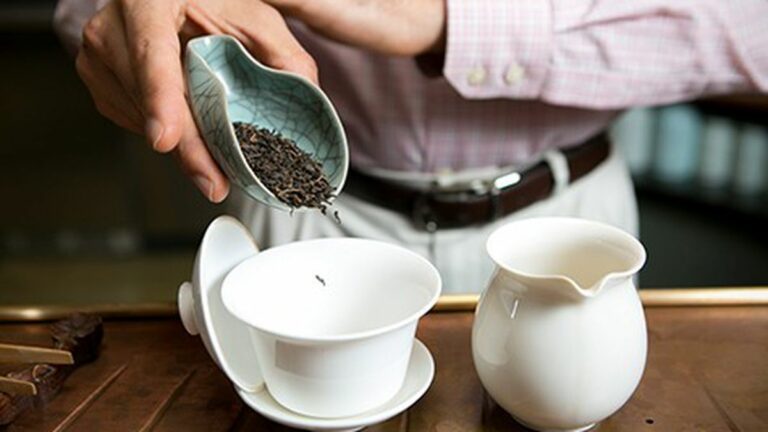
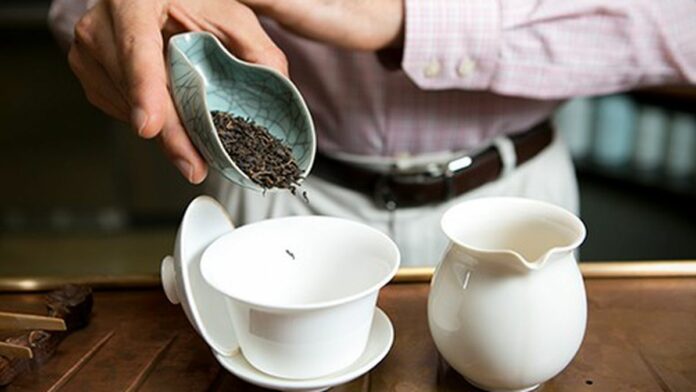
Luckily, there’s a special bar reserved for tea service patrons — often the only open seats in the house. The seats come equipped with a two-level wooden tray that catches any spilled tea. The tea arrives in a small bowl for brewing, with a petite pitcher of hot water and tea cups so that you can repeatedly brew and refill. Even in Asha’s sometimes hectic environment, the teaware manages to make the tea service experience far more enjoyable than a mere hydrating session.

Far Leaves Tea

2626 San Pablo Ave., 510-665-9409, FarLeaves.com

Far Leaves has a homey, unpretentious feel, decorated with plants, hanging lanterns, and worn, wooden tables. It offers its own brand of tea, including many special blends. In all, it sells approximately fifty teas, from familiar herbals to rare teas, including many puer varieties — strongly flavored fermented tea that comes in cakes of varying sizes. Part of the comfortable ambiance of the space comes from having each table equipped with its own electric kettle so that you can keep refilling at your leisure. While not overbearing, the staffers have a wealth of knowledge to offer and always deliver each tea in the proper style of pottery to accentuate the flavors. Patrons often bring laptops and stay a while — unwinding or working — and with the large space, it’s never cramped. Small Asian salty snacks and steamed buns are also available, although they’re not made in-house.

Teance

1780 Fourth St., 510-524-2832, Teance.com

Teance is Berkeley’s destination for a high-end tea experience. The extravagant yet tastefully designed storefront in the Fourth Street shopping district welcomes visitors with a trickling fountain and pond full of koi fish. Teance’s vast collection of teas is expertly sourced and finely packaged. But the main attraction is the store’s sophisticated tea bar, which is open 11 a.m. to 5:30 p.m. There, you can either order a pot of tea ($7–$10) gracefully prepared by a suave and knowledgeable bartender, or order a flight of tea for a tasting. For the latter, you get a tasting of three teas of your choosing or a pre-chosen selection based on a category — white, green, Taiwanese, etc. The tastings come with an elaborate educational presentation and take approximately an hour ($27). You can also pay more to get a tasting of the connoisseur teas, which are the shop’s best and most rare specialty teas.

If you’d rather not sit at the fancy bar, you can opt to take your tea upstairs to the cozier but still elegant lounge. Either way, one of the biggest draws to Teance is the glass case of delicate chocolates made especially for the shop by the Oakland Chocolate Company. On the weekends, Teance also offers matcha mochi cakes. Plus, it works with the local Caravaggio Gelateria to create aromatic tea-flavored gelatos that pair exquisitely with a hot pot.


Burning Palms

Arizona-based rock band Burning Palms’ self-titled debut album is a dense record that pulsates with thunderous drumbeats, reverb-heavy guitar licks, and screeching distortion that render its surf and country roots almost unrecognizable. Singers Julia Deconcini and Simone Stopford harmonize with a howling intensity that conjures images of tearing along the open highway at night. A dark aesthetic accompanies Burning Palms’ brooding sound: Its video for “Thorns,” one of the album’s singles, is a stop-motion animation in which snakes, beetles, and hair braids crawl over Deconcini and Stopford’s naked bodies as mysterious, geometric symbols go in and out of focus. The song’s rhythmic, repetitive structure and drawn-out, husky vocals make it sound like a hypnotizing hymn — which seems apt, as the band labels itself “witch rock.” As part of its current North American tour, Burning Palms plays at Leo’s on October 5 with Babewatch and the Peels.

Queens D.Light

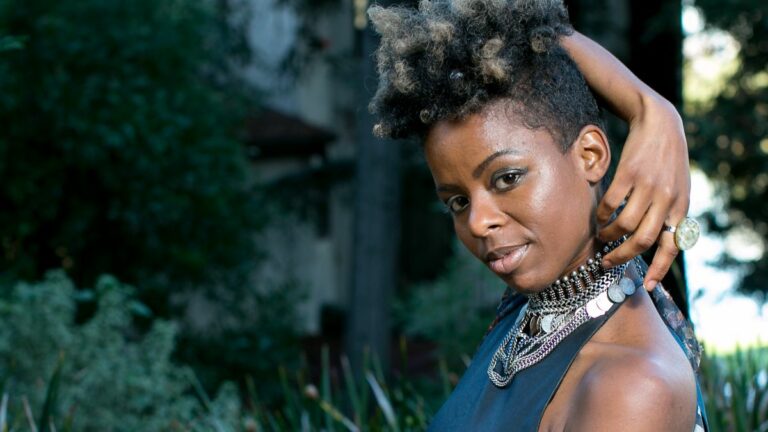
Ships in the Night is one of the East Bay’s most widely attended, monthly queer parties, so much so that the event’s organizers faced controversy last year for publishing an open letter that suggested that only LGBTQ people — and not straight allies — should attend. While some found this approach alienating, others agreed that a safe space for queer people, especially queer people of color, is paramount in the East Bay as gentrification progresses. With that said, this month’s Ships will be a good one: DJs Durt, Mutie, Minh La, and Rumorosa will spin party jams on the New Parish’s two dance floors. Local rapper Queens D.Light — who recently returned from an extended stay in New York City, where she worked on her forthcoming EP — will perform. While Queens’ last album, California Wildflower, featured down-tempo beats and lyrics that reflected on her Yoruba faith, her recent live shows have foregrounded unreleased tracks with more danceable production. The party’s proceeds will benefit El/La Para Trans Latinas, a nonprofit that provides a community space and Spanish-language health and counseling services to trans Latinas in the Bay Area.

Oakland by Queens D. Light

Correction for the Week of September 23, 2015

Correction

Our September 23 Legalization Nation column, “The Winners and Losers,” misspelled the last name of Sean Luse, president of the California Cannabis Industry Association.

The East Bay’s Best New Sweet Spots

Before opening a new shop, pastry chef Beth Woulfe spent six months testing out her baked goods on the crowds at the Alameda Farmers' Market. The chef, who grew up in the East Bay but had recently been working on the East Coast, wanted to get a sense of the region's tastes — and whether there was...

Plant-Based Sweets and Treats

One of the toughest things about going vegan is finding ways to replace favorite comfort foods with alternatives that are free of animal-derived ingredients. And while fake meats and savory veggie dishes are plentiful in the East Bay, finding the best go-to spots for vegan sweets that are comparable to their non-vegan counterparts can...

The Younger Lovers

Brontez Purnell, frontman of garage rock band the Younger Lovers, is a locally renowned musician, dancer, choreographer, and writer. But perhaps most fascinating of all is that, although mainstream museums and publications have championed his work, Purnell’s approach to his art has been adamantly DIY. Originally from rural Alabama, Purnell came to Oakland in the early Aughts and quickly...

Bay Area Vibez: Strictly Roots, Almost

The Bay Area Vibez festival landed at the Port of Oakland this past weekend, bringing world-renowned reggae, electronic, and hip-hop artists to Middle Harbor Shoreline Park — a vast, open space that overlooks the San Francisco skyline. In its first year, the event arrived with a seemingly enormous budget and star-studded lineup that included living legends Stephen...

Dragon Master’s Fellowship of the Twelve-Sided Dice

I first encountered Yee Olde Dragon Master's Guide to the Mighty Labyrinth Quest on a Thursday night in an unassuming Eastlake watering hole. I found myself in need of a drink before the weekend officially started, so I followed the strains of ragged folk-metal coming from inside the curtained façade of Rooz Cafe, hoping for a little beer and...

Oakland Leaders Still Missing in Action

Oakland's affordability crisis deepens every month. In August, the city was named the "nation's hottest rental market," because apartment prices had increased at a faster rate over the past year than in any other major American city. The median price for a one bedroom in Oakland soared to $1,980. And in September, the real estate firm Trulia reported that...

Steeped in Ritual

A properly prepared pot of tea is delightfully ritualistic. Asian tea culture dates back centuries, and encompasses an entire world of conventions and aesthetics. It's much more than a tea tag hanging out of a to-go cup. Traditionally, tea is meant to be enjoyed mindfully, in the proper setting, with the appropriate tools. Being a Bay Area...

Burning Palms

Arizona-based rock band Burning Palms’ self-titled debut album is a dense record that pulsates with thunderous drumbeats, reverb-heavy guitar licks, and screeching distortion that render its surf and country roots almost unrecognizable. Singers Julia Deconcini and Simone Stopford harmonize with a howling intensity that conjures images of tearing along the open highway at night. A dark aesthetic accompanies Burning...

Queens D.Light

Ships in the Night is one of the East Bay’s most widely attended, monthly queer parties, so much so that the event’s organizers faced controversy last year for publishing an open letter that suggested that only LGBTQ people — and not straight allies — should attend. While some found this approach alienating, others agreed that a safe space for queer...

Correction for the Week of September 23, 2015

Correction Our September 23 Legalization Nation column, "The Winners and Losers," misspelled the last name of Sean Luse, president of the California Cannabis Industry Association.
19,045FansLike
17,709FollowersFollow
61,790FollowersFollow