Homemade African peanut stew and freshly baked sourdough bread made by Josephine cooks Alex Hrvatin and Jessica Kalar.
Credits: Sydney Johnson
Around 7 p.m. last Thursday evening, the final guests trickled out of the home of Laurel residents Alex Hrvatin and Jessica Kalar. After three hours of serving and mingling, Hrvatin, a classically trained chef from Ohio, handed off the couple’s last serving of a homemade African peanut stew and freshly baked sourdough bread.
It’s a timelessly familiar exchange. A neighbor comes over, conversation is had, good food is shared. But unlike the hosts of a traditional dinner party, Hrvatin and Kalar are getting paid for the fresh, home-cooked meals they prepare for their neighbors several nights a week, with the help of an increasingly popular website called Josephine.
[jump]
“It’s so simple,” said Kalar. “We keep saying the goal is to bring things back… This is where you are connecting with people in your neighborhood who cook. It’s extending hospitality to strangers.”
But Josephine chefs such as Hrvatin and Kalar face a challenge. Because they aren’t operating a restaurant but also aren’t simply serving “dinner at the neighbors,” the work these home cooks are doing falls into somewhat of a legal gray area. This puts both Josephine and the cooks who use its online platform at risk of being shut down, despite the company’s own inspections and onboarding processes, which CEO and co-founder Charley Wang said are modeled after county-level inspections and have been “modified to include education and inspection for safety and hygiene practices specific to homes rather than commercial facilities.”
Founded in October 2014, the Oakland-based food startup allows Bay Area home cooks to get paid for preparing meals straight from their own kitchen. Online, customers can look up what meals are being offered in their area, pay and RSVP directly via the Josephine website, then arrive at the chef’s house later that evening to pick up their food. The company has received praise for the way it fosters community, supports small business and culinary talent, and opens up the economy to groups such as immigrants, stay-at-home parents, underrepresented minority groups, and disabled workers, for whom Josephine staff members stress cooking can be a viable source of economic empowerment.
Similar to other “sharing economy” workers, Josephine cooks are technically considered contractors. “They decide when to cook, how to cook, how to price. They get all the money and pay us a percentage for our services,” Wang said. He explained that contracted cooks at Josephine get 90 percent of their sales, unless they are a non-profit, in which case they receive 100 percent. The 10 percent cut covers liability insurance, food containers, a refund for their California food handler’s card, and other operational costs.
However unlike many other tech startups, which have gained a reputation for averting the law, Wang said his company is taking a different approach to its legal challenges. In order to protect its workers and avoid legal repercussions down the line, Wang and fellow Josephine co-founder Tal Safran are exploring ways to expand existing homemade food legislation.
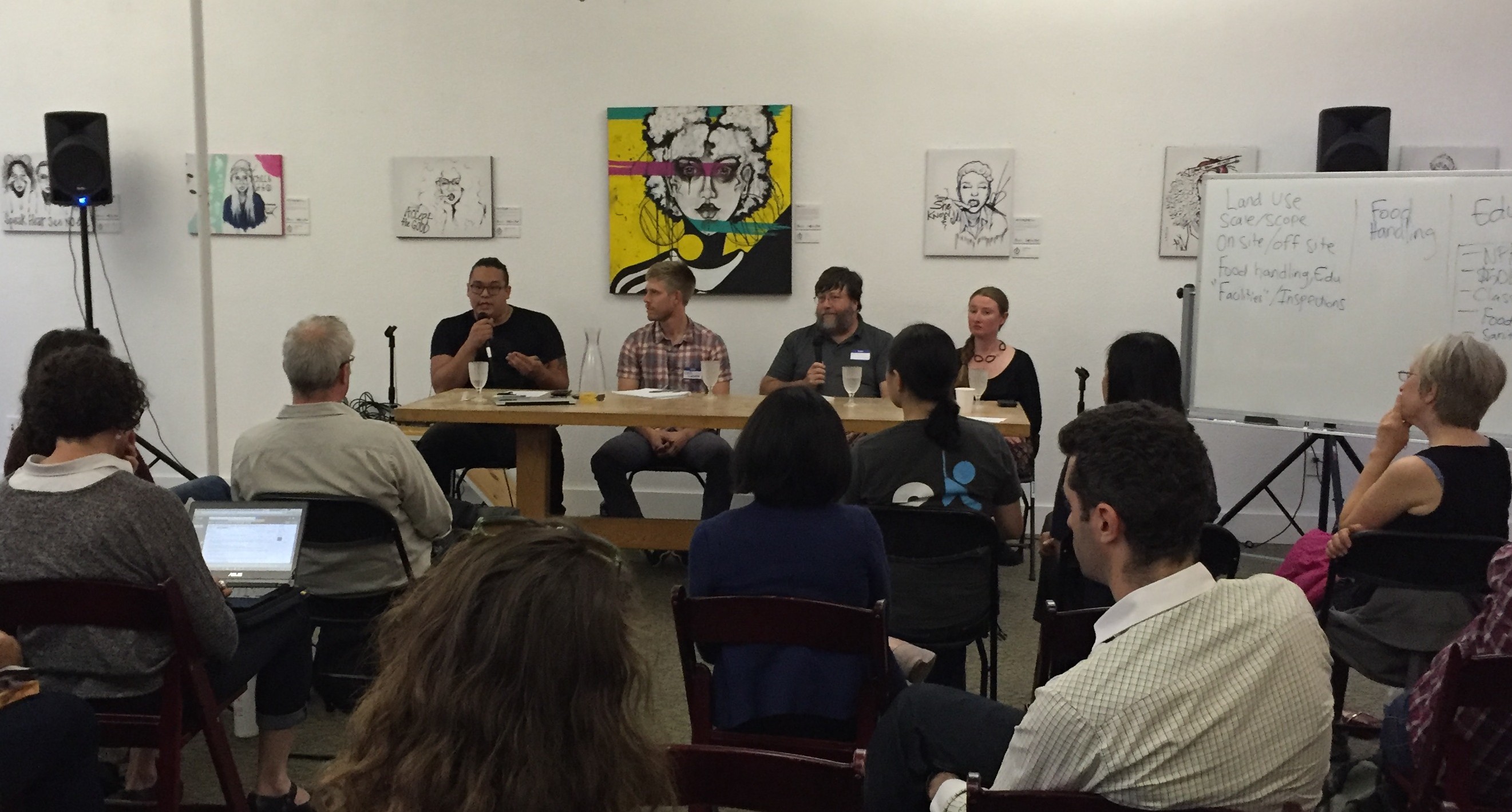
Josephine CEO Charley Wang talks at the first town hall to discuss expanding the California Homemade Food Act.
Credits: Sydney Johnson
In order to open up the conversation, Josephine is hosting a series of town hall meetings to share ideas about what this legislation should look like. Their kick-off event took place last Wednesday, when Josephine invited its employees, cooks, legal experts, and other food industry workers to discuss the legislation, which is still in its early planning stage. At the meeting, Policy Director at the Sustainable Law Economies Center Christina Oatfield shed light on the work that’s already been done to legitimize home food sales, like the California Homemade Food Act, which went into effect January 2013.
According to Oatfield, the California Homemade Food Act (AB 1616) enables cottage food operations (CFO), or a private home food enterprises, to sell “low-risk food products that do not require refrigeration” — home-made jams or dry goods, for example — to customers. Though a step in the right direction, Oatfield and Wang argued that the current law has several limitations. For starters, it doesn’t permit sales of fresh or fermented foods like the meals Hrvatin and Kalar have been preparing for guests. It also caps revenue for CFO operators at $50,000 in annual gross sales. And if cooks want a Class B permit, which is required to sell to third-party retailers, they have to fork up more cash.
Still, for many aspiring chefs, a home food business is a far more accessible option starting a restaurant or renting space in a commercial kitchen. “I have student loans; I don’t have the capital for something like that. Just to have a professional kitchen is a huge cost. This could change the entire industry,” Hrvatin said.
“This is $250,000 important,” said Kalar. “That’s how much you need to start a business. To build the separate kitchen, to get the insurance, licensing, marketing. This is huge.”
The legislation expansion has received support from cooks, consumers, and food industry workers. To date, a Josephine-sponsored petition to expand the Homemade Food Act has gathered 1,441 signatures — just 49 shy of it’s goal. And in February, California State Assemblymember Cheryl Brown introduced AB 2593, which, according to the Sustainable Economies Law Center, aims to “legalize the sales of homemade food, including hot meals, within certain limits.”
Josephine COO Matt Jorgensen suggested last Wednesday that the previous bill served to get the ball rolling, and that these town halls would provide input to help develop the bill further. “The revised bill language… was honestly written (based off the 2012 Home Made Food Act) before we’d gotten a lot of the specific feedback from regulators,” Jorgensen wrote in an email.
Josephine cook Reneé McGhee, who had to leave her previous job after an accident put both of her hands in casts, said the business has enabled her to work again, and having the protection of the law is important to her as a home cook. “This is extremely important because, along with what we are doing, we also need a certain amount of credibility,” she said.
Nevertheless, some town hall attendees questioned whether a legislative remedy was even necessary. They pointed out how many home food operations exist outside of Josephine’s roster, and it’s not uncommon for those who don’t meet the CFO standards to simply operate as an underground business. Kalar openly acknowledges this: “I grew up with a grandma and great aunt who had a business in their basement,” she said. “This is a very normal thing.”
Calling out other sharing economy startups like Uber and AirBnB, Oatfield said she and many others are concerned about what happens when emerging tech companies like Josephine become more popular and begin being used on a large scale.
“Charley is thinking about longevity, when this is more than a few dozen cooks, when it’s the whole Bay Area or the entire country,” said Kalar. “I’m sure down the road it’s going to get big, and it could hit some bumps, so we need to get ready and prepare for those bumps.”
In a recent blog post, Jorgensen wrote, “For most tech companies, evading the regulatory system is the default for as long as possible. Independent self-regulation makes this approach morally and practically tenable — i.e. grow grow grow. … At Josephine, we’ve explicitly decided to engage in the political process — which is typically a last resort for companies of our scale,” he continued.
The potential legal solution through expanding the Homemade Food Act, which Wang and Jorgensen said could take over a year to see through, was posed as a win-win. The legislation would support cooks by legitimizing more homemade food businesses, while also allowing for-profit enterprises like Josephine to grow without the looming threat of legal backlash.
As the policy talks and future town hall meetings move forward, Oakland native and urban farmer Brandi Mack urged those at the meeting to proceed with care and caution. “We must think about the reality that most policies put in place are to keep certain folks in power and others disempowered,” she said. “We should be looking at creating some policy around that and so we are still supporting the margin of who can cook and who can’t.”
Wang said the next town hall meeting will likely take place in June, though the exact date has yet to be determined.
Welcome to the Mid-Week Menu, our roundup of East Bay food news.
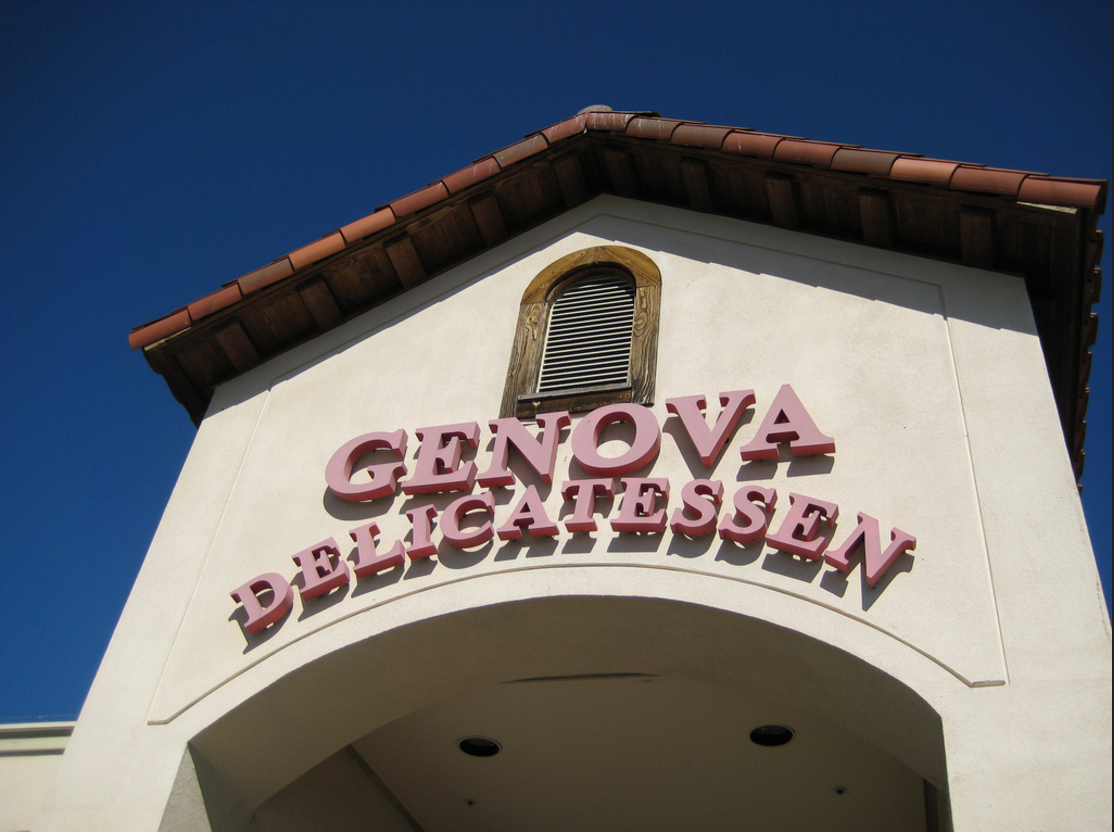
1) Earlier this year, the Express broke the story that Genova Delicatessen — a Temescal institution for ninety years, and one of the last vestiges of that neighborhood’s history as an Italian-American enclave — would likely close this spring due to an untenable rent hike. Sadly, the Mercury News reports that Genova’s owners have now announced that April 30 will, in fact, be the deli’s last day of business, the desperate pleas of longtime customers notwithstanding.
In the end, the deli’s owners told the Mercury News that the rent increase was only one factor — a part of the overall rising cost of doing business — that ultimately led to the decision. The landlord is reportedly looking for a local operator to continue running the location as a deli.
There aren’t many restaurants in Oakland that are as beloved, by as wide a swath of local residents, as Genova Delicatessen. I’m sure we’ll see a slew of loving remembrances posted in the coming week. Here’s mine.
2) The Ike’s sandwich empire’s expansion continues unabated, with one new shop recently opened in Rockridge and another coming soon, Berkeleyside Nosh reports, to a former Togo’s location at 2172 Shattuck Avenue in downtown Berkeley.
4) Inside Scoop has a few new details about the new incarnation of the Bay Wolf (3853 Piedmont Ave., Oakland), which shuttered last summer and was taken over by the owners of Rockridge’s Wood Tavern and Southie. Most notably, the restaurant will be called The Wolf, and it is now tentatively slated to open in November.
5) The Center for Urban Education about Sustainable Agriculture (CUESA), the organization best known for running the farmers’ market at the San Francisco Ferry Building, is taking over the Sunday farmers’ market at Jack London Square — perhaps the next step in the long-delayed “Ferry Building-ization” of Jack London Square? The farmers’ market will be closed for the next two Sundays, and will reopen under its new management on May 15.
Ube ice cream on a coconut almond chip cookie, at Cookiebar (via Facebook).
6) A new branch of Cookiebar Creamery, the Alameda-based mix-and-match build-your-own ice cream sandwich shop, will open on Friday, April 29 in Old Oakland, at 517 8th Street, Inside Scoop reports.
Got tips or suggestions? Email me at Luke (dot) Tsai (at) EastBayExpress (dot) com. Otherwise, keep in touch by following me on Twitter @theluketsai, or simply by posting a comment. I’ll read ‘em all.
The Kenneth Rainin Foundation announced earlier this week that it will be funding up to four temporary public art projects in Oakland or San Francisco with grants between $50,000 and $200,000 per project. A recent press release said that the foundation is specifically looking for place-based projects that “engage communities, showcase artistic experimentation, and energize public spaces.”
The new public art program is called Open Spaces, and aims to showcase the work of both emerging and established artists in a range of disciplines. That makes this a rare opportunity for artists to think on a massive scale — and budget — even if they don’t specialize in public art.
The foundation is accepting Letters of Inquiry with brief project proposals between May 16 and June 30. Then, a small group of finalists from that pool will be given $5,000 to further develop their projects and submit a detailed proposal in mid-September. Up to four of those full proposals will receive funding.
To apply, artists must have a nonprofit partner (or vice versa) to help spearhead the project. The nonprofits (or organization with a 501c3 fiscal sponsor) must be based in the Bay Area, but the artist doesn’t necessarily have to be local as long as the organization is playing a strong role. Proposed sites must be located in either Oakland or San Francisco, and high-density urban areas that are easily accessible via public transportation will be prioritized.
Medium-wise, the foundation says its open to technology-based works, light-based artworks, video and film projections, sound sculpture, socially engaged art practice, conceptual works, performance-based visual arts projects, as well as more traditional visual arts work. See more details about the application process here.
Os Gemeos’ “The GIANT” mural in San Francisco (part of the “Light Up Central Market” project by Luggage Store Gallery, Hyphae Design Laboratory and Nighthouse Studio).
Credits: Courtesy Kenneth Rainin Foundation
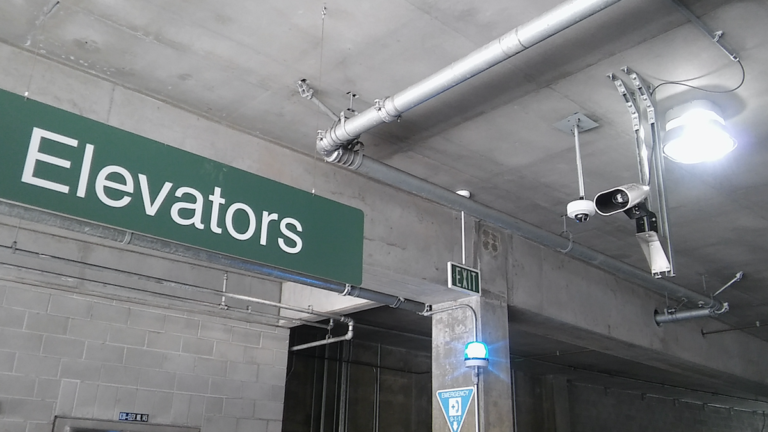
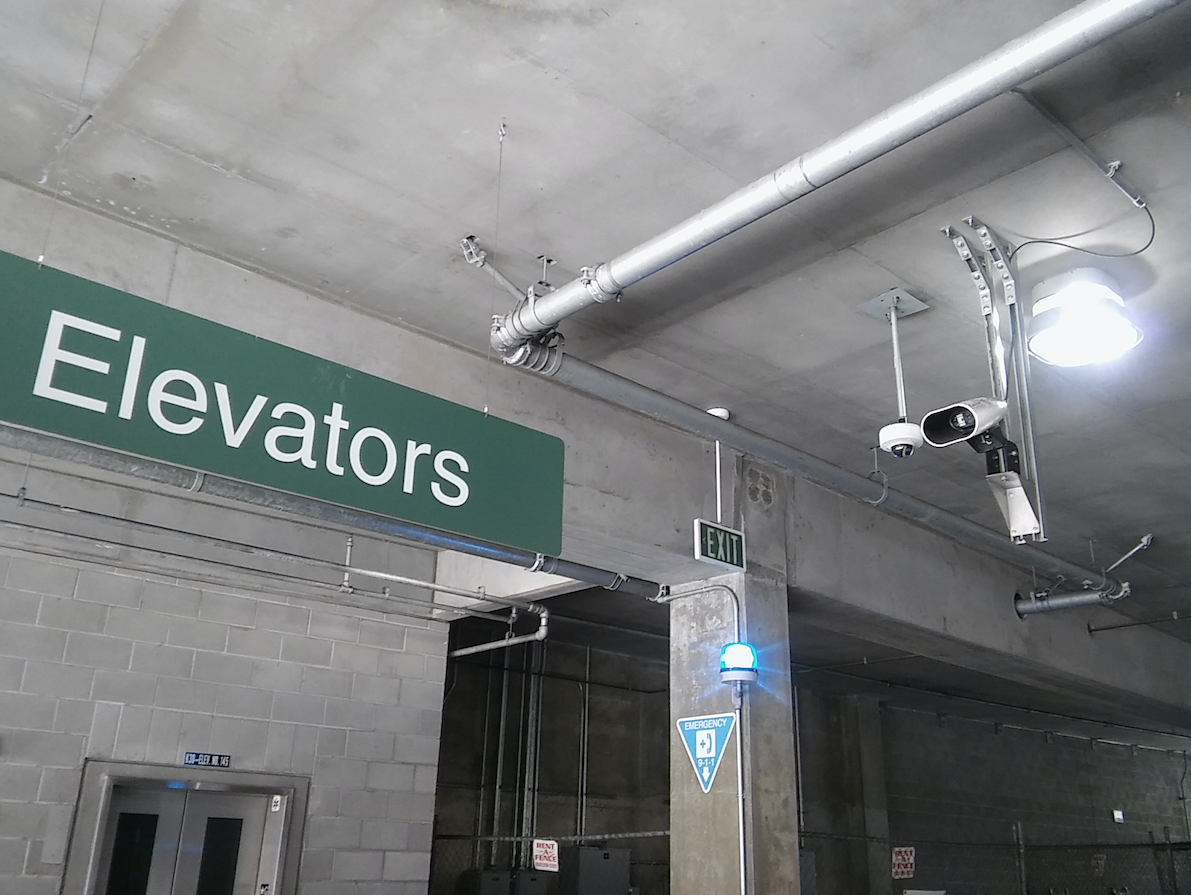
ALPR cameras the BART police installed in the MacArthur Station Parking Garage.
Credits: Darwin BondGraham
The Bay Area Rapid Transit system’s police agency has already installed automated license plate reader surveillance cameras at a busy Oakland BART station, according to a memo BART Director Grace Crunican sent to the transit district’s board of directors in advance of their meeting tomorrow in Oakland.
[jump]
According to Crunican, BART obtained state transportation funds in 2013 to install license plate reader cameras, or ALPRs, in the new parking garage at MacArthur Station as part of a pilot program. Alicia Trost, a spokeswoman for BART, said BART spent $62,500 in state funds for the cameras and other equipment.
The installation was completed last November apparently without public notice. The pilot program is so that BART can test the cameras in advance of installing similar surveillance systems at other stations across the Bay Area, according to BART records.
The cameras can produce images of vehicles and people, and they automatically read license plates and check this information against law enforcement databases. According to a BART Police Department bulletin included in tomorrow’s board meeting agenda packet, the ALPR system will be used to identify stolen or wanted vehicles, stolen license plates and missing persons; to gather information related to active warrants; for parking fee collection and enforcement; and for homeland security purposes.
According to BART records, all data gathered by BART’s ALPR system will be sent to the Northern California Regional Intelligence Center, or NCRIC, a law-enforcement clearinghouse that shares surveillance information across agencies in the Bay Area.
Trost said there is no immediate plan to install ALPR at other BART stations. “Depending on how the MacArthur Parking Garage project goes, as well as identification of funding, we may install the technology at other locations in the future,” Trost wrote in an email to the Express. She said that BART police could use the technology to prevent costly crimes such as a recent rash of catalytic converter thefts in BART parking lots.
But civil libertarians are worried about BART’s ALPR program because it could be misused by the transit agency or its employees to spy on the public or target constitutionally protected activities. They say they plan to attend tomorrow’s board meeting to make their concerns clear.
“Do we want to live in a world where every move we make and every keystroke we type are monitored?” said JP Massar, a member of the Oakland Privacy Working Group.
Massar said deploying ALPR across BART’s stations would also be expensive and may not lead to an improvement in public safety. “This is basically BART police being able to deploy a cool, new toy with no evaluation of cost versus benefit.”
Mike Katz-Lacabe, a San Leandro resident who works in computer security, said BART’s implementation of ALPR surveillance without any public notice is disturbing. “The danger of BART using ALPR is that it is another use of surveillance technology that was implemented without any public discussion about its possible privacy implications prior to being implemented,” said Katz-Lacabe. “The bulk of data collected, 99.7-99.8 percent will be of people who are not suspected of, or charged with any crime, and the data collected includes not just license plates, but photos of the vehicle and occupants.”
Katz-Lacabe added: “the plan seems to be to install license plate readers at all BART parking lots. The public should know why law enforcement wants to install the license plate readers before they were installed. Only then can the public have some input into whether license plate readers should be installed at all.”
Trost said BART is committed to striking the right balance between privacy rights and safety, and that the agency will follow the rules spelled out in Senate Bill 34, a new state law governing the use of license plate readers by law enforcement agencies.
“The BART Police Civilian Review Board provides oversight for the Department and will be actively involved in policy development [for ALPR],” wrote Trost. “Additionally, just as we did when we implemented body worn cameras, we have contacted the ACLU to involve them in the discussion. Lastly, and specifically related to ALPR technology, State law (SB 34 – October 2015) emphasizes transparency, policy, and procedure, while providing guidelines and requirements to ensure privacy and security.”
But Tracy Rosenberg, the executive director of the Media Alliance and member of the Oakland Privacy Working Group, said BART’s ALPR program doesn’t appear to be following some of the letter and spirit spelled out in SB 34.
“What is the authorization for BART’s statement that they will not issue a formal policy until the technology is adopted for ‘long-term use’?'” said Rosenberg. “SB 34 has no provisions for pilot use exempting an ALPR [system] operator from the policy usage requirement.”
Correction: the original version of this story stated that BART is already collecting data with its ALPR system installed at MacArthur Station. According to BART, the system has not yet been activated.
Cristina Victor leading a flag-making workshop at SOMArts Cultural Center.
Credits: Courtesy of Cristina Victor
For Cuban-American artist Cristina Victor flags serve more than a practical purpose — they are also works of art. Victor’s next project, “My Story is My Flag,” is a collaborative effort commissioned by Interface Gallery that Victor will undertake along with a cohort of students from Oakland International High School. Together, Victor and the students will produce a series of twelve flags that will be displayed along Telegraph Avenue for four weeks beginning on June 14.
[jump]
Flag-making is an apt project for Oakland International High School students, nearly all of whom are English-language learners who have immigrated to the United States within the last four years. The student body includes immigrants from 33 different countries, and 33 percent of these students are refugees. “My Story is My Flag” will allow this diverse group of students to negotiate matters of nationhood, identity, and belonging through the flag-making process.
Victor, who has prior experience facilitating public workshops, including a 2014 vexillology (the study of flags) workshop at SOMArts Cultural Center, will be working alongside Oakland International High School to support instructors Tygue Luecke and Madenhali Hassan as they carry out the project.
The trio will lead the students through a curriculum that includes studying flags and their symbolism, journaling, field trips, and using flag design as a way to express their cultural and personal identities. Working in groups of no more than three, the students will produce to-scale designs of seven or eight flags. Victor will design the remaining four or five flags and fabricate all twelve using an industrial sewing machine and weatherproof vinyl.
The entire project will be carried out during Oakland International High School’s “post session,” a daily, intensive series of classes during which students make up a year’s worth of art credits in three weeks, between May 23 and June 10.
To commission the project, Interface Gallery founder and director Suzanne L’Heureux applied for and received a $2,000 matching grant from the East Bay Fund for Artists. To meet the matching grant goal, Interface Gallery’s fiscal sponsor, Intersection for the Arts, has launched a fundraising campaign on Flipcause, a site dedicated to non-profit fundraising.
The $3,600 fundraising goal accounts for the $2,000 needed for the matching grant, as well as a surplus sum to cover materials, marketing, and other miscellaneous costs. The fundraising campaign officially ends on June 14, the project’s opening date. But, as L’Heureux explained in a recent interview, she is hoping that the project can reach its fundraising goal well before then.
On June 14, Victor and the students will be present to lead tours and talk to community members about their work. The flags, which will measure two-feet wide by four-feet tall, will be hung on existing street posts along Telegraph Avenue between 51st and 45th Streets.
In all, L’Heureux is most excited about the project’s potential to deepen a sense of connection among community members and the Oakland International High School student body. “I live right up the street from [Interface Gallery] and I walk by Oakland International High School students on a daily basis,” L’Heureux said. “There’s these young people coming into our community all the time. … I thought it would be a really great way to bring the communities together.”
GOP frontrunner/blowhard supreme Donald Trump swept last night’s almost-super Tuesday primary vote. This result was somewhat unexpected. But perhaps more surprising was his post-vote victory news conference. As Los Angeles Times Capitol bureau chief John Myers put it, his speech was “unprecedented moment in an unprecedented election year.”
Trump declared himself the presumptive nominee. He scoffed at Sen. Ted Cruz, saying the race was done, over. He may have even dropped the term donezo (I had to tune out for a moment). Then, he blasted Hillary Clinton as “crooked” and unfit to be president. He went so far as to flip his switch to full-on misogyny mode, arguing that Clinton didn’t have the “strength” or “stamina” to deal with foreign-policy matters, such as China. That she doesn’t have the “energy” to be president. Yikes.
Anyway, his big win and subsequent bombast no doubt only fueled the outrage among activists planning to protest his Bay Area appearance this Friday. That’s right: Trump will delivery the keynote lunch address at the California GOP’s annual meeting in Burlingame at noon on April 27.
What do tattoo art, veganism and Italian home cooking have in common? Maybe not a whole lot — unless you happen to be a vegan tattoo artist who grew up in Italy.
But these are the themes of Mama Tried: Traditional Italian Cooking for the Screwed, Crude, Vegan, and Tattooed, a new illustrated cookbook by Cecilia Granata, a Berkeley-based tattoo artist and freelance illustrator.
“L” is for limoncello.
Credits: Cecilia Granata
The book has been a long time in the making. In an interview, Granata explained that she gave up eating animal products many years before she started doing tattoos for a living. This was back in 2005, when Granata still lived in Milan, Italy, where at the time it seemed like no one was vegan, and even basic staples such as soy milk proved nearly impossible to get a hold of.
Despite that fact, Granata said she didn’t find the transition to veganism that hard. That’s because, like any good Italian, she learned how to cook for herself from an early age; her mother and nonna made sure of that. Mama Tried is a kind of love letter to that Italian home-cooking education.
Another reason Granata decided to tackle the project is because she came to the conclusion that there is more that connects veganism and tattoo art than just her own personal enthusiasm for both. Granata, whose day job is at the Albany location of Sacred Rose Tattoo, explained that vegans have formed a sizeable chunk of her customer base, and over the years, they’ve asked her to create an assortment of vegan-themed, “anti-cruelty” tattoos, some of which eventually made it into the book. (One of these, labeled “Cereal Killer,” features a grain-devouring tiger; the design covered a customer’s entire stomach, complete with a spoonful of cereal getting shoved into his belly button.)
More than that, Granata sees the “fresh-edgy-pop” look of her tattoo-style illustrations as a way to keep meat-free cooking fun, and to ease some of the “heaviness” that’s sometimes associated with vegan politics.
The cookbook spans multiple regions of Italy, and its one hundred-plus recipes include some that are naturally vegan (deep-fried chickpea fritters, for instance) and others that Granata has carefully “veganized”— though, given Italy’s famous salumi- and cheese-loving ways, it should come as no surprise that there are more of the latter than the former.
Dedicated vegans won’t be surprised to hear that Granata found cheeses to be the hardest thing to veganize — cheese being “a constant experiment, really, for every vegan,” she explained.
Her favorite recipe in the book? Granata cites the saffron-tinged risotto alla Milanese, because it’s the one dish that reminds her the most of her childhood.
I’ve yet to test any of the recipes in Mama Tried, so I won’t comment on their quality. I did appreciate that, in keeping with the traditions of rustic Italian cooking, Granata’s recipes tend toward simplicity — even despite the outsized presence of ingredients such as agar-agar, nutritional yeast, and various fake meat products.
That said, there’s plenty to recommend the book even if you treat it purely as an art object. Organized alphabetically so that the recipes jump from category to category (homemade limoncello followed by melanzane con capperi e olive, i.e. eggplant with capers and olives), the cookbook resembles a children’s picture book — for the kind of rad kid who’s into horned, vaguely demonic ladies with “Praise Seitan” tattooed across their chests.
Granata cites a variety of artistic inspirations, which include horror movies, skateboard culture, Renaissance paintings, Hindu iconography, and Mexican folk art. My favorite illustrations were the “veganized” versions of Renaissance portraits. In one interpretation of a Flemish painting, a well-to-do lady forms a heart shape with her fingertips, to go with a recipe for baci di dama (“lady’s kisses” cookies). The illustration for the limoncello recipe is a version of the 17th-century Italian painter Bernadino Mei’s “Ghismonda with the Heart of Guiscardo,” in which a young woman holds her lover’s heart, which has been stabbed with a dagger, in a little tray.
If ever there was a picture that made being vegan seem badass: In Granata’s version, the heart has been replaced with a lemon.
You can meet Granata and try her cooking at a book signing at the vegan shop Vegan Republic (1624 University Ave., Berkeley) on Friday, May 13, 6–8 p.m. Granata said she plans to prepare two cold “omelets,” two kinds of pizza, and a vegan chocolate “salami” to serve at the event.
Writer-director John Carney’s Sing Street fits in comfortably with the filmmaker’s 2007 romantic musical hit Once, but the milieu has just as much to do with The Commitments, the 1991 Roddy Doyle-Alan Parker movie about young Dubliners and their R&B band. Same hostile-but-lovable Irish environment, same underdog struggle, same fizzy romanticism.
It’s 1985, a time when English pop groups like Duran Duran and The Cure rule the charts and every kid yearns to wear eye shadow, play keyboards, and make a rock vid. A sensitive, artistic teenager named Conor (Ferdia Walsh-Peelo) has to contend with mom-and-dad strife at home and bullies at the parochial school he attends, from the head Christian Brother (Don Wycherley) all the way down. So he copes by doing what anyone would — he starts a rock band. A typical assortment of harmless misfits congeals around Conor, including a disconcertingly glamorous would-be model named Raphina (Lucy Boynton), who wants to get on MTV. Hills and dales, ups and downs, brickbats followed by stolen kisses. Conor and his friends are green, green, green as the moss under their feet, but their songs are surprisingly catchy and miraculously well sound-mixed. Conor and Raphina dream of taking London by storm.
The cast of Sing Street.
Irish coming-of-agers such as this are invariably sweet, but not so sweet that you feel like a fool for going along with their charming dreamers. Walsh-Peelo and Boynton make a moist, loverly twosome, and the song-writing duo of Conor and Eamon (Mark McKenna) are dead ringers for the young Paul McCartney and John Lennon. Also good on the home front are Jack Reynor as Conor’s stoner big brother Brendan, and Maria Doyle Kennedy (from The Commitments) as their mother. No one will ever hate him- or herself for going along with the sentimental Irish improbabilities of Sing Street.
Streaming revenue doesn’t turn much of a profit for most musicians, so in recent years, many enterprising rappers have expanded into other ventures to make a living, particularly in the realm of mind-altering substances.
E-40 has his wine company, Earl Stevens Selections, among various other alcohol brands; Nef the Pharaoh is lending his name to pre-rolled joints called Pharaohs. Berner is the proprietor of Cookies — a clothing brand with a stoner-centric ethos and nebulous ties to the San Francisco cannabis club and weed strain of the same name — and Hemp2o, a hemp seed-infused take on Vitamin Water.
The Bill Graham Civic Auditorium was already filled
Credits: Bert JohnsonIn contrast to his druggy persona, Juicy J was completely lucid and delivered an impeccable performance.
Credits: Bert JohnsonThe Bill Graham Civic Auditorium was already filled with dense clouds of smoke long before sunset.
Credits: Bert Johnson
Between Cookies and his music, Berner has built a veritable cannabis-centric lifestyle brand empire — a Hempire, if you will, which is also the title of his latest album. And with California’s cannabis culture becoming increasingly mainstream, Berner’s entertainment ventures are gaining an ever-expanding audience.
Unfortunately, there were few women in the crowd who weren’t with their boyfriends, but more gender-diverse booking would have helped make a less male-dominated crowd.
Credits: Bert Johnson
Berner Presents Hippie Hill, a 4/20 concert that was actually more like a mini music festival, was Berner’s latest endeavor at the intersection of hip-hop and weed. When I arrived at Bill Graham Civic Auditorium at 5 p.m. for the show, though the afternoon sun wasn’t close to setting yet, the venue was dark inside and already filled with dense clouds of smoke.
Though it was 4/20, the concert surprisingly started on time, with HBK Gang’s Kool John opening the show. The “Blue Hunnids” rapper had an inopportune time slot, but he and his special guests, such as Ezale and Dave Steezy, energized the crowd, charismatically bouncing across the stage in tie-dye and happy face-emblazoned Shmoplife gear.
The audience wasn’t ready to get hyphy that early, but the HBK guys delivered an admirably energetic show. As he had been tweeting about all week, Kool John puffed on one of those burrito-sized joints — no exaggeration — the first of many unconventional smoking apparatuses displayed throughout the concert. (Later on, Berner and B-Real of Cypress Hill would take the stage smoking a forearm-length joint fashioned in the shape of a sword.)
Kool John brought out many surprise guests from his music collective, HBK Gang.
Credits: Bert Johnson
Though the crowd was diverse in terms of age and ethnicity, the emphasis on weed and streetwear brought out a strong contingent of twenty and thirtysomething-year-old sneakerhead dudes. Unfortunately, the lack of female artists in the lineup attracted a similarly male-dominated crowd, and there were few women in the audience who weren’t with their boyfriends — which is a shame, because women like weed and rap, too. More gender-diverse booking would have helped mitigate that issue, and as a woman, it was slightly awkward to listen to Kool John’s songs about girls twerking while surrounded by mostly men. Refreshingly, though, there were few-to-no visible yuppies — a rarity for a San Francisco concert in 2016.
Dizzy Wright, a young Las Vegas rapper with conscious rhymes and Nineties-influenced, boom-bap production, took the stage after Kool John and delivered an excellent set with a live drummer and DJ who scratched vinyl. With mixtape titles like The Gold Age, it’s clear that Dizzy Wright adulates hip-hop’s old school. He demonstrated his commitment to the craft with his acrobatic, speedy spitting.
Despite his disarming stage presence, Dizzy Wright’s efforts failed to inspire the blunted crowd to move. People were bobbing their heads and having a good time, but were too stoned to be bothered to dance, especially because it was still early. “Y’all look high,” he observed at one point. The immobilized audience giggled in response. “I don’t wanna take you out of your comfort zone.”
Berner has built a veritable cannabis-centric lifestyle brand empire.
Credits: Bert Johnson
Three 6 Mafia legend Juicy J delivered one of the evening’s most captivating performances. With hits like “Bands a Make Her Dance” and “Get Higher,” Juicy J continued his career into the 2010s writing songs that blatantly celebrate drug use — not weed, which is totally tame in today’s day and age, but lean, molly, Xanax, and the like. But in contrast to his druggy persona (which undoubtedly helps him capitalize on his youthful fan base), Juicy J was completely lucid and delivered an impeccable performance that showcased his skills on the mic. At this point, the crowd was more turnt up — though still very stoned — and people rapped along gleefully.
The most gratifying parts of Juicy J’s set were when he performed some of Three 6 Mafia’s early hits. The dark sound of Three 6 Mafia and other Nineties and 2000s Memphis horrorcore was a precursor to the ominous, high hat-driven trap production popular today. Seeing him play older songs like 2005’s “Stay Fly” reminded the audience of his far-reaching influence.
Berner took the stage flexing his status as a weed mogul and self-made artist. “I was born and raised in San Francisco,” he said as smoke clouds billowed up from the crowd. “I didn’t think I would ever sell out this venue.” Berner’s contemplative, lyrical hip-hop — with plenty of gorgeous jazz and soul samples sprinkled throughout — resonated with the mellow audience. Throughout his set, he celebrated cannabis culture, taunted the police (“They see the smoke leaking out of the venue.”) to approving cheers, and touted his Mexican roots.
B-Real of Cypress Hill joined Berner on stage, segueing his set into Cypress Hill’s via a seamless transition. At this point, the concert had been going on for nearly six hours. Smoke visibly floated throughout the cavernous concert hall. Audience members were beginning to doze off in the seated area of the venue — not because Cypress Hill didn’t put on an entertaining show, which they did, but because of the sheer lack of oxygen.
Berner mentioned during his set that Berner Presents Hippie Hill was going to become an annual thing. An outdoor, daytime festival would have probably made for a better setting for this type of event — something I hope he’ll consider next year.
Regardless, though, the concert was a success — a testament to the more progressive cultural shifts in regards to cannabis, as well as a sort of coronation for Berner as the king of his Hempire.
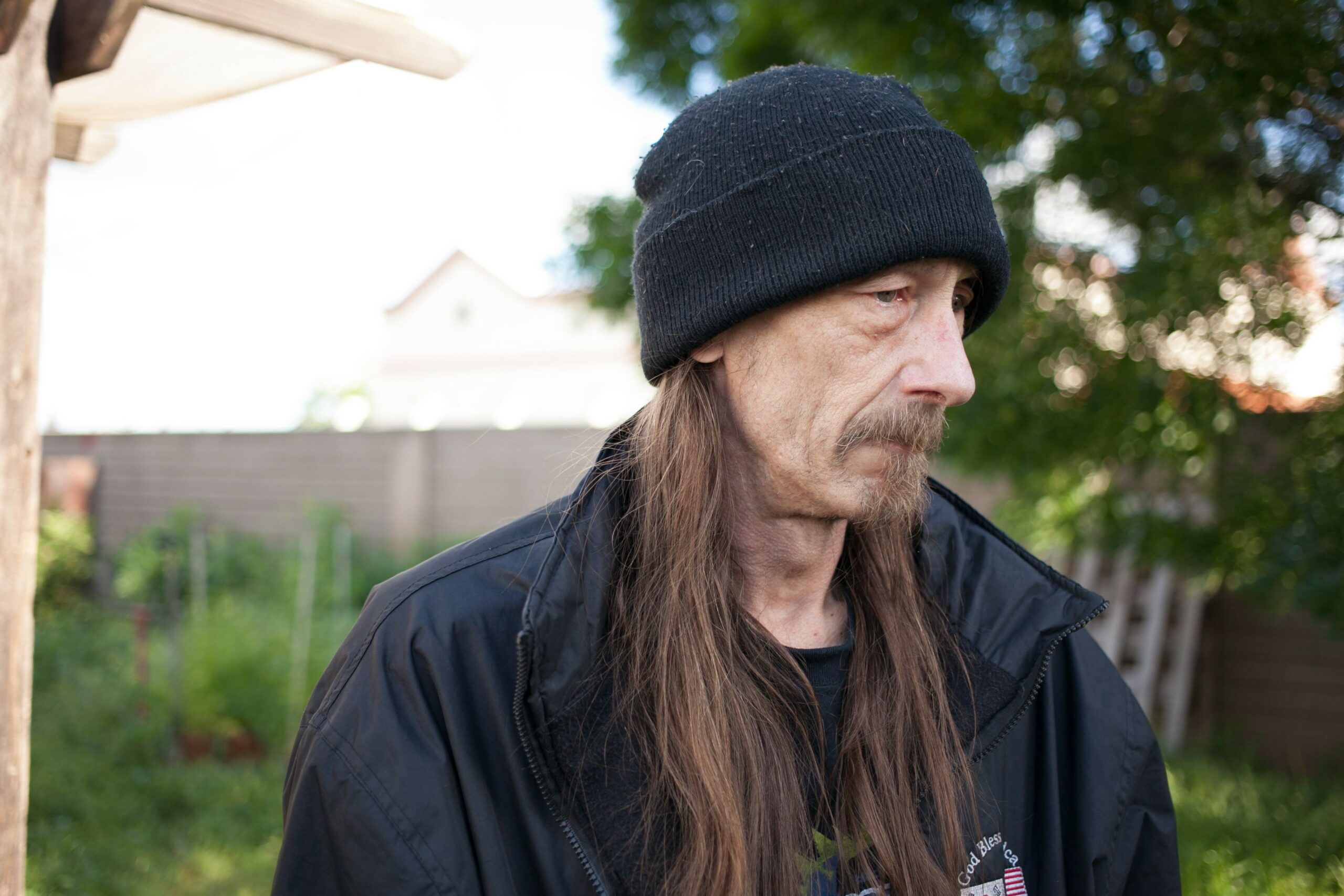
As the evening of April 11 approached, Mike Zint prepared for the night as he always did — wide awake and stationed in front of the Berkeley Post Office, where he held the night watch shift for a group of protesters who had been camping out in front of the building for over seventeen months. Early the next morning, however, he received an unexpected visit from Berkeley police.
“They raided at 5 a.m. They gave us no time,” Zint wrote to the Express in an email. “They dragged me down the sidewalk because I was physically unable to walk. They took all the gear including medicines.”
Credits: Illustration by Roxanne PasibeMike Zint joined Nextdoor to respond to critics of the homeless, but his account was removed.
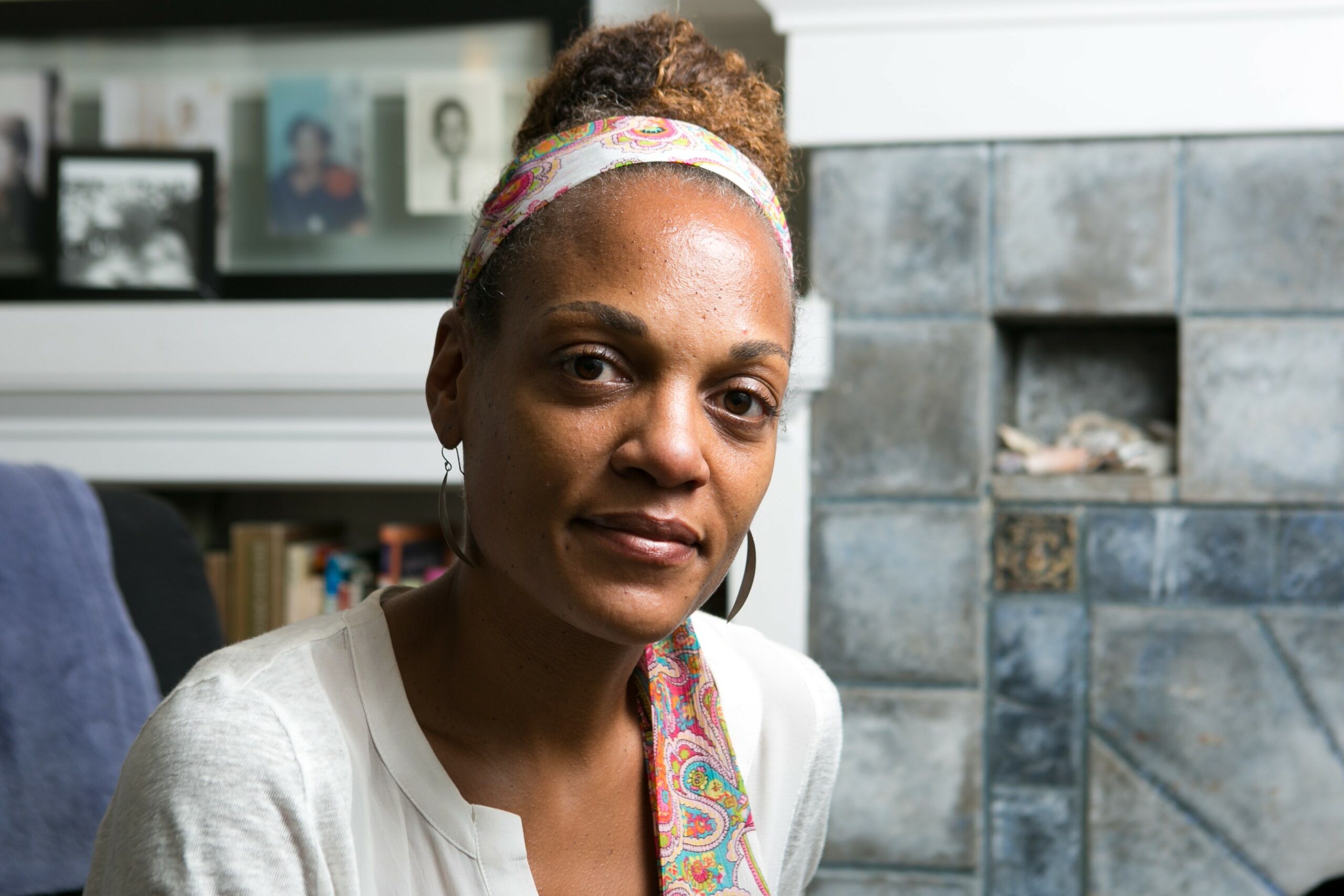
Credits: Bert JohnsonShikira Porter said Nextdoor has done a lot to address racial profiling on the site since last year.
Credits: Bert JohnsonBerkeley Councilmember Kriss Worthington said Nextdoor reached out to him for ideas to make the web site more accessible for the homeless.
Credits: Bert Johnson
Zint, who said he has since been forced to move to Shattuck Avenue, is no stranger when it comes to the push and pull that the police and many housed community members exert on homeless people. Alongside activists from First They Came for the Homeless and Berkeley Post Office Defenders, Zint had been occupying the space outside the downtown Berkeley Post Office since November 2014, after the United States Postal Service attempted to sell the historic building located at 2000 Allston Way. He was also one of the lead organizers for the occupation protest outside Berkeley’s old city hall last year after the city approved a set of strict laws targeting homeless people, including a rule that a person’s belongings can’t take up more than four square feet of space on the sidewalk.
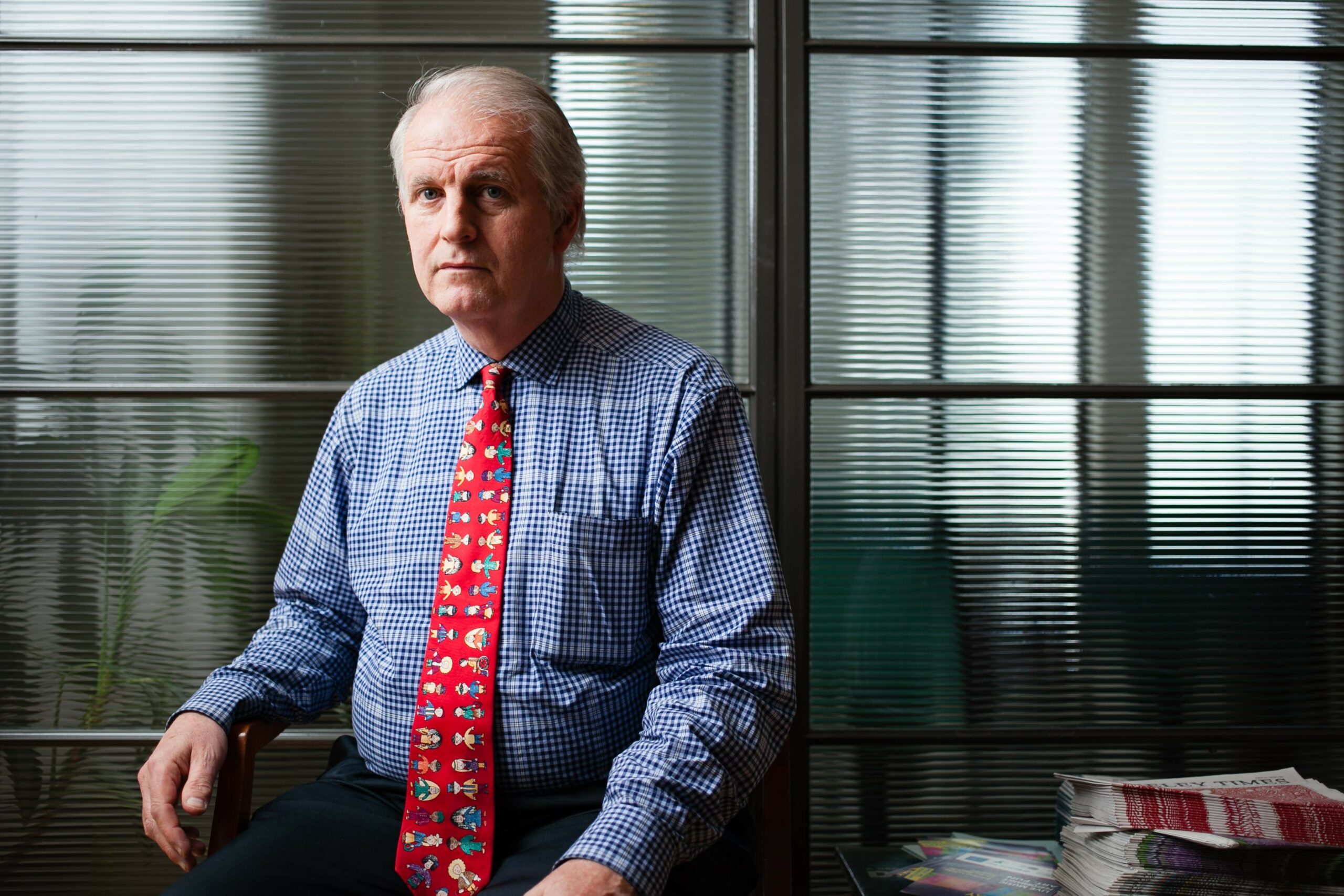
Zint is a well-known figure in Berkeley due to his outspokenness on issues of homelessness and human rights. He hardly ever shies away from a debate about how to best address the problem of homelessness. But recently, discussions involving him and the broader homeless population in Berkeley have taken to the internet via the powerful and growing community networks hosted by the company Nextdoor. So when Zint heard his name was being dropped on Berkeley Nextdoor neighborhood groups, he decided to make a profile himself to see what people were saying, and to join the conversation.
“I started the Nextdoor account because some of my supporters said a group of people were conspiring against the protest,” Zint told the Express in an email, referring to the post office and city hall actions.
Sure enough, after creating an account and logging on, Zint found his name scattered throughout posts made by Nextdoor users from neighborhoods such as McGee-Spaulding and South Berkeley. “I was accused of drug use, theft, and being a criminal,” Zint said. “I was mentioned by name, and most of what was being said was lies.”
Since its launch four-and-a-half years ago, Nextdoor has surged in popularity as a way for neighbors to connect. It’s grown from only 200 neighborhoods to 97,000. Nearly 60 percent of US neighborhoods have a Nextdoor group, and in Berkeley every recognized neighborhood has a Nextdoor group, according to Nextdoor spokesperson Kelsey Grady.
As a one-stop shop for easy, neighborly communication, the website’s booming popularity comes as little surprise. It allows people living near one another to connect online for a variety of things, including posting items for sale, organizing a street beautification day, or talking local politics. Nextdoor groups have also become a place for neighbors to report suspicious activity and crime — a feature that critics say has led to many alarming racial profiling incidents (See “Racial Profiling via Nextdoor.com,” Feature, 10/07/2015). However, after being approached by activists upset with the way innocent Black neighbors were increasingly targeted on the website’s “Crime & Safety” page, Nextdoor staff listened and has since made some major changes to its crime reporting form.
Still, despite its ongoing efforts to prevent racial profiling by its members, Nextdoor has another problem in the East Bay: Some of its users are taking to the website to advocate against homeless people and demand that the police respond when homeless people are seen in their neighborhoods. Like the online allegations made concerning Zint, many other homeless people are targeted by Nextdoor users, often in disturbing and harmful ways.
“Homeless people will be referred to as packs of youth. If they have a bicycle, they are accused of being part of a chop shop, accused of stealing bikes and selling them,” said Barbara Brust, founder of Consider The Homeless!, a Berkeley-based human rights group. “I’ve seen quotes where [Nextdoor users claim] 80 percent of the people have drug and alcohol problems, which is a totally false statistic.”
But homeless people face another problem. Homeless people like Zint aren’t given the chance to speak up for themselves on the website due to Nextdoor’s policy that you must have a home mailing address that isn’t a PO Box in order to use their service.
“Nextdoor kicked me off because they found out I’m a homeless man,” Zint said.
At first look, Nextdoor’s policy requiring that members join using the street address of their home, rather than a PO Box or other mailing address, seems to make sense, as it ensures that only actual residents of a neighborhood can access the group and join the discussion.
“From my point of view, if you’re trying to have a neighborhood-based thing and you allow any person come through and say yes, use this PO box, then everyone could sign up and spew their agenda,” said Berkeley Councilmember Kriss Worthington. “If it’s supposed to be about community neighborhood empowerment, you don’t want some political campaign or company sending out advertising to the neighborhood list.”
As a private online social network for neighbors, Nextdoor allows users to post about a free chicken coop they want to get rid of, a dog they might have lost, a safety issue such as a recent robbery, or to refer one another to auto mechanics, among an almost infinite list of useful notices. It’s also increasingly become a place for residents of Berkeley to discuss local politics and put pressure on city officials. In fact, some city councilmembers have used Nextdoor forums to communicate with their constituents. Nextdoor attempts to provide all these opportunities on a safe, closed platform that is exclusive to neighbors within a geographically bounded area.
Zint even thinks it’s a good idea, were it not for the way that anti-homeless invectives have been allowed to proliferate on the site. “It’s a small group of bashers, not the whole Nextdoor community,” he said.
But among the reams of praise Nextdoor has gotten for helping neighbors connect, the website has also faced some serious challenges. As the Express reported last October, white Oakland residents were frequently using Nextdoor to report “suspicious activity” that was in fact nothing more than their Black neighbors strolling down the street, or responding to offers of free lemons from another neighbor’s citrus tree. “Criminal suspects” identified and described by Nextdoor users were often innocent Black neighbors being reported for activities as simple as driving a car. After reading again and again these “alerts” from their neighbors, many families of color began to feel unsafe in their own neighborhoods.
“What we have seen is Black bodies in white space is what’s alarming, and that’s what was in the [crime report] text,” said Shikira Porter, a member of Neighbors for Racial Justice (N4RJ), an Oakland group that came together to educate their neighbors and Nextdoor about the harm being done via racial profiling on the site.
Following the Express’ story last year, Nextdoor staff agreed to meet and work with N4RJ, Oakland Vice Mayor Annie Campbell Washington, Oakland Councilmember Desley Brooks, and 100 Black Men of the Bay Area to tackle the problem head-on. Though the process has been turbulent, many of those that the Express spoke to said Nextdoor has made positive strides in addressing its racial profiling problem.
“I have to say, Nextdoor really stepped up to listen to the people who felt victimized on the site and offered a buffer for those people,” said Campbell Washington. “Now, they are actually changing the way their platform works to address this critical issue.”
“In the beginning phase of our working relationship, I was not convinced Nextdoor fully grasped the critical and immediate attention this needed,” said Porter. “Now, five months later, I believe Nextdoor understands their stake in developing a system that drastically reduces racial profiling posts.”
On April 12, nearly seven months after Nextdoor CEO Nirav Tolia announced changes would be made in response to racial profiling incidents, the website issued a new Crime & Safety report form. Since its release, Porter and others have said that the new form — which now requires users to describe suspects by listing more detailed attributes such as hair type, clothing, shoes, and sex, in addition to race — is a step in the right direction.
“But it’s still a test form,” Porter said in a recent interview. “I’m hoping that Nextdoor keeps their promise and we will come back to this if it turns out there are some blind spots or areas we need to tighten up.”
But while Porter and other advocates work to reduce racially biased crime reporting on Nextdoor, homeless community members like Zint feel they’re still being attacked and slandered on Nextdoor groups simply because they’re homeless — and they can’t fight back. Because the website requires a verified address in order to make an account, homeless community members are excluded from signing up, or as in Zint’s case, they are kicked off for not having a “home.”
According to Jennifer Friedenbach, executive director at the Coalition on Homelessness, Nextdoor’s policy of limiting access to only those with a verifiable home limits people of color the most because the homeless population is disproportionately made up of people of color. For example, Friedenbach said in nearby San Francisco, Black people make up one-third to one-half of the homeless population, while comprising less than 5 percent of the city’s overall population.
After the start of the Berkeley Post Office protest in November 2014, Zint said a letter carrier helped him and other occupiers create a legal mailing address at 2000 ½ Allston Way, which is virtually the same as the Berkeley Post Office. The trick to establishing the address, Zint said, was as simple as mailing themselves a letter to their location in front of the post office, where they had set up their own mailbox. “Once you have a piece of mail with a canceled stamp, the barcode on the bottom, and the address, you have a mailing address,” Zint said. “This was verified as real by other postal employees.” And because Zint was living at the post office, he considered it his home address.
Though not attached to a physical roof, Zint used this address to make his account on Nextdoor after friends and supporters, who were already members, told him he was the subject of posts. But shortly after signing up, and after responding twice to comments made about him and the Berkeley homeless community, Zint said Nextdoor deactivated his account.
“A few members on Nextdoor have been using this site to promote hatred of homeless people,” said Zint. “No homeless person is allowed to respond. … They insist I cannot be a member.”
According to Zint, the reason Nextdoor told him they removed his account was that he had “no verifiable address.” But to him, the company’s excuse didn’t add up. “That argument doesn’t work because I returned a card verifying my address as a condition of membership,” Zint said, referring to a postcard the company mailed to the 2000½ Alston Way address, which Zint received, filled out, and mailed back.
Zint thinks there was a more political reason for his being kicked off the site. “I was removed because I am a homeless man defending homeless people in their forum,” he said.
In an email, Zint told the Express that Nextdoor informed him that a neighbor outed him, telling the company that Zint had not provided his “real” address when he signed up for the service, and also that one of Zint’s messages violated Nextdoor’s guidelines for “neighborly behavior” because he used the word “fascism” in response to an earlier post about homeless people. But Zint said his comment was in response to a series of personal attacks, both on him and the broader homeless community, and he feels that he had a right to defend himself.
“I was personally attacked,” Zint said. “I don’t drink, do drugs, or have a criminal record. I haven’t even gotten a ticket since 1993, but this group wants to depict homeless people in a certain way in an effort to get rid of them. That means, some elitists have a forum for hate, and the poor have no chance to defend themselves.”
Zint is not the only homeless person frequently discussed on Berkeley’s downtown Nextdoor groups. He is, however, the only one regularly mentioned by name. In dozens of discussion threads from Berkeley Nextdoor groups, many homeless people are summarily categorized as criminals and described using questionable and often outright incorrect statistics. Many debates on Nextdoor about homeless people revolve around what to do about Berkeley’s homeless problem, but the debates rarely include input from homeless community members themselves.
“On Nextdoor, there is a small number of people who will, whenever given the chance, publicly rehearse what I would call hate speech against homeless people,” said Thomas Lord, a Berkeley resident who is a member of the SW Berkeley-San Pablo Park neighborhood Nextdoor group. Lord said most of the comments directed at homeless people are often based on no direct knowledge with specific homeless people and their circumstances. Nextdoor users tend to portray all homeless people as drug addicts who have made a “lifestyle choice,” said Lord, and that the attitude of many Nextdoor users is that homeless people “shouldn’t be tolerated, that they are threatening and unhygienic.”
For example, one member from the McGee-Spaulding neighborhood Nextdoor group wrote in a post that bike parts being used by homeless people in Berkeley’s Civic Center Park were “obviously stolen.” The same commenter continued, writing that “In actual studies, roughly 80% of the homeless are found to be psychotic, addicted to hard drugs (including alcohol), or both. … These people need drying out, medical care, an unusually good shrink, & (if they have any brains left) vocational training, not prison, but in the meantime, that doesn’t mean we should apologize for or enable criminal behavior by those who choose it.”
Another Berkeley Nextdoor forum had community members involved in a back-and-forth over a “little old Asian lady” who was allegedly stealing cans and bottles from residents’ trash and recycle bins, with most of the comments criticizing the woman.
“The little old Asian lady (I think there are at least two, actually) in the Poet’s Corner neck of the woods who steals everyone’s cash-redeemable recyclables makes it clear, when engaged, that she doesn’t speak English; kinda damps the prospects for useful communication,” a commenter from the Nextdoor Poet’s Corner neighborhood group wrote. “My bet is that she does speak English well enough and that it’s part of the scam to pretend otherwise.”
Rachel Cole-Jansen, a case manager at the homeless services organization Operation Dignity, said the conversations on Nextdoor are usually not constructive. For her, though, the lack of attention to reducing homelessness is even more striking. “The communication [on Nextdoor] about homeless people is complaints about behavioral issues. A lot of these are somewhat understandable complaints, but none of that energy is going to outreach on site, or substance abuse programs, or more affordable housing… or what’s causing homelessness in the first place,” Cole-Jansen said. “And homeless people aren’t having a voice in these discussions either.”
Since Zint’s account was removed, several community members like Brust, as well as Jai Jai Noire and Elisa Cooper, all Berkeley residents with Nextdoor accounts, have tried to offer online support and speak up for homeless people. But they said they have experienced a harsh backlash as a result.
“We’ve got people saying there’s suspicious activity, someone was going through my dumpster, call the police. That was just someone looking for cans!” said Brust, who is a member of the North Berkeley Nextdoor group. “But when I call them out on it, I am put down, patronized, and basically discredited.”
Brust, who works with homeless people several nights a week, said she tried contacting Nextdoor about how homeless people are talked about on the site, but she did not receive a response. She and several others also told me that their posts defending homeless people, and pushing back against what they perceive as discriminatory comments, have been flagged and sometimes deleted by website monitors, typically members of a Nextdoor group who are designated by Nextdoor employees as “leads” and given the power to delete messages they deem inappropriate. Leads also have the power to report group members’ addresses for possible removal.
“Seeing this was the first time I ever considered leaving Berkeley,” said Noire, who is a member of the McGee-Spaulding neighborhood, about the tenor of conversations on her Nextdoor group. “We live in a very compartmentalized society, and on Nextdoor this is all coming out.”
The conversation got even uglier when leads from the downtown Berkeley neighborhoods began chiming in that homeless people do not deserve a place on the website to advocate for themselves.
“Nextdoor’s organizing principle is ‘neighborhood’ with address of residence as the key piece of information,” former McGee-Spaulding Nextdoor lead Eric Friedman wrote in an email. “The post office is not Zint’s address, and they specifically exclude PO Boxes from consideration for residency.”
Posts from the McGee-Spaulding neighborhood Nextdoor group showed that Friedman had reported to Nextdoor staff that Zint was not actually residing at the post office address he used to obtain a Nextdoor membership. Friedman wrote to Nextdoor, “that [Zint’s] enrollment should be reviewed accordingly.” When asked to comment about this, however, Friedman — who said he recently resigned from his position as a lead after receiving a number of threatening messages —told the Express he did not recall reporting Zint’s account to Nextdoor for removal. Friedman declined to identify who threatened him.
“There are plenty of other [online] platforms available to Mike Zint,” Friedman said. “He has made a lot of life choices that made him do what he is doing. If he wants to pursue employment or join the mainstream, he could find housing and join Nextdoor.”
Although Nextdoor declined to discuss the circumstances surrounding the deletion of Zint’s account, company representatives did say that “if an individual does not receive mail at a home address and is unable to verify the address through one of our other standard verification methods, they have the option to provide documentation like a driver’s license or utility bill that includes their name and address.”
But for people living without permanent housing, documentation such as a utility bill or even driver’s license are not always available. This has the effect of excluding people like Zint from taking part in the online discussion, a form of exclusion that is increasingly problematic as online forums, including Nextdoor, become influential virtual civic spaces where public policy is debated.
“We never started with the notion that we don’t want the homeless to participate. It was that an address confirms your identity and unlocks the experience on Nextdoor.com,” Grady told the Express.
But Friedenbach said this type of verification, where a physical address equates to a person’s right to belong to a community and take part in a public discussion, often leads to the dehumanization of those without a physical house.
“Our communities in the Bay Area are facing rapid gentrification, and in poor communities there is a presence of homeless people because they are members of that community, it’s often communities they come from, it’s where their support systems are, and it’s their home,” said Friedenbach. “Folks get a lot of misinformation about the [homeless] population and start to ‘other’ them, think of them as less than human. You see this prejudice and hate speech on sites like Nextdoor.”
Since February, Nextdoor officials have caught wind of the controversy surrounding how homeless people are talked about, but excluded from Nextdoor’s Berkeley neighborhood groups, and the company says that it is taking steps to improve the situation.
Grady said Nextdoor is currently exploring the option of creating non-address accounts, which would “allow people to join Nextdoor, without an address, and will give them access to public content on Nextdoor, such as local events and city posts.”
According to Grady, the company is looking at a two-fold solution. They want to address both the ability of people to join regardless of whether they have a physical home, and to make sure conversations about homeless people remain constructive and productive for the neighborhood. However, Grady also emphasized that the non-address accounts would be more limited than accounts set up by people with physical home mailing addresses. “It is important that your readers understand that these non-address accounts do not give those people access to private neighborhood conversations,” Grady wrote.
The website plans to reach out to local organizations such as UC Berkeley’s Suitcase Clinic, the Berkeley Food and Housing Project, and Berkeley Homeless Coordinated Entry System in order to draw on input from the city’s homeless residents. They’ve also already contacted Councilmember Kriss Worthington, who said he was pleasantly surprised by the company’s approach.
“I’m refreshingly surprised that Nextdoor is initiating these conversations,” said Worthington. “They contacted me and said, ‘You sponsored the declaration of a homeless emergency, so we thought you might have some suggestions of how to fix some of our problems.'”
“I was a homeless teen and I’m a passionate advocate on homeless issues,” Worthington continued. “It’s great they are trying to connect with homeless people and advocacy groups to make sure the homeless community and advocates get consulted. Seems like they are approaching it in a very thoughtful and proactive way.”
But people like Zint aren’t simply trying to make an account to confront cyber bullies. Through a partnership with Nextdoor, the city of Berkeley even has its own Nextdoor account, which it uses to post important city information to communicate with Berkeley residents. “We feel it is very important for everyone to be able to see posts from the city,” Grady wrote in an email. Though the public information is useful, the account restrictions leave out homeless neighbors from discussions on city issues — like homelessness — on a platform that the city and its officials are now using to both publicly and privately communicate.
Cole-Jansen suggested many options to make Nextdoor more inclusive. She pointed to an example in New York City, where homeless people are allowed to register to vote using places such as a park bench for an address. However, she also emphasized that even if the website were completely open to membership for homeless people, many other barriers would still prevent unhoused community members from joining the conversation on Nextdoor.
“A lot of the people I work with have difficulty on computers and smartphones,” said Cole-Jansen. “So these online communities aren’t accessible, not just because [homeless people] have a lot of other ongoing survival issues, but additionally because it’s difficult to access that technology. There are a few who are very tech savvy and would get engaged… There are a couple of layers of issues going on here.”
Other advocates agree, including Zint, who has given up on trying to convince Nextdoor to reinstate his account. “I have no need for a Nextdoor account. I used it to see what was being said about us. The only time I used it, I got censored, so there is no point,” he said. Ever since the police raid that removed him and other homeless protesters from the Berkeley Post Office this month, Zint said he has shifted his attention to more immediate needs, such as finding shelter, food, clothes, and holding onto hope in the city of Berkeley, which remains a hostile climate for those without housing.
“Most people are aware there is no affordable housing for anyone here,” Zint said about the ongoing situation in Berkeley. “Students are homeless, seniors are homeless, disabled are homeless… Housed people deny homeless people the necessity of shelter every time they say no tents, no tiny homes, no money, not in my back yard… We are citizens, we demand we be allowed that.”
Correction: the original version of this story stated that Mike Zint “filled out, and mailed back” a postcard to verify his Nextdoor application. Nextdoor, however, does not require that an applicant for an account fill out and mail back the cards it sends to residential addresses. Instead, Nextdoor simply prints a verification code on the card that the applicant enters into the web site to verify an address is their home. Zint received a post card from Nextdoor and used it this way to join the web site.
Homemade African peanut stew and freshly baked sourdough bread made by Josephine cooks Alex Hrvatin and Jessica Kalar.
Credits: Sydney Johnson
Around 7 p.m. last Thursday evening, the final guests trickled out of the home of Laurel residents Alex Hrvatin and Jessica Kalar. After three hours of serving and mingling, Hrvatin, a classically trained chef from Ohio, handed off the couple’s...
Welcome to the Mid-Week Menu, our roundup of East Bay food news.
1) Earlier this year, the Express broke the story that Genova Delicatessen — a Temescal institution for ninety years, and one of the last vestiges of that neighborhood’s history as an Italian-American enclave — would likely close this spring due to an untenable rent hike. Sadly, the Mercury...
The Kenneth Rainin Foundation announced earlier this week that it will be funding up to four temporary public art projects in Oakland or San Francisco with grants between $50,000 and $200,000 per project. A recent press release said that the foundation is specifically looking for place-based projects that "engage communities, showcase artistic experimentation, and energize public spaces."
The new...
ALPR cameras the BART police installed in the MacArthur Station Parking Garage.
Credits: Darwin BondGraham
The Bay Area Rapid Transit system’s police agency has already installed automated license plate reader surveillance cameras at a busy Oakland BART station, according to a memo BART Director Grace Crunican sent to the transit district’s board of directors in advance of their meeting tomorrow in Oakland.
According to...
Cristina Victor leading a flag-making workshop at SOMArts Cultural Center.
Credits: Courtesy of Cristina Victor
For Cuban-American artist Cristina Victor flags serve more than a practical purpose — they are also works of art. Victor's next project, "My Story is My Flag," is a collaborative effort commissioned by Interface Gallery that Victor will undertake along with a cohort of students from Oakland...
GOP frontrunner/blowhard supreme Donald Trump swept last night's almost-super Tuesday primary vote. This result was somewhat unexpected. But perhaps more surprising was his post-vote victory news conference. As Los Angeles Times Capitol bureau chief John Myers put it, his speech was "unprecedented moment in an unprecedented election year."
Trump declared himself the presumptive nominee. He scoffed at Sen. Ted Cruz,...
What do tattoo art, veganism and Italian home cooking have in common? Maybe not a whole lot — unless you happen to be a vegan tattoo artist who grew up in Italy.
But these are the themes of Mama Tried: Traditional Italian Cooking for the Screwed, Crude, Vegan, and Tattooed, a new illustrated cookbook by Cecilia...
Writer-director John Carney's Sing Street fits in comfortably with the filmmaker's 2007 romantic musical hit Once, but the milieu has just as much to do with The Commitments, the 1991 Roddy Doyle-Alan Parker movie about young Dubliners and their R&B band. Same hostile-but-lovable Irish environment, same underdog struggle, same fizzy romanticism.
It's 1985, a time when English pop groups like...
Streaming revenue doesn't turn much of a profit for most musicians, so in recent years, many enterprising rappers have expanded into other ventures to make a living, particularly in the realm of mind-altering substances.
E-40 has his wine company, Earl Stevens Selections, among various other alcohol brands; Nef the Pharaoh is lending his name to pre-rolled...
As the evening of April 11 approached, Mike Zint prepared for the night as he always did — wide awake and stationed in front of the Berkeley Post Office, where he held the night watch shift for a group of protesters who had been camping out in front of the building for over seventeen months. Early the next morning,...