

Exclusive: Oakland’s Big New Pot Plan

The City of Oakland is swiftly moving to capitalize on California’s historic, state-level medical marijuana regulations with a vast expansion of The Town’s cannabis industry permits system. The number of permitted dispensaries could double from eight to sixteen, or the cap on dispensary permits could be eliminated entirely.

Oakland also is planning to offer a path to citizenship for its underground medical canna-businesses — a path that would include background checks, and licensing and taxing commercial growers, hash-makers, edibles kitchens, and testing labs.

Hundreds of permits in a dozen classes — from distributor to processor — could become available to entrepreneurs, generating thousands of legal jobs, and tens of millions of dollars in tax revenue annually for the city. Oakland is aiming to become the regional hub for a transparent, fully licensed medical cannabis industry — and then a recreational one, if California voters legalize pot for adult use next year.

[jump]
Last Thursday evening at City Hall, before a room packed with cannabis industry figures, Assistant to the City Administrator Greg Minor presented Oakland’s big bold new pot plan to the Oakland Cannabis Regulatory Commission. The commission has no formal power, but it voted overwhelmingly to forward the city staff’s plan to the full city council with eleven suggested amendments. Chief among them: The commission recommends eliminating the cap on the number of licensed dispensary permits, rather than raising that cap from eight to sixteen, as staff recommended.

But some of Oakland’s existing dispensary operators oppose some of the proposed sweeping changes. Management and employees from the new club Telegraph Health Center asked for more time before the city added more competition.

Andrew DeAngelo, operations director at Harborside Health Center, said existing dispensaries were forming the “Oakland Dispensary Council” and would have further comments in the coming weeks. “It is our hope to be able to develop a consensus,” he said.

About a dozen members of the public spoke in favor of lifting the cap. “The laws of supply and demand are a wonderful way to determine how many stores there should be,” said cannabis attorney Robert Raich.

“I strongly support lifting arbitrary caps on dispensaries,” added Matthew Witemyre, of pre-roll maker Medi-Cone.
Oakland dispensary Magnolia Wellness lobbyist Mickey Martin said, “We welcome competition,” but asked for the $60,000 annual dispensary permit fee to be reduced to $30,000.

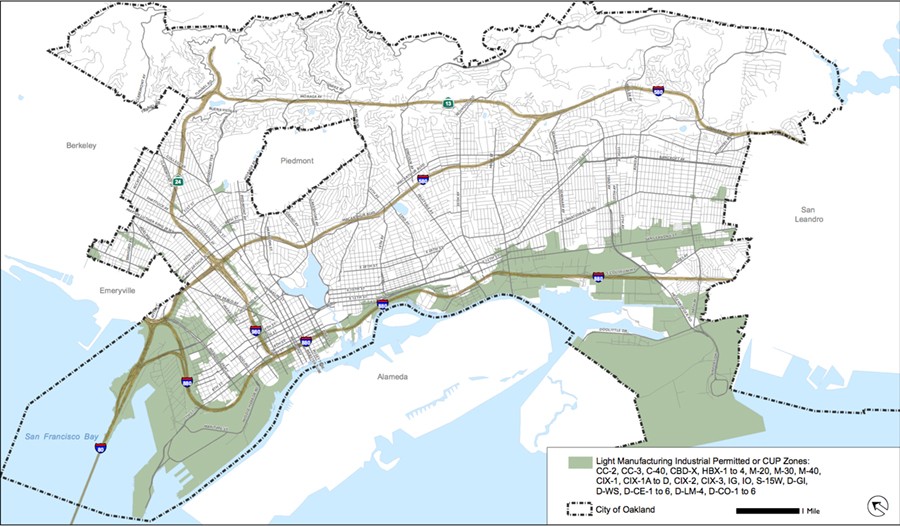
No one protested the rest of the pot plan. To a large degree, the plan represents Oakland coming to grips with the industry it already has. Most permittees would have to find locations in light industrial-zoned areas, and submit detailed proposals for security, waste and pest management, lab testing, and product and workplace safety. “The overall goal is to guide commercial cannabis activities away from residential areas of the [c]ity,” city documents state.

Indoor cannabis cultivation was associated with about a dozen fires in Oakland in 2014, the commission found. “Manufacturing in a residential area is a bad idea,” said Joe Devries, an assistant to the city administrator and member of the commission. Referring to unregulated butane hash-making, he said, “You have people blowing themselves up. I want them to do that in an industrial area.”

The plan would also encourage growers to lower their carbon footprints. And Oakland’s nonprofit mandate would also be deleted to match the profit-taking provisions allowed in the new state regulations. Preference would go to existing unlicensed operators who are paying the city’s business tax. All commercial farms, warehouses, labs, hash-makers, kitchens and transporters without a permit would be illegal after the new rules took effect. Nothing would happen to unlicensed operators in the short-term, but eventually, Devries said: “I guarantee there will be more enforcement.”

The plan also showcases Oakland pivoting to the new state regulations — the first of hundreds of cities to capitalize on clarity from Sacramento. Minor said staffers finished drafting Oakland’s proposed plan “ten minutes after the governor signed the new state laws.” Oakland also plans to use the twelve-class licensing structure of the state.


Minor called the state regulations “extremely significant, in that it should allow Oakland to regulate medical cannabis activities without federal intervention, which crippled prior endeavors by the City of Oakland to license cultivation facilities.”

State medical cannabis regulations are encouraging municipalities — such as San Jose, Long Beach, Berkeley, Desert Hot Springs, and San Francisco — to race to permit the largest pot farms they can. The state will cap mega-farm permits, and by law, priority will go to pre-existing, locally licensed farms. (All permittees must be dually licensed at the state and local level.) Oakland’s plan also provides a framework for regulating adult-use legalization — if voters pass it in 2016.

Oakland was one of the first cities in the world to hand out permits for medical cannabis dispensaries, starting with four in 2004 and going to eight in 2011. Oakland saw a 28 percent increase in cannabis sales taxes when it went from four to eight dispensaries.

There are an estimated 21 unlicensed delivery collectives serving Oakland. The commission recommended splitting up dispensary licenses into categories for brick-and-mortar shops and delivery-only services. The full Oakland City Council may take up the issue in November or December, with implementation as early as January.




Autumn Lights Festival Dazzled Oakland

If you could get through the long line, the Oakland Autumn Lights Festival dazzled with both large- and small-scale light installations woven into the greenery at the Gardens at Lake Merritt.

Treasure Island: From Electrifying Collaborations to Forgettable Muzak


Treasure Island Music Festival is typically curated to appeal to two different crowds: Saturday spotlights electronic and pop artists, while Sunday consists of mellow indie rock. However, each year, this dualistic paradigm feels increasingly outdated.

The year 2015 saw a great deal of fascinating cross-genre collaborations in pop: Miley Cyrus dropped a self-released album with credits from Ariel Pink and Mike Will Made It; Skrillex and Diplo’s production resuscitated Justin Bieber’s career; Usher put out an anti-police brutality anthem with Nas. Yet instead of taking a cue from these boundary-pushing shifts in the music industry, this year’s festival stuck to the same structure of past editions. As a result, it sequestered its best and most progressive artists to the first day and ended with a monotonous series of similar-sounding bands on the second.

To its credit, though, Treasure Island featured on Saturday several stand-out musicians who were innovative enough to redeem the festival from its structural shortcomings. FKA Twigs was one such forward-thinking performer. The British singer-songwriter dazzled a rapt audience with her operatic singing and theatrical stage show, in which every visual and sonic element seemed meticulously planned — down to the way her corseted outfit interacted with the fractured, white-and-red spotlights illuminating the stage. Twigs’ band consisted of three musicians who struck their sample pads like war drums with grand gestures that matched the singer’s vocal intensity and moody, alchemical beats.

Twigs’ lyrics probe the overlap between pleasure and discomfort and examine the elemental psychology of desire. She conveyed the polarity of her work with tense choreography, including two duets that were simultaneously erotic and adversarial. Though she was in constant motion throughout the show, her crystalline voice hit precariously high notes as she built upon familiar tracks with expansive, architectural vocal arrangements.

The event also featured savvy collaborations among established artists taking their sounds in new directions. Big Grams, which followed Twigs’ set, is the joint project of Big Boi from OutKast and electronic pop duo Phantogram. As fans of OutKast know well, Big Boi’s boisterous flow works well over upbeat song structures that lend his rap style a pop sensibility. While Phantograms’ saccharine, synth-driven production certainly achieves this effect, one couldn’t help but think that at the beginning of Big Grams’ set, Sarah Barthel’s singing felt superfluous and that the performance would have been better with Big Boi’s vocals alone. However, eventually, the trio found its groove. While Big Grams’ appeal is largely predicated on Big Boi’s status as a legend, it’s refreshing to see him work with a younger, lesser-known band instead of rehashing old hits.

Run the Jewels, the rap duo composed of veteran rappers El-P and Killer Mike, briefly joined Big Grams on stage for a high-energy duet. Like Big Boi, El-P and Killer Mike have been involved in the hip-hop industry for decades. As Run the Jewels, they’ve adopted a more electronic sound and garnered a younger fan base. Run the Jewels’ set, which took place earlier in the day, invigorated the crowd with fast, wobbly, UK grime-influenced beats that complemented the two rappers’ rapid-fire spitting. However, El-P often failed to enunciate clearly and much of his lyrics were lost in favor of the showy technique. Killer Mike, with his booming baritone, carried the set with his superior vocal skills and stage presence. Plus, he did shout outs to the late Oakland rap legend The Jacka and basketball champ Steph Curry, eliciting enthusiastic cheers from the crowd.

Up-and-coming singer-songwriter Shamir also delivered one of the first day’s most inspired performances. His soulful, androgynous voice soared over spunky, percussive rhythms with disco and Afrobeat influences. Sitting still during his show was impossible.

While Saturday’s lineup featured diverse artists — not only in terms of sound, but race, gender, and age, as well — Sunday’s lacked variety. With the exception of Chvrches, Ex Hex, Lower Dens, and Jose Gonzalez, the rest of the day’s bands featured exclusively white, male musicians, which attracted an audience of a similar demographic makeup. As one of the Bay Area’s largest music festivals, it was a shame that Treasure Island didn’t do more to appeal to a broader cross-section of the local population. 


The different bands’ aesthetics weren’t too different from one another either, with Lower Dens, Father John Misty, and The War on Drugs’ sets blending into a haze of palatable indie rock. Drive Like Jehu, a 1990s post-hardcore band, was the only group that jolted the audience awake with its feisty shredding. Meanwhile, other performers failed to elicit an enthusiastic response. The bandleaders of Deerhunter and Chvrches wondered aloud why the large audience was so quiet, although Chvrches eventually got people moving with its new wave-influenced synth pop. The National, a Brooklyn rock band with a lengthy, influential discography dating back to 1999, ended the night with a somewhat forgettable performance that would have made fitting background music at Whole Foods or Starbucks.  

Correction: An earlier version of this post failed to list Lower Dens as one of the bands not composed entirely of white, male musicians.

Monday Must Reads; Kensington Official Harassed by Cop Says FBI Advised Her to Leave Town; Water Hogs Live in Blackhawk Enclave

Stories you shouldn’t miss:

1. Vanessa Cordova, a Kensington elected official who has been allegedly harassed by a rogue cop in her town, said she was told by the FBI to leave the area for an indefinite period because of “credible threats” to her safety, the Bay Area News Group$ reports. Cordova, who is a member of Kensington’s governing board, has filed a harassment complaint against police Sergeant Keith Barrow. Earlier this year, Cordova led the push to oust Kensington’s police chief because he botched an investigation into Barrow, after Barrow had his gun and badge stolen from a Reno prostitute. The FBI declined to comment on Cordova’s assertions.

2. The wealthy community of Saddleback, within the exclusive Contra Costa County town of Blackhawk, is home to many of the top water wasters in the East Bay, the Bay Area News Group$ reports. Saddleback residents include Oakland A’s President Billy Beane, who is the third largest water waster in East Bay MUD’s service area, and a retired Chevron oil exec who is the biggest water hog. In all, 28 of Saddleback’s 53 homes have been guzzling more than 1,000 gallons of water a day — four times the East Bay average — during the historic drought.

3. In order to stave off the devastating effects of rising oceans due to climate change, the Bay Area needs to restore 54,000 acres of wetlands around San Francisco Bay, the Mercury News$ reports, citing a new comprehensive study. Sea levels are expected to rise by two feet by 2050 and five feet by the end of the century.


[jump] 4. The City of Oakland has a hired a new financial consultant — Mitchell Ziets from Tipping Point Sports of New York — to help work on deal to build a new stadium for the Oakland Raiders on the Coliseum site, the Chron reports.

5. And Jerry Brown announced that he and his wife are moving into California’s historic governor’s mansion following a multimillion-dollar renovation, the SacBee$ reports. Brown famously eschewed the mansion during his first stint as governor, preferring to live in an apartment.


East Bay on its way to millions in bike and pedestrian friendly grants


More than $20 million of state and federal funds are likely to go toward paving the way to safer walking and bicycling in the East Bay.

A “yellow brick road” in Richmond and long-awaited improvements to Telegraph Avenue in Oakland are among the projects slated to potentially receive Active Transportation Program (ATP) grants. The California Transportation and Metropolitan Transportation Commissions will decide later this month whether to officially adopt the 113 state-wide and rural, and 11 regional proposals recommended to receive funding, chosen out of a total of 617 applications.

In Richmond, about $6.2 million could go toward plan to highlight bike and pedestrian paths in the city’s Iron Triangle neighborhood with a yellow brick design. The idea came originally from a group of Richmond youth in 2008, and has since been incorporated into the city’s pedestrian plan.

The city received a Caltrans planning grant in 2012 for the project and tested it last year. The Iron Triangle neighborhood contains a largely low-income population and has suffered from the prevalence of violent crime and health problems, according to a report prepared on the brick road project.

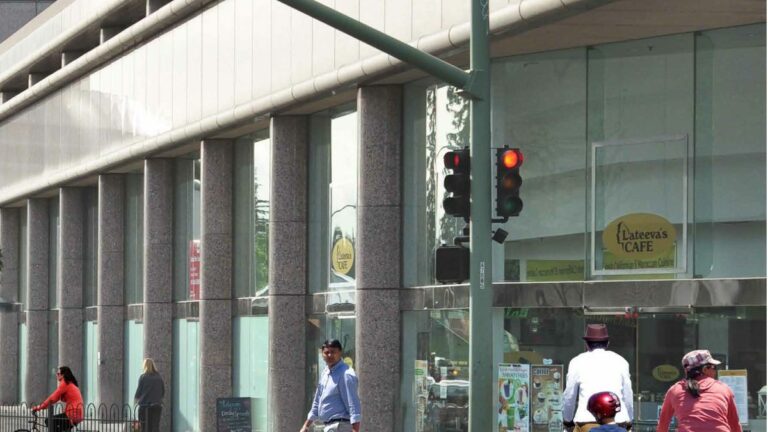
[jump] Oakland saw two successes out of the four plans it submitted, including a revamp of Telegraph Avenue between 20th and 41st streets that would install Oakland’s first ever “cycle tracks,” specially protected bike paths that have become increasingly popular. In the works since 2013, the project is hoped to spur business in addition to increasing safety in the area. 

$4.5 million could also go toward putting cycle tracks, wider sidewalks and boarding islands for public transit on 20th street connecting 19th Street BART station to Lake Merritt. “If you know that area very well, it’s kind of 1950s era design that really makes movements for cars easy but makes movement for pedestrians more difficult,” said Bruce Williams, Oakland’s transportation funding manager, of the BART to Lake Merritt project.

Ryan Chan, vice-chair of the city’s bicyclist and pedestrian advisory commission, said he thought the Telegraph improvements in particular “really needs to move forward.” Both areas are listed as priorities on the city’s Bicycle Master Plan.

Other possible grants include $850,000 to connect Berkeley’s 9th street bicycle boulevard to another trail, and more than $700,000 to boost biking and walking near Castro Valley schools.

ATP funding goes out in three rounds: approximately $180 million for projects across the state, $35 million for small urban and rural areas and region-specific money, including a $30 million pot for the MTC region.

The state transportation commission will choose whether to adopt recommendations by Oct. 22, and the MTC by Oct. 28.  

Facing the Housing Crisis, Berkeley and Emeryville Lawmakers Are Advancing Numerous Solutions; But Not Oakland

The Berkeley and Emeryville city councils are advancing numerous new and updated housing policies in response to the East Bay’s affordable housing crisis. The plans include: increasing affordable housing impact fees paid by developers; making pre-development loans to affordable housing developers; and even calling on the state legislature to overturn the Costa Hawkins law which gutted rent control, and banned inclusionary housing for rental units.

Berkeley councilmembers will consider an agenda packed with eleven housing and tenant-protection items at their upcoming October 27 meeting.

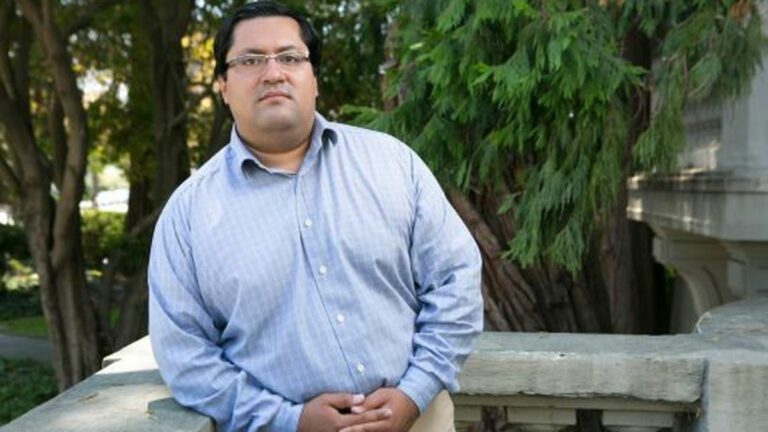
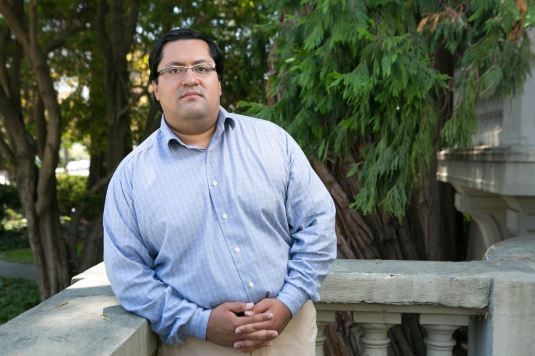
“In this housing crisis that we’re in, we have to explore all options. There is no silver bullet,” said Berkeley Councilmember Jesse Arreguin.

[jump]

Strengthening inspections of apartment buildings is among the options that Arreguin wants to the council to look at. The proposal would raise inspection fees on landlords to hire more inspectors, and increase penalties on landlords who allow their buildings to deteriorate and endanger tenants.

Arreguin also wants Berkeley to put pressure on the state legislature to repeal Costa Hawkins. Passed twenty years ago, Costa Hawkins banned rent control on new buildings constructed in California and eliminated the ability of cities to maintain rent control on all vacant units. It also allowed landlords to set rents as high they wanted when new tenants moved into a rent-controlled unit.

“Right when Costa-Hawkins went into full effect in 1999, rents skyrocketed,” said Arreguin.

According to a report prepared by Arreguin for the upcoming October 27 Berkeley council meeting, since 1999, approximately 85 percent of Berkeley’s rent controlled apartments have turned over at least once, thereby allowing landlords to increase rent as much as they want. According to the report, “the reality is that Costa-Hawkins has resulted in ‘unwarranted’ rent increases, creating significant windfall profits for owners, while exacerbating the regional housing crisis.”

While it’s seems unlikely that Governor Jerry Brown, an opponent of rent control, would sign such a bill should is pass the legislature, Arreguin said it’s important that Berkeley and other rent control cities to attempt to undo the law.

“It’s going be hard to do this because the California Apartment Association and real estate lobby is very powerful,” said Arreguin. “But it is important that rent control cities step forward to lead the charge because the whole state is facing a crisis, and we have this opportunity right now to build a coalition among cities to support this.”

Berkeley Councilmember Kriss Worthington also wants to undo Costa Hawkins. A resolution Worthington is bringing to the October 27 council meeting will urge state Senator Loni Hancock and Assemblymember Tony Thurmond to reintroduce AB 1229, a bill that would allow cities to implement inclusionary housing policies for rental housing developments. Inclusionary housing laws require developers to set aside a certain number of units at prices affordable to lower-income buyers. In 2009, in response to a lawsuit brought by one of Los Angeles’ biggest landlords and developers, the California Supreme Court ruled that Costa-Hawkins bars cities from requiring inclusionary housing for new rental properties because it interferes with a landlord’s ability to set initial rents.

“In 1986, Berkeley passed inclusionary zoning policy,” said Arreguin. “From 1986 to 2009, we built hundreds of inclusionary units.”

AB 1229, which the legislature approved in 2013, would have reversed this ban by clarifying the intent of Costa-Hawkins, but Governor Brown vetoed the bill. Worthington and Arreguin both think the legislature will act on the bill again, especially if cities ask, and Brown will be under more pressure to sign it. And earlier this year, the California building industry trade group lost a lawsuit aimed at undermining inclusionary housing requirements for condo developments. Brown’s veto of the bill in 2013 was partly due to the uncertainty of how that lawsuit would play out.

But Worthington thinks the most important housing policy the Berkeley council will consider in two weeks is a proactive effort to lure affordable housing developers to the city. Worthington is proposing that Berkeley make predevelopment loans of $50,000 to $250,000 to affordable housing developers so they can quickly apply to state and federal funding sources with hammer-ready projects.

“Affordable housing developers need to know the city really wants them to come to Berkeley and build affordable housing,” said Worthington. “Right now, there’s no city assistance for applications that could apply to state of fed tax credits, so we’re proposing five predevelopment loans to help nonprofits look at available land, do architect renderings, and have everything they need all ready so that they can qualify for affordable housing funding.”

Berkeley is also expected to pass new rules regulating short-term rental housing, and to consider implementing a tenant protection ordinance similar to a package of new rules passed by the San Francisco County Board of Supervisors last month.

Next Tuesday, the Emeryville City Council will take up multiple key changes to development rules that are intended to raise greater funds for affordable housing, to provide incentives for developers to build more affordable housing and community amenities, and to require a higher number of two- and three-bedroom apartments to be built – so-called “family friendly” units.

Emeryville’s proposed rules would increase the city’s affordable housing impact fee from $20,000 to $28,000 per unit. If a developer chooses to build affordable housing on-site, instead of paying the fee, they would be required to make 12 percent of the total units affordable to very-low and low-income households. Developers are currently only required to make 6.9 percent of the units affordable in-lieu of paying a fee.

Emeryville councilmembers are also expected to pass changes to their city’s development bonus system, a set of rules that requires developers who want to pack in more housing into a project, and build above certain heights, to include affordable units as well as two and three-bedroom units, and other community benefits in their projects. In other words, the city only allows developers to build tall dense and highly profitable buildings if the developer includes homes for lower-income renters and buyers, and a broader mix of unit types. The council is expected to tweak their existing development bonus system in order to require a greater number of developers to provide more affordable housing and community benefits.

In contrast to its neighbors, the City of Oakland has few actual items scheduled for upcoming council meetings that address the affordable housing crisis. Last month, the Oakland City Council held a special hearing on housing. Hundreds of members of the public attended the meeting pleading for action. At that meeting, the council accepted a housing equity road map that proposes Oakland adopt some of the policies that have been in place in Emeryville and Berkeley for years now, but it remains to be seen when these items will be scheduled and voted on.

California Marijuana Legalization In Disarray — Campaigns Late, Divided

The activists working to legalize cannabis in California in 2016 are running behind schedule and remain seriously divided. We are 388 days before Californians are likely to go to the polls and vote on some form of end to the war on marijuana in the Golden State.

The Secretary of State advised reformers to file their ballot language by July 7 and begin signature-gathering by September 10. What was once the leading group, ReformCA, submitted its language in October, but has not begun signature-gathering. The group also failed to show sufficient campaign finances.

The delay in filing ReformCA’s language was caused by the California Legislature crafting historic medical cannabis regulations, said Dale Gieringer, ReformCA member and head of California NORML. Gieringer provided a legalization update at the Oakland Cannabis Regulatory Commission meeting at City Hall on Thursday evening.


[jump] “[ReformCA] just submitted language written after the passage of [California Medical Marijuana Regulation and Safety Act] and taking that into account, and we are seriously proceeding to get that on the ballot,” Gieringer said.

But the release of ReformCA’s long-awaited language has been anything but ideal. Major partners Drug Policy Alliance and Marijuana Policy Project stripped their logos from ReformCA’s website.

And reports indicate that Oakland-based ReformCA may be upstaged by a new player on the legalization scene — technologist turned philanthropist Sean Parker, who founded Napster and was an early supporter of Facebook. Parker’s group is reportedly drafting its own language.

“We expect there will be a couple of other proposals, too, to appear in the next couple or three weeks,” Gieringer said.

Parker has the money needed to get legalization on the ballot and run a campaign, and his efforts are pulling groups out of ReformCA’s orbit. Parker’s language, plus ReformCA’s proposal and the half a dozen other long-shot initiatives promise to confuse some voters and could sabotage all their efforts.

In January of this year, veteran campaign manager Bill Zimmerman — who ran Prop 215 — warned reformers that if they overreach when drafting language and remain divided, opponents could “smell blood and mount a campaign” with multimillion-dollar television ads.

“Our opponents will jump on our disagreements,” and will tell voters that “protecting kids and public safety is so difficult that even legalization activists can’t agree how to do it,” he added. “That argument would be devastating to the voters we need to target.
Gieringer remained optimistic last night.

“Probably people will take a look at those different proposals and people will figure which one is best and will get the most votes and the most money and people will settle on one.”

History tells a different story. In 2010, Prop 19 campaigners faced a united front of cops, lawmakers, business and churches on the right, and an insurgency of stoners and growers against legalization on the left.

Support for legalization hovers at around 52 to 54 percent, but opponents will find it all too easy to convince ‘Goldilocks voters’ each proposal is either too restrictive or too loose.

“History is full of [initiatives] with more support [than marijuana has now] that lost,” Zimmerman said back in January.

ReformCA’s initiative also remains a work in progress, said Gieringer.

“Hopefully, there will be updated language. People have been encouraged to submit their comments. We’re feeling good about the language we have at ReformCA. People can take a look at it and the other language and are welcome to submit some of their own.”

Berkeley’s Ecology Center Works to Make Sure Every Farmers’ Market Can Accept Food Stamps

More and more low-income families will be able to use food stamps as currency to buy fresh produce from small farmers’ markets due to federal grants for technical support and state matching funds supporting the work of Berkeley’s Ecology Center.

The Ecology Center was awarded part of an $8 million Farmers’ Market Supplemental Nutrition Assistance Program (SNAP) Support Grant. The grant comes from the US Department of Agriculture, which awarded more than $31.5 million in grants earlier this year to assist SNAP recipients. Berkeley’s Ecology Center then received $3.7 million, and Oakland’s Mandela Marketplace received $422,500 under the program. 

This new funding will allow the Ecology Center to provide the technical support necessary to extend the use of SNAP to an additional 350 farmers’ markets in California that do not currently have a way to process EBT stamps because of a lack of electronic devices. The center has already reached 450 of the 800 markets in the state.

The Ecology Center has been working to break down this barrier through providing technical support to install point of sales devices. “California has been a real leader to offer [these] devices and to offer SNAP transactions free of charge,” said Martin Bourque, executive director of the Ecology Center.

“This new federal funding demonstrates a significant long-term investment in the future of farmers’ markets and the success of small innovative farmers and the health of SNAP shoppers,” Bourque added.

[jump] The funding will also allow the Ecology Center to partner with county social support so it can reach some 600,000 SNAP households in the state. The center said there’s a disparity between California’s highest poverty rate in the nation and its abundance of fresh produce that has been inaccessible to many of its residents.

Kevin Concannon, undersecretary for food, nutrition, and consumer services with the USDA, said in a conference call with local grantees, “In the past six years, we have moved from having fewer than 900 farmers’ markets across the US that could process SNAP or food stamp benefits, to some 6,400 farmers’ markets. Our goal for increasing these access sites is twofold. On one hand, it’s to provide access to healthier eating for low-income households, and, on the other, it’s to put those dollars back into the local economy to support local growers and ranchers.”

In a related move, Governor Jerry Brown recently signed AB 1321, legislation to help expand the Ecology Center’s Market Match program — an incentive backed by the state Department of Agriculture that matches federal food stamp dollars with state dollars. For shoppers, this means that for every $10 spent on fruits and vegetables, another $10 is supplied by the state to expand their purchasing power and encourage spending on healthy produce.

“Our goal ultimately is to reach 26,000 SNAP participants in the next year and to increase SNAP sales at farmers markets by over $1.25 million,” Bourque said. “This funding will really allow us to increase our service to SNAP shoppers and small farmers throughout California.

“The farmers that we serve here in Berkeley come from throughout Northern California. This is an important source of revenue for them,” he continued. “Through the economic recession, our farmers’ markets stayed steady partly because there were federal benefits coming to SNAP shoppers, and that was really important to the farmers in facing the economic downturn as well as the drought. Getting more shoppers to those farmers is really critical.”

Bourque added that supporting the innovative lifestyles of these small California farmers “is important not just for stabilizing the rural communities these farmers come from but also for promoting the agriculture of the future.”


Friday Must Reads: A’s President Billy Beane Revealed as Huge Water Waster; State Political Watchdog Clamps Down on Soft Money Groups

Stories you shouldn’t miss:

1. Oakland A’s President Billy Beane, a Danville resident, is the third largest water guzzler among East Bay MUD customers, and has been using about 6,000 gallons of water a day during the state’s punishing drought, the Bay Area New Group$ reports, citing newly released records from East Bay MUD. The largest water waster was George Kirkland, a former Chevron vice chairman and executive vice president who also lives in Danville. Normally, water districts keep the identities of big water wasters secret, but East Bay MUD decided to disclose the records because Beane and others violated the district’s new cap of using no more than 1,000 gallons a day.

2. The state’s main political watchdog agency adopted new rules that are designed to clamp down on so-called independent expenditure committees — soft money groups that seek to elect favored candidates and are often suspected of illegally coordinating with those candidates, the SacBee$ reports. The new regulations from the state Fair Political Practices Commission place the burden on candidates to prove that they’re not illegally coordinating with outside committees, which have exerted increasing influence over local and state elections.

[jump]
3. UC President Janet Napolitano has convened a blue ribbon panel to review UC’s sexual harassment policies and discipline procedures in the wake of a recent scandal involving noted Cal astronomer Geoff Marcy, the Chron reports. The university came under heavy fire for allowing Marcy to keep teaching even though its own investigation concluded that he had violated campus harassment rules. Marcy resigned earlier this week amid the furor.

4. Federal climate scientists raised the odds of a wet winter for the Bay Area and Northern California due to the strong El Niño weather pattern forming off the West Coast, the Mercury News$ reports. Scientists with the National Oceanic and Atmospheric Administration have been saying for months that El Niño would most likely impact Southern California but were not sure about Northern California. The new forecast calls for a 73 percent chance of average or above average rainfall for the region from Humboldt County to San Jose.

5. In perhaps a sign of things to come, flash-flooding caused massive mudslides and the closure of a portion of Interstate 5 last night in the mountains north of Los Angeles, the AP reports (via SFGate).

6. And SeaWorld has decided to sue the California Coastal Commission over new rules that ban the amusement park from breeding orcas in captivity, the LA Times$ reports. The new regulations were attached to SeaWorld’s request to expand, but park officials say they will eventually lead to the end of killer whale shows, because Seaworld is also prohibited from capturing wild orcas. Animal rights activists have been trying to shut down the orca shows at SeaWorld for years, arguing that they’re cruel.

This Weekend’s Top Five Events

It’s not quite Halloween, not yet Veteran’s Day, and not Thanksgiving just yet. But it is the weekend. So here’s five ways to celebrate that.  


Treasure Island Music Festival
The time has come to ride the giant, glowing Ferris wheel that shows up in San Francisco every year: Treasure Island Music Festival is here once again. While this year’s headliners — indie rockers The National and EDM producer deadmau5 — might seem unremarkable to frequent festivalgoers (deadmau5 played TIMF in 2010 and The National, Outside Lands in 2013), the lineup features many up-and-coming artists and innovative acts worth getting excited about. On Saturday, British singer-songwriter FKA Twigs — whose recent EP and extended music video, M3LL155X, skillfully interrogated gender stereotypes through its disquieting lyrics and visuals — is one of the event’s must-see artists. As is Big Grams, the new pop-rap collaboration between Big Boi from OutKast and electropop duo Phantogram. On Big Grams’ self-titled debut album, Big Boi and Phantogram’s Sarah Barthel interweave twangy rhymes and syrupy hooks over effervescent, shoegaze-influenced production. Their set should make for a playful, genre-defying live show. Also, TIMF features a lineup of comedians in its stand-up tent, The Blah Blah Blah, which online comedy platform Funny or Die curated. Tim Heidecker of the infamously grotesque, surrealist comedy duo Tim & Eric (of Adult Swim fame) will perform there, along with many other humorists. — Nastia Voynovskaya
Sat., Oct. 17, 12 p.m. and Sun., Oct. 18, 12 p.m.$95+. TreasureIslandFestival.com


[jump]
Fall Harvest Dinner
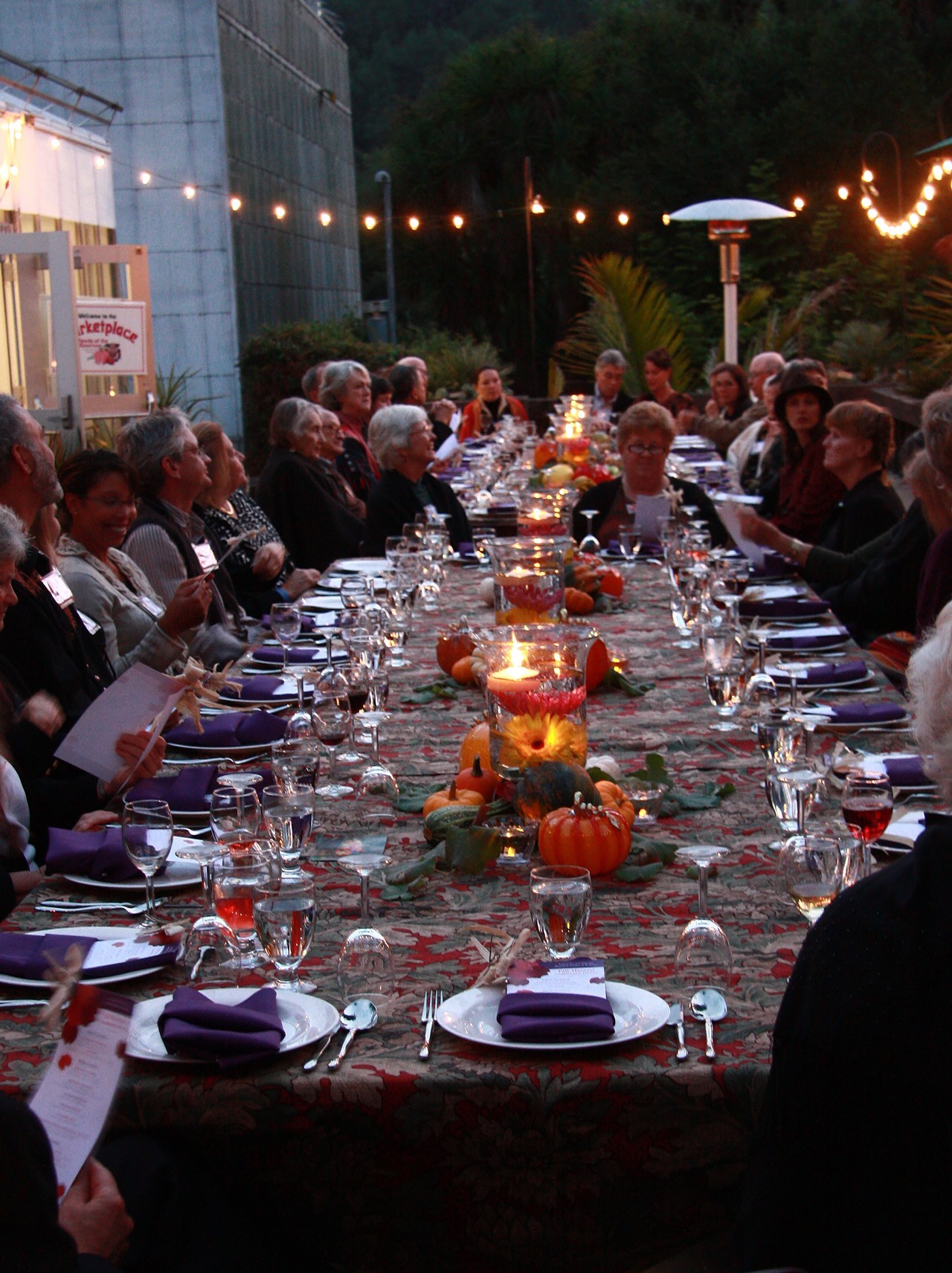
This week’s fancy-dinner-for-a-good-cause offers guests the opportunity to formally ring in the fall, and also to have bragging rights for being one of the first to check out a well-regarded Berkeley restaurant’s brand new executive chef — Gather Restaurant’s Tu David Phu, who will cook a meal highlighting local produce at the UC Berkeley Botanical Garden’s (200 Centennial Dr., Berkeley) Fall Harvest Dinner fundraiser. The dinner, which will take place at the Botanical Garden’s historic Julia Morgan Hall, will feature cocktails courtesy of St. George Spirits, wine from Donkey & Goat Winery, and dessert by Masse’s Pastries. It really is for a good cause, too: to help pay for the garden’s educational programs, many of which benefit low-income youth. Reserve your spot via the UC Berkeley events website, by calling 510-664-9841, or by emailing Ga************@******ey.edu. — Luke Tsai
Sat., Oct. 17, 5:30-8 p.m. $125. Events.Berkeley.edu

Violence \ Non-Violence
“Feminist theory has generally been on the side of non-violence, yet few would contest the idea that self-defense sometimes does require force.” That claim begins the premise for “Violence \ Non-Violence,” a public conversation between seminal theorists Jacqueline Rose and Judith Butler on October 16, from 4–6 p.m. at UC Berkeley. Butler is a Maxine Elliot Professor in Comparative Literature and Critical Theory at Cal, and is recognized for her influential writing on gender. Rose is a professor at the Birkbeck Institute for the Humanities at the University of London, and is known for her writing on feminism, psychoanalysis, and the Israeli-Palestinian conflict. Together, they will attempt to parse the ethical and political distinctions of aggression, force, and violence and outline a relationship between physical and psychological violence. Then, they will begin to situate those questions within the feminist and psychoanalytic discourse. On October 15 from 5–7 p.m., in the same location, Rose will also give a lecture called “Feminism and the Abomination of Violence,” which will, in part, explore the ways in which Hannah Arendt and Melanie Klein placed violence at the core of their work. — Sarah Burke
Fri., Oct. 16, 4-6 p.m. Free. Events.Berkeley.edu


Felabration
Propelled by the immense success of the fifteen-month, Tony Award-winning Broadway show, Fela! The Musical, Third Generation Recordings and The Players from Fela! On Broadway have teamed up to tour a remixed excerpt of the musical called Felabration. The performance, which features musicians from the show, dancing, a live funk band and a DJ, will be at the New Parish (1743 San Pablo Ave., Oakland) on Saturday, October 17. Fela! was first conceived in 2000 when Stephen Hendel stumbled upon a CD of music by Fela Anikulapo Kuti, the internationally acclaimed Nigerian Afrobeat musician and general rabble-rouser. But the musical that it inspired didn’t make it to the stage until nearly a decade later. Fela! chronicles Kuti’s journey using his music to openly challenge the corruption and injustice stemming from successive military regimes in his native country. Kuti also paid the price for his defiance; he was arrested and beaten countless times. When he died in 1997, one million people attended his funeral. His legacy as a musical powerhouse and political juggernaut endures to this day, echoed in homages such as Felabration. — Erin Baldassari

Sat., Oct. 17, 9 p.m. $27.50, $35. 
TheNewParish.com

Ada and the Memory Engine
Central Works in Berkeley (2315 Durant Ave., Berkeley) will be hosting yet another world premiere with Ada and the Memory Engine, a play that honors women’s achievements in math and science. The story follows a young Ada Lovelace — the real-life daughter of famed poet Lord Byron — just as the industrial revolution is coming to a close. After becoming inspired by longtime friend Charles Babbage, who is credited with inventing the computer, Ada begins to fantasize about a new reality in which the boundaries between art and science converge. She seeks out to create a machine that will solve difficult algorithms — the first ever memory engine — but it’s not an easy task. Lauren Gunderson, who has written several plays about women’s roles in male-dominated academic disciplines, authored the play, and Central Works’ Gary Graves takes the helm in the director’s chair. If you’re a fan of both romance and technology, this one’s for you: The play’s promoters are likening it to a meeting between Steve Jobs and Jane Austen. — Gillian Edevane
Starts Oct. 17. Thursdays-Saturdays, 8 p.m. and Sundays, 5 p.m. Continues through Nov. 22 $15-$28. CentralWorks.org


If your pockets are feelin’ light and you’re still yearning for more suggestions, we’ve got a ton, and these ones are all FREE! We’re Hungry: Got any East Bay news, events, video, or miscellany we should know about? Feed us at Sa*********@************ss.com.

Exclusive: Oakland’s Big New Pot Plan

The City of Oakland is swiftly moving to capitalize on California’s historic, state-level medical marijuana regulations with a vast expansion of The Town’s cannabis industry permits system. The number of permitted dispensaries could double from eight to sixteen, or the cap on dispensary permits could be eliminated entirely. Oakland also is planning to offer a path to...

Autumn Lights Festival Dazzled Oakland

If you could get through the long line, the Oakland Autumn Lights Festival dazzled with both large- and small-scale light installations woven into the greenery at the Gardens at Lake Merritt.

Treasure Island: From Electrifying Collaborations to Forgettable Muzak

FKA Twigs coupled her operatic singing with tense choreography. Credits: Kevin Francis Barrett Treasure Island Music Festival is typically curated to appeal to two different crowds: Saturday spotlights electronic and pop artists, while Sunday consists of mellow indie rock. However, each year, this dualistic paradigm feels increasingly outdated. The year 2015 saw a great deal of fascinating cross-genre collaborations in pop:...

Monday Must Reads; Kensington Official Harassed by Cop Says FBI Advised Her to Leave Town; Water Hogs Live in Blackhawk Enclave

Stories you shouldn’t miss: 1. Vanessa Cordova, a Kensington elected official who has been allegedly harassed by a rogue cop in her town, said she was told by the FBI to leave the area for an indefinite period because of “credible threats” to her safety, the Bay Area News Group$ reports. Cordova, who is a member of Kensington’s governing board, has...

East Bay on its way to millions in bike and pedestrian friendly grants

A rendering of a bus boarding island and buffered bike lane at 20th Street at Webster Street in Oakland. Credits: City of Oakland More than $20 million of state and federal funds are likely to go toward paving the way to safer walking and bicycling in the East Bay. A "yellow...

Facing the Housing Crisis, Berkeley and Emeryville Lawmakers Are Advancing Numerous Solutions; But Not Oakland

Jesse Arreguin. Credits: Bert Johnson The Berkeley and Emeryville city councils are advancing numerous new and updated housing policies in response to the East Bay’s affordable housing crisis. The plans include: increasing affordable housing impact fees paid by developers; making pre-development loans to affordable housing developers; and even calling on the state legislature to overturn the Costa Hawkins law which gutted...

California Marijuana Legalization In Disarray — Campaigns Late, Divided

The activists working to legalize cannabis in California in 2016 are running behind schedule and remain seriously divided. We are 388 days before Californians are likely to go to the polls and vote on some form of end to the war on marijuana in the Golden State. The Secretary of State advised reformers to file their ballot language by...

Berkeley’s Ecology Center Works to Make Sure Every Farmers’ Market Can Accept Food Stamps

More and more low-income families will be able to use food stamps as currency to buy fresh produce from small farmers’ markets due to federal grants for technical support and state matching funds supporting the work of Berkeley’s Ecology Center. The Ecology Center was awarded part of an $8 million Farmers’ Market Supplemental Nutrition Assistance Program (SNAP) Support Grant....

Friday Must Reads: A’s President Billy Beane Revealed as Huge Water Waster; State Political Watchdog Clamps Down on Soft Money Groups

Stories you shouldn’t miss: 1. Oakland A’s President Billy Beane, a Danville resident, is the third largest water guzzler among East Bay MUD customers, and has been using about 6,000 gallons of water a day during the state’s punishing drought, the Bay Area New Group$ reports, citing newly released records from East Bay MUD. The largest...

This Weekend’s Top Five Events

It's not quite Halloween, not yet Veteran's Day, and not Thanksgiving just yet. But it is the weekend. So here's five ways to celebrate that.   Treasure Island Music Festival The time has come to ride the giant, glowing Ferris wheel that shows up in San Francisco every year: Treasure Island Music Festival is...
19,045FansLike
17,709FollowersFollow
61,790FollowersFollow