More than $20 million of state and federal funds are likely to go toward paving the way to safer walking and bicycling in the East Bay.
A “yellow brick road” in Richmond and long-awaited improvements to Telegraph Avenue in Oakland are among the projects slated to potentially receive Active Transportation Program (ATP) grants. The California Transportation and Metropolitan Transportation Commissions will decide later this month whether to officially adopt the 113 state-wide and rural, and 11 regional proposals recommended to receive funding, chosen out of a total of 617 applications.
In Richmond, about $6.2 million could go toward plan to highlight bike and pedestrian paths in the city’s Iron Triangle neighborhood with a yellow brick design. The idea came originally from a group of Richmond youth in 2008, and has since been incorporated into the city’s pedestrian plan.
The city received a Caltrans planning grant in 2012 for the project and tested it last year. The Iron Triangle neighborhood contains a largely low-income population and has suffered from the prevalence of violent crime and health problems, according to a report prepared on the brick road project.
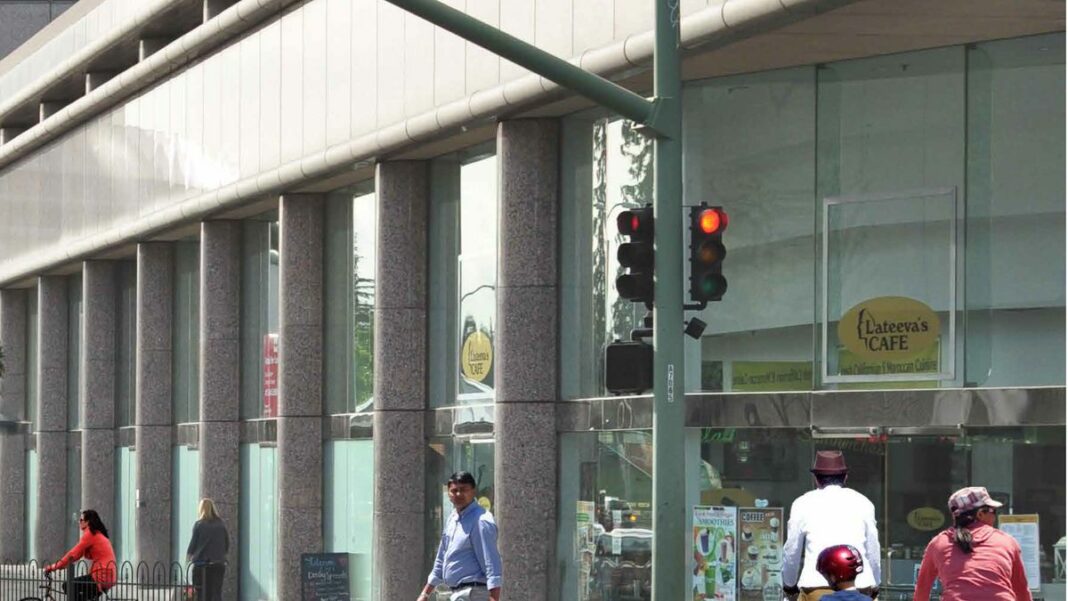
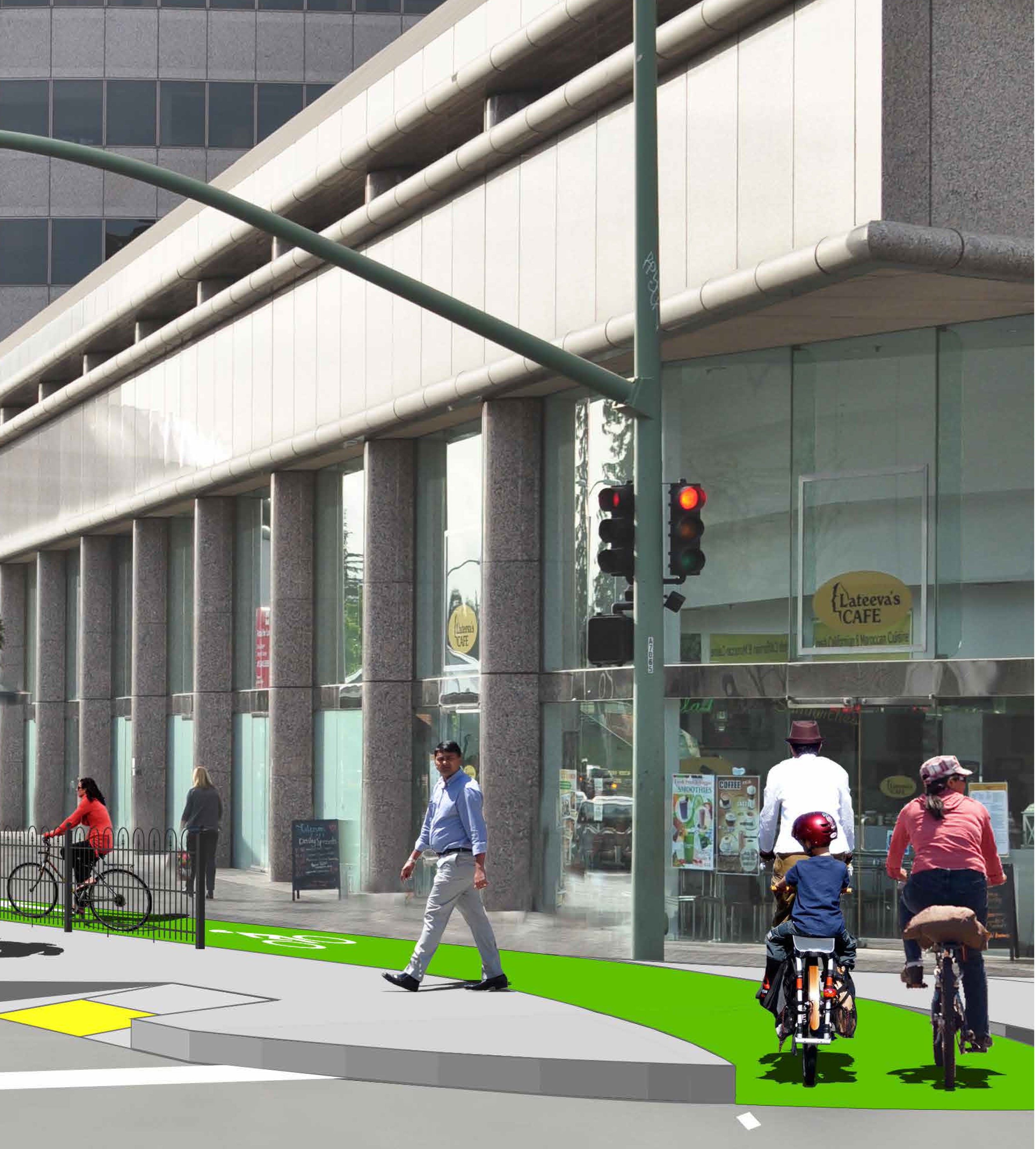
[jump] Oakland saw two successes out of the four plans it submitted, including a revamp of Telegraph Avenue between 20th and 41st streets that would install Oakland’s first ever “cycle tracks,” specially protected bike paths that have become increasingly popular. In the works since 2013, the project is hoped to spur business in addition to increasing safety in the area.
$4.5 million could also go toward putting cycle tracks, wider sidewalks and boarding islands for public transit on 20th street connecting 19th Street BART station to Lake Merritt. “If you know that area very well, it’s kind of 1950s era design that really makes movements for cars easy but makes movement for pedestrians more difficult,” said Bruce Williams, Oakland’s transportation funding manager, of the BART to Lake Merritt project.
Ryan Chan, vice-chair of the city’s bicyclist and pedestrian advisory commission, said he thought the Telegraph improvements in particular “really needs to move forward.” Both areas are listed as priorities on the city’s Bicycle Master Plan.
Other possible grants include $850,000 to connect Berkeley’s 9th street bicycle boulevard to another trail, and more than $700,000 to boost biking and walking near Castro Valley schools.
ATP funding goes out in three rounds: approximately $180 million for projects across the state, $35 million for small urban and rural areas and region-specific money, including a $30 million pot for the MTC region.
The state transportation commission will choose whether to adopt recommendations by Oct. 22, and the MTC by Oct. 28.