1. A statewide measure that has qualified for the November 2016 ballot could block Governor Jerry Brown’s controversial plan to build two giant water tunnels underneath the fragile Sacramento-San Joaquin River Delta, the LA Times$ reports. The measure, which was certified yesterday by the Secretary of State’s Office as having gathered enough signatures to qualify for the ballot, would require voter-approval for any plan by the state to use more than $2 billion in revenue bonds for a major infrastructure project. Brown wants to use at least $15 billion in revenue bonds to pay for the water tunnels — so if the ballot measure is approved next year, he would then have to obtain voter-approval for the project.
[jump]
4. Volkswagen not only lied on emissions tests involving Volkswagen and Audi vehicles, but also involving Porsches, The New York Times$ reports (via the Chron$). Volkswagen defrauded the tests so that its pollution-spewing diesel cars could pass them.
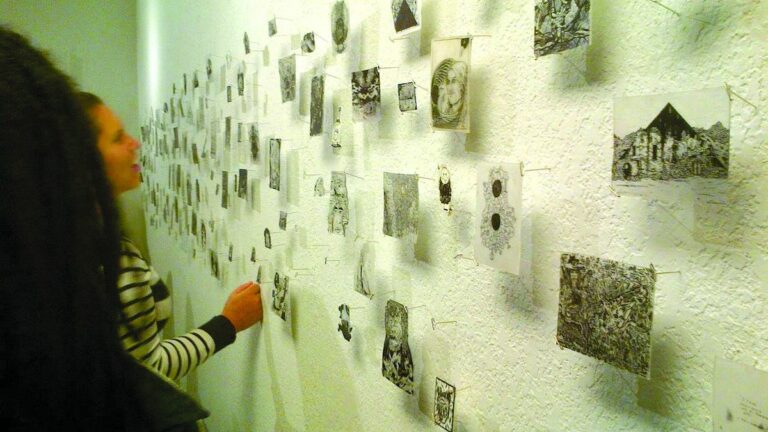
In terms of the number of artists on the bill, the annual Get Small show put on by Session Space has consistently been huge. But it terms of artwork, it’s definitely tiny. The premise is simple: Local artists paint masterpieces onto Shrinky Dink paper, then zap them down to miniature size in the oven and cut them out for collecting pleasure. At last year’s show, prices ranged from $3 to $30 and the walls were nearly bare by the end of the evening, as people plucked their favorites off the wall for purchasing. It’s the most fun and affordable way to be an art collector for a night, and the little pieces are unlike others you’ll find elsewhere even from the same artists. Get Small 3 will be held at Turpentine Gallery (557 Forest St., Oakland) on November 7, at 7 p.m. If you’re serious about small art, you’ll get there early.
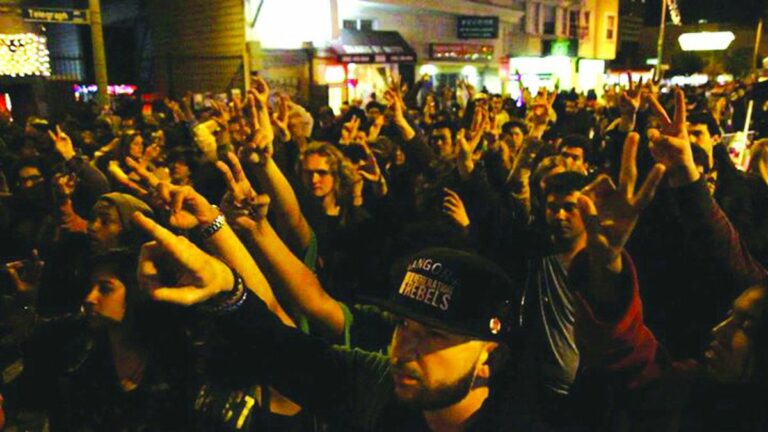
The creators of The Anastasio Project, which tackled the issue of police and border patrol violence, have brought together a new multidisciplinary showcase of local dance and theater companies to take a broader look at state violence, this time in the context of gentrification. In The Anastasio Project, NAKA Dance Theater combined movement, dance, spoken work, poetry, art installations, video, and original music for a performance that moved seamlessly from indoors to outdoors. The story focused on the experience of Anastasio Hernandez Rojas, an undocumented immigrant who died several days after border patrol agents beat and tasered him; stories from Bay Area residents of police violence; and interviews with members of the Eastside Arts Alliance. For “Artists in Response,” which is showing at the Eastside Culture Center (2277 International Blvd., Oakland) on November 7 and 8, NAKA will bring together dance theater companies from across the Bay, along with poet Marvin K. White and Black Lives Matter organizer Cat Brooks.
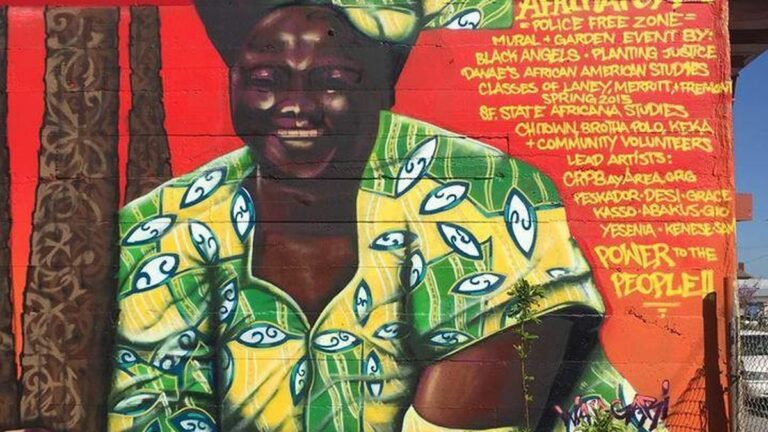
Afrikatown is an urban garden that local organizers set up in a vacant lot earlier this year in an effort to create a community-focused space that prioritizes people of color in rapidly gentrifying West Oakland. In addition to offering free vegetables and community breakfasts, the garden has become a welcoming space for all kinds of folks — including drug addicts and sex workers, who are often marginalized even from organizations that purport to be progressive. When Afrikatown was first established, the lot’s owner declared that he wanted to sell the parcel to developers. However, after a widely attended day of protest, organizers declared victory and said that they had no intention of leaving, although the garden’s legal status still hangs in limbo. To rally support for the garden, on Sunday, November 8, Afrikatown is throwing an Anti-Gentrification Block Party that will include food, speakers, a new mural, and a lineup of musical guests that include R&B singer Ka’Ra, rapper Nancy, DJs Destiny and Jose Arias, and more.
Oakland was ablaze with conspiracy theories when Kendrick Lamar tickets went on sale at exactly 12 p.m. on October 9 and sold out in seconds. Tickets appeared on StubHub moments later at several times the original asking price, and folks took to social media to voice their discontent. After all, Lamar’s recent album, To Pimp a Butterfly, was a rallying cry against systemic racism and resonated deeply with Oaklanders when it came out earlier this year, as Black Lives Matter protests raged on in the city’s streets. The fact that high resale prices essentially barred Lamar’s target audience from seeing his performance seemed incongruous with To Pimp a Butterfly’s message. Luckily, not long after #KendrickGate transpired, promoter Chaney Turner of Social Life Productions decided to throw a Lamar-themed party for those who couldn’t get tickets to the rapper’s live show. The spin-off event, which was originally to be held at SomaR Bar, received so many RSVPs on Facebook that Turner moved it to the larger New Parish, which will be packed with jilted Lamar fans on November 10 for the Kendrick Lamar Kunta’s Groove Sessions After Party.
The trailer for the documentary First Friday sets the premise for the film with one succinct yet deeply complex point: “In the same year, Oakland was rated one of the top five destinations in the world and one of the top five most dangerous cities in the country.” That “destination” label famously came from a 2012 New York Times listicle, which was written at a time when Oakland was first drawing national attention for its booming First Friday block party and gallery walk. Now, co-directors N’Jeri Eaton and Mario Furloni are using the monthly festival as a microcosm of Oakland’s long-emerging culture clash and issues of gentrification in their new film. In part, it centers on the fatal shooting of a teenager at the February First Friday in 2013. Although that was over two years ago, the discussions boiling out of this film have only become increasingly relevant with time. First Friday will screen at the New Parkway (474 24th St., Oakland) on November 6, at 8:20 p.m. Afterwards, Eaton and Furloni will discuss the film in a Q&A session.
The branding of a country — the process by which a country becomes aesthetically unified into a nation — goes far beyond flags. California College of the Arts professor Karen Fiss is currently researching the many ways in which imagery is used to cultivate a sense of citizenship. In her forthcoming book, From Nation Building to Nation Branding, she will relate this research to the sharp rise of international art exhibitions and biennials worldwide, specifically within postcolonial and developing countries in which efforts are being made to integrate artistic communities into the globalized art market. Fiss will be presenting a preview of her research in a lecture entitled “Brand the Beloved Country,” which will take place in Tan Hall at UC Berkeley on November 10 at 2 p.m. Fiss is also one of two curators of the exhibit Necessary Force: Art in a Police State, currently at the University of New Mexico Art Museum, which showcases artwork that interrogates police violence and other systemic forces of oppression.
Received messages that this planet is in a soul slumber/Awakening is happening but at too slow a number, rhymes Aima the Dreamer in the eponymous title track of Planet Femme, Femme Deadly Venoms’ latest EP. On Planet Femme, she and producer/singer Lady Fingaz adopt a sci-fi aesthetic to tell stories from the point of view of feminine aliens invading Earth in order to restore a balance of masculine and feminine energies. The project isn’t heavy-handed with this theme, however, and avoids the preachy qualities that some people find off-putting about conscious rap. Instead, it’s rife with cheeky rhymes about partying and seduction — with an emphasis on self-confidence and sexual consent. San Francisco rapper MicahTron, who has long been a fixture of The City’s queer scene, delivers an especially memorable, fired-up verse on the track “Hella Saucy.” While Lady Fingaz’ beats are rooted in old-school hip-hop song structures, she uses glitchy, electronic textures that reference house and drum and bass. Femme Deadly Venoms performs on Saturday, November 7 at VRC3, a showcase of female musical talent that Venus Rising Collective puts on at Legionnaire Saloon.
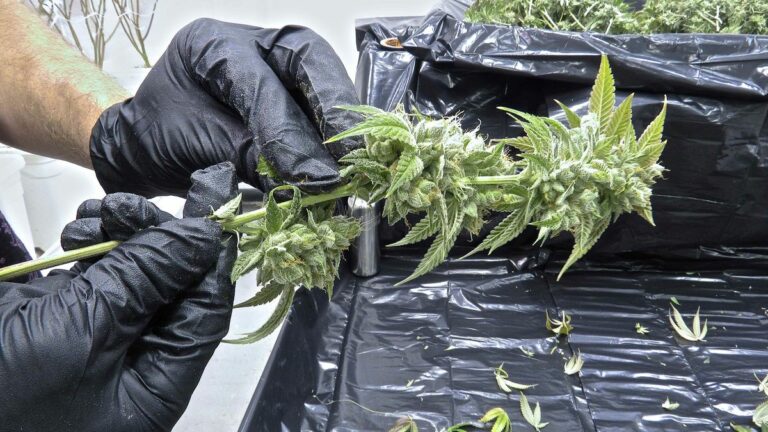
A group backed by billionaire philanthropist Sean Parker released a major, viable new initiative to legalize marijuana in California in 2016.
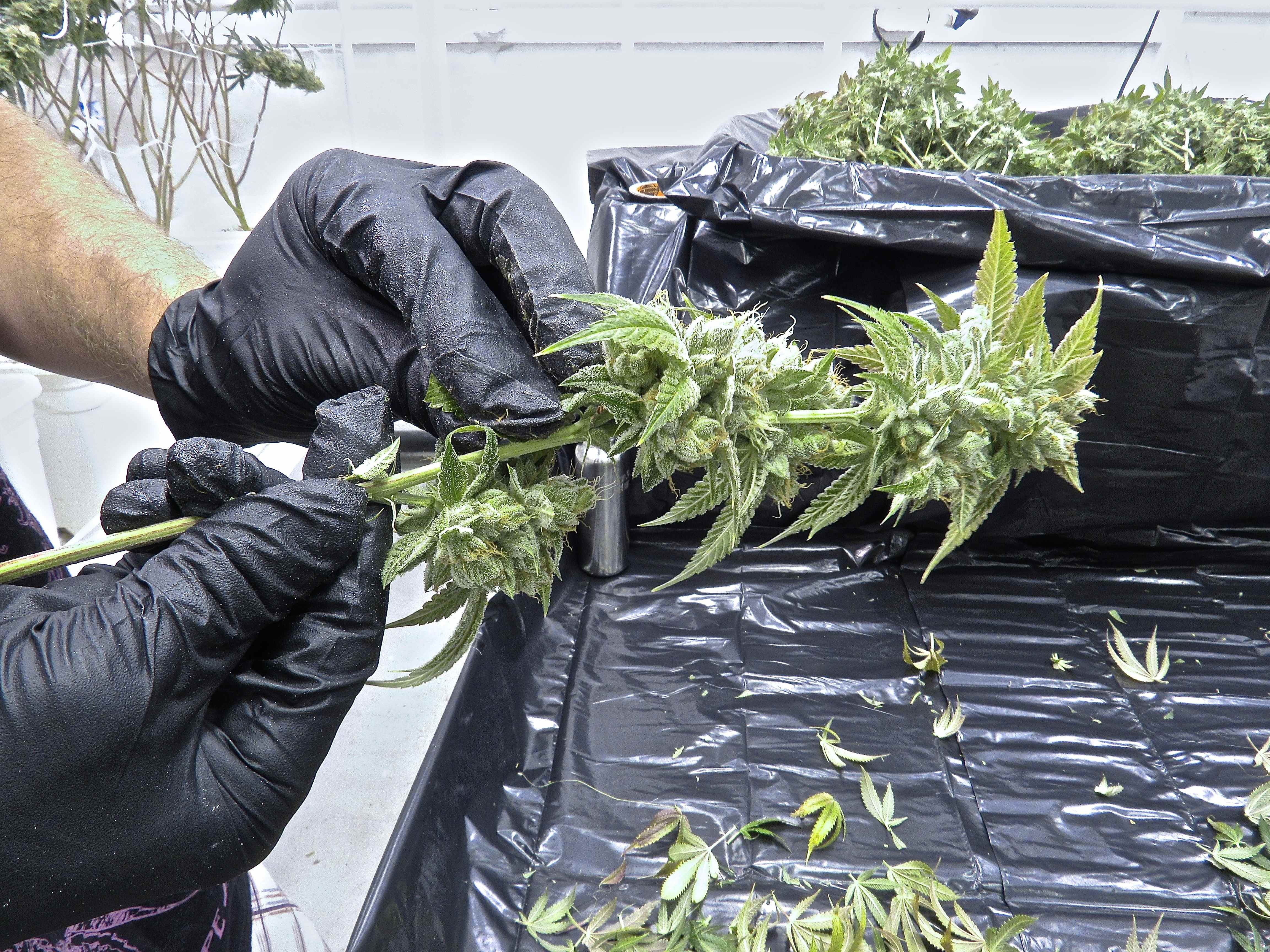
Called the Control, Regulate, and Tax Adult Use of Marijuana Act, the measure would end cannabis prohibition in California. The measure would establish a seed-to-sale system of commercial regulations. Here’s what’s inside the initiative, which was filed by noted environmentalist Michael Sutton and phyiscian Donald Lyman.
Credits: David Downs
Personal Possession
– 21 years of age and older.
– one ounce of bud, four grams of hash.
– can grow six plants at home.
“Marijuana and marijuana products involved in any way with conduct deemed lawful by this section are not contraband nor subject to seizure, and no conduct deemed lawful by this section shall constitute the basis for detention, search, or arrest.”
[jump]
Taxes Are 15 percent at Retail
“Effective January 1, 2018, a marijuana excise tax shall be imposed upon purchasers of marijuana or marijuana products sold in this state at the rate of fifteen percent (15%) of the gross receipts of any retail sale by a dispensary or other person required to be licensed.”
And $9.25 per ounce wholesale ($2.75 for trim). It also brings back and fully legalizes industrial hemp, and brings back the cannabis tax stamp.
“The board may prescribe by regulation a method and manner for payment of the cultivation tax that utilizes tax stamps or state-issued product bags that indicate that all required tax has been paid on the product to which the tax stamp is affixed or in which the marijuana is packaged.”
Tens of millions of dollars in tax proceeds are earmarked for drug prevention services, medical research, wildlife preservation, and community corrections.
Bans
No local bans on personal indoor grows. Fresno patients, you are not forgotten.
Cities and counties have wide latitude on allowing cannabis commerce and what types. But it takes a local majority vote to “completely prohibit the establishment or operation of one or more types of businesses licensed under this division”.
No smoking in public. And It remains illegal to drive a vehicle while intoxicated by any drug.
Fines
Break the new law and fines start at $100, with diversion for juveniles. Drug diversion might get pretty groovy. “The drug education program required by this section for persons under the age of 18 must be free to participants and provide at least four hours of group discussion or instruction based on science and evidence-based principles.”
The Regulatory System
It goes with the newly created medical cannabis regulations. A new state agency would be named the Bureau of Marijuana Control, and the chief of the BMC and its appeals panel would not be allowed to have any interest in cannabis companies. The twelve licensing types look similar to medical regulations. Expect lengthy regulations and plan reviews for extraction, processing, and other facilities, including their water use plans.
About a half-dozen state agencies would handle different aspects of regulation, exactly like the new medical pot regulations. An advisory committee would fill in the blanks with regard to all the regulations.
“The advisory committee members shall include, but not be limited to, representatives of the marijuana industry, representatives of labor organizations, appropriate state and local agencies, public health experts, and other subject matter experts, including representatives from the Department of Alcoholic Beverage Control, with expertise in regulating commercial activity for adult-use intoxicating substances. The advisory committee members shall be determined by the director.”
The law is also anti-monopoly. The bureau could withhold licenses that “allow unreasonable restraints on competition by creation or maintenance of unlawful monopoly power.”
The law is also pro-moderation. You could lose your license if you “encourage underage use or adult abuse of marijuana or marijuana products.”
And the law is anti-clustering. Licenses may be withheld in high-crime areas with a cluster of cannabis licenses.
No: price-fixing; loss-leading; bribing; or other commercial funny business.
And no licensees near schools and other sensitive uses.
License Priority
Existing, licensed entrants have priority. This is huge.
“A licensing authority shall give priority in issuing licenses under this division to applicants that can demonstrate to the authority’s satisfaction that the applicant operated in compliance with the Compassionate Use Act and its implementing laws before November 1, 2015, or currently operates in compliance with Chapter 3.5 of Division 8.”
Local cities and counties will give the state a green list of their priority licensees.
Who Can’t Get Licenses?
Finger-printing required for a license. Potential disqualifications for a license include “an offense that is substantially related to the qualifications, functions, or duties of the business or profession for which the application is made.”
Exceptions can be made if “granting the license would not compromise public safety. The licensing authority shall conduct a thorough review of the nature of the crime, conviction, circumstances, and evidence of rehabilitation of the applicant, and shall evaluate the suitability of the applicant or licensee to be issued a license based on the evidence found through the review.”
They definitely want to weed out applicants with “violent felony conviction[s]”, “serious felony conviction[s]”, “a felony conviction involving fraud, deceit, or embezzlement” or human trafficking of minors or drugging of minors.
Underground cannabis dealers, can go legit.
“A prior conviction for possession of, possession for sale, sale, manufacture, transportation, or cultivation of a controlled substance is not considered substantially related [to license qualifications], and shall not be the sole ground for denial of a license. Conviction for any controlled substance felony subsequent to licensure shall be grounds for revocation of a license or denial of the renewal of a license.”
Branding
We’re going to get trademarked and protected “Humboldt” appellations.
“The bureau shall establish standards for recognition of a particular appellation of origin applicable to marijuana grown or cultivated in a certain geographical area in California. (b) Marijuana shall not be marketed, labeled, or sold as grown in a California county when the marijuana was not grown in that county. (c) The name of a California county shall not be used in the labeling, marketing, or packaging of marijuana products unless the marijuana contained in the product was grown in that county.”
Water Protections
Commercial growers must survive a water audit by several state agencies.
“If a watershed cannot support additional cultivation, no new plant identifiers will be issued for that watershed. Cultivation will not negatively impact springs, riparian wetlands and aquatic habitats. The department shall establish a program for the identification of permitted marijuana plants at a cultivation site during the cultivation period. A unique identifier shall be issued for each marijuana plant. The department shall ensure that unique identifiers are issued as quickly as possible to ensure the implementation of this division. The unique identifier shall be attached at the base of each plant or as otherwise required by law or regulation.”
Expect licensed testing labs, for tested and labelled clean pot. And here’s your new state-mandated pot product warning:
“GOVERNMENT WARNING: THIS PRODUCT CONTAINS MARIJUANA, A SCHEDULE I CONTROLLED SUBSTANCE. KEEP OUT OF REACH OF CHILDREN AND ANIMALS. MARIJUANA PRODUCTS MAY ONLY BE POSSESSED OR CONSUMED BY PERSONS 21 YEARS OF AGE OR OLDER UNLESS THE PERSON IS A QUALIFIED PATIENT. THE INTOXICATING EFFECTS OF MARIJUANA PRODUCTS MAY BE DELAYED UP TO TWO HOURS. CONSUMPTION OF MARIJUANA PRODUCTS IMP AIRS YOUR ABILITY TO DRIVE AND OPERATE MACHINERY. PLEASE USE EXTREME CAUTION”
Edibles
“Marijuana products shall be: (1) Not designed to be appealing to children or easily confused with commercially sold candy or foods that do not contain marijuana.”
Ten milligrams of THC will be the dose per serving. “Delineated or scored into standardized serving sizes if the marijuana product contains more than one serving and is an edible marijuana product in solid form.”
Advertising
Pot ads are mostly for adults, the law reads. “Any advertising placed in broadcast, cable, radio, print and digital communications shall only be displayed where at least 71.6 percent of the audience is reasonably expected to be 21 years of age or older, as determined by reliable, up-to-date audience composition data.”
And advertisers have to tell the ‘truth’.
“All advertising shall be truthful and appropriately substantiated.”
“No licensee shall: (a) Advertise in a manner that is false or untrue in any material particular … [or] tends to create a misleading impression.”
“No licensee shall publish or disseminate advertising containing any health-related statement that is untrue in any particular manner or tends to create a misleading impression as to the effects on health of marijuana consumption. A specific health claim will not be considered misleading if it is truthful and adequately substantiated by scientific or medical evidence; sufficiently detailed and qualified with respect to the categories of individuals to whom the claim applies; adequately discloses the health risks associated with both moderate and heavier levels of consumption; and outlines the categories of individuals for whom any levels of consumption may cause health risks. Such required information must appear as part of the specific health claim and in a manner as prominent as the specific health claim.”
And Sorry, No More Freebies, Dispensaries:
“No licensee shall give away any amount of marijuana or marijuana products, or any marijuana accessories, as part of a business promotion or other commercial activity.”
But Lounges Are A-Okay,
Provided that “access to the area where marijuana consumption is allowed is restricted to persons 21 years of age and older; (2) Marijuana consumption is not visible from any public place or non-age restricted area; and (3) Sale or consumption of alcohol or tobacco is not allowed on the premises.”
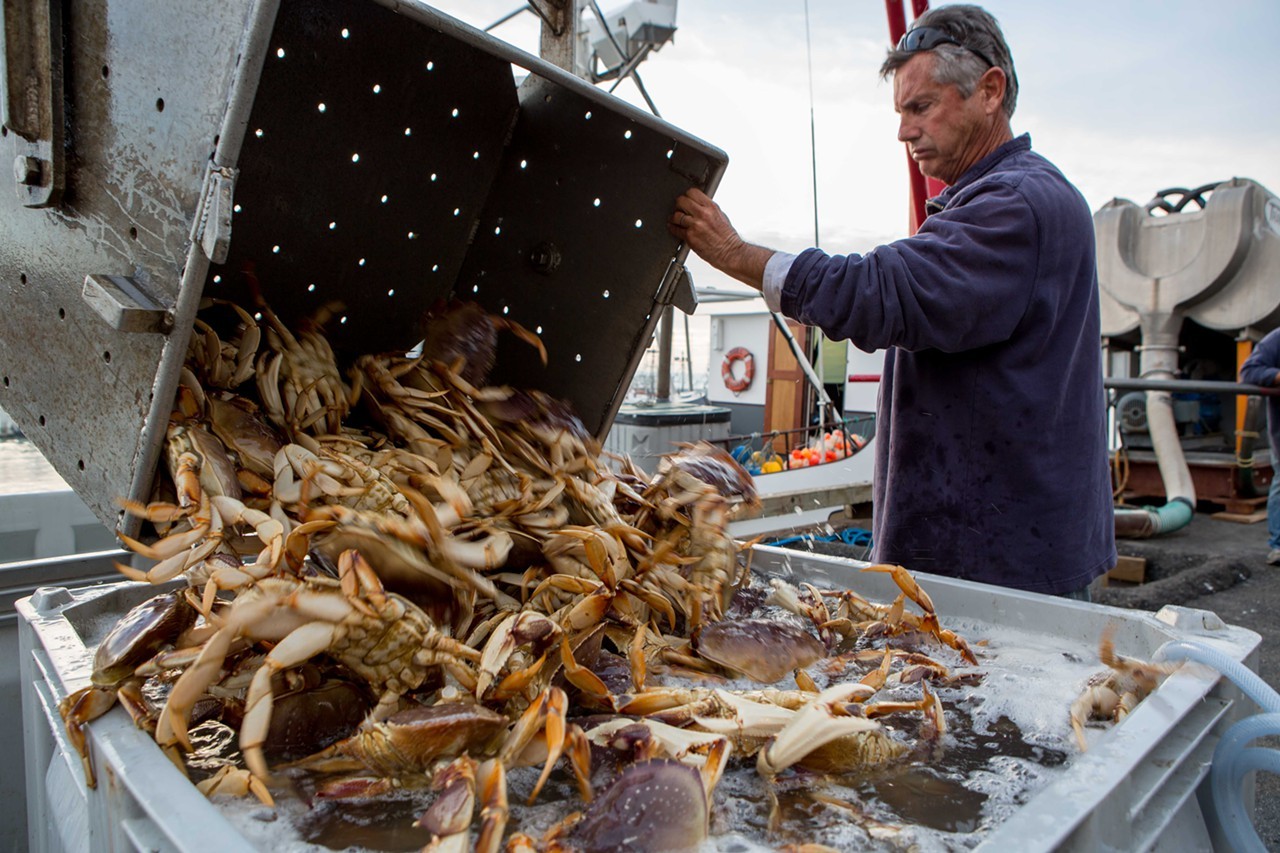
Dungeness crab.
Credits: Bert Johnson/File photo
1. A massive toxic algae bloom off the West Coast is threatening to delay this year’s Dungeness crab season, the Chron reports. Scientists are concerned about the neurotoxin domoic acid being present in this year’s crab harvest. If consumed by humans, domoic acid can cause memory loss, seizures, and even death. The toxin also can’t be killed by boiling crabs in water. The algae bloom is likely caused by extraordinarily high ocean temperatures.
2. The Bay Bridge bike path connector to Treasure Island likely will not be open by the end of the year as promised by Caltrans, the Chron$ reports. The San Francisco County Transportation Authority predicts that the connector will not open until next summer. Currently, the bridge bike path stops before Yerba Buena and Treasure islands.
[jump]
3. Mayor Libby Schaaf’s administration plans to submit a new plan for an Oakland Raiders stadium in a few weeks, the Chron$ reports. The plan is being developed with consultant Mitchell Ziets from Tipping Point Sports of New York. The Raiders face a $400 million financing shortfall for a new stadium, and Schaaf has vowed to only use public dollars for infrastructure upgrades in and around the Coliseum site.
Stories you shouldn’t miss:
1. A statewide measure that has qualified for the November 2016 ballot could block Governor Jerry Brown’s controversial plan to build two giant water tunnels underneath the fragile Sacramento-San Joaquin River Delta, the LA Times$ reports. The measure, which was certified yesterday by the Secretary of State’s Office as having gathered enough signatures to qualify for the...
In terms of the number of artists on the bill, the annual Get Small show put on by Session Space has consistently been huge. But it terms of artwork, it’s definitely tiny. The premise is simple: Local artists paint masterpieces onto Shrinky Dink paper, then zap them down to miniature size in the oven and cut them out for...
The creators of The Anastasio Project, which tackled the issue of police and border patrol violence, have brought together a new multidisciplinary showcase of local dance and theater companies to take a broader look at state violence, this time in the context of gentrification. In The Anastasio Project, NAKA Dance Theater combined movement, dance, spoken work, poetry, art installations,...
Afrikatown is an urban garden that local organizers set up in a vacant lot earlier this year in an effort to create a community-focused space that prioritizes people of color in rapidly gentrifying West Oakland. In addition to offering free vegetables and community breakfasts, the garden has become a welcoming space for all kinds of folks — including drug...
Oakland was ablaze with conspiracy theories when Kendrick Lamar tickets went on sale at exactly 12 p.m. on October 9 and sold out in seconds. Tickets appeared on StubHub moments later at several times the original asking price, and folks took to social media to voice their discontent. After all, Lamar’s recent album, To Pimp a Butterfly, was a...
The trailer for the documentary First Friday sets the premise for the film with one succinct yet deeply complex point: “In the same year, Oakland was rated one of the top five destinations in the world and one of the top five most dangerous cities in the country.” That “destination” label famously came from a 2012 New York Times...
The branding of a country — the process by which a country becomes aesthetically unified into a nation — goes far beyond flags. California College of the Arts professor Karen Fiss is currently researching the many ways in which imagery is used to cultivate a sense of citizenship. In her forthcoming book, From Nation Building to Nation Branding, she...
Received messages that this planet is in a soul slumber/Awakening is happening but at too slow a number, rhymes Aima the Dreamer in the eponymous title track of Planet Femme, Femme Deadly Venoms’ latest EP. On Planet Femme, she and producer/singer Lady Fingaz adopt a sci-fi aesthetic to tell stories from the point of view of feminine aliens invading...
A group backed by billionaire philanthropist Sean Parker released a major, viable new initiative to legalize marijuana in California in 2016.
Called the Control, Regulate, and Tax Adult Use of Marijuana Act, the measure would end cannabis prohibition in California. The measure would establish a seed-to-sale system of commercial regulations. Here’s what’s inside the initiative, which...
Stories you shouldn’t miss:
Dungeness crab.
Credits: Bert Johnson/File photo
1. A massive toxic algae bloom off the West Coast is threatening to delay this year’s Dungeness crab season, the Chron reports. Scientists are concerned about the neurotoxin domoic acid being present in this year’s crab harvest. If consumed by humans, domoic acid can cause memory loss, seizures, and even death. The toxin...