Shotgun Players (1901 Ashby Ave., Berkeley) recently began BLAST, its new annual month-long series celebrating difference through a line up of boundary-bending performances by local and international theater artists. This week, the series will offer GIRL!, “a cabaret-style evening of theatrical drag and drag-fueled theater with some of San Francisco’s finest champions of both.” The well-known San Francisco drag queen Monique Jenkinson (aka Fauxnique) and character artist Evan Johnson (who performs as Martha T. Lipton) have brought together a diverse group of artists who will riff on drag traditions in order to offer unexpected performances. The lineup includes Gina La Divina, Trixxie Carr, Miss Rahni, Dulce De Leche, and Katya Smirnoff Skyy. Performances are at 8 p.m. on February 25 and 26. They will, indeed, surely be a blast.
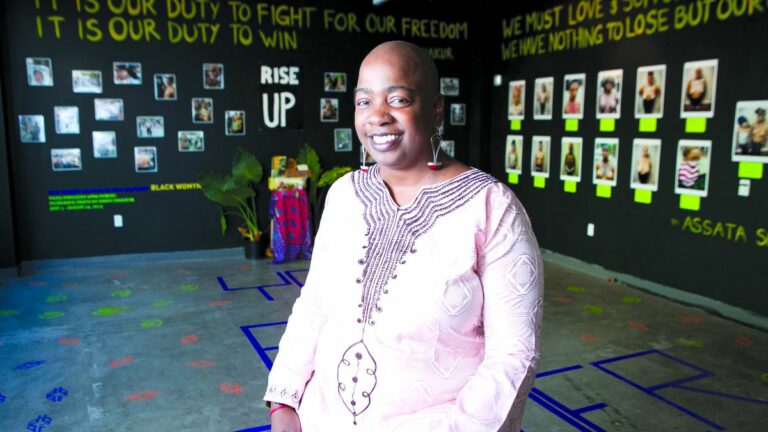
As the culmination of Conjure Circle, its six-month-long art and activism event series, Impact Hub Oakland’s Omi Gallery (2323 Broadway) will be holding a town hall meeting on Saturday, February 27 to focus on the experiences of girls and women of color. The event is part of the national “Breaking the Silence Town Hall” series put on by the African American Policy Forum, which offers a platform for communities across the country to engage in a discussion about the experiences of women and girls of color as they relate to displacement, police violence, criminalization, sexual assault, domestic violence, and poverty. And as the event’s description reads: “We hope to create opportunities for local decision makers to listen to participants about the challenges they experience on a daily basis in their homes, schools, and communities, and identify opportunities for intervention.” The African American Policy Forum began the series in 2014, with the goal of creating a more gender inclusive racial justice vision. Since, the events have taken place in New York; Los Angeles; Miami; Washington, DC; Baltimore; Chicago; and Atlanta. The event is free, but registration is required.
Mark Baum was born in what is now Poland in 1903 and barely survived emigrating to the United States in 1919. For thirty years thereafter, the painter succeeded in the New York art scene. But despite the popularity of his work, he decided in the 1950s to move away from his representational paintings, and until his death in 1997, developed an abstract art practice that merged spirituality with creativity. Eventually, Baum moved to Maine to paint fulltime from a converted barn and continue to contemplate spirituality. During that time, Baum began using a singular diamond-like symbol in various iterations to create all of his compositions, which he considered psychic maps to an enlightened existence. A retrospective of Baum’s late work, which has never been shown before, is now on view at Krowswork Gallery (480 23rd St., Oakland) in the show Mark Baum: Elements of the Spirt. At 2:30 p.m. on February 27, the gallery will host a free panel discussion on the artist’s life featuring the Contemporary Jewish Museum of San Francisco’s chief curator Renny Pritikin; UC Berkeley’s Center for Arts, Religion, and Education director Elizabeth Pena; and Baum’s son, Billy.
Washington, DC’s GoldLink describes his eclectic hip-hop sound as “future bounce,” which is one way of categorizing his genre-resistant blend of funk; go-go; rap; house; and experimental, electronic production. Oakland music fans might remember GoldLink as one of the headliners of last year’s Oakland Music Festival. The rising artist recently released his album And After That, We Didn’t Talk and is currently on a national tour to promote the project. The album is a glowing patchwork of its various influences, which come together in short bursts of concise, hooky, and danceable tracks. The upbeat sound, with its bright, organic samples, evokes the current wave of young MCs — such as Chance the Rapper and Anderson Paak — opting for similarly warm, layered beats. Catch GoldLink on the San Francisco stop of his tour at Social Hall SF on March 1.
924 Gilman is a longstanding, all-ages punk venue in Berkeley where many legendary bands — such as Green Day — got their start. Since 1986, the venue has served as a talent incubator for up-and-coming punk and hardcore acts, as well as a hospitable place for underground touring bands to perform. Currently, as rents rise astronomically in the Bay Area, many cultural hubs are pursuing strategies to secure their longevity amid the competitive real estate market. The Gilman is currently in the middle of a fundraising campaign that organizers hope will gather enough money over the next three or four years to secure a permanent location. To help the cause, The Night Light, a bar with punk roots in Oakland’s Jack London district, is hosting Dookie: A Benefit for 924 Gilman Day Party on February 28. The show, which features Bill Collins, Cinder Block, and DJ Jesse Luscious, will benefit this endeavor, as well as the Gilman’s efforts to lower door prices and expand its outreach to underserved populations.
Chicago footwork is a fast-paced, percussive style of house music with an accompanying DIY street dancing culture. And while the footwork scene in the Windy City is pretty underground, it has many appreciators in the Bay Area, where turfing occupies a similar niche in the hip-hop and DJ scenes. So the untimely death of DJ Rashad, one of footwork’s pioneers, in 2014 was deeply felt in Oakland’s music community, with many artists and DJs expressing their condolences for the legendary producer on social media. Footwork fans in the Bay Area can rejoice, however, as DJ Spinn and DJ Earl of Rashad’s original Teklife crew are coming to Oakland to play at Brix on February 27. Sela Oner, a Vallejo producer who considers footwork a major influence, is also on the bill, alongside up-and-coming Bay Area DJs Namaste Shawty, Drea Faux Real, and Shruggs.
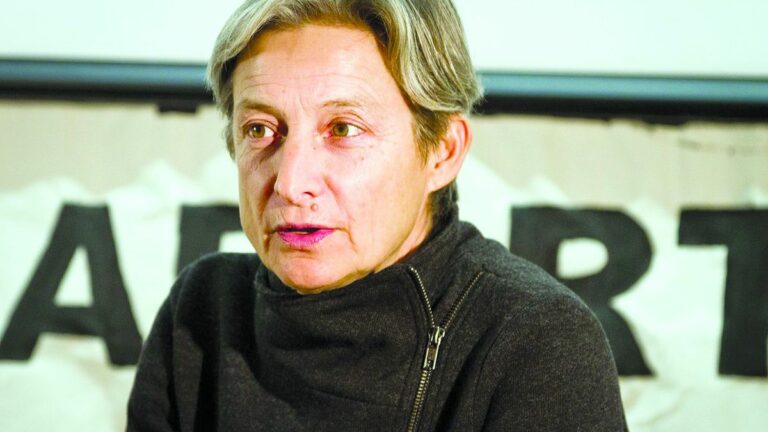
As part of the ongoing academic series “Gender in Translation,” the California College of the Arts will be hosting a series of events including a lecture by seminal gender theorist Judith Butler on February 25. The series as a whole is put on by the Cultural Services of the French Embassy in San Francisco with the goal of questioning the notion of gender in the fields of social sciences, philosophy, and art. Butler is a professor in the Department of Comparative Literature and Critical Theory at UC Berkeley and served as the founding director of the Critical Theory program there. She’s best known for her 1990 book Gender Trouble: Feminism and the Subversion of Identity, wherein she presented the influential concept of “gender performativity,” which argues that gender is an act that we each perform. Her free lecture will be held in Timken Hall on the CCA campus in San Francisco (1111 8th St.) at 7 p.m.
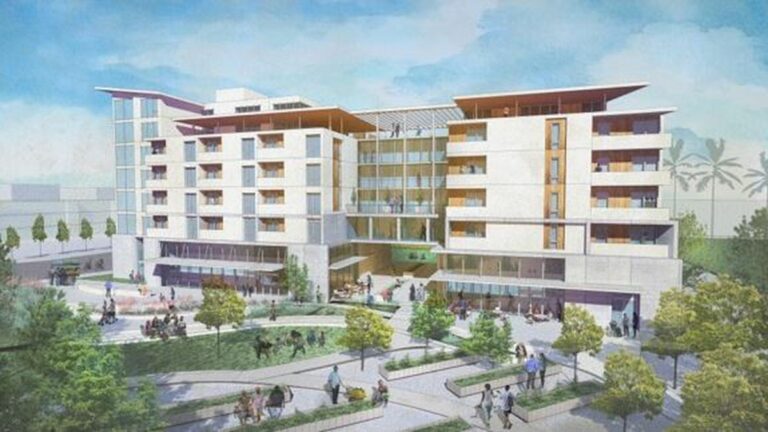
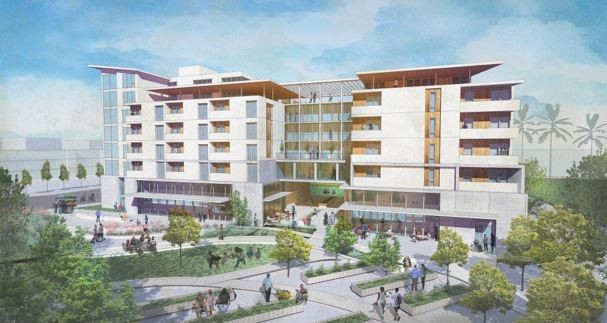
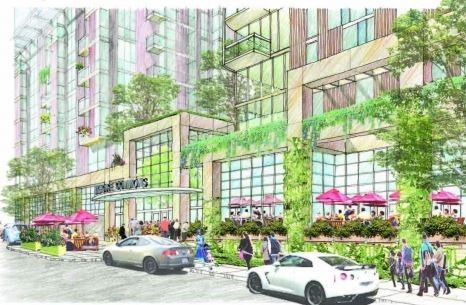
Credits: E. 12th Wishlist Design Team and Satellite Affordable Housing AssociatesE. 12th Street Decision: OaklandAssistant City Administrator Claudia Cappio told a gathering of regional political leaders, developers, and housing policy experts on Saturday that she expects a decision will be made “very soon” regarding the fate of the E. 12th Street Remainder Parcel.
For the past several months, the Oakland City Council has been meeting in closed session to discuss proposals for how to develop the E. 12th Street Remainder Parcel, a one-acre swath of city-owned land near Lake Merritt that was once slated to become a luxury condo tower. A community coalition protested the deal, and last year the Oakland City Attorney’s office advised the city council, in a secret legal memo, that selling the land to the developer UrbanCore without requiring construction of any affordable housing would have violated the state Surplus Land Act. After the Express published this legal memo, the deal was scrapped. Since then, the city re-opened bidding on the land. Five developer teams are now competing to take control of the parcel. And all of them are required to build affordable housing on the site.
So who are the bidders, and what do their projects look like?
[jump]
The city has refused to release the developers’ proposals because negotiations are ongoing. Almost all of the developers have also refused to make their plans public. However, the E. 12th Wishlist Design Team and Satellite Affordable Housing Development have made their plan public. They’re proposing to build a 133 unit apartment building with virtually all of the housing priced far below market rate. Approximately 80 percent of the building’s apartments would rent at a price affordable to people earning less than 50 percent of the area median income. This developer team includes many of the protesters who objected to the city’s original plan to sell the land to UrbanCore.
Credits: UrbanCore/EBALDC
After UrbanCore lost control of the E. 12th Parcel, the company teamed up with the affordable housing developer EBALDC to submit a new bid for the land. According to an UrbanCore/EBALDC proposal summary obtained by the Express, their new plan involves building 360 units of housing, and approximately 108 of these would be priced below market-rate. There would be 90 affordable units with rents that are affordable to people earning between 30 and 60 percent of the area median income. Additionally, there would be 18 so-called “workforce” housing units, priced for renters whose income is between 100 and 150 percent of the area median income.
Hotel and Housing Uptown: In other housing and development news, on Tuesday the Community and Economic Development committee is expected to approve a deal with a team of developers who want to build a hotel, apartment building, parking garage, and retail stores on a giant empty lot in Uptown located at 1911 Telegraph Avenue, just across the street from the old Sears Building. The developer team is a joint venture led by Alan Dones and his Oakland-based company, Strategic Urban Development Alliance. Dones wants to build a 168 room “boutique” hotel, and 281-unit apartment building. Forty-two of the apartments would be marketed as affordable because their rents would target people whose incomes are between 80 and 120 percent of the area’s median income.
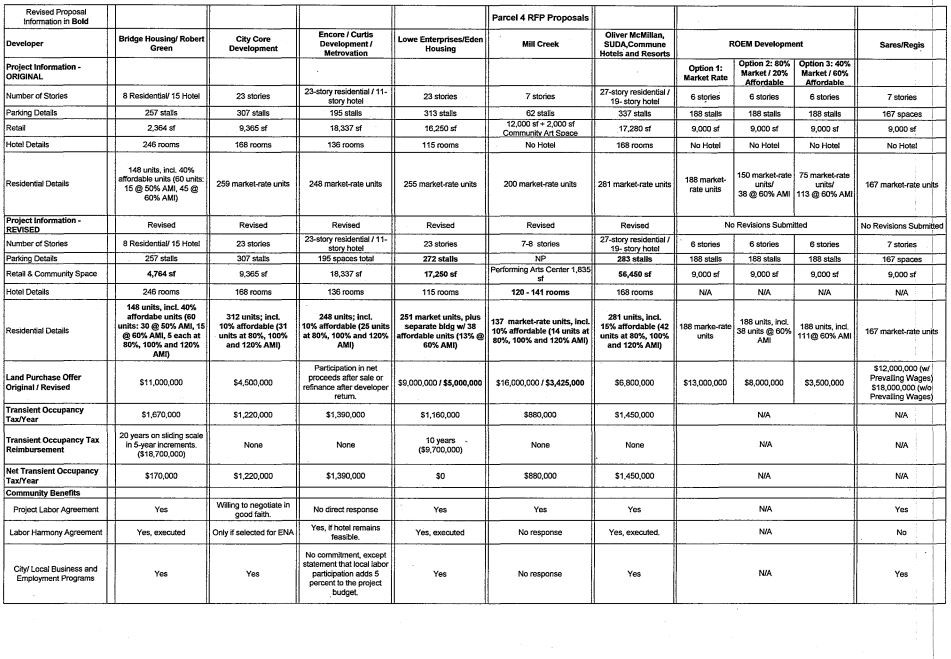
SUDA wasn’t the city’s initial pick to develop the site, however. Another team consisting of the hotel company Lowe Enterprises and the housing developer Eden Housing was city staff’s first choice. But the city council was unhappy with all of the project proposals submitted by the eight developer teams that bid on the land in the first round, so the council had the developers submit revised proposals, and SUDA’s was chosen instead. (See the table below comparing all the developers’ first and revised proposals.)
SUDA’s original plan had no affordable housing component, despite the fact that the land is public, city-owned real estate that used to be controlled by the Oakland Redevelopment Agency. In fact, only two of the eight developers that bid on the project originally had plans to include affordable housing on the site. One of these was Bridge Housing.
Bridge Housing and the Robert Green Company submitted a plan that would have purchased the land for $11 million. In addition to 88 market-rate apartments and a hotel, Bridge was proposing to build sixty units of affordable housing, with thirty of these targeting people who earn half the area’s average income.
By contrast, SUDA is only going to pay $6.8 million for the land, and its affordable units target people with substantially higher incomes. But the city appears to be valuing the ongoing hotel tax payments more than the price the land will fetch, or the amount of truly affordable housing that will be built. Under SUDA’s proposal, the city will likely collect $1.45 million each year in hotel taxes, while the Bridge Housing proposal would have only provided $170,000 a year in hotel taxes. Bridge planned to use the rest of the hotel tax money to finance the affordable housing.
1. State Senator Mark Leno, D-San Francisco, introduced legislation that would open police misconduct hearings and records to the public, the Chron reports. Leno’s bill, which is backed by San Francisco County District Attorney George Gascón, would roll back a 1978 law and subsequent state Supreme Court decisions that have made police misconduct cases and records secret. Leno and Gascón said restoring transparency is essential to regaining the public’s trust of law enforcement, particularly in light of recent high-profile killings by police. Police officer unions strongly oppose the bill.
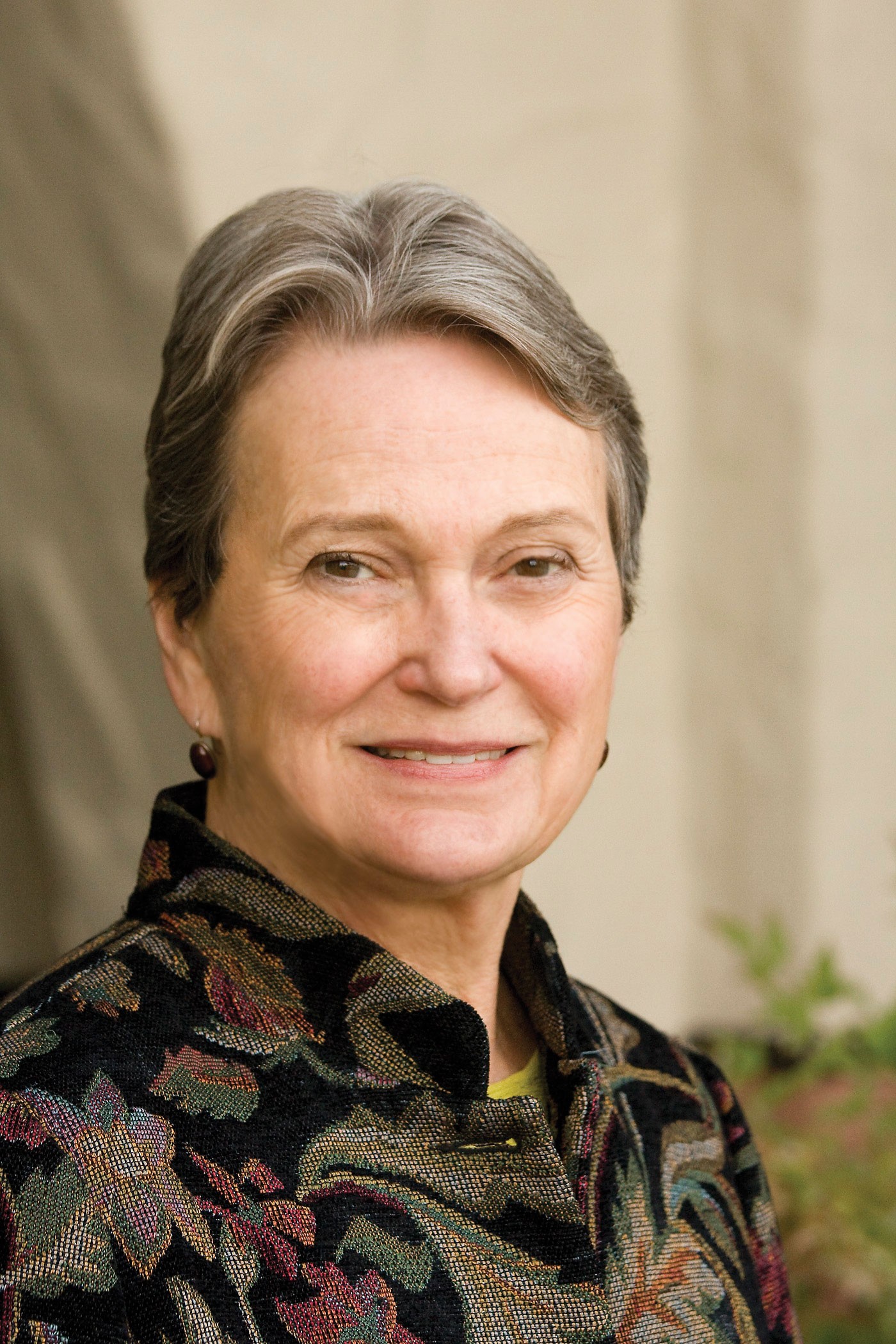
Loni Hancock.
2. State Senator Loni Hancock, D-Berkeley, introduced a package of legislation that would block the controversial plan to build a coal terminal at the former Oakland Army Base, the Trib$ reports. Hancock’s four bills “would declare shipping coal through West Oakland a health and safety danger and prohibit shipment through the Oakland port; require extensive environmental reports for public agencies approving coal projects; prohibit public funds to build or operate coal-exporting ports located next to poor communities; and require state-funded facilities to prohibit coal or participate in the state’s cap-and-trade program.”
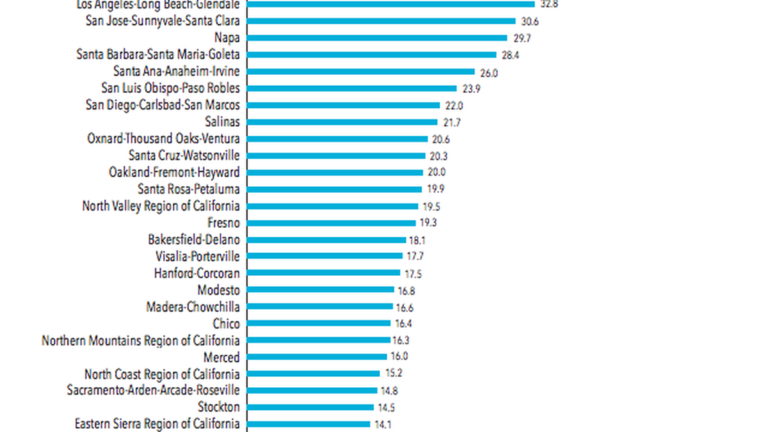
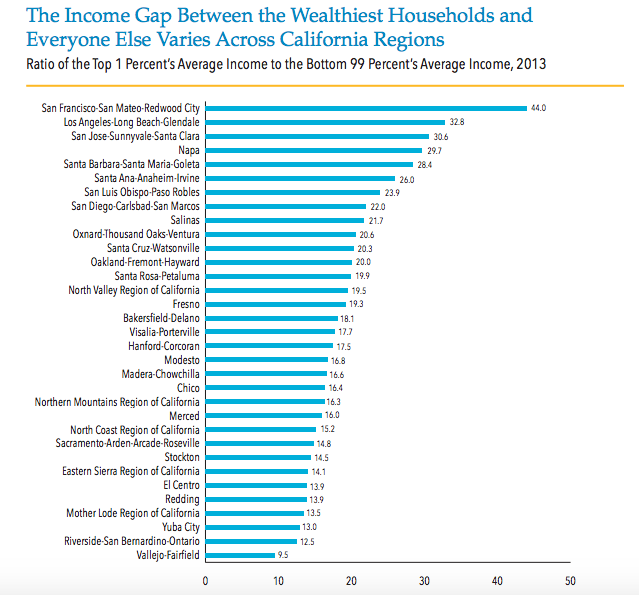
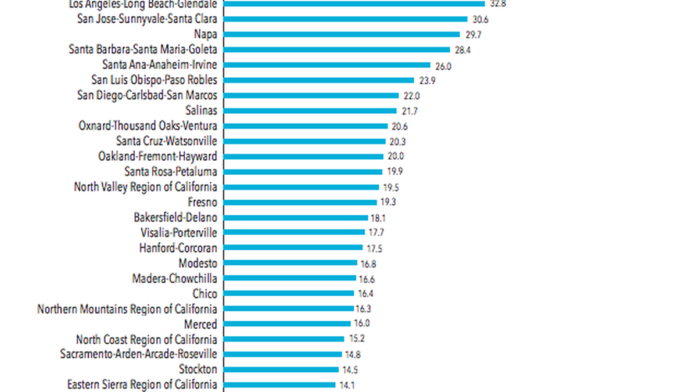
Bay Area cities topped the charts in a recent report revealing that income gains in California largely went to the highest-income households during the past 25 years, while the remaining medium- and low-income households saw little to no income gains.
Ratio of the top 1 percent’s average income to the bottom 99 percent’s average income across California regions in 2013
Credits: California Budget & Policy Center
The California Budget & Policy Center, an independent policy research center based in Sacramento that released the study, found San Francisco to have the highest income inequality ratio, where the average wealthiest household ($3.6 million in 2013) earns 44 times the average income of the bottom 99 percent ($81,094). San Francisco also had the highest share of income going to the top 1 percent, with 30.8 percent of the region’s income going to its highest earners in 2013.
The Oakland-Fremont-Hayward metropolitan area ranked 12th in terms of income inequality ratio, with its 1 percent earning $1,271,054 on average in 2013 – about 20 times that of the bottom 99 percent ($63,397). The East Bay region however jumps up to sixth in the study’s ranking of top 1 percent income growth over the study period. According to the report, the 1 percent in Oakland-Fremont-Hayward has grown by 87.8 percent since 1989, while the bottom 99 percent has seen only an 8.1% increase.
[jump]
The report, which looked at thirty different metropolitan and rural areas across California, analyzed trends among the state’s “top income” households through three different metrics, including level of inequality, change in average income for both the top 1 percent and bottom 99 percent since 1989, and the share of total income captured by the highest earners over 25 years. According to the report, “all three metrics show that California’s income growth has been heavily weighted toward the state’s highest-income residents, especially in the wealthiest regions.”
The issue of a widening income gap is pervasive in California’s economy, and comes at little surprise to many living in the Bay Area, where the cost of living has skyrocketed. According to California Budget & Policy Center Executive Director Chris Hoene, there has been substantial economic growth in the Bay Area, yet these gains are primarily received by the top 1 percent on both sides of the bay. “When you combine that trend with related trends that we know, like increasing costs of housing, it means for everyone else, the other 99 percent, it’s increasingly harder to get by,” Hoene said in an interview.
“This goes along with the economic story of the Oakland-Fremont-Hayward region over the last few decades,” Hoene continued. “If we were looking at 1989, we might be telling a story where that growth wasn’t as widely spread and the area wasn’t doing as well. Fast forward to 2013 and the Bay Area is a leading economic region in the country. You’re seeing a lot of economic growth, but it’s concentrated at the top.”
Though the East Bay region showed an increase in incomes for the region’s 99 percent since 1989 – compared with other regions such as Merced, which saw a 20.2 percent drop in the 99 percent’s income – Hoene said 8.1 percent growth over the last 25 years is inadequate to keep up with the cost of living.
If the trend continues, Hoene believes the economy will eventually reach a scenario where future economic growth is less likely to occur, and more people are displaced from their homes and neighborhoods, and there is inadequate funding for public services.
“One of the things you want to see with trends like this is policy put in place to mitigate the impacts of inequality,” Hoene said. Increasing the minimum wage, offering benefits to part-time and contracted workers, and expanding affordable housing and transportation are a few of the ways he sees this can and should be done, and to ensure workers have access to the booming economy.
Shotgun Players (1901 Ashby Ave., Berkeley) recently began BLAST, its new annual month-long series celebrating difference through a line up of boundary-bending performances by local and international theater artists. This week, the series will offer GIRL!, “a cabaret-style evening of theatrical drag and drag-fueled theater with some of San Francisco’s finest champions of both.” The well-known San Francisco drag...
As the culmination of Conjure Circle, its six-month-long art and activism event series, Impact Hub Oakland’s Omi Gallery (2323 Broadway) will be holding a town hall meeting on Saturday, February 27 to focus on the experiences of girls and women of color. The event is part of the national “Breaking the Silence Town Hall” series put on by the...
Mark Baum was born in what is now Poland in 1903 and barely survived emigrating to the United States in 1919. For thirty years thereafter, the painter succeeded in the New York art scene. But despite the popularity of his work, he decided in the 1950s to move away from his representational paintings, and until his death in 1997,...
Washington, DC’s GoldLink describes his eclectic hip-hop sound as “future bounce,” which is one way of categorizing his genre-resistant blend of funk; go-go; rap; house; and experimental, electronic production. Oakland music fans might remember GoldLink as one of the headliners of last year’s Oakland Music Festival. The rising artist recently released his album And After That, We Didn’t Talk...
924 Gilman is a longstanding, all-ages punk venue in Berkeley where many legendary bands — such as Green Day — got their start. Since 1986, the venue has served as a talent incubator for up-and-coming punk and hardcore acts, as well as a hospitable place for underground touring bands to perform. Currently, as rents rise astronomically in the Bay...
Chicago footwork is a fast-paced, percussive style of house music with an accompanying DIY street dancing culture. And while the footwork scene in the Windy City is pretty underground, it has many appreciators in the Bay Area, where turfing occupies a similar niche in the hip-hop and DJ scenes. So the untimely death of DJ Rashad, one of footwork’s...
As part of the ongoing academic series “Gender in Translation,” the California College of the Arts will be hosting a series of events including a lecture by seminal gender theorist Judith Butler on February 25. The series as a whole is put on by the Cultural Services of the French Embassy in San Francisco with the goal of questioning...
E. 12th Street Decision: Oakland Assistant City Administrator Claudia Cappio told a gathering of regional political leaders, developers, and housing policy experts on Saturday that she expects a decision will be made “very soon” regarding the fate of the E. 12th Street Remainder Parcel.
For the past several months, the Oakland City Council has been meeting in...
Stories you shouldn’t miss:
1. State Senator Mark Leno, D-San Francisco, introduced legislation that would open police misconduct hearings and records to the public, the Chron reports. Leno’s bill, which is backed by San Francisco County District Attorney George Gascón, would roll back a 1978 law and subsequent state Supreme Court decisions that have made police misconduct cases and records secret....
Bay Area cities topped the charts in a recent report revealing that income gains in California largely went to the highest-income households during the past 25 years, while the remaining medium- and low-income households saw little to no income gains.
Ratio of the top 1 percent’s average income to the bottom 99 percent’s average...