


The city administrator’s office has selected Environmental Science Associates (ESA) to conduct the study, and is recommending that the council hire ESA under a no-bid contract.
But anti-coal activists are actually opposed to the city hiring ESA. The activists claim that ESA doesn’t have expertise in the fields necessary to understand the health impacts of coal. Furthermore, anti-coal activists also say ESA has a conflict of interest, and will likely rubber stamp the coal export scheme. Coal opponents claim that ESA normally works with fossil fuel companies to help them gain approval for projects like oil shipments via rail and pipeline.
City officials say, however, that only ESA has the kind of expertise needed to wade through thousands of pages of documents and other records to figure out just what might happen if the coal scheme becomes a reality.
Oakland Mayor Libby Schaaf already hit pause on the contract with ESA back in February, after anti-coal activists told her the contract’s scope of work was too limited. This time, however, Schaaf supports the contract with ESA.
But there’s another potential conflict of interest that could impact the decision to hire ESA. The Express will elaborate in a news story later today. Stay tuned.

But all the while, the local green energy concept has been incubating. And recently Alameda County officials revived the proposal, and have drawn in numerous cities, including Oakland, to discuss what a local green energy authority might look like.
On Tuesday night, the council will hear a report updating them on the progress that Alameda County has made towards launching a local, renewable-focused energy program that would include Oakland.
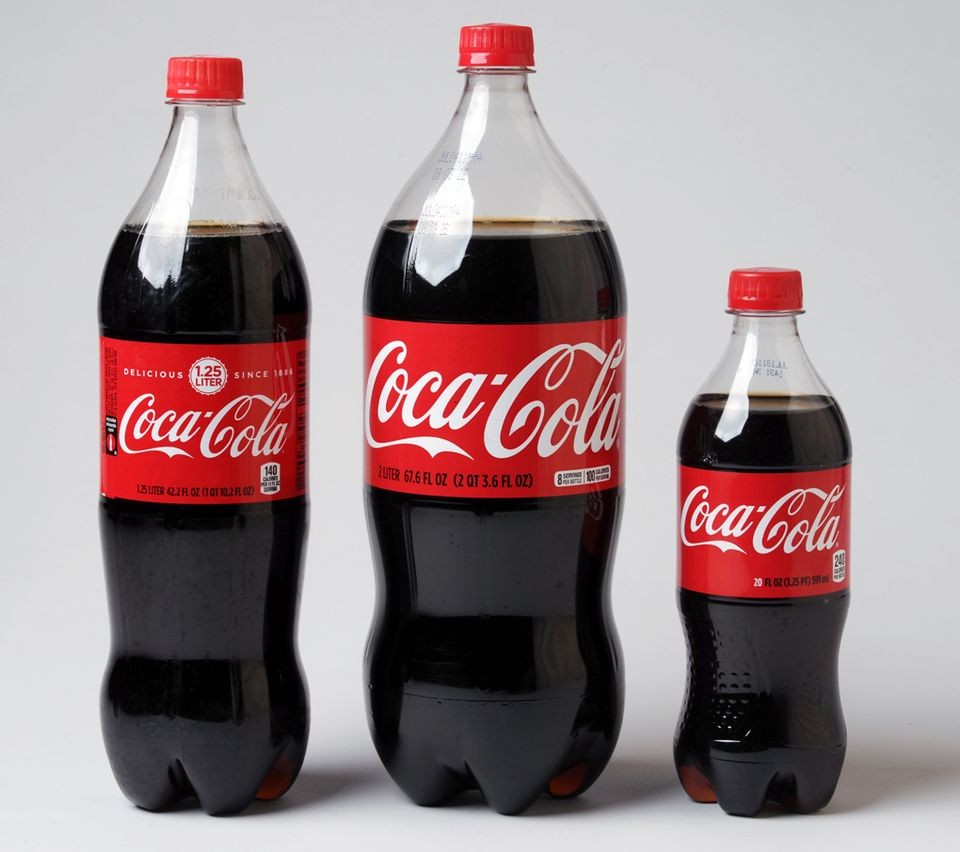
Soda pop industry giants (“Big Soda” companies like Coca-Cola, Pepsico, and their lobbying group the American Beverage Association) recently hired “one of the preeminent political law, government law, and lobbying firms in the country” to help them defeat Oakland’s sugar-sweetened tax. Last week, Big Soda filed paperwork with the Oakland City Clerk’s office to establish a political action committee that they’ll soon be pouring money into. So we can expect to see ads saturating billboards, bus stops, BART stations, and the airwaves — probably a few million dollars worth, given the size of the market and the profits at stake — decrying what Big Soda is already trying to define as a “grocery tax” that will hit consumers hard.
And perhaps there’s a kernel of truth in Big Soda’s claim: the sugar-sweetened beverage tax will probably be passed on to the consumer, so it’s a regressive way of taxing children and the poor to fund health and education programs.