Top 10 Best Offshore Sportsbooks—Sports Betting Abroad (2026)

0

Published in cooperation between Casino Recommendations and East Bay Express

Choosing the right offshore sportsbook isn’t just about flashy bonuses or big promises. In our experience, the best betting sites combine strong odds, reliable payouts and a platform that’s easy to use every day. That’s exactly what BetUS and each of the 10 sportsbooks we ranked in this article deliver.

10 Best Sports Betting Sites 

  1. CoinPoker—150 percent welcome bonus up to $2,000.
  2. BetUS—125 percent bonus up to $2,000 across three deposits, with high rollover.
  3. BetWhale—200 percent crypto bonus up to $6,000, no cashout cap.
  4. BetNow—200 percent crypto welcome bonus geared toward regular bettors.
  5. BetOnline—50 percent sports bonus up to $250 with simple terms.
  6. Bet105—Deposit $50, get a $25 free bet.
  7. MyBookie—50 percent welcome bonus up to $1,000, crypto-friendly.
  8. Everygame—Deposit match bonus with reasonable rollover.
  9. BUSR—Competitive deposit match with clear terms.
  10. Sportsbetting.ag50 percent free bet up to $250 with just 1x wagering on winnings.

1. CoinPoker: Best for Simple Betting & Early Lines

coinpoker

We tested CoinPoker and found it to be a straightforward offshore sportsbook that focuses on core sports betting without overcomplicating things. It’s best for bettors who want solid coverage, early lines and a clean layout. Among offshore betting sites, CoinPoker works well for casual and mid-level players who value simplicity.

Bonuses & Rewards

CoinPoker offers a 150 percent welcome bonus up to $200 for new sports bettors. The wagering requirement is on the higher side at 10x, which we didn’t love, but it’s still a decent entry offer compared to some overseas betting sites. Reload bonuses and occasional promos help keep things fresh, especially during football betting season.

Sports Betting

This online sportsbook covers all the major U.S. leagues, including NFL, NBA, MLB, NHL and NCAA sports. You’ll also find soccer, MMA, tennis and racebook wagering. Betting options include spreads, totals, moneylines, parlays, props, futures and live betting. We liked how early some lines are posted, which gives bettors more time to shop odds. The platform runs smoothly on both desktop and mobile, making it reliable for offshore wagers.

Customer Support

CoinPoker: no publicly listed support email (contact via site form or live chat)

Customer support is available through email and live chat. Our experience was mixed. Responses were helpful, but not always fast during busy hours. It’s workable, but there’s room for improvement compared to top betting sites.

Pros

  • Early odds on major sports
  • Easy-to-use interface
  • Good overall sports coverage

Cons

  • High wagering requirements
  • Customer support can be inconsistent

Sign up with CoinPoker Today

2. BetUS: Best for Sports Betting Content & Live Shows
betus

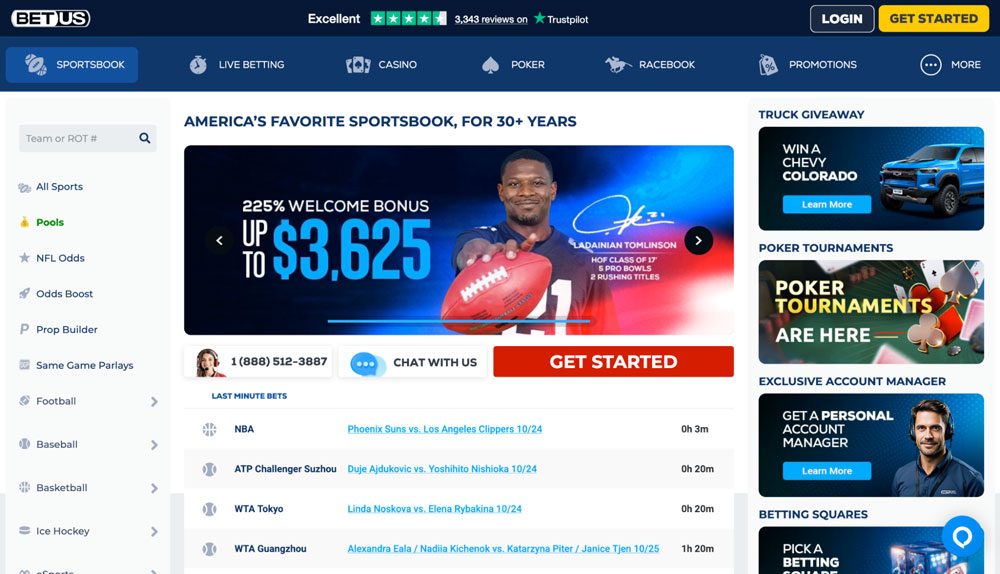
We’ve spent a lot of time with BetUS. It is one of the most recognizable offshore sportsbooks still operating today. It’s best for bettors who want deep sports coverage, strong bonuses and extra content beyond standard online betting.

Bonuses & Rewards

New users can grab the 125 percent sign-up bonus up to $2,000 across their first three deposits. There’s also a 200 percent crypto bonus option for offshore betting fans who prefer digital coins. The rollover is 18x. Regular promos and a tiered VIP program add extra value for loyal players.

Sports Betting

BetUS shines with market depth. You’ll find lines for all major U.S. sports, including NFL, NBA, MLB and NCAA, plus international leagues and esports. Odds are competitive for an offshore sportsbook, especially on futures. The platform runs smoothly on desktop and mobile, making it a reliable online sportsbook for daily offshore wagers.

One thing that really stood out is BetUS TV. We liked being able to watch live betting shows, breakdowns and expert analysis right on the site. It adds personality and helps bettors stay informed.

Customer Support

Email: cu******@*******om.pa

Support is available 24/7 via live chat, phone and email. We tested live chat and got quick, helpful responses, which is what we expect from top betting sites.

Pros 

  • Strong sportsbook market depth
  • BetUS TV with live analysis and picks
  • Long-standing reputation among offshore betting sites

Cons

  • High rollover requirements
  • Interface feels dated in spots

Sign up with BetUS Today

3. BetWhale: Best for High Limits & Crypto Sports Betting

betwhale

BetWhale is seen as the best offshore betting site appealing to crypto users and high-volume players looking for flexible offshore betting options. You also get big bonuses, sharp lines and a modern offshore sportsbook feel. BetWhale fits comfortably among today’s top offshore sportsbooks.

Bonuses & Rewards

BetWhale offers a strong 200 percent crypto welcome bonus up to $6,000, with a 10x wagering requirement. Fiat users still get a solid 100 percent bonus up to $1,000. We like that there’s no max cashout cap, which isn’t common among offshore betting sites. Ongoing promos include missions, tournaments and a rewards store that keeps things interesting.

Sports Betting

This online sportsbook covers all major U.S. sports like NFL, NBA, MLB and NCAA, plus soccer, tennis, motorsports and esports. Live betting stood out to us. Odds refresh quickly, and there are plenty of in-play markets. The interface feels clean and fast on both desktop and mobile, which matters for serious offshore sports betting.

Customer Support

Email: as********@***********il.com

BetWhale offers support by phone and email. While there’s no live chat, phone support was responsive when we tested it, and email replies were clear and helpful. It’s solid, but we’d like to see live chat added.

Pros 

  • Large crypto bonus with no cashout cap
  • Strong live betting and market variety
  • Modern, easy-to-use platform

Cons

  • No live chat support
  • Some wagering terms may feel steep for casual bettors

Sign up with BetWhale Today

4. BetNow: Best for Simple, Sports-First Betting

betnow

BetNow is a solid choice for bettors who want reliable lines, fast performance and a straightforward betting experience without distractions. Among offshore sportsbooks, BetNow feels built for everyday action bettors.

Bonuses & Rewards

BetNow offers a 200 percent crypto welcome bonus, which gives new users a strong boost right away. There are also ongoing Promobucks offers that provide extra betting credits with a lower rollover than the welcome deal. We liked the VIP-style setup. Instead of confusing tiers, regular players receive ongoing reload bonuses and sportsbook rebates, which is refreshing for offshore betting sites.

Sports Betting

This online sportsbook covers all major U.S. leagues like NFL, NBA, MLB and NCAA, plus soccer, tennis, MMA and niche markets such as darts and politics. Betting options include spreads, totals, props, futures, parlays and live betting. The platform runs smoothly on desktop and mobile. In our experience, BetNow is quick to load and easy to navigate, which matters for live offshore wagers.

Customer Support

Email: no publicly listed support email (contact via site form or live chat)

Customer support is available 24/7 via live chat, phone and email. We tested live chat and received a response within minutes. The reps were friendly and knowledgeable, which puts BetNow ahead of many overseas betting sites.

Pros

  • Clean, sports-first interface
  • Strong U.S. sports coverage
  • Fast and reliable customer support

Cons

  • No flashy features or media content
  • Design feels basic compared to newer betting companies

Sign up with BetNow Today

5. BetOnline: Best for Early Lines & Market Variety
betonline

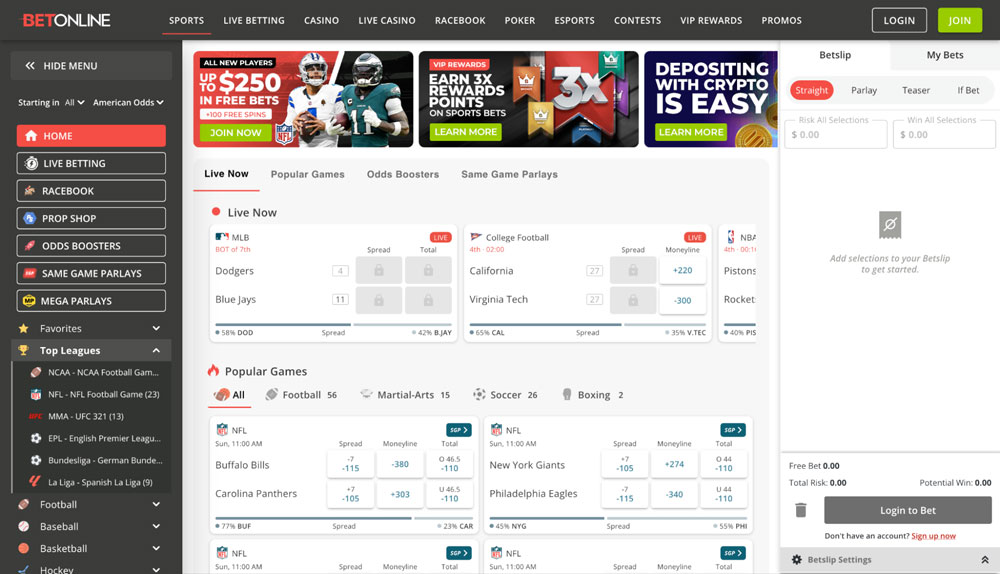
We’ve used BetOnline for years, and it remains one of the most reliable offshore sportsbooks on the market. It consistently delivers early odds, deep markets and steady performance across major sports. For us, BetOnline still earns its spot among the best offshore sportsbooks for serious online betting.

Bonuses & Rewards

BetOnline keeps things simple with a 50 percent sports welcome bonus up to $250 in free bets. It’s not the biggest offer in offshore betting, but the terms are reasonable and easy to understand. We also like the ongoing contests. Free-to-enter pools and parlay challenges add value without forcing extra wagering.

Sports Betting

This online sportsbook really shines with its market depth. You’ll find betting lines for NFL, NBA, MLB, NHL, NCAA sports and a massive selection of soccer leagues. There’s also solid coverage of MMA, boxing, tennis and niche markets like darts and politics. Live betting is smooth, with frequent odds updates. In our experience, BetOnline often posts lines earlier than many overseas betting sites, which sharp bettors appreciate.

Customer Support

Email: su*****@*******ne.ag

Customer support is available 24/7 through live chat, phone and email. We tested live chat and got connected quickly. The help center is also useful for quick answers, which is a plus for busy bettors.

Pros

  • Early odds and strong market depth
  • Reliable live betting experience
  • Long-standing reputation among betting companies

Cons

  • Welcome bonus is smaller than some top betting sites
  • Interface feels a bit dated

Sign up with BetOnline Today

6. Bet105: Best for Reduced Juice & Sharp Bettors
bet105

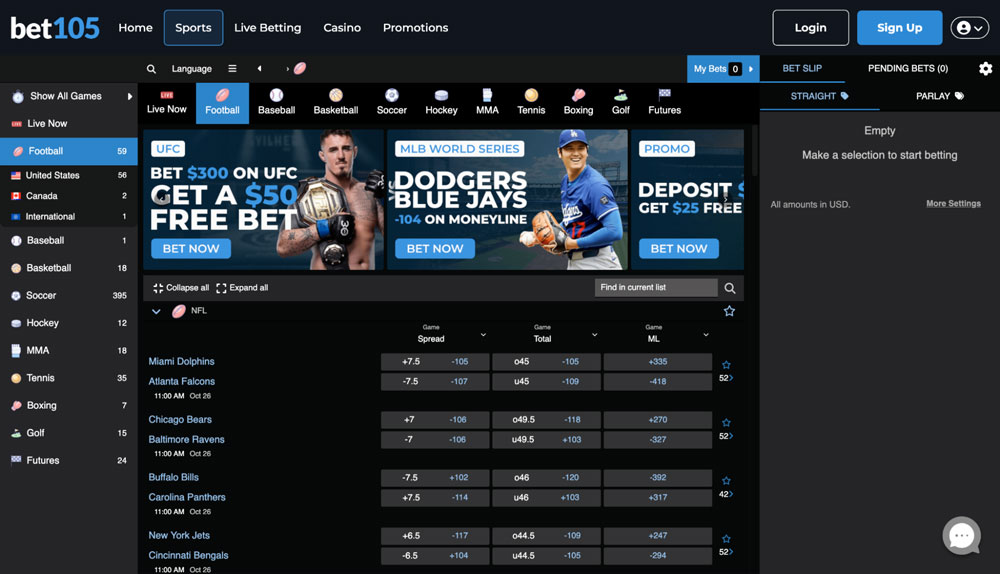
We tested Bet105 and came away impressed with its value-focused approach. This offshore sportsbook is built for experienced bettors who care more about pricing than flashy promos. For example, it charges a lower commission (juice) compared to most competitors. If you’re serious about long-term offshore sports betting, Bet105 feels closer to a sharp bookmaker than a casual betting site.

Bonuses & Rewards

Bet105 keeps bonuses simple. New users can deposit $50 and receive a $25 free bet. The wagering requirement is 5x, which is higher than we’d like, but the bonus isn’t the main draw here. In our opinion, Bet105 puts the real value into its odds rather than oversized promotions, which many sharp bettors prefer.

Sports Betting

This is where Bet105 stands out. The sportsbook is known for reduced juice, often pricing lines at -105 instead of the standard -110. Over time, that difference matters. You’ll find strong coverage of NFL, NBA, MLB, NHL, soccer and other major markets, plus live betting across most events. The interface is basic but fast, and limits are higher than what you’ll see at many offshore betting sites. We liked how transparent the platform is about limits and pricing.

Customer Support

Email: no publicly listed support email (contact via site form or live chat)

Customer support is handled through email, with responses typically arriving within a day. It’s not 24/7 live chat, which is a downside, but support was clear and professional when we reached out.

Pros

  • Reduced juice odds for better long-term value
  • Higher limits than most offshore sportsbooks
  • Simple, sharp-friendly platform

Cons

  • Limited bonuses and promos
  • Basic design with no extras

Sign up with Bet105 Today

7. MyBookie: Best for Betting Variety & Regular Promos

mybookie

MyBookie is best known for variety, frequent promos and a sportsbook that covers just about everything. Among offshore betting sites, MyBookie still holds its own as a reliable option.

Bonuses & Rewards

MyBookie offers a 50 percent welcome bonus up to $1,000 for new sports bettors. Crypto users get extra value, which we liked. Ongoing reload bonuses and special promos pop up often, especially around football betting season. The MyBookie+ loyalty program adds perks like free plays, odds boosts and risk-free bets as you stay active.

Sports Betting

This online sportsbook delivers strong coverage across NFL, NBA, MLB, NHL and NCAA sports, plus soccer, tennis, MMA, boxing and plenty of niche markets. Live betting is available on most events, with fast updates and solid prop options. We found the interface easy to use on both desktop and mobile, which makes placing offshore wagers quick and painless.

Customer Support

MyBookie: su*****@******ie.ag

Customer support is available through live chat and email. When we tested live chat, response times were decent, though not always instant during peak hours. Still, reps were helpful and got our questions resolved without much hassle.

Pros

  • Wide range of sports and betting markets
  • Frequent promos and loyalty rewards
  • Strong football betting coverage

Cons

  • Odds can be slightly less sharp than some top betting sites
  • Interface feels crowded at times

Sign up with MyBookie Today

8. Everygame: Best for Longstanding Reputation & Consistent Betting
everygame

Everygame, formerly known as Intertops, has been in the game for a long time. It may not be flashy, but it remains a dependable option among offshore betting sites. It offers excellent odds that are competitive, especially on major U.S. sports. The platform feels simple and reliable on both desktop and mobile, which is ideal for consistent offshore sports betting.

Bonuses & Rewards

Everygame offers a solid welcome bonus for new sportsbook players, built around a deposit match of up to $5,000 on your first sports betting deposit. We also liked that the bonus applies across major sports, including football betting, basketball and live markets. Everygame runs reload bonuses and seasonal promotions tied to the NFL, college football and other high-traffic sports calendars, giving regular bettors ongoing value throughout the year.

Sports Betting

This online sportsbook covers all the essentials. NFL, NBA, MLB, NHL and NCAA sports are well supported, along with soccer, tennis, golf and motorsports. Betting options include spreads, totals, moneylines, props, parlays, futures and live betting. 

Customer Support

Everygame: su*****@*******me.eu

Customer support is available via live chat, phone and email. In our testing, responses were professional and timely, though not quite as fast as some newer betting companies.

Pros 

  • Long-standing, trusted offshore sportsbook
  • Strong coverage of major U.S. sports
  • Easy-to-use platform for online betting, ideal for players looking for a reliable offshore accounts like Malaysia online casino experience.

Cons

  • Design feels dated
  • Fewer promos than some top betting sites

Sign up with Everygame Today

9. BUSR: Best for Clean Design & Steady Offshore Betting

busr

We tested BUSR and came away with a positive overall impression. BUSR is an offshore sportsbook that focuses on simplicity, solid bonuses and reliable performance. It’s best for bettors who want a modern layout without the clutter you see at some overseas betting sites.

Bonuses & Rewards

BUSR offers a clear and player-friendly welcome bonus for new sportsbook users. New bettors can usually claim a 100 percent deposit match up to $1,000 on their first sports betting deposit. The rollover requirements are more flexible than many offshore sportsbooks, which makes the bonus realistic to clear for regular bettors. 

Sports Betting

This online sportsbook covers all the major bases. NFL, NBA, MLB, NHL and NCAA sports are all well represented, along with soccer, MMA, tennis and other popular markets. Betting options include spreads, totals, moneylines, props, parlays, futures and live betting. In our testing, live odds updated quickly and navigation felt smooth on both desktop and mobile. BUSR may not be the sharpest bookmaker out there, but it’s consistent and easy to use for offshore sports betting.

Customer Support

BUSR: su*****@**sr.ag

Customer support is available 24/7 via live chat and email. We tested live chat and received a response within a few minutes. The reps were straightforward and helpful, which is exactly what we want from a dependable betting company.

Pros 

  • Clean, modern interface
  • Strong coverage of major U.S. sports
  • Responsive 24/7 customer support

Cons

  • Odds aren’t as sharp as reduced-juice books
  • Fewer advanced tools for high-volume bettors

Sign up with BUSR Today

10. Sportsbetting.ag: Best for Fast Payouts & High-Volume Bettors
sportsbetting.ag

We’ve tested Sportsbetting.ag and found it to be a strong option for bettors who value speed, reliability and long-term rewards. This offshore sportsbook has been around for decades, and that experience shows. It’s best suited for players who bet often and want a steady platform for offshore sports betting.

Bonuses & Rewards

New users can claim a welcome offer that includes a 50 percent sportsbook free bet up to $250. The wagering requirement is light at just 1x on the free bet winnings, which we really liked. Beyond that, Sportsbetting.ag runs frequent contests and promos. The tiered VIP program rewards consistent play with cash boosts, reload bonuses and level-up perks, making it appealing for regular offshore bettors.

Sports Betting

This online sportsbook covers all major U.S. leagues, including NFL, NBA, MLB, NHL and NCAA sports, along with soccer, esports and horse racing. Betting options include spreads, totals, props, futures, parlays and live betting. We found the odds competitive, especially for higher-limit players. The BetBig feature also stands out, offering higher limits and quick re-bet functionality for serious bettors.

Customer Support

Sportsbetting.ag: he**@*************cs.ag

Customer support is available 24/7 through live chat, email and phone. In our experience, live chat responses were fast and professional, which adds confidence when betting offshore.

Pros

  • Fast payouts and strong VIP rewards
  • High betting limits with BetBig
  • Long-standing, trusted offshore sportsbook

Cons

  • Interface feels dated
  • Promos favor high-volume bettors

Sign up with Sportsbetting.ag Today

How to Sign Up at an Overseas Betting Sites

Signing up and any offshore sportsbook like CoinPoker is quick and straightforward. Our betting experts have tested the process to ensure it is simple and secure. Follow these steps to start betting in minutes.

Step 1: Visit the CoinPoker Website

Go to the official CoinPoker sportsbook site and click the Sign Up button. This will take you to the registration page for new players.

Step 2: Create Your Account

Fill in the registration form with basic details. You will need to enter your name, email address, username and password. Make sure your details are accurate to avoid issues later.

Step 3: Choose Your Bonus

BetUS offers a welcome bonus for new users. Select the bonus that suits your betting style before you continue. Always review the bonus terms so you understand wagering requirements.

Step 4: Submit Your Details

Once the form is complete, submit your registration. CoinPoker will create your account instantly. In most cases, no documents are required at this stage.

Step 5: Fund Your Account

Log in and head to the cashier. CoinPoker supports several payment options, including crypto and traditional methods. Choose your preferred option and make your first deposit.

Step 6: Start Betting

After funding your account, you can access all sports markets. Place football betting wagers, explore live betting, or try other offshore sports betting options available on the platform.

CoinPoker makes online betting easy for beginners and experienced bookies alike, including players exploring online casinos Philippines. The process is fast, secure and designed for smooth offshore wagering.

Most Popular Sports to Bet on at an Offshore Sportsbook

Offshore sportsbooks offer a wide range of sports and markets. Some sports attract more bettors than others. These are the most popular options players place bets on.

Football Betting

Football is the biggest draw in the US and around the world. Offshore sports betting sites offer moneylines, spreads, totals and player props for NFL and college games. You can also bet on futures and live in-play markets.

Basketball

Basketball betting is huge year-round. The NBA and NCAA attract heavy action. Offshore sportsbooks offer lines, totals and live betting. You can also bet on international basketball leagues.

Baseball

Baseball remains a staple at any best betting sites. Offshore sportsbooks cover MLB games with run lines, totals and player props. Futures on World Series odds are also popular.

Soccer

Soccer betting is one of the fastest growing markets. The best offshore sportsbook platforms cover leagues from Europe, South America and Asia. You can find odds for the Premier League, La Liga, World Cup and more.

MMA & Boxing

Fight fans love wagering on MMA and boxing. Offshore betting sites offer odds for method of victory, round bets and fight props. These markets stay active every week.

Hockey

Hockey has a loyal fan base. Offshore sportsbooks offer odds on NHL and international tournaments. Moneylines, puck lines and totals are all available.

Tennis

Tennis betting appeals to both casual and sharp bettors. Offshore betting platforms cover ATP and WTA tours. You can place pre-match and live wagers.

Golf

Golf betting has grown with more major events to back. Offshore sportsbooks offer markets for tournament winners, top finishers and matchups.

Esports

Esports draws younger bettors. Many offshore sportsbooks cover popular games like League of Legends, CS GO and Dota 2. You can bet on match winners, maps and tournament futures.

Offshore sportsbooks provide a huge selection of sports and markets. Whether you like football betting or niche events, these sites deliver value and variety for every player.

Are Offshore Sportsbooks Legal?

Offshore sportsbooks operate in a legal gray area for US players. These offshore betting sites are licensed and regulated outside the United States. Common jurisdictions include Curaçao, Panama and Costa Rica. This means offshore sportsbooks are legal where they are based.

For players, U.S. federal law does not clearly ban individuals from using offshore betting sites. There is no specific law that makes it illegal for players to place offshore wagers at a non GamStop casino, which is why millions of Americans use overseas betting sites every year.

Final Verdict: CoinPoker and the Best Offshore Sportsbooks

Offshore sportsbooks like CoinPoker continue to attract players who want more freedom with online betting. These offshore betting sites offer wider markets, stronger odds and bigger bonuses than many domestic sports betting sites. For players focused on football betting and international sports, offshore sports betting remains a solid choice.

The best offshore sportsbooks listed here also stand out for banking options, but we feel strongly that the 10 sportsbooks we listed at the start of our article offer the best quality available.

Frequently Asked Questions about Offshore Sportsbooks

Are offshore sportsbooks safe to use?

Yes, reputable offshore sportsbooks are safe when you choose the right platform. The best offshore sportsbooks use encryption, secure payment systems and licensed operations in offshore jurisdictions. Always stick with well-known offshore betting sites that have a strong payout history and positive player feedback.

What payment methods do offshore betting sites accept?

Most offshore betting sites support crypto, credit cards, bank transfers and e-wallets. Crypto is popular because it offers faster withdrawals and fewer banking restrictions. Many offshore sportsbooks process crypto payouts within hours, which makes offshore betting more convenient than some domestic sports betting sites.

Can I bet on football at offshore sportsbooks?

Absolutely. Football betting is one of the main attractions at offshore sportsbooks. You can place offshore wagers on NFL, college football and international leagues. Top betting sites offer spreads, totals, player props, futures and live betting markets through desktop and offshore betting apps.
Freedom From Fear: Examining the terror of ICE in our community

This is the first of a three-part series on the effect of the U.S. Immigration and Customs Enforcement presence in our community. —Editor

Part One: Initiation Into the Fear

My “handler” was a friend of a friend of a friend. That delicate linkage was a conduit of trust.

Trust enough to meet me anyhow; ICE informants had made his work more dangerous. I would need to be tested and mettled before he would introduce me to the undocumented workers who trusted him. They were the story. I wanted to talk to them in the rippling shock of recent ICE deportation raids. The televised raids in the sanctuary city of Los Angeles, in the sanctuary state of California, staged a spectacle, staged for terror, staged to humiliate democratic leaders in their strongholds. As seen on my phone, videos of their protester-beating Gestapo theater had left me in a cold sweat.

I wanted to talk to the undocumented. I wanted to hear their account of things. It had been a near-miss in San Francisco, with ICE convoys turned back from the City just days before their expected arrival. The City would have been their base for raids throughout the Bay region—that had been the pattern in Chicago.

My handler, “Esteban,” chose the location for our initial meeting. I thought he had chosen it for his comfort. But stepping into the busy diner, I wondered whether it was intended for my comfort.

It was an independently owned diner off the interstate—the kind one could find anywhere in America. And it served, for the most part, working-class whites. The walls of the place were lined with ’40s and ’50s memorabilia and fading family photos. It served nostalgia with its pancakes—nostalgia for an America where, fresh from our great moral victory over the Nazis, we found ourselves the leader of the free world. It was, perhaps, America’s great moment.

The first thing “Esteban” did was turn off my recorder—the reporter’s indispensable tool. Over a short stack, he told me his story. He was an advocate, descended from farmers. He told me with pride that his father had marched alongside Cesar Chavez. And he told me with some bitterness that he had spent his long life fighting for some of the same concessions Chavez and his father had fought for—and failed to win.

In turn, I told “Esteban” of my intentions—to print the words of the undocumented in the public record, to document their hopes and fears, to present the appeal of their common humanity. And to rally the undecided to fight—for them.

He paused, seeming satisfied by my earnestness. As a reply, “Esteban” told me his conditions. There would be no names in the article. Even though he was a publicity-courting public figure, I would not use his real name. I would not even learn the real names of the people I would interview. I would publish no identifying details. I would not even identify the county in which my interviews took place.

He cleaned his plate. “We don’t want Trump to think this is a hotbed,” he said. Even allowing for some guesswork about the location, it isn’t a hotbed by any reasonable measure. In California, about 7% of the population lacks legal citizenship or a visa—do the math for your own town. Nationally, the figure is closer to 3%, or roughly 11 million people without papers.

As he relaxed somewhat, “Esteban” alluded to clandestine meetings of immigrant’s rights groups held in the Central Valley, and secret meetings with powerful state officials.

His precautions and activities reminded me of what I had read about the

French underground. I believed that was a funny thought at first … preposterous. I began to feel excited and then overexcited by “Esteban’s” vigilance, his paranoia—and as he spoke, I began to feel the fear. It chilled me.

“Esteban” wanted me to feel the danger, to know what was at risk: his co-workers, his friends and neighbors suddenly disappeared into unmarked cars in lightning raids on The Home Depot or after school pick-ups—their children looking helplessly on.

Here I will insert a fact stated to me by Corazon Healdsburg, an immigrant resource operating in Wine Country. Because most immigrant families are of  “mixed legal status,” with “legal” children or grandchildren and undocumented parents or grandparents—60% of undocumented people have been in the United States more than 20 years—detainment and deportation commonly results in the breakup of families. What to do with the small children left behind has become a complex problem.

I stopped eating. As much as “Esteban” wanted to test me, he wanted to steel me. This first meeting was my initiation—my initiation to the fear. Welcome to the underground.

We set our date for the interviews at an undisclosed location. Settling his bill, he stopped and leaned toward me over the table. In a hard and confidential voice, he said, “I don’t come here for the coffee; I come here for the workers,” indicating the back of the house with a look over my shoulder. “I happen to know that they are all working without papers.” Looking past the working-class whites eating breakfast to the brown, undocumented underclass serving it, I realized that this “nostalgia” cafe was a working model of America today.

Terror

“How often do you think about ICE?” I asked “Juan,” the gruff old ranch hand. He paused, reckoning, and replied, “Maybe 50 times a day.” That shocked me—was he that frightened? He had been stoical, like a rock, even when he had told me that he had not seen his wife or his children living in Mexico for 23 years. There were grandchildren now—grandchildren he had never held. His eyes were distant. Perhaps, looking inward, he was trying to see them now.

“Why don’t you go back to see them?” I asked, deeply moved.

“I cannot re-cross the border,” he said. “There is no work back home. My family, they need me here—working.”

We sat at a picnic table under a tree beside a field, where undocumented farmworkers volunteered after their work shifts, farming organic vegetables for the local food bank. Despite paying local and federal taxes, and despite their poverty, undocumented immigrants are ineligible for Calfresh food stamps as well as Medicaid medical insurance, disability insurance—though they work some of the most dangerous jobs—and Social Security retirement checks. They might be keeping those safety net programs solvent for us.

The winter crops were in. The workers were tending two types of onions, garlic, two kinds of cabbage, Brussels sprouts, jicama—and strawberries for the small children to pick. “Why do you work here, after working so hard in the vineyards all day?” I asked “Ernesto.”

“Because I know hunger,” he said. “I know what it is like …”

“Esteban,” my handler, brought undocumented immigrants over in pairs for their comfort. “Marisol,” a local Latina politician, translated for me. To ease their evident anxiety, I told them that my recording of their voices would be destroyed after I had written my “historia.” I thanked them for their bravery. 

“Sophia,” a vineyard worker, is married to “Rodrigo,” a construction worker who commutes into the Valley. “Sophia” told me of the late-night argument when she and her husband decided they would stop going out altogether—no more parties, no more weddings or holidays or even church. To reduce the danger of being taken by ICE, they were effectively choosing to avoid all concentrations of brown-skinned people. It was a choice to cut themselves off from their community, like some desperate surgical amputation.

That same decision has been undertaken by tens of thousands of families in California, and it has had the general effect of breaking up Latine communities and driving them out of public sight.

“Was this the intended design of Trump’s mass deportation campaign?” I wondered to myself.

“Maria” and her family have become desperately isolated in their house. Despite the new door cameras and new locks, and the front made up to look like no one is home, she still doesn’t feel safe. Is it even home if one doesn’t feel safe?

She tries to appear calm or brave for her four young children, but the fear eats away at her. She over-thinks the raids. She obsesses, and that gives her stress headaches. She can barely sleep—even after days of hard farm labor. And when she sleeps, she often wakes from nightmares of faceless men with guns pointed, her heart racing.

“What about when you absolutely need to leave the house for groceries or work or to go to the hospital?” I asked. “Sophia” told me she hates to leave her house now, and when she leaves, she hates to leave her van—but she has to feed her babies.

So now she goes to Safeway this way: She drives by the market to have a first scan. Then she circles within the lot looking for the generic cars with unusual or unmarked license plates favored by ICE. Then she parks and waits, and waits and watches—searching hard. “Is it safe? Is it safe?” she asks herself, gripping the wheel.

This is terror.

“Lupe” talked about a pain she had in her pelvis last summer. For months, the pain grew and grew intolerable, and still she told no one—she knew that her friends would try to make her go to the emergency room—but the hospital wasn’t safe from ICE. What was this pain stabbing up like knives from her pelvis to her navel? “Was it a cancer?” she wondered.

Finally, she admitted it—there was no hiding it. She would pause in her farm work as she breathed through the unbearable pain, swooning. Her friends and family begged her to go, but she wouldn’t—she would be taken by ICE. What would happen to her children then? Finally, she was taken in a faint for emergency surgery, by friends with H-2A papers.

This is terror.

It is well to remember that, as yet, our region is one of the least affected in the nation. And still the levels of fear are this high. According to Gina Garibo, approximately 90% of call-in ICE sightings she receives to her tip line in “Lupe’s” area are false-alarms driven by a general panic.

Garibo is an immigrant defense organizer at North Bay Organizing Project, one of the 22 “Rapid Response” networks in California that tracks ICE and sends legal observers to monitor raids or public celebrations where the chance of raids are high. They publish only the verified sightings. But still, panic spreads over chats and social media channels—which is especially bad for their social-media-obsessed children. 

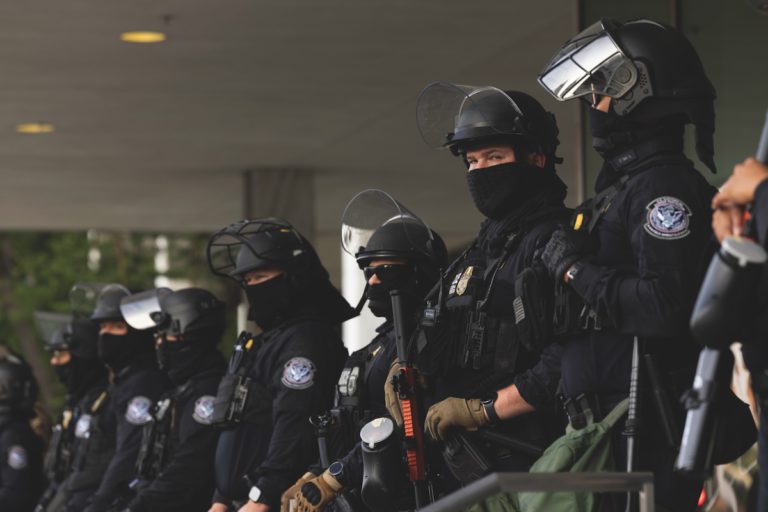
“Sophia” fears for her teenage daughter, “Ana,” who was already already given to panic-attacks. Like many Latine youth with undocumented friends and relatives, her social media algorithm is filled with shaky cam POV shots of raids and arrests at homes and school drop-offs; or ICE contingents parading in full battle regalia down residential streets, guns pointed; or smuggled videos of immigrants deported to war zones, like South Sudan, or hell-on-earth prisons, like El Salvador’s CECOT prison.

As the videos are often missing dates and locations, children frequently react to them as if they were happening here and now. “Ana” doesn’t want to lose her mother, and so she watches these traumatizing videos in her teenage bedroom obsessively, looking for tips to evade ICE.

Again and again throughout my interviews, the first concern and greatest fear of these people was not what would happen to themselves, but what will happen to their children if they are suddenly abducted at work or on errands. Every time a family member fails to reply to a text, these fears choke them.

The older children would be better able to take care of themselves, my interviewees agreed. But the younger ones, possibly less affected by the panic, are more helpless. “Who will care for my son?” when she is taken, asks “Maria.” “It’s hard for him to understand; he’s only 6 years old.” Sensing his mother’s distress, the boy came up to where we were sitting in the winter shade and pressed his cheek against her cheek, smiling at us all. As he left, he slipped her phone out of her pocket.

Bad Men

“Please, please tell the president—have compassion for us,” she said, imploring me, crying now. Indicating her son, she added, “He is an immigrant, too. We are not here to hurt anyone. We just want to work—to give our children a better life …”

“Maria’s” plea cuts across the Trumpist narrative that most immigrants crossing the border illegally are “rapists,” “murderers” and “terrorists”—not the salt, but the “scum” of the earth.

And the hard data rips that narrative to tatters. Per a 2024 National Institute of Justice report, undocumented immigrants have a lower rate of violent crime convictions than native-born Americans. That study recently disappeared from the Department of Justice website.

It can therefore be argued that the entry of undocumented immigrants makes America safer—as well as richer. Their deportation makes America less safe. And their deportation by rights-violating terror tactics makes Americans less safe.

Per The New York Times, the push to make more arrests faster has “necessitated” a major mission shift in the Department of Homeland Security, in which upwards of 15,000 agents have been shifted from their regular duties (NYT, Nov. 16, “Homeland’s Core Missions Disrupted by Deportations”; the story was based on interviews with 60 past and present agents).

This shift to deportation work has caused slow-downs, stoppages and/or the unraveling of cases against “high level” child sexual predators, sex traffickers, smugglers, scammers, international criminals, embargo evaders and international terrorists. As the deportation arrests surge, the true bad guys are getting away.

The Department of Homeland Security was established in response to 9/11 terror. But under Trump, the antiterrorism department has itself become the department of terror.

Now, the Trump administration has accused some of the detained immigrants of new, low-level crimes in some of these same categories, but the “expedited removal” of its new deportation courts puts these cases into doubt.

Per the National Immigration Law Center and Harvard Civil Liberties Law Review, “expedited removal” seems to require Miranda rights violations, denial of legal counsel and the very right to defend themselves against heinous charges—if there is indeed any actual evidence of wrongdoing. Guilt is assumed.

The injustice of these proceedings has drawn official censure from Volker Turk, the U.N. high commissioner for human rights. Turk stands on ethical grounds. On religious grounds, the entire deportation campaign has been criticized by Leo XIV, “the American Pope,” moral leader of the world’s 1.4 billion Catholic Christians.

America was once a moral leader too, and that moral standing was of key importance to our power and strategic standing. The deportation surge is making America weaker and less safe in the world. And everywhere, dictators are on the march.

Learn more at linktr.ee/iceterrorANDamericandemocracy.

Bard meets Biggie in Berkeley

Where there’s a Will, there’s also Tupac and Biggie, says playwright/performer Jacob Ming-Trent. His one-man show, How Shakespeare Saved My Life, premiers at Berkeley Rep this month, and challenges the assumption that a 400-year-old Brit genius’s work can’t intersect with the rhythms of the modern urban street.

In a phone interview, Ming-Trent said that although he comes from a literary family—his father was a playwright, his grandmother a writer—he struggled to find his authentic voice. By 2018, when his father died, he still hadn’t written anything. But when he visited his father’s favorite coffeehouse, a woman came up to him and said, “Your dad gave me a message to give to you.” The message was, basically, “Get writing.”

In the play, Ming-Trent portrays his introduction to Shakespeare. “I walked into the wrong classroom,” he said during a recent interview, “and they were studying Shakespeare. They had me do a speech,” which he nailed, and he began to understand why the work still resonates.

Much later, he was working in the Massachusetts Berkshires with the theater group Shakespeare and Company, and started writing stories for what was going to be a cabaret. But the stories were “a wild, crazy mess,” he said, and didn’t fit the cabaret format. So he sent 16 pages to the Folger Shakespeare Library, and they agreed on the spot, he said, to commission its development into a play.

“Very early in the Folger workshop, [they reaffirmed] that I had something, and should continue forward with it,” he said. The character of the Father evolved, and the story of his family’s journey evolved and became integral to the narrative. The musical elements came to the fore.

“Shakespeare was an urban poet. Biggie and Tupac are urban poets,” Ming-Trent said. “They lived 400 years apart, but [we can find] similar rhythms in their work.” He also noted that, “Tupac was a big fan of Shakespeare.” The concept of creating intersectionality is important to Ming-Trent as an artist.

In a Substack post by Kim Bradley titled “Who Wrote It: Shakespeare or Tupac?”, she writes, “Tupac studied Shakespeare, jazz, and ballet at the Baltimore School for the Arts. [he] was the self-identified rose that grew from concrete; a poetic, delicate, deep-thinking soul born into a harsh reality. He used his artistic talents to explore the polarities present in his life, his voice a symbol of resistance and hope to those marginalized by a systemic lack of opportunity.”

Ming-Trent’s favorite Shakespearean character is the rascally knight Falstaff. “I love Falstaff. He’s beautifully flawed,” Ming-Trent said. “Some of Shakespeare’s characters get deified, but he is human. He is OK with being made fun of.” Falstaff epitomizes, Ming-Trent said, the life concept of “love a lot, eat a lot, and accept our flaws.”

Asked if he thought Falstaff was also a tragic figure, in that he’s discarded by Prince Hal when Hal becomes Henry V, Ming-Trent said “no,” adding, “He understands that Henry should do what he’s doing.”

Music still plays a large part in “How Shakespeare Saved My Life,” but it will not be live. Instead, Ming-Trent said, it is being designed by Jake Rodriguez, who has also created some original music for the show. “He’s doing an exceptional job, combining jazz, gospel and hip-hop,” Ming-Trent said.

“How Shakespeare Saved My Life” is being directed by the Rep’s former artistic director, Tony Taccone, who famously commissioned Tony Kushner’s legendary Angels in America and co-directed its world premiere while working at the Eureka Theatre.

Ming-Trent said he’s aware some audience members may see the piece as a “white savior” play. “Others,” he said, “will see it as a piece of rebellion against standards and restrictions.”

It’s important to him that the play aids in finding community and building, during the performance, what he calls a congregation. “Every night, we will seek to build community,” he said. “I will be asking questions of the audience—and some of them may answer. The ‘fourth wall’ will be coming down.”

‘How Shakespeare Saved My Life,’ Berkeley Rep, Peet’s Theatre, 2025 Addison St., Berkeley. Previews Jan.23-25, 27; plays through March 1. Post-show discussions, Feb. 8, 12, 17. 510.647.2949. www.berkeleyrep.org

Social Eyes: Week of Jan. 22-28

THURSDAY, JAN. 22

HIP-HOP

MISTAH F.A.B.

Mistah F.A.B. (“Money Is Something To Always Have – Forever After Bread”) moves through Bay Area rap as both participant and connector. Son of a Pimp, sharp with punchlines and unafraid of local specificity, made him an Oakland fixture in 2005. A decade later, Son of a Pimp Part 2 widened the frame: 21 tracks, pulling in heavy hitters from across the country onto a record about loss, survival and fatherhood. Since then, F.A.B. has stayed visible with freestyles, battle rap, ghostwriting platinum hits and community work. Don’t forget to celebrate Mistah F.A.B. Day on Feb. 8, officially declared in Oakland. SONYA BENNETT-BRANDT

INFO: Thu, 7:30pm & 9:30pm, Yoshi’s, 510 Embarcadero West, Oakland. $59-84. 510.238.9200.

FRIDAY, JAN. 23

AMERICANA

MAURICE TANI

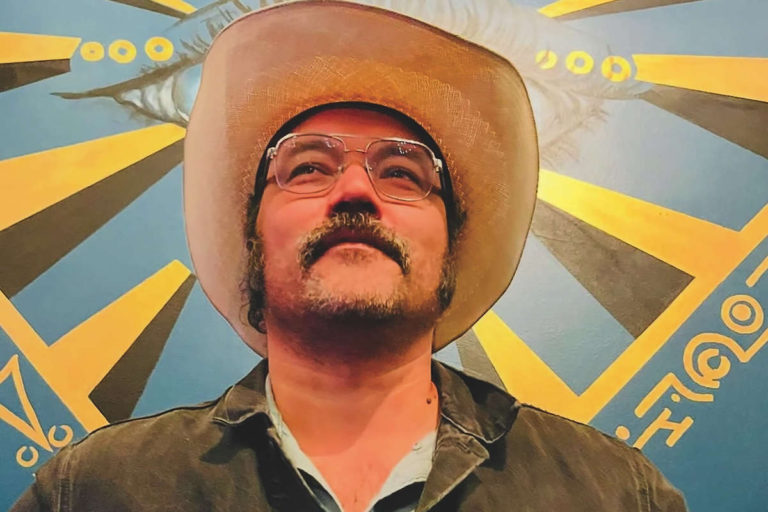
When it comes to telling tales mined from the dark and bruised chambers of the human heart, Maurice Tani is Bay Area’s poet laureate, a gimlet-eyed troubadour with a hat that means business. Returning to the Sound Room with a killer band, he’s focusing on his eros-gone-wrong repertoire “Sangnoir: Dark Songs of Romance.” What other twangified singer/songwriter could deliver a tune like “Soap & Water,” which sounds like a Steely Dan B-side, complete with a perfectly crafted guitar solo, courtesy of Chris Cain? For this show, he’s joined by a veteran cast of players similarly steeped in jazz, country and American roots music, including bassist Kenny Kehret, drummer Kenny “KO” Owen and pianist Henry Salvia. ANDREW GILBERT

INFO: Fri, 7:30pm, The Sound Room, 3022 Broadway, Oakland. $32. 510.708.9691.

FRIDAY, JAN. 23

THEATER

‘HOW SHAKESPEARE SAVED MY LIFE’

Would the Sweet Swan of Avon, Will Shakespeare, have dug Tupac and Biggie? Playwright/actor Jacob Ming-Trent thinks so and makes his case in the one-man show previewing at Berkeley Rep, How Shakespeare Saved My Life. Ming-Trent points to the crucial use of rhythms by all three artists, who are all “urban poets.” The piece, developed through Washington D.C.’s Folger Shakespeare Library, is also about his personal journey to find community and meaning, and is directed by the Rep’s former artistic director, Tony Taccone. Catch it through March 1. JANIS HASHE

INFO: Fri, 8pm, Peet’s Theatre, Berkeley Rep, 2025 Addison St., Berkeley. $66-81. 510.647.2949.

FRIDAY, JAN. 23

DANCE

MARK MORRIS DANCE GROUP

The prolific dance-maker has always been an extraterrestrial creature who travels the fringe of the movement universe. A consummate explorer of music from every corner of the earth, it’s little wonder Morris has turned his ears and eyes to outer space. Moon manifests a plethora of themes, live and recorded music, and imagery. Among them, contemplation of time, fertility, awe; Claude Debussy’s Clair de Lune, American songbook tunes and earth-sound excerpts from NASA’s Golden Record; videos, animation, stills of the Moon. The nine-dancer troupe in costumes by Isaac Mizrahi manipulates rolling stools and maneuvers around toy spacemen and other props. Performances go until Jan. 25. LOU FANCHER

INFO: Fri, 8pm, Cal Performances, Zellerbach Hall, 101 Zellerbach Hall #4800, Berkeley. $41-$156. 510.642.9988.

SATURDAY, JAN. 24

WORLD

MEKLIT

The Ethiopian-American vocalist, songwriter, and composer lands at The Freight with her latest full-length album, A Piece of Infinity. Ethiopian folk songs meld with infusions of jazz in original compositions sung in multiple languages. Fans in the Bay Area may know Meklit as YBCA’s former Chief of Program—or as a visiting artist at Stanford University, National Geographic Explorer, TED Senior Fellow, Taproot Fellow, co-producer of the “Movement” podcast/radio/performance series and initiative. Her silky, soaring, soft tones have been featured in collaboration with Wangechi Mutu, Kronos Quartet, Preservation Hall Jazz Band and many others. Joining her are guest artists harpist Brandee Younger and flutist Camille Thurman. – LF

INFO: Sat, 8pm, The Freight, 2020 Addison St., Berkeley. $34-39. 510.644.2020.

SATURDAY, JAN. 24

ROCK

‘PAMELA ROSE’S WILD WOMEN OF THE SIXTIES’

What the world needs now is love, sweet love, and Bay Area vocalist Pamela Rose knows it. Famous for her blues and jazz vocal stylings, Rose is bringing the power to the people and reminding audiences it might be a man’s world but it’s nothing without a woman’s touch. For one night only, she has assembled a talented band of fellow women rockers to celebrate the music that defined a generation of female singers and songwriters. From blues tracks by Janis to soul hits by Aretha and numbers by Carole King, Laura Nyro and Cynthia Weil, this is a night to let one’s hair down and get into the feels with some good ol’ fashioned girl power. MAT WEIR

INFO: Sat, 7pm, Rhythmix Cultural Works, 2513 Blanding Ave., Alameda. $36-$130. 510.865.5060. 

SATURDAY, JAN. 24

METAL

CAPTURED! BY ROBOTS

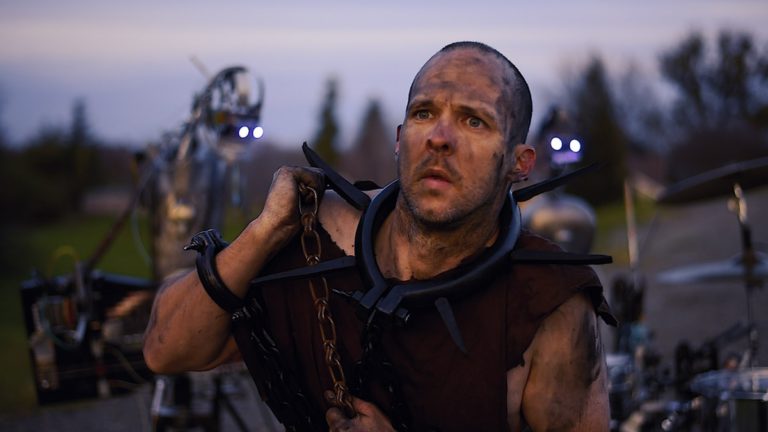
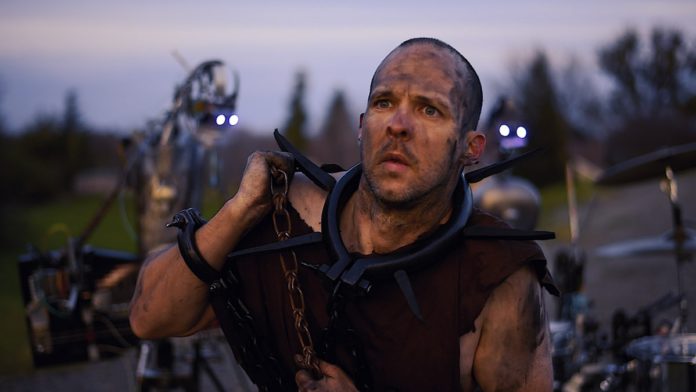
Well, here we are. It’s officially the future and while the dystopian world around us crumbles, one man has already skipped to the end of the book. Formed in 1997 by Jason “JBOT” Vance, Captured! By Robots is a grindcore metal act of animatronic robots playing music with their human subservient. Enslaved by robots GTRBOT666 and DRMBT 0110, Vance is forced to play nose-bleeding, eye-exploding metal that—while it might be against his will—is pretty freakin’ epic. Basically, if Skynet from The Terminator series had a band, it would be this, so welcome our inevitable overlords now and maybe they’ll be lenient in the future. – MW

INFO: Sat, 8pm, Thee Stork Club, 2330 Telegraph Ave., Oakland. $16. 510.859.8709.

SATURDAY, JAN. 24

JAZZ

TAMIR HENDELMAN TRIO

A regular presence on the Bay Area jazz scene for the past quarter century, L.A. pianist, composer and arranger Tamir Hendelman is a thrilling improviser. He’s made the trip north for numerous gigs with Jeff Hamilton’s trio and the Grammy Award-winning big band that the drummer co-leads, the Clayton-Hamilton Jazz Orchestra. Hendelman has toured and recorded with Natalie Cole, Barbra Streisand, Roberta Gambarini, and Tierney Sutton—his musical partner at numerous Piedmont Piano performances. Returning to the Oakland showroom, he’s playing with his own trio featuring L.A. bassist Alex Frank and Bay Area drummer Lorca Hart. – AG

INFO: Sat, 5:30pm, Piedmont Piano Company, 1728 San Pablo Ave., Oakland. $35-$40. 510.547.8188.

SUNDAY, JAN. 25

SYMPHONY

FABLES & FOLKLORE

Closing Berkeley Symphony’s 25/26 Symphonic Series is an evening full of sprites, folk tales and spritely folk tales. Folk Songs for Orchestra, by Huang Ruo, was inspired by his childhood love of traditional Chinese songs, while the Brazilian rainforests are the site of Clarice Assad’s Concerto for Guitar and Chamber Orchestra. “O Saci-Pererê,” featuring the shapeshifter Saci-Pererê. Audience members will then venture into the Czech countryside for Dvořák’s Symphony No. 8, in which the beloved composer also returns to the countryside of his childhood, and its lilting melodies. Carolyn Kuan of the Hartford Symphony Orchestra conducts. – JH

INFO: Sun, 8pm, First Congregational Church of Berkeley, Sanctuary, 2345 Channing Way, Berkeley. $15-$96. 510.841.2800.

WEDNESDAY, JAN. 28

R&B

NEW EDITION

The New Edition Way Tour is a live map of modern R&B’s DNA. New Edition leads the night with the polished group mechanics that shaped pop and R&B for decades: precision footwork, rotating leads and songs built to travel from street corners to arenas. Boyz II Men brings legendary ballads and a locked-in vocal blend. Toni Braxton closes the circle with a sultry catalog where heartbreak is carried in tone as much as lyrics. Seen together, it’s a rare chance to hear the blueprints that generations of R&B artists are building from. – SBB

INFO: Wed, 8pm, Oakland Arena, 7000 Coliseum Way, Oakland. $100-$500. 510.569.2121.

As Kneaded Bakery opens café

The library can be a place of refuge, a temporary retreat from life’s stressors or a gateway to Libby, the audiobook app of my dreams. Sadly, Libby still doesn’t offer instant access to pastries. But the San Leandro Public Library is about to host the As Kneaded Café under its roof. By the end of February, or possibly sooner pending city inspections, Iliana Berkowitz’s San Leandro bakery will open a second location there. This time with a refurbished espresso machine along with the pastries, sandwiches and viennoiserie that have appeared at Bay Area farmers’ markets for the past decade.

Berkowitz described the expansion as a wonderful opportunity to extend the person-to-person service and hospitality that As Kneaded Bakery is known for. “Now people can come to the library and enter my side door before the library opens,” she said. “They can sit down, have a lavender latte, get a fresh-baked croissant from the bakery or they can come for lunch and have quiche and a salad, or one of our Parisian sandwiches.”

Pre-library opening, I dropped by As Kneaded Bakery for the first time this month. I was lured in by a photo of those Parisian sandwiches. That day I chose the tuna on baguette over the vegetarian chickpea. I once ordered a tuna sandwich in Paris. It was served not on a baguette but on a huge round bun that was closer to, but not exactly, brioche. The fish was brined in olive oil and paired with olives. I’d never tasted anything so briny and salty, and so clearly influenced by Mediterranean flavors. As Kneaded’s very American tuna salad sandwich is much less potent, but still comforting and familiar.

The library cafe will provide Berkowitz and her team with a first-time opportunity to have a full espresso bar. The bakery headquarters on Victoria Court simply doesn’t have room for a coffee program. “To be able to make as many baked goods as we do, you need a lot of physical space to work,” she said. Fifty-pound bags of flour take up a lot of space. All of the cooking and baking will remain at the original location.

“I want to situate us to make sure we’re up and running before we expand in any particular direction,” Berkowitz said. “And, of course, to see what the community is vibing with.”

In 2016 while working full-time at another bakery, Berkowitz launched As Kneaded to make and sell her own bread. “I was in my mid to late 20s, without having a family,” she recalled. “I was feeling empowered by the support and early success I had seen with my bread club.” While living in San Leandro, Berkowitz commuted to a commercial kitchen in San Mateo. “There’s a rentable bread oven there. It’s the only one of its kind in the Bay Area,” she said. Other commercial kitchens, she said, couldn’t accommodate the production of “thick-crusted, stream-injected bread at high volume.”

As Kneaded Bakery initially sold bread at the College of San Mateo’s Farmers’ Market, and continues to do so. “That’s been a throughline from February 2017,” she said. “Then we did wholesale, so I would deliver bread to different small markets.” She then began the search for her own space. In 2018 she opened the bakery after someone mentioned the space was available to rent. “It’s tucked away in the Broadmoor neighborhood, and I couldn’t have chosen a better place,” she said. “In San Leandro, I can be a big fish in a small pond.”

Berkowitz also noted that San Leandro is “hungry and ready” for more food options. “I implore people who own food businesses to try coming here,” she said. “It’s not potentially as sexy as Oakland, but people are so excited for the cafe and about any new business that comes to our area.” She added that the San Leandro Business Development Center offers incentives for business owners, saying: “Maybe one day I’ll open a third one. We’ll have to see how this one goes first.”

As Kneaded Café, anticipated hours pending, San Leandro Main Library, 300 Estudillo Ave., San Leandro. askneadedcafe.com, IG: @as.kneaded.cafe.

Free Will Astrology: Week of Jan. 21

0

ARIES (March 21-April 19): Master astrologer Steven Forrest understands you Aries people well. He says that the riskiest strategy you can pursue is to constantly seek safety. It’s crucial for you to always be on the lookout for adventure. One of your chief assignments is to cultivate courage—especially the kind of brave boldness that arises as you explore unknown territory. To rouse the magic that really matters, you must face your fears regularly. The coming months will be an ideal time for you to dive in and celebrate this approach to life.

TAURUS (April 20-May 20): You are an ambassador from the material world to the realm of spirit—and vice versa. One of your prime assignments is the opposite of what the transcendence-obsessed gurus preach. You’re here to prove that the flesh is holy, pleasure is a form of prayer and the senses are portals to the divine. When you revel in earthy delights, when you luxuriate in rich textures and tastes and scents, you’re not being “attached” or “unspiritual.” You’re enacting a radical sacred stance. Being exuberantly immersed in the material world isn’t a mistake to overcome but a blessing to savor. May you redouble your subversive work of treating your body as a cathedral and sensual enjoyments as sacraments.

GEMINI (May 21-June 20): Everything that’s meant for you is trying to find its way to you. Here’s the problem: It can’t deliver the goods if you’re in constant motion. The boons trying to reach you are circling, waiting for a stable landing spot. If you keep up the restless roaming, life might have to slow you down, even stop you, so you’ll be still enough to embody receptivity. Don’t wait for that. Pause now. Set aside whatever’s feeding your restlessness and tune into the quiet signal of your own center. The moment you do, bounties will start arriving.

CANCER (June 21-July 22): Artist Louise Bourgeois said, “I am what I do with my hands.” I will adapt this declaration for your use, Cancerian: You are what you do with your feelings. You are the structures, sanctuaries and nourishment you create from the raw material of your sensitivity. It’s one of your superpowers. I understand that some people mistake emotional depth for passive vulnerability. They assume that feeling everything means doing nothing. But you prove that bias wrong. You are potentially a master builder. You can convert the flood waters of emotion into resources that hold, protect and feed. I hope you will do this lavishly in the coming weeks.

LEO (July 23-Aug. 22): Admiring writers often say that the Balinese people have no traditional word for “art.” Making things beautiful is woven into everyday life, as if everything should be done as beautifully as possible. I aspire to carry out this approach myself: infusing ordinary actions with the same care I’d bring to writing a story or song. Washing dishes, answering emails and walking to the store: All are eligible for beauty treatment. I highly recommend this practice to you in the coming weeks, Leo. It’s true that you’re renowned for your dramatic gestures, but I believe you also have an underutilized talent for teasing out glory from mundane situations. Please do that a lot in the coming weeks. For starters, make your grocery list a poem.

VIRGO (Aug. 23-Sept. 22): Some American Indigenous cultures have “potlatch” ceremonies. These are elaborate gift-giving rituals where hosts gain prestige by generously and freely bestowing their riches on others. Circulating wealth, instead of hoarding it, is honored and celebrated. Is that economically irrational? Only if you believe that the point of resources is individual accumulation rather than community vitality. Potlatch operates on a different logic: The purpose of having stuff is to make having stuff possible for others. I invite you to make that your specialty in the coming months. Assume that your own thriving depends on the flourishing of those around you.

LIBRA (Sept. 23-Oct. 22): Sufi poet Rumi wrote about a “treasure in ruins.” He meant that what we’re searching for may be hidden in places where we would rather not look. Your life isn’t in ruins, Libra, but I suspect you may have been exploring exciting locations while shunning mundane ones that actually hold your answers. What do you think? Is that possible? Just for fun, investigate the neglected, ignored and boring places. Try out the hypothesis that a golden discovery awaits you in some unfinished business or a situation you feel an aversion to. 

SCORPIO (Oct. 23-Nov. 21): In 1839, Scorpio artist Louis Daguerre perfected the daguerreotype, an early version of photography. The images were so detailed that you could count the threads in a subject’s clothing. Alas, they required minutes of perfect stillness to capture. To prevent blurring and distortion, people held their breath, fixed their gaze and avoided fidgeting. Your power metaphor for the coming weeks, Scorpio, is this: the long exposure. The vivid truths in your life will reveal themselves only if you give them more time than you’re used to. So please resist the temptation to leap into action. Be willing to let every process fully develop. Don’t push the pace beyond what yields clarity. Linger on the threshold until all the details sharpen.

SAGITTARIUS (Nov. 22-Dec. 21): As I have promised you a million times, I will NEVER exaggerate. And though you may wonder if the statements I’m about to make are excessive and overblown, I assure you they are not. The fact is, dear Sagittarius, that everything you have always wanted to enhance and upgrade about togetherness is now possible to accomplish, and will continue to be for months to come. If you dare to dismantle your outmoded beliefs about love and deep friendship—every comforting myth, every conditioned response, every inherited instinct—you will discover new dimensions of intimacy that could inspire you forever.

CAPRICORN (Dec. 22-Jan. 19): In Renaissance painting, chiaroscuro refers to the use of strong contrasts between light and dark. It’s a technique that enhances the sense of depth.​ I believe your life may be in an intense chiaroscuro phase. As your joys grow bright, your doubts appear darker. As your understanding deepens, your perplexity mounts. Is this a problem? I prefer to understand it as an opportunity. For best results, study it closely. Maybe your anxiety is showing you what you care about. Perhaps your sadness is a sign of your growing emotional power. So find a way to benefit from the contrasts, dear Capricorn. Let shadows teach you how to fully appreciate the illumination.

AQUARIUS (Jan. 20-Feb. 18): You are a spy from the future. Thank you for your service. I love to see your boldness as you smuggle innovative ideas into a present that may or may not be ready for them. Your feelings of alienation are sometimes uncomfortable, but they are crucial to the treasure you offer us. You see patterns others miss because you refuse to be hypnotized by consensus reality. Keep up the excellent work, please. May you honor your need to tinker with impossibilities and imagine alternatives to what everyone else imagines is inevitable. You are proof we don’t have to accept inherited structures as inevitable.

PISCES (Feb. 19-March 20): Your unconscious mind is extra communicative, dear Pisces. Hooray. Take advantage. Pay attention to weird images in dreams and songs that linger in your head. Be alert for seemingly random thoughts as they surface. Bypassing logic, your deep psyche is trying to show you ripe secrets and provocative hints. Your duty is to be receptive. So keep a journal or recording device by your bed. Notice which memories rise up out of nowhere. Be grateful for striking coincidences. These are invitations to tune in to meaningful feelings and truths you’ve been missing.

Homework: Give yourself the biggest compliment you can dream up. FreeWillAstrology.Newsletter.com

Edible ecosystems grow wildly from shoreline to forest

0

The Bay Area’s serene landscape is teeming with hidden, edible food. If one knows where to look, they can easily find clusters of fresh mushrooms growing in the forest or sea rocks covered in salty mussels. 

Carrie Staller knows plenty about scouting for such foods. The Berkeley resident is the founder of Fork in the Path, a local organization that offers public classes and educational workshops about foraging. The term refers to an age-old practice of gathering wild plants, fruits, seafood or fungi for food. 

For Staller, foraging is a “precious” and “simple” activity that one can do to connect with nature. They can experience a sense of mindfulness from gathering together, looking for food and then cooking the bounty, she said.

“We are returning to the most basic part of being a human, which is eating food and celebrating it,” Staller said. “It’s a lost artform.” 

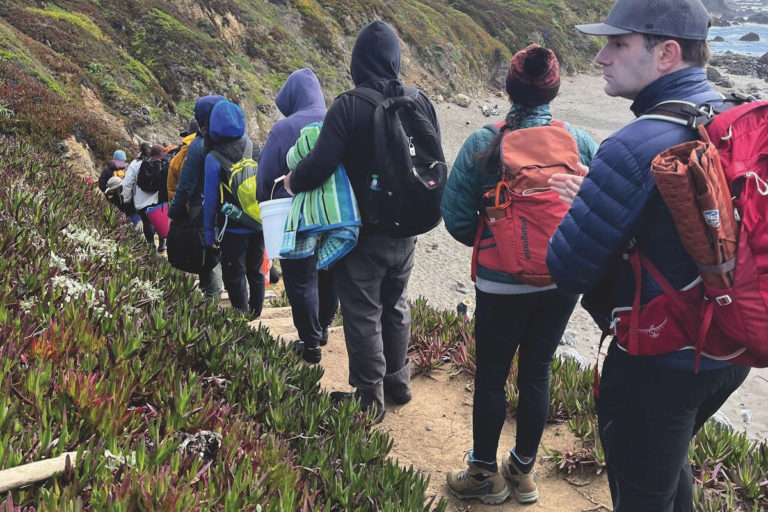
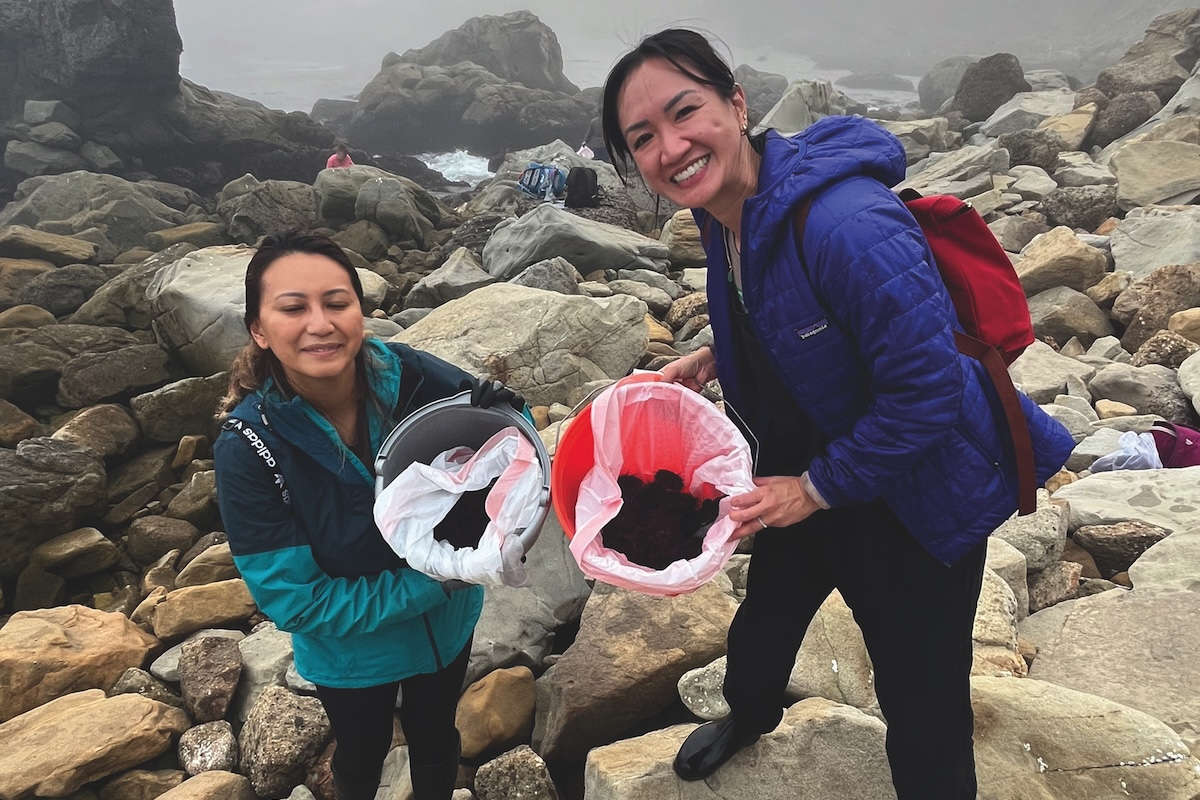
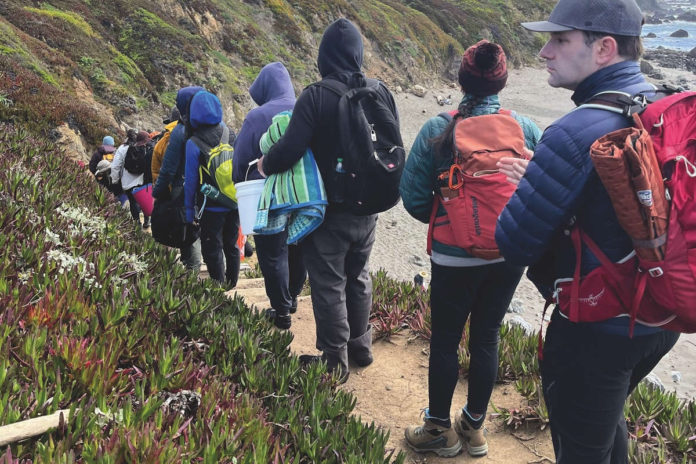
Fork in the Path, which launched in 2024, hosts multiple foraging classes each month led by either Staller or another qualified foraging instructor. Those who are interested in the activity can sign up online at the Fork in the Path website. The topics range from picking uni or hunting mushrooms on the Sonoma Coast to gathering acorns and bay nuts in Berkeley. 

“We answer ‘Can I eat that?’ and invite curiosity about everything we find within the ecosystems of our outdoor classrooms,” the Fork in the Path website states.

Each class size has around 10 to 25 people, and the price to join varies depending on the foraging excursion, although the average price for an adult is around $100. There are also other cooking-based classes where participants can learn how to pickle and ferment vegetables, or prepare a full-course meal from seasonal ingredients. Once in a while, Fork in the Path offers hands-on art workshops where people can make delicate crafts like baskets woven from plants or pine needles. 

People forage for different reasons; some want a fun day excursion or a creative outlet, while others seek ways to be more mindful of their environmental footprint. No matter the intention, Staller said everyone experiences a sense of camaraderie and companionship, opportunities that are difficult to find in the region’s tech-heavy climate.

“In this area, we’re living in hyperconnectivity and productivity,” she said. “We are devoid of meaningful connections… I found that going forging really supported my mental health and sense of feeling connected.”

Humans have foraged for their own food since the beginning of time. In recent years, the practice has gained popularity, especially on social media. Apps like Instagram and TikTok are filled with videos of people documenting their experience finding food in the wild, or picking up items to make rustic crafts.

Organizations similar to Fork in the Path have sprouted up across the nation, and provide a platform for qualified foraging instructors to share knowledge and offer training on safe and sustainable practices. 

Fork in the Path is currently raising $10,000 to create a scholarship fund that will cover the cost of two spots in every class. Participants for those open seats will be decided through a lottery system. The organization plans to prioritize those who are either low-income, under the age of 18, disabled or chronically ill, or who are considered resilient identity applicants.

FIELD TRIPS Foraging class topics range from picking uni or hunting for mushrooms along the Sonoma Coast to gathering acorns and bay nuts in Berkeley. (Photo courtesy of Carrie Staller)

The idea for Fork in the Path can be traced back to Staller’s love of mushrooms. A long-time forager of wild shrooms, she did the activity recreationally while working a full-time job. On the side, she would also teach small and local classes that covered different types of mushrooms and where to find them.

“Mushrooms are beautiful,” she said. “They come in many shapes and sizes, and they smell interesting. It’s a full sensory experience.”

After she caught Covid, however, Staller was diagnosed with Long Covid, a chronic condition that occurs after the virus’ infection. Those with Long Covid have a range of symptoms or conditions that can either improve, worsen or be ongoing. 

Staller experienced low energy levels and difficulties concentrating at work. She eventually left her full-time job, unsure of what to do next. But she still had a deep love for foraging for mushrooms. After seeing how many locals were interested in her classes, she decided to take a chance and turn it into an official business. Fork in the Path took flight in January 2024.

“It just started unfolding organically,” she said.

The title was inspired by the idiom of the same name, which refers to when someone is in the midst of making a crucial decision. Staller said the phrase is symbolic because it reflects how she felt about turning foraging into a full-time endeavor.

“Foraging created a big fork in my path that I never would have expected,” Staller said. 

One of her favorite parts about running the organization is getting to work with the network of instructors and introducing people to the world of foraging. “For me, I couldn’t be happier to be a part of their journey,” she said. 

Berkeley resident Stephanie Frankle is one of those fledging foragers. In the past year, she has participated in several Fork in the Path events, including mushroom and acorn foraging workshops and edible and medicinal plants walks. 

Frankle was drawn to the craft of foraging around five years ago, when she discovered a passion for finding and picking fruits from her neighborhood trees. She met Staller through events in the region’s Jewish and musical community. When Frankle heard about Fork in the Path, she decided to immediately sign up and learn more. 

“It was kind of perfect,” Frankle said. “I was feeling curious and drawn to (foraging) for a while.”

Frankle said she appreciates how welcoming and engaging Staller and the other instructors are. There’s a sense of comfort and familiarity whenever Frankle goes to a class.

“It’s fun to feel more connected to the nature in the area,” Frankle said. “That’s something that’s important to me. I love having that resource.”

Voices of reentry take the stage

It is beyond uplifting to begin a new year with a sliver of good news. Cutting through the terror, trivia, intense political disarray and other significant clutter is the Formerly Incarcerated People’s Performance Project’s (FIPPP) continuation as Berkeley Repertory Theatre’s company-in-residence.

Founded in 2020, FIPPP develops and presents solo performance stories by formerly incarcerated people. After presenting festivals in 2021 and 2023, and offering workshops and special events in 2022, the East Bay nonprofit embarked on a three-year residency with the nationally lauded theater company.

In 2026, the culmination of their relationship is a four-day festival on Jan. 15-18. Five different shows feature solo performances by 12 formerly incarcerated people. Helming the program are Berkeley Rep School of Theatre director Anthony Jackson and FIPPP co-founder and producer Mark Kenward. Kenward is a highly visible, award-winning actor/director of 40 full-length solo shows in the San Francisco theater scene.

FIPPP’s co-founders are Rebecca Fisher, Wayne Harris and Mark McGoldrick. Guest coaches include Candace Johnson, Dan Hoyle and Dylan Russell. The tiny troupe launched six years ago now has eight professional theater directors on the artistic team and 15 formerly incarcerated performers.

This year’s festival also includes short films by documentary filmmaker Jim Granato. Three moderated panel discussions feature performers interacting post-show with each other and audience members.

FIPPP performers range from veterans of the stage—stand-up comedians, TEDx speakers, Moth winners, Shakespearean actors and more—to storytellers with new, freshly minted voices. Each individual speaks with clear intention, sharing prison and post-prison experiences and realities. The stories reveal hard-won success, reinvention and rise-above initiative in the face of opposing forces. Which means their stories are also filled with sobering truths about prison life and obstacles to reentry, such as substance abuse, homelessness, societal stigmas and more.

Performer Scott Schell was arrested in 1998 for grand theft. He began his recovery in the San Francisco Sheriff’s Department Resolve to Stop the Violence Project and eventually became its program manager.

“These stories need to be told,” Schell said in an email. “Most people don’t know what it’s like to be incarcerated and how people are treated. It’s about giving back folks’ humanity, ’cause a lot of that gets taken away when you’re incarcerated. You’re just seen as an inmate, so the humanity is gone. I see beyond the orange suit. I see an old man, a young child that’s asking for help. That’s what I see. We’re giving voice to people who don’t have a voice, and we’re sharing what we went through with other people so they can get some perspective. You’re going to hear some stuff that’s hard to hear, but necessary to listen to.”

Kenward said in a phone interview that FIPPP was fortuitously “saved” by Berkeley Rep in 2023. “We do events at PianoFight, and it’s been a hard time for theaters,” he said. “They went belly-up, and we had the Rep partnership already in place. They gave us a home when other theaters were closing.”

Jackson said Berkeley Rep gains as much through the association as does FIPPP. “The amplification of marginalized or disenfranchised voices and making them part of our community is important,” he said. “Our programs need to reach out to audiences with stories that happen every day and that people aren’t familiar with. To hear and connect to them—we benefit from having diversified our teaching staff, and morale is lifted up as we learn about their journeys. Their stories bring these stories into the context of the real world.”

Jackson said the stories that hit forcibly and stick with him are narratives that align with his personal experiences. As someone with a family member who’d been incarcerated, he said, “One thing that stuck with me is how hard it is to reenter. There are stigmas—and the hoops they have to jump through to be a part of society are just hard. FIPPP makes those stories accessible, and teaches us to have compassion.”

Kenward knows each performer well, and spoke about four of the storytellers to demonstrate the festival’s diversity of style, content and talent. He said Christina Aanestad is a prime example of someone people hear every day in her position as KPFA’s morning news anchor, but have no idea about her past.

“She came to us with a lot of writing experience, but new to the stage,” Kenward said. “She comes out of the local club scene, so candor is in her work. She’s not afraid to be bold.”

Algin Ford has a wealth of onstage experience and offers “flights of poetry, bursts of dialogue that lay out two or more vivid characters and strong, precise language.” Tony Clip is a dazzling, big-hearted performer who can “conjure up all the people he met in prison” and has the audience “rooting for him and going for the ride from the beginning.” And TedX speaker Gerald Cypert speaks his truth with an emotional vulnerability and steely honesty that “cuts like a knife and reflects like a mirror.”

Panel discussions will touch on gang affiliation, violence, race, gender and the hardships of reentry that include getting finances in order, finding employment, building a supportive community and more.

About the future of their partnership, Jackson says he hopes FIPPP artists continue to create new work, teach and partner with theater education programs, and in all ways continue to share their undersold stories in the community.

San Francisco songwriter creates western noir soundscape

0

Andrés Miguel Cervantes said the title of his new album, Songs For The Séance, references his process as a songwriter. “It has to do with the concept of getting in touch with the spirits of the past and present,” he said. “Exploring the memories that move us, or hold onto us. Your life experiences are a well that you can draw upon. The title song was written 10 years ago, and it took a while to build an album off of that concept.

“I like to meditate on the ideas that arise within me and let them grow and develop on their own,” he continued. “A lot of time, I’m composing in my mind, but I try not to get too involved with what is happening organically. I let the songs be what they want to be. The process can happen quickly, but sometimes it takes years to finish a song.”

Although he grew up in a home full of music lovers, it took Cervantes a while to decide he wanted to be a songwriter. “My parents both sang, but I played sports as a kid,” he said. “I had a friend whose mother played music. She heard me singing over the years and encouraged me. I bought my first guitar when I was 22.”

Through listening to the music of guitarists John Renbourn and Bert Jansch, Cervantes became interested in fingerpicking. He began teaching himself. “When I was 25, I was gifted a Bert Jansch record,” he said. “That sent me down the path to create my own music. It took years to discover my own voice and decide what I wanted to write about.”

As he developed a catalog, he began performing occasionally, once or twice a year, while working a day job. That changed in 2012, when he met producer Alicia Vanden Heuvel, owner of Speakeasy Studios in San Francisco. After seeing him perform, Vanden Heuvel asked him if he’d like to make a record.

“I think he’s one of the great poets and storytellers of our generation,” Vanden Heuvel said. “His voice is unique, lush—yet familiar, classic.”

With Vanden Heuvel producing, Cervantes recorded The Crossing, showcasing his acoustic fingerpicking and mellow tenor up front in the mix. Vanden Heuvel brought in musicians to add subtle touches of pedal steel, violin and backing harmonies. “I wanted to create a sonic landscape reflecting the open spaces of the West,” Vanden Heuvel said.

They took the same approach on Songs For The Séance. “I recorded five songs alone, singing and playing guitar,” Cervantes said. “We recorded five more with a rhythm section.”

With the basics down, they discussed the direction of the arrangements, adding wordless vocal harmonies that drift in and out of focus, with subliminal washes of sound supplied by other players.

“New Friend,” a mid-tempo country tune, is driven by a heartbeat supplied by a bass drum. A gospel-like call-and-response between Cervantes and the women singing backup illuminates the chorus. “I was living out in the high desert and thinking of an entity that would guide someone through the process of songwriting,” Cervantes said. “The new friend is music, or my inner light.”

On “Sis and I,” Cervantes plays a simple rancheria rhythm on his acoustic as he describes the childhood experiences he shared with his older sister: climbing trees, watching TV, eating at family barbecues and driving down to Mexico to visit relatives.

“As you acquire more experience, you see the world differently,” Cervantes said. “As you grow as an observer, you can reflect on whatever you see in the world and make meaning out of it. It’s like an artist that paints a slice of life on a city street. It doesn’t have to be a profound moment; it’s just a moment, and it has a value to the people who are living it.

“It’s like the music of Townes Van Zandt or Leonard Cohen—the ability of being able to capture something simple, that could be seen as superfluous, but it’s a beautiful moment that you want to share,” he continued. “I want to be creative and keep writing. For a long time, I didn’t feel like I had a voice. I like to keep that in mind when I’m writing.”

Andrés Miguel Cervantes, along with Indianna Hale and Jimmy Touzel, performs on Jan. 23, 8pm at Little Hill Lounge, 10753 San Pablo Ave., El Cerrito. Listen to ‘Songs For The Séance’ at: andres-cervantes.bandcamp.com. More info at: andrescanta.com.

The color of home: ‘Domestic Light’ is visual immersion

Media and performance artist Ian Winters, like everyone else, spent most of his time at home during the pandemic. Considering how this experience could be expressed artistically, he conceived “Domestic Light,” which for two years used windowsill sensors in nearly 100 sites globally to record what he describes as “multispectral traces of home.”

The project began as a collaborative survey of ambient light, its website explains, observing the spectral qualities of domestic space and how these imperceptible shifts shape our sense of home and the passage of time.

“In late 2021, everything was online, which is a strange place to be,” Winters said in a phone interview. “Our entire perceptual world had been replaced by a screen.” He explained that normally, humans use natural light to imprint on the place they think of as “home.”

So he reached out to people he knew around the world and asked them to reach out to others, asking if they were willing to host a specially made sensor that would record light in their homes for what turned out to be years. Ultimately nearly 100 people agreed, and of those sensors, 95 were used—some in very remote places, such as the headwaters of the Amazon. Other sites included Lagos, Nigeria; Alice Springs, Australia; Belgrade, Serbia; and Hong Kong.

The archive of data collected now drives an immersive light-and-sound installation of 240 instruments—replaying planetary rhythms as lived color, according to the project’s website.

“‘Domestic Light’ is a planetary-scale artwork that turns the changing color of domestic light into a shared, embodied composition,” the website states.

East Bay alt-art fans can get a first look at the still-evolving project when Winters presents it at The MilkBar, his studio in Richmond, on Jan. 31 and Feb. 1. What visitors will see, he said, is a group of 24 custom-designed multi-spectral light modules, spanning six feet and capable of producing light across the visible spectra and beyond.

Later in 2026, “Domestic Light” will culminate with two immersive, 25-ft., 240-light sphere installations, premiering in San Francisco and Brighton, U.K., with live performances by collaborators including Bay Area composer Pamela Z and choreographers Daiane Lopes da Silva, Mary Armentrout and Paige Starling Sorvillo. Viewers will see and feel the seasons going by, Winters said.

While engaged with “Domestic Light,” Winters was also aware of the connection to the surveillance many of us now feel we are under constantly. He writes about this: “The sensor network’s structure is built on AWS2—a system designed for globalized IoT surveillance. It’s used to monitor everything from shipping containers to smart homes, thermostats, instant ordering refrigerators and even pet food bowls, with fault tolerant readily automated network reconnections. We have no inherent human leverage or room for the idiosyncratic there.”

During the phone interview he said: “Everything is surveilled. What are the implications of living with that as a culture? What are we really enabling?” Then he asked, “But what happens if you try and take control of that? That’s where I feel the artist’s role in technology comes in: We can hack the apparatus and use it to bring humanity back in.”

This makes perfect sense given Winters’ extensive background as a collaborator with acclaimed composers, directors and choreographers in creating both staged and open-ended visual and acoustic media performance environments. In recent years he’s worked with artists such as Francis Ford Coppola, the Los Angeles Philharmonic, choreographer Brenda Way/ODC and pianist Myra Melford.

These first views of a truly innovative art project open a unique opportunity for East Bay arts supporters to be some of the first to see its progress.

Performances: 8pm, Saturday, Jan. 31, followed by discussion and reception. 5pm, Sunday, Feb. 1. followed by discussion. The MilkBar, 241 A S. First St., Richmond. milkbar.org. Project info: domesticlight.art/news/colorofhome.

Top 10 Best Offshore Sportsbooks—Sports Betting Abroad (2026)

Top 10 Best Offshore Sportsbooks
Published in cooperation between Casino Recommendations and East Bay Express Choosing the right offshore sportsbook isn’t just about flashy bonuses or big promises. In our experience, the best betting sites combine strong odds, reliable payouts and a platform that’s easy to use every day. That’s exactly what BetUS and each of the 10 sportsbooks we ranked in this article deliver. 10...

Freedom From Fear: Examining the terror of ICE in our community

Freedom From Fear: Examining the terror of ICE in our community
This is the first of a three-part series on the effect of the U.S. Immigration and Customs Enforcement presence in our community. —Editor Part One: Initiation Into the Fear My “handler” was a friend of a friend of a friend. That delicate linkage was a conduit of trust. Trust enough to meet me anyhow; ICE informants had made his work more dangerous....

Bard meets Biggie in Berkeley

Bard meets Biggie in Berkeley
Where there’s a Will, there’s also Tupac and Biggie, says playwright/performer Jacob Ming-Trent. His one-man show, How Shakespeare Saved My Life, premiers at Berkeley Rep this month, and challenges the assumption that a 400-year-old Brit genius’s work can’t intersect with the rhythms of the modern urban street. In a phone interview, Ming-Trent said that although he comes from a literary...

Social Eyes: Week of Jan. 22-28

Social Eyes: Week of Jan. 22-28
This week's calendar picks of local events features: Mistah F.A.B., Maurice Tani, 'How Shakespeare Saved My Life,' Mark Morris Dance Group, Meklit, 'Pamela Rose's Wild Women of the Sixties,' Captured! By Robots, Tamir Hendelman Trio, Huang Ruo's 'Folk Songs for Orchestra,' and New Edition.

As Kneaded Bakery opens café

As Kneaded Bakery opens café
The library can be a place of refuge, a temporary retreat from life’s stressors or a gateway to Libby, the audiobook app of my dreams. Sadly, Libby still doesn’t offer instant access to pastries. But the San Leandro Public Library is about to host the As Kneaded Café under its roof. By the end of February, or possibly sooner...

Free Will Astrology: Week of Jan. 21

Free Will Astrology: Week of Feb. 11
Welcome to Aquarius season!

Edible ecosystems grow wildly from shoreline to forest

Edible ecosystems grow wildly from shoreline to forest
The Bay Area’s serene landscape is teeming with hidden, edible food. If one knows where to look, they can easily find clusters of fresh mushrooms growing in the forest or sea rocks covered in salty mussels.  Carrie Staller knows plenty about scouting for such foods. The Berkeley resident is the founder of Fork in the Path, a local organization that...

Voices of reentry take the stage

Voices of reentry take the stage
It is beyond uplifting to begin a new year with a sliver of good news. Cutting through the terror, trivia, intense political disarray and other significant clutter is the Formerly Incarcerated People’s Performance Project’s (FIPPP) continuation as Berkeley Repertory Theatre’s company-in-residence. Founded in 2020, FIPPP develops and presents solo performance stories by formerly incarcerated people. After presenting festivals in 2021...

San Francisco songwriter creates western noir soundscape

San Francisco songwriter creates western noir soundscape
Andrés Miguel Cervantes said the title of his new album, Songs For The Séance, references his process as a songwriter. “It has to do with the concept of getting in touch with the spirits of the past and present,” he said. “Exploring the memories that move us, or hold onto us. Your life experiences are a well that you...

The color of home: ‘Domestic Light’ is visual immersion

The color of home: ‘Domestic Light’ is visual immersion
Media and performance artist Ian Winters, like everyone else, spent most of his time at home during the pandemic. Considering how this experience could be expressed artistically, he conceived “Domestic Light,” which for two years used windowsill sensors in nearly 100 sites globally to record what he describes as “multispectral traces of home.” The project began as a collaborative survey of...
19,045FansLike
17,709FollowersFollow
61,790FollowersFollow