Some folks hold with the concept that rock ‘n’ roll was created by
African Americans and usurped and exploited by Caucasians —
wrong. Rock ‘n’ roll was wrought by combinations of sounds from
black and white culture, from blues, R&B, and gospel of the
former and the country, Western swing, rockabilly, and hillbilly boogie
(a precursor to rockabilly) of the latter.
Without coming off as a self-aggrandizing throwback, Texan Wayne
Hancock literally embodies the “hillbilly” aspect of the equation. With
a palette consisting solely of acoustic, electric, and steel guitars
and acoustic (upright) bass and a rough-hewn vocal drawl somewhat
reminiscent of the young Hank Williams Sr., Hancock and ensemble sound
as if they’ve emerged from an Oklahoma oil-field honky tonk circa 1954.
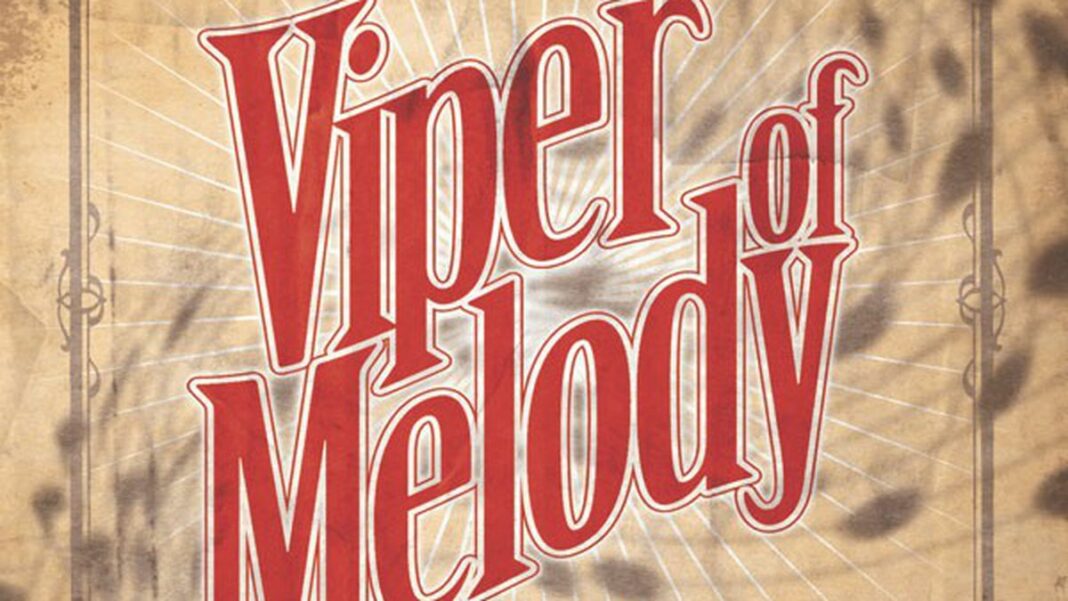
While Viper of Melody is produced by studio pro Lloyd
Maines (daddy of one of the Dixie Chicks), there’s none of the
pop polish that’s neutered and gutted country music for the past decade
or two. Just as cool, Hancock doesn’t sound nearly as mannered as some
of his neo-rockabilly contemporaries — his style is based in
pre-Countrypolitan/Nash Vegas country music (i.e., Williams, Ernest
Tubb, Webb Pierce) more than in rockabilly.
But he can and does rock, make no mistake. The chugging “High
Rolling Train” has a crackling six-string solo that wouldn’t be out of
place on an early Beatles session. Several of the steel-guitar solos
reflect a bit of suave jazz influence, too. Compared to the
American Idol-esque pap passing itself off as country
music, Viper of Melody is as intensely raw and subversive as the
first albums by the Clash and Ramones. (Bloodshot)