
Spring is about to release another wave of UC Berkeley graduates into the world. While some will follow the money—chasing AI startups and tech salaries across the Bay—many artists will stay closer to home, drawn to the East Bay’s creative legacy and slightly more forgiving rents.
But as commencement nears, a harder question sets in: Is the East Bay still a launchpad for a creative life, or just a holding pattern until something better comes along? For young artists, the region’s reputation as a cultural incubator now collides with rising costs, shifting scenes and the constant pressure to survive.
In a place that once promised freedom to make something new, today’s graduates are left to wonder what, exactly, is still possible—and at what cost.
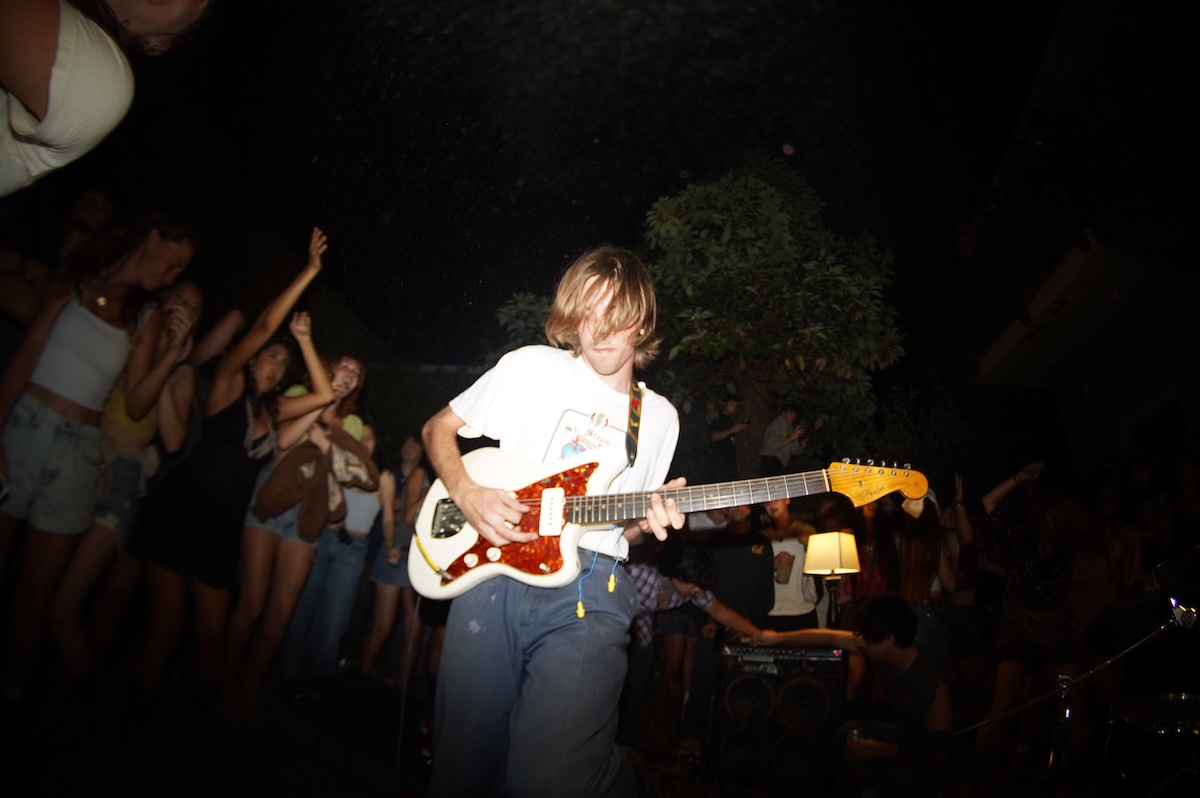
Senior anthropology major Elliot Kempf, a virtuoso of psychedelic rock guitar and one-handed cigarette rolling, is a serious student of the scene. According to him, an underground war is raging between the veterans of jazz and blues and a new-wave transplant of high-ticket electronic music.
“You can charge more at the door to these EDM-loving crowds, which is good for a broke artist,” Kempf says. “But these are still the same guys jacking up rent and gentrifying the place.”
His own journey is committedly retro. He plans to weed his way through the grassroots legacy of a fading psychedelic scene, giving one last distorted war cry against the “yuppie-DJ boom.” Lately, however, his band practice has been sidelined by the bummer of apartment-hunting.
“Man, the rent here is no joke,” he says. “I’ll need some coffee-squirting day job and at least three roommates to ever hope to strum my guitar out here professionally.”
Despite the rising costs, Kempf remains loyal to the East Bay’s network of venues.
“They have some of the best music and art venues I’ve ever seen,” he said. And with space to plug in and play, of course, comes opportunity and pay. The sheer number of venues and local music lovers ardent to rock out sweetens the idea of East Bay migration for many Berkeley musicians. These are the establishments where connections are made and careers are born over a handshake and a cigarette. However, this comes with a risk.
“You have to be daring, with this overhead and shifting techno-tastes,” Kempf said. “This can be very hard for a young artist, trying to stay true to one’s expression, as outdated as mine might be.” However Kempf and his band, the Used Salesmen, will jam in the East Bay for as long as they can.
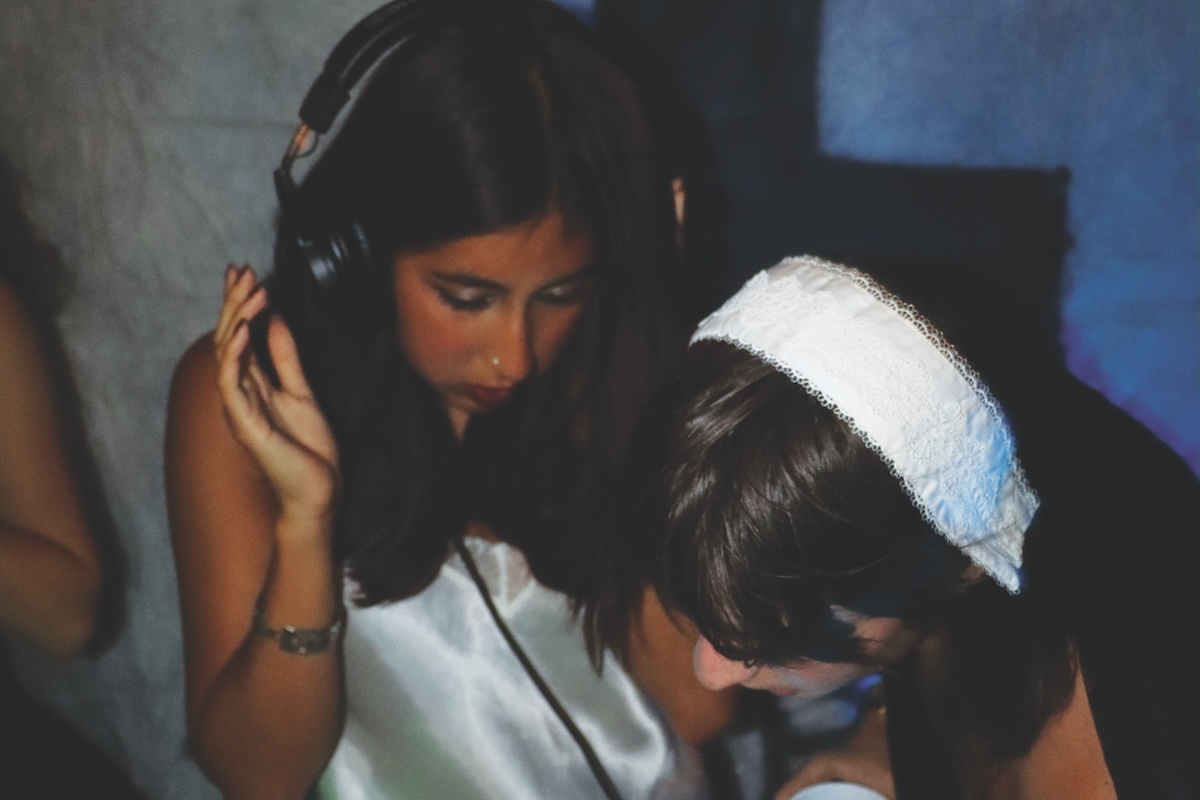
The advent of EDM in the Bay doesn’t feel dystopian to all UC Berkeley artists. In fact, it’s deeply bled into the body of student culture. Everyone’s affected, especially the posers. The cliché of the guy loitering around the party with an acoustic guitar has evolved: Instead of a twangy Yamaha, now he wields a DJ controller and a MacBook.
Madison Rodriguez, a fourth-year English major who rents out her DJing services to UC Berkeley fraternities and philanthropic functions, is excited to explore this brand of music locally. In Oakland, she prophesizes a lucrative future for her and her turntables.
“The BPM of the Bay is picking up,” she said, miming the classic DJ vinyl-scrubbing move. “People want to dance more than ever, and people in the East Bay happen to be really good at it. You know how compatible hyphy music is with EDM? Very.”
Recently, Rodriguez tested the waters at an Oakland house show. Her goal was a bold Bay pastiche: remixing Mac Dre with Skrillex. A technical tightrope walk, the crowd’s reaction proved more volatile than anything she’d ever faced.
According to her, through the alchemy of EDM, what started as a red-cup house party boiled over into an all-out street festival.
“The Mac Dre started it out of course, and everyone was bumping,” Rodriguez said. “Then, to their surprise, I started sneaking in blips of Skrillex. Everyone seemed pissed up until the beat dropped. It all came together, and people went crazy. The crowd multiplied, strangers came up from the street and hopped in until there wasn’t any more room. God, what a scene out there. Wild, evocative, charged. I want to live around those vibes.”
Rodriguez has already rented an apartment in Oakland with some friends. She’s very optimistic about the viability of her DJ career blossoming in this soil.
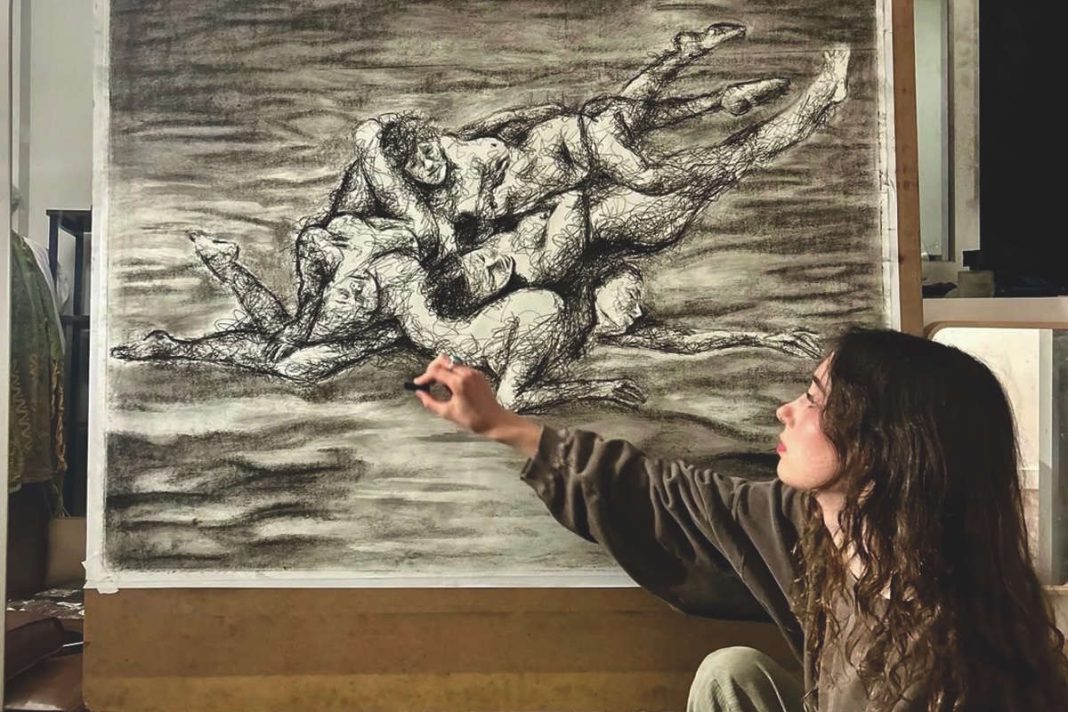
The exodus isn’t confined to musicians. Fine-art specialists also nervously weigh the East Bay’s potential as a workshop. Bella Veale, a talented painter preparing to toss her academic cap, sits in her makeshift apartment-gallery surrounded by eerily accurate self-portraits. To her, the livelihood of a local material artist can feel bleak.
“Some of my friends who graduated last year are stuck doing commissions,” she says. “They’re exquisite talents, but they have to pay the bills. They’re mostly painting pictures of people’s dogs and dead uncles.” To Veale, this is the death of the “artist’s thesis,” executed by the fiscal reality of the Bay.
The alternative is the artist residency, particularly in Oakland. These programs provide the holy trinity for a blossoming creator: time, space and a stipend. Yet, even residencies have limits. Veale notes that the art world requires a social stamina that doesn’t always come naturally to introverted creators.
Gregarious by nature, Veale recently hosted several local galleries. She observed a “collective thirst” for homegrown, nascent artwork. “We need more, more like this!” attendees told her. Though this gives her hope, she plans to try her luck in L.A. first.
Freedom of expression is baked into the East Bay’s identity, but for a new generation of artists, it comes with a price tag that’s getting harder to ignore. The venues are still here. The crowds are still hungry. The ambition hasn’t gone anywhere.
What’s changed is the margin for survival.
For the class of 2026, staying means improvising—cobbling together rent, work and art in whatever way possible. Leaving means risking the loss of the very scene that drew them here in the first place. The East Bay may still be a place where creative lives begin, but increasingly it’s a question of who can afford to see them through.
[Ed. note: At her request post-print publication, Madison Rojas’ surname has been changed to Rodriguez in this online article.]








Wow, I can’t believe this is how the east bay really is.