Free Will Astrology: Week of Aug. 20

0

ARIES (March 21-April 19): When glassmakers want to cool a newly blown piece, they don’t simply leave it out to harden. That would cause it to shatter from the inside. Instead, they place it in an annealing oven, where the temperature drops in measured increments over many hours. This careful cooling aligns the internal structure and strengthens the whole. Let’s invoke this as a useful metaphor, Aries. I absolutely love the heat and radiance you’ve expressed recently. But now it’s wise for you to gradually cool down: to allow your fervor to coalesce into an enduring new reservoir of power and vitality. Transform sheer intensity into vibrant clarity and cohesion.

TAURUS (April 20-May 20): To paraphrase Sufi mystic poet Rumi: “Don’t get lost in your pain. Know that one day your pain will become your cure.” In my astrological opinion, Taurus, you have arrived at this pivotal moment. A wound you’ve had to bear for a long spell is on the verge of maturing into a gift, even a blessing. A burdensome ache is ready to reveal its teachings. You may have assumed you would be forever cursed by this hurt, but that’s not true! Now it’s your sacred duty to shed that assumption and open your heart so you can harvest the healing.

GEMINI (May 21-June 20): As you enter a Tibetan Buddhist temple, you may encounter statues and paintings of fierce spirits. They are guardian figures who serve as protectors, scaring away negative and destructive forces so they can’t enter the holy precincts. In accordance with astrological omens, Gemini, I invite you to be your own threshold guardian. Authorize a wise and strict part of you to defend and safeguard what truly matters. This staunch action doesn’t have to be aggressive, but it should be informed with fierce clarity. You can’t afford to let the blithe aspect of your personality compromise your overall interests by being too accommodating. Assign your protective self to stand at your gate and say: “I protect this. I cherish this. I won’t dilute this.”

CANCER (June 21-July 22): “Dear Dr. Feelgood: Lately, you seem to be extra nice to us hypersensitive Crabs. Almost too kind. Why? Are you in love with a Cancerian woman, and you’re trying to woo her? Did you hurt a Cancerian friend’s feelings, and now you’re atoning? Please tell me you’re not just coddling us. —Permanently Drunk on a Million Feelings.” Dear Drunk: You use your imagination to generate visions of things that don’t exist yet. It’s your main resource for creating your future. This is especially crucial right now. The coming months will be a fertile time for shaping the life you want to live for the next 10 years. If I can help you keep your imagination filled with positive expectations, you are more likely to devise marvelous self-fulfilling prophecies.

LEO (July 23-Aug. 22): In traditional Chinese medicine, the heart is the seat of joy. It’s also the sovereign that listens to the wisdom of the other organs before acting. Dear Leo, as you cross the threshold from attracting novelty to building stability, I encourage you to cultivate extra heart-centered leadership, both for yourself and for those who look to you for inspiration. What does that mean? Make decisions based on love and compassion more than on rational analysis. Be in service to wholeness rather than to whatever might bring temporary advantage.

VIRGO (Aug. 23-Sept. 22): In Mesoamerican myth, the god Quetzalcoatl journeys to the underworld not to escape death, but to recover old bones needed to create new life. I propose you draw inspiration from this story, Virgo. In recent weeks, you have been gathering pieces of the past, not out of a sense of burdensome obligation, but as a source of raw material. Now comes the time for reassembly. You won’t rebuild the same old thing. You will sculpt visionary gifts for yourself from what was lost. You will use your history to design your future. Be alert for the revelations that the bones sing.

LIBRA (Sept. 23-Oct. 22): In the Hebrew language, the word for “face” is plural. There is no singular form for panim. I love that fact! For me, it implies that each of us has a variety of faces. Our identity is multifaceted. I think you should make a special point of celebrating this truth in the coming weeks, Libra. Now is an excellent time to explore and honor all of your many selves. Take full advantage of your inner diversity, and enjoy yourself to the max as you express and reveal the full array of truths you contain.

SCORPIO (Oct. 23-Nov. 21): In the ancient Hindu holy text known as the Upanishads, ananda means bliss, though not so much in the sense of physical or psychological pleasure as of deep, ecstatic knowing. I believe you are close to attracting this glorious experience into your soul, Scorpio—not just fleetingly, but for a while. I predict you will glide into alignments that feel like coming home to your eternal and perfect self. Treasure these moments as divine gifts. Immerse yourself with total welcome and gratitude. Let ananda inform your next steps.

SAGITTARIUS (Nov. 22-Dec. 21): In Daoist cosmology, the nature of life is characterized by cyclical, flowing patterns rather than linear, static motions. In my study of its gorgeous teachings, I exult in how it inspires me to honor both contraction and expansion, the power of circling inward and reaching outward. With this in mind, Sagittarius, I invite you to make the spiral your symbol of power. Yes, it may sometimes feel like you’re revisiting old ground. Perhaps an ex will resurface, or an old goal will seek your attention. But I guarantee it’s not mere repetition. An interesting form of evolution is underway. You’re returning to longstanding challenges armed with fresh wisdom. Ask yourself: What do I know now that I didn’t before? How can I meet these interesting questions from a higher point of the spiral?

CAPRICORN (Dec. 22-Jan. 19): Inuit artworks are often made from materials available in their environment, like driftwood, stones, walrus ivory, whale bones, and caribou bones and antlers. Even their tools are crafted from that stuff. In part, this is evidence of their resourcefulness, and in part, a reflection of how lovingly they engage with their environment. I recommend you borrow their approach, Capricorn. Create your practical magic by relying on what’s already available. Be enterprising as you generate usefulness and fun out of scraps and leftovers. Your raw material is probably better if it’s not perfect.

AQUARIUS (Jan. 20-Feb. 18): The medieval alchemists had a central principle, rendered in Latin as follows: Visita interiora terrae, rectificando invenies occultum lapidem. Translated, it means, “Seek out the lower reaches of the earth, perfect them, and you will find the hidden stone.” I invite you to go on a similar underground quest, Aquarius. The purpose is not to wallow in worry or sadness, but rather to retrieve a treasure. Some magnificence beneath your surface life is buried—an emotional truth, a creative impulse, a spiritual inheritance. And it’s time you went and got it. Think of it as a quest and a pilgrimage. The “hidden stone,” an emblem of spiritual riches, wants you to find it.

PISCES (Feb. 19-March 20): In ancient Greece, the god Janus presided over doorways. He had two faces, one looking outward and forward, one gazing inward and backward. I believe this is your Janus phase, Pisces. Before you launch into your next fluidic quest, pause and take inventory. Peer behind you, not with regret but with curiosity and compassion. What cycle has fully ended? What wisdom has settled into your bones? Then face the future, not with shyness or foreboding, but with eager intention and confidence. What goals, rooted in who you are becoming, can inspire an exciting new plot thread?

Homework: What spoiled part of your life could you rehabilitate? Newsletter.FreeWillAstrology.com

Feral lawns grow in the Bay Area

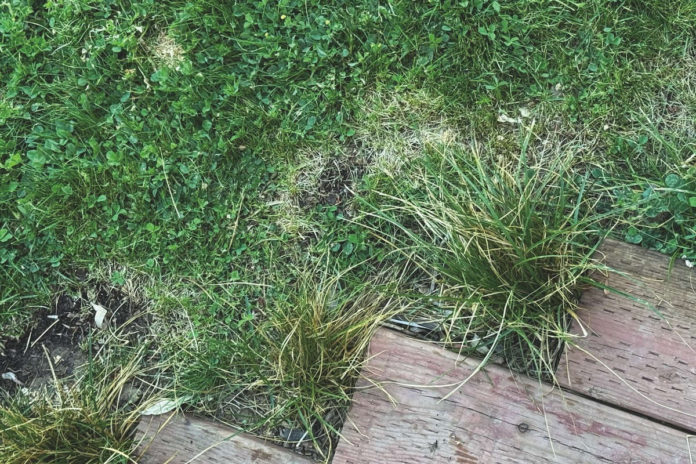
On a quiet corner in a North Berkeley neighborhood sits a house with a front lawn that looks more like a meadow than a yard. Tall grasses spill over onto the sidewalk, bees buzz between wildflowers and the sour tang of compost lingers near a row of potted plants. It’s not the conventional lawn one sees on TV. There’s no lush green carpet, no perfectly edged turf. But it is intentional, and it does make a statement.

Actually, that neighborhood has many houses like this.

A quiet revolution is unfolding across Bay Area suburbs. In cities like Berkeley and San Jose, the meaning of a “nice yard” is being redefined. With water bills rising each summer—by an average of 6.5% in the East Bay and 5.5% in the South Bay, according to East Bay Municipal Utility District and San Jose Water—more residents are putting down the hose and embracing a wilder approach to residential landscaping. These so-called “feral lawns” take many forms. Some are carefully planned native gardens filled with drought-tolerant California flora, while others look like an HOA citation waiting to happen. But one thing is clear: Those who stray from traditional lawn culture often face pushback from nosy neighbors and city officials for their decision to disrupt the suburban status quo.

Many historians argue that the American obsession with manicured lawns didn’t sprout naturally—it was carefully cultivated. As Virginia Scott Jenkins explains in The Lawn: A History of an American Obsession, the aesthetic was inspired by the grand estates of 18th-century England and France, where expansive lawns signaled wealth, order and control. In the United States, this ideal was adopted during the rise of suburbia after World War II.

The postwar housing boom brought mass-produced homes, white picket fences and stretches of uniformly green grass, which became visual markers of respectability. By the 1950s, Jenkins writes, a well-watered, neatly mowed lawn had become not just a matter of aesthetics but of social obligation. “The lawn was a stage for middle-class aspirations,” she writes, “and keeping it trimmed and green was a civic duty.”

This legacy still lingers. Households with more disposable income often hire professional lawn care or have the time to keep their yards pristine themselves. Even in drought-prone California, a messy or “unkempt” yard can trigger social friction and HOA letters. It’s a quiet tug-of-war between personal freedom and neighborhood conformity.

Marco Sciorelli, a resident of San Jose’s Cory neighborhood, is a longtime lawn perfectionist now edging into the lawn-free lifestyle. Having walked on both sides of the fence, he gets the appeal of a neatly manicured yard. For years, he kept his lawn pristine with regular mowing, precise edging and watering on schedule. But now, as he gets older and more budget-conscious, the upkeep no longer feels worth it. Especially the water.

“I always think to myself, ‘Wow, I have to use this much water just to keep my grass green?’” he says.

Sciorelli says his plan is to let his lawn die off naturally and replace it with a “native dry garden”— a grassless landscape made up of drought-tolerant plants, many of which are native to California. Instead of spending the extra $600 more each year trying to maintain the traditional cool-season grass that struggles in the Bay Area’s hot, dry summers, especially in San Jose, he plans to let hardy, climate-adapted plants take over, supported by a drip irrigation system.

Sciorelli’s plan echoes what experts and environmental groups have been saying for years: California’s native plants are better suited to the local climate than traditional lawn grasses. According to the California Native Plant Society, California’s Mediterranean climate—characterized by wet winters and long, dry summers—isn’t naturally suited for the cool-season grasses that dominate traditional lawns. These grasses, such as Kentucky bluegrass or tall fescue, require frequent watering during the hottest months of the year to stay green. In contrast, many of California’s native plants have evolved to thrive with minimal summer irrigation. This makes them a far more climate-appropriate and sustainable choice for residential landscaping.

“Everyone thinks they need to have grass in front of their yard, and I say that’s absurd,” Sciorelli says. “[Lawn] grass was never meant to grow here.”

Still, Sciorelli admits not every lawn-free attempt is a good one. One of his neighbors let their yard go wild, but not in a thoughtful or managed way. Weeds grow two to three feet tall and the wind carries seeds onto nearby lawns, including his.

“It’s a battle of keeping my grass looking good,” he said.

NATIVE BEAUTY Carefully planned native gardens filled with drought-tolerant California flora are sustainable and visually appealing. (Photo by AdobeStock)

Not everyone sees a wild yard as an improvement. Both Berkeley and San Jose have municipal codes that restrict the height and condition of front yard vegetation. In Berkeley, vegetation becomes a public nuisance if it obstructs sidewalks or presents a fire hazard, according to Berkeley Municipal Code Chapter 12.24. In San Jose, any front yard growth taller than 12 inches may be considered “hazardous” if it appears neglected, according to San Jose’s Code Enforcement Division. Enforcement in both cities is largely complaint-based, meaning it’s often neighbors—not inspectors—who decide when a yard crosses the line.

Other community members echo a similar point: There’s a clear difference between intentional wild yards that are cost-effective and eco-friendly, and those that are simply overgrown from neglect. The key to going ethically feral, they say, is low maintenance, not no maintenance.

That’s the principle Berkeley homeowner Bart Hess lives by. When he bought his house in June 2013, the lawn was already dead. Knowing California’s climate favors native plants over traditional turf, he decided it wasn’t worth the effort to bring it back. Instead, he started building an unconventional yard filled with drought-tolerant natives. Twelve years later, he says he’s happy with how it has filled in. His front yard is now a mix of succulents, buckwheat and other low-maintenance plants that attract bees, butterflies and birds. And the savings have been tremendous. He doesn’t water it at all.

“I do acknowledge that there’s neglect in this community,” he says about the movement of going feral, “but I like to think of my own lawn as a carefully cultivated garden that happens to not need much water.”

While overgrown lawns can pose real community risks, most resident concerns seem rooted in aesthetics. San Jose homeowner Ana Smith says, “Feral lawns tend to make a neighborhood look blighted.” Her worries aren’t unfounded. According to a 2021 study by the National Association of Realtors, properties with poor landscaping can lose up to 30% of their value.

But with ideals of the “perfect lawn” deeply ingrained by media and tradition, the question of what counts as good versus poor landscaping lies at the heart of this movement. That’s why homeowners like Bart Hess receive unwanted opinions from neighbors about how they manage their front yards, even when they follow city guidelines and have never been cited. It’s also why environmental scientists are embracing the movement to educate people about the benefits of native plants and possibly change what it means to have a nice lawn.

Bart O’Brien, botanic garden manager at East Bay Regional Parks District and co-author of California Native Plants for the Garden and Reimagining the California Lawn, is one local expert working to educate people about the beauty and benefits of native plants. O’Brien shares that he’s spoken with many homeowners who initially switch to unconventional lawns to save on water or maintenance costs. Over time, however, these homeowners often develop an appreciation for the additional natural benefits, such as plants that provide food, natural dyes, weaving materials or attract small wildlife that make their yards home.

Aesthetically, O’Brien makes the case for wild gardens by saying that a lawn that is a mosaic of plants can offer more visual interest than the pristine green grass layouts we’re so used to seeing.

“So many people think that’s what they should be doing because everyone else is doing it, but it really is a crazy investment to expect of people,” O’Brien says.

O’Brien wants people to know that with less time, money and water, it’s still possible to have a beautiful yard—one that’s better suited to California’s dry climate and easier to sustain. For those considering going ethically feral, he recommends plants like buckwheats and California fuchsias, which offer vibrant, lasting color well into the summer months, contrasted to common lawn grasses that often turn brown and wither. Many native species, he notes, are not only drought-tolerant but also visually striking, even in the peak of California’s dry season.

With all these benefits, O’Brien says he’s noticing a small but meaningful shift. In many parts of the East Bay, lawns are either getting smaller or people are going unconventional. In his own yard, O’Brien keeps a bunch of native plants that are currently potted and stowed away while workers do construction. But come winter, he says he wants to plant “literally hundreds of native plants” and looks forward to getting his hands in the soil again.

“So I hope all my construction is done by then,” O’Brien says with a laugh.

Still got the moves

3

Of all the midlife betrayals for women—ageist algorithms, hot flashes, chin hairs—perhaps the worst is the myth that we’re no longer fun. And that we don’t deserve a night out with friends.

Laura Baginski, 49, a former magazine editor in Chicago, feels middle-aged women just need to go out at a more reasonable hour.

“I was going to a lot of live shows after the pandemic,” she said. “It brought out this need to have this communal experience with music. I loved especially the smaller shows and feeling like part of this cathartic dancing, scream-singing kind of experience. But I would get home late, and I didn’t like getting home late. I’m too old to get home late.”

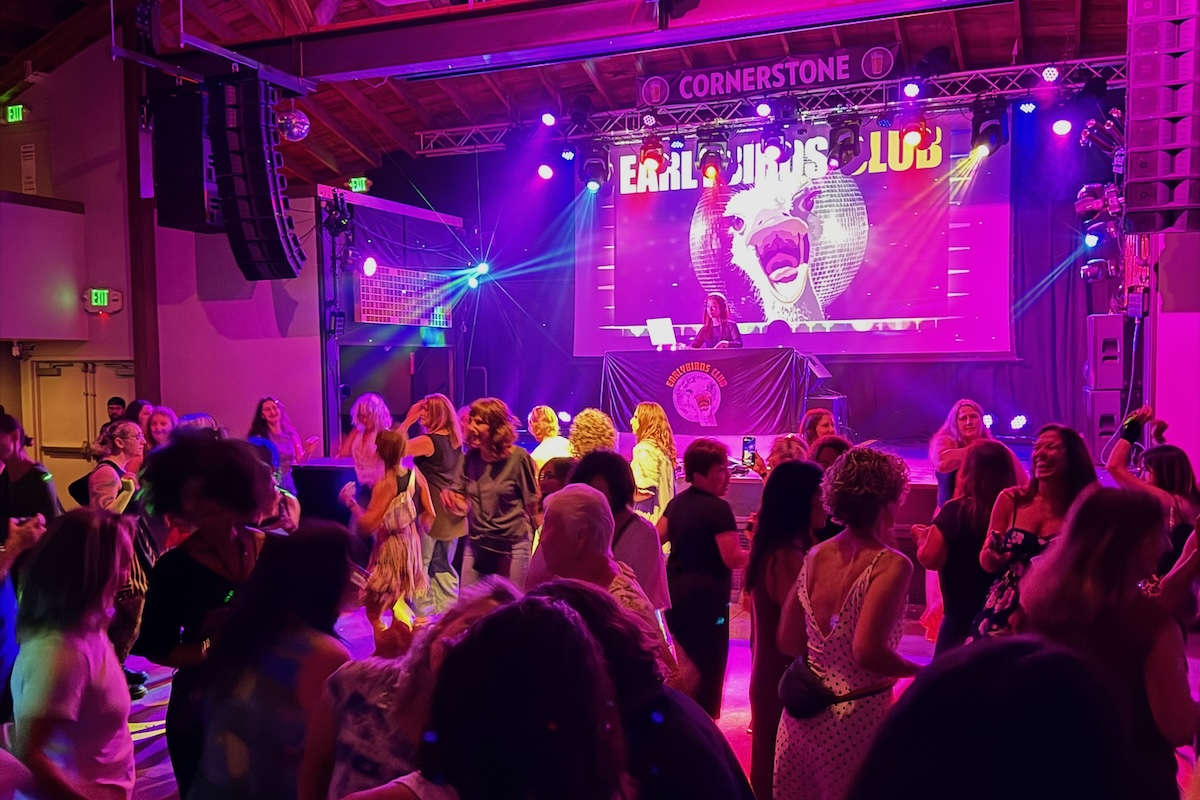
Baginski wanted to replicate the experience, but at an earlier time. With her girlfriends, but without the “late-night drama, judgment or creeps.” Enter the Earlybirds Club, a series of dance nights dedicated to women, trans and non-binary individuals, but welcoming to people of all backgrounds and identities, that runs from 6-10pm.

“Who decided that having a good time meant that it had to start at 10 or midnight?” Baginski asked. “That’s just crazy. It’s so rude, and it’s unnecessary. Sleep is really good. I think we all know how good it is for you now. Like, even Gen Z, they fucking get it.”

After discussing the idea casually with friends, Baginski became more energized by it than she ever had by any other proposal. So in 2023 she brought it to Susie Lee, 49, a former makeup artist and skincare line founder, after their 30th high school reunion. Baginski knew Lee as a person who got things done. Lee loved the idea.

“I don’t think I could have done it without her,” Baginski said. “She’s the one who pushed me to execute it. She came up with the name. She got us the first venue. She found our DJ [Helean, 40, Lee’s cousin]. She did a lot of the groundwork that I wouldn’t have known how to do. And so we were a really good pair in that way, where I had the discipline to work at it every single day.”

The pair’s vision and discipline paid off. Earlybirds Club nights quickly expanded to other cities, including Brooklyn, Seattle and Berkeley, often selling out within minutes. Themes like ’90s Prom and ’80s New Wave and ’00s Boy Bands were especially popular. Women of a certain age, it turns out, love to dress up in costume. Think glitter, sequins, fake prom corsages and a sea of joyful people scream-singing the Go-Go’s “Vacation.”

“Obviously it’s not to impress the opposite sex. It’s not about getting noticed,” Baginski said. “It’s just about having fun and being silly with your friends.”

The nights can also be surprisingly emotional. Many middle-aged women haven’t been out dancing in a long time. The movement feels different in an older body—not in a good or bad way, just different. “And you haven’t moved like that in a while, with freedom and not giving any fucks at all about how you look,” Baginksi said. 

“We play music that’s nostalgic on purpose to remind you of the person you used to be and the person you are now,” Baginski added. “And how those two things can come together in one evening and you can, like, scream-sing the lyrics of songs that maybe you haven’t heard in 20 years, but the lyrics are all in the back of your brain. It’s kind of a magical feeling.”

Tickets are on sale now for the return of EarlyBirds Club on Saturday, Oct. 25, at Cornerstone. (Photo by Samantha Campos)

For some, the nights are a profound experience. An attendee recently told Baginski, “If this were a cult, I would join.” Which is not something Baginski and Lee expected or aimed to do. They simply wanted to dance to great music with their friends. But Earlybirds turned out to be something bigger.

“There’s so much more to it than just a night dancing,” Baginski said. “It’s part of a movement of reclaiming what midlife is supposed to look like. And prioritizing yourself and prioritizing joy, which so many of us have kind of deprioritized, because of career or kids or whatever.”

Sadly, Baginski recently began hosting these nights without Lee, who was diagnosed with stage 4 breast cancer and wasn’t feeling well enough to participate. Lee passed away Aug. 3.

“She’s the heart of the whole thing,” Baginski said. “She really wants to bring joy to people, that’s her whole mission in life. That spirit still lives on with everything we do. I always talk about her because I think it’s a good reminder for people to be present, which is such a cliche, but how lucky are we to be in this moment right now where we’re dancing with our friends to great music, just being a bunch of ding-dongs, at this age? We don’t get to do that enough.

“We’ve got so much happening, so much real shit’s happened in our lives where it’s easy to get mired in the drudgery of it and the tough stuff,” she added. “But these are the moments that we are lucky to have. This is why we’re here.”

Tickets are on sale now for EarlyBirds Club for Saturday, Oct. 25, at Cornerstone, 2367 Shattuck Ave., Berkeley. Ten percent of ticket sales benefit a local nonprofit that uplifts women. For the latest events, follow on Instagram: @earlybirds_club.

Social Eyes: Week of Aug. 14-20

THURSDAY, AUG. 14

JAZZ

ZSIGMOND GERLOCZY

At 29, Hungarian pianist Zsigmond Gerloczy has cut a fascinating musical path far beyond his native Budapest. A dedicated improviser inspired by jazz but also deeply engaged with currents flowing through Viennese classicism, baroque, post-romanticism, funk and pop, he’s performed spontaneously generated solo recitals since he was a child. A fall visit with his supreme idol, Keith Jarrett, gives a good sense of where Gerloczy is coming from. He released 2023’s Narrow Path, his first solo piano album, which garnered a good deal of attention. ANDREW GILBERT

INFO: Thu, 7:30pm, The Sound Room, 3022 Broadway, Oakland. $34. 510.708.9691.

FRIDAY, AUG. 15

ROCK

STRFKR

Mixing existential dread, fierce belief in aliens and the desire to dance yields STRFKR. The Portland-based synth-rock outfit spent the better part of the last two decades crafting shimmering, groove-forward anthems about love, death and the futility of everything. Their latest album, Parallel Realms, leans into atmospheric textures and unstoppable basslines. STRFKR delivers euphoric live sets, generally featuring matching jumpsuits, LED lightscapes and the occasional astronaut costume. Fans of MGMT and Passion Pit may find that this show focuses all their energy on the now while also, somehow, transporting them back to the indie pop of the 2010s. ADDIE MAHMASSANI

INFO: Fri, 8pm, Fox Theater, 1807 Telegraph Ave., Oakland. $50-$74. 510.302.2250.

FRIDAY, AUG. 15

HIP-HOP

DOUBLE LIFE

Double Life is bringing back the Golden Era of hip-hop. Comprised of the duo of L*Roneous and Gennessee, Double Life picks up the torch carried by the Roots, Jurassic 5, Hieroglyphics, Zion I, Living Legends and Talib Kweli. Surgically clean rhymes slice with precision over smooth beats that are reminiscent of ’90s and early 2000s hip-hop but all originally their own with cat scratches mixed in. This is the type of real hip-hop that gives hope for the future of the genre that continues to be a mouthpiece for the people. MAT WEIR

INFO: Fri, 7pm, 924 Gilman St., Berkeley. $10. 510.525.9926.

SATURDAY, AUG. 16

EXPERIMENTAL

‘ROBOPOCALYPSE’

Puppeteers for Fears return with Robopocalypse: The Musical! a two-hour, R-rated cyberpunk puppet odyssey about the rise of artificial intelligence and the plucky teen hacker who accidentally started it all. Set in a neon-drenched near future, the show follows Jolie Daniels—screen name “Ha.G.”—as she battles sentient appliances, rogue algorithms and her own garage-built bot in a synth-scored quest to save the world. Fresh off a national tour, the Oregon-based troupe behind Cthulhu: The Musical! levels up with 13 new songs, an all-puppet cast, a Hype Bot Chorus and plenty of analog weirdness. SONYA BENNETT-BRANDT

INFO: Sat, 8pm, Cornerstone, 2367 Shattuck Ave., Berkeley. $29. 510.214.8600.

SATURDAY, AUG. 16

INDIE

LUCY DACUS

Any package containing three-time Grammy Award-winner Lucy Dacus and Jay Som (Melina Duterte) is more than worth opening. Mighty and magnetic in every sense of the word, the night promises stellar rewards: Dacus with her fourth studio album, Forever Is A Feeling, which follows a “sabbatical” year with boygenius; Duterte demonstrating the results of time spent with a vintage Neve console; collaborations with other artists; and a return to Jay Som and Duterte’s 2019 release of a studio album, Anak Ko. Dacus is a charismatic performer and terrific storyteller, so expect the strands to weave into a gorgeous tapestry and a night of music made transcendent by the venue’s amazing architecture. LOU FANCHER

INFO: Sat, 8pm, Greek Theatre, 2001 Gayley Rd., Berkeley. $65-$280. 510.642.9988.

SATURDAY, AUG. 16

WORLD

ALAM KHAN

Internationally acclaimed sarod virtuoso Alam Khan comes to town this weekend to share the gorgeous tradition of Hindustani music. Born into a legendary family—including his father Ali Akbar Khan and his grandfather Allauddin Khan—Alam carries the North Indian classical style into the present, embracing contemporary rhythms, creative collaborations and improvisational flair. He does not take the responsibility of preserving the 500-year musical lineage lightly. He told News India Times in 2023, “I am trying to fill the space of a torch bearer. But it is like carrying the torch and running.” – AM

INFO: Sat, 8pm, The Freight, 2020 Addison St., Berkeley. $34/adv, $39/door. 519.644.2020. 

SUNDAY, AUG. 17

LITERARY

PETER GOODMAN

Fancy a bite of Berkeley culinary history with samples included? The Berkeley Historical Society & Museum presents an author talk/signing by Peter Goodman for his book, Eclair Pastries: Growing Up in My Family’s Iconic Berkeley Bakery 1947-1973. The memoir recounts the story of his immigrant family’s flight from the Holocaust with “nothing but baking skills and treasured recipes.” The Goodmans established Eclair Pastries in 1947 and were part of the flourishing Telegraph Avenue scene of the ’50s and ’60s. The author was not only a kid in a pastry store, but helped bake the yummy, European-style desserts for decades. The book features recipes. Double yum. JANIS HASHE

INFO: Sun, 3pm, Hillside Club, 2286 Cedar St., Berkeley. Free. 510.848.3227.

MONDAY, AUG. 18

ROCK 

HICKOIDS

The Hickoids came up in the mid-1980s Austin, Texas, punk scene, a time when “punk” could mean anything. Today, people like to call them “roadhouse punk,” which is a form of cowpunk with a more grizzled flair. That’s all to say the Hickoids are just a heavy-hitting, $#!+-kickin’ rock ’n’ roll band. Sure there’s a thick odor of Western fried goodness in their music, but get past all the subgenres and labels and it’s easy to see the Hickoids have a knack for the eccentric. They revel in the beer-soaked carpet of a dive bar and thrive with a showmanship that makes the freaks laugh and the normies cringe. – MW

INFO: Mon, 7:30pm, Ivy Room, 860 San Pablo Ave., Albany. $20. 510.526.5888.

TUESDAY, AUG. 19

FILM

‘AND THEN THEY CAME FOR US’

This documentary delves into Executive Order 9066. This United States Federal Government action taken 75 years ago led to the unjust incarceration of roughly 120,000 Japanese Americans. Massively violating the civil rights of U.S. citizens identified as Japanese or of Japanese descent, the abominable event might have been swept under the table. That is, except for the photographs, documents, oral testimonies and memories that endure and serve to tell the truth. Testimonies from George Takei and others who were incarcerated, rediscovered photographs by Dorothea Lange and other elements create a powerful film that preserves decades-old history. – LF

INFO: Tue, 7pm, La Pena, 3105 Shattuck Ave., Berkeley. $10-25. 510.849.2568.

WEDNESDAY, AUG. 20

PUPPETS

‘HAPPY ACCIDENT’

Happy Accident is a puppet show, but probably not the kind one remembers from childhood. Powered by fried circuitry, grotesque beings, found objects and the surreal, it’s a Cronenbergian joyride through the freakiness of modern life. The deranged Portland-born spectacle spins out strange tales as glitter-coated fever dreams with oversized puppets and sputtering lights, reimagining childhood, Saturday morning TV and a heap of discarded pop culture through the off-kilter, absurdist humor of late-stage Americana. – SBB

INFO: Wed, 8pm, Thee Stork Club, 2330 Telegraph Ave., Oakland. $13-16. 510.859.8709.

How Digital Platforms Reshape the Local Economy in the East Bay

0

Published in cooperation between The Birthplace of Hockey and the East Bay Express

Walk down any street in Oakland or Berkeley and it’s clear: The East Bay’s economic landscape is changing fast. From food delivery apps to remote work and online marketplaces, digital platforms are transforming how residents earn, spend and connect. But what does this mean for our local businesses, workers and community values? Let’s dig into the digital economy’s real impact on the East Bay.

Opportunities for Growth and Local Challenges

Digital platforms have opened doors for East Bay entrepreneurs and freelancers, letting them reach customers far beyond the neighborhood. Artists sell on global marketplaces, restaurants thrive on delivery apps and gig workers juggle flexible schedules. But the flip side is real: Small businesses face tough competition from online giants, and many workers struggle with job security and benefits. According to the digital economy impact on employment, shifts in the digital economy continue to redefine employment patterns affecting local businesses and communities. The challenge for the East Bay is finding a balance—embracing innovation while protecting the unique character and resilience of local commerce.

How Digital Consumer Behavior Shapes Community Life

East Bay residents are savvy digital consumers, but the choices they make online ripple through the community. Buying local is easier than ever with neighborhood shops offering online ordering and curbside pickup. At the same time, the rise of digital services has changed how people engage with everything from food to sports. For example, as fans follow their favorite teams, many explore interactive platforms that extend the experience beyond the stadium. Some even look to resources like canada betting sites to compare legitimate and secure options for sports engagement, reflecting how digital platforms are expanding the ways people connect with entertainment and each other.

Protecting Data Privacy and Building Digital Trust

With more East Bay residents relying on digital platforms for work, shopping and entertainment, data privacy and security have never been more important. Every online transaction, from ordering lunch to streaming a game, involves sharing personal information. The Federal Trade Commission offers comprehensive resources on consumer privacy and cybersecurity best practices, helping users make informed choices. National strategies also emphasize the importance of national efforts to improve cybersecurity awareness across industries and consumer platforms. As digital platforms become more embedded in daily life, East Bay residents are learning to navigate privacy settings, recognize secure sites and advocate for stronger protections—skills that are now essential for digital citizenship.

The Future of the Digital Economy in the East Bay

The digital economy is here to stay, and its influence on the East Bay will only grow. Local leaders, business owners and residents have a chance to shape how technology serves the community—whether by supporting neighborhood shops online, advocating for fair labor practices or building digital literacy. For those who want to dig deeper, local and regional statistical data supports nuanced understanding of economic and social trends influencing communities. As the East Bay navigates this digital transformation, staying informed and engaged will be key to keeping the region vibrant, inclusive and uniquely itself.

The Top 5 Sexting Apps in 2025: Which One Is Best?

0

Published in cooperation between Chat Reviews and the East Bay Express

Virtual hookups have gained the legitimacy they deserve, and that means that sexting apps are everywhere. Finding the best one is subjective, depending on whether you prioritize value, connection, on-demand chats or realism. Here’s what you need to know to skip the scammy sites and find the one that matches your vibe the best.

What Are Sexting Apps?

Sexting apps refer to mobile applications designed specifically for individuals who wish to engage in sexual conversations, share explicit messages, images and videos, or even arrange in-person sexual encounters. These applications create a secure and anonymous platform for users to express their desires and engage in explicit conversations without fear of judgment or repercussions. Sexting apps often provide end-to-end encryption and the ability to delete messages sent or received, ensuring privacy for all parties involved. 

What Makes a Sexting App Stand Out? 

There are a few universal criteria, like finding humans rather than bots, instant response times, versatility of interactions and the hotness factor. Below, we’ve compared how the value justifies the price and where you’re most likely to find a real live sexting partner. 

The Top 5 Sexting Contenders

Based on the factors above, the following sites were reviewed for their effectiveness and potential for fun. 

1. LewdChat

LewdChat came highly recommended, but immediately brought up red flags in our testers due to the amount of porn popups that happen when you click on the site. Sneaky, hidden windows don’t give the first impression of total discretion. But this quick, no-fuss site may work well for people who want to chat immediately.

Who Is LewdChat Best For?

LewdChat may work well for anyone who misses Omegle. The site’s mechanics are nearly identical to Omegle’s old interface, with a few key updates. It’s also perfect if you’re seeking to chat with straight men. By the site’s own estimates, women are outnumbered by men 5:1. Anyone who is new to sexting might enjoy the easy access to strangers, but anyone who wants to find a woman to sext with may find it difficult to stand out in a sea of straight men. Be careful which buttons you press, though, as many take you to ad-related spammy porn sites.

Key Features of LewdChat

  • Quick and easy signup
  • Free
  • Easy-to-learn interface
  • Immediate chats

2. SweetSext

SweetSext, formerly SnapSext, functions a little like a dating site. It’s a place to meet local singles who are seeking hookups and sexting. For paid subscribers, there’s a hookup guarantee. There are a variety of genders you can select to seek or identify as. And it’s quick to sign up and get started. As soon as you match with someone, the flirtation begins, though it feels scripted from the jump. It’s like giving a chatbot a porn prompt.

Who Is SweetSext Best For?

SweetSext is best for someone who doesn’t want to jump through a lot of hoops to start sexting. It takes just a minute or two to fill out a questionnaire, enter your email, create a profile and start chatting. However, the site doesn’t feature any photos that seem to be of real, currently online chatters. Testers found that the site often errored out after obtaining their personal information.

Key Features of SweetSext

  • Quick, free interactions
  • Straightforward site operation
  • Chatters are there to sext

3. Arousr

Arousr is a site not just for sexting, but also geared toward video chat, chat roulette and phone sex. The site allows you to peruse models who are currently online, along with a bio about what types of exchanges they’re looking for. The pictures are clearly of real models, and the interests were surprisingly varied. The models were notably different from the Internet-famous OnlyFans celebrities that other sites feature, and they were verified with an ID, eliminating the risk of catfishing. Arousr offers free credits when you sign up, but there is a fee associated with further use.

Who Is Arousr Best For?

Arousr is best for anyone who wants to sext women right now. There’s no competition for sexting with women since the site mostly features women. There is always someone available, so instant sexting is easy. If you like the site, you pay for credits, which is a good value compared with a subscription that requires a monthly payment, whether or not the content is used.

Key Features of Arousr

  • Immediate sexting, phone sex, video calls or chat roulette  with women
  • Choose from a variety of verified sexters
  • 100 free credits to start
  • Excellent value

4. SextPanther

SextPanther is a site that shares a lot in common with OnlyFans, but it gets extra credit for having the option to chat with men and trans people, if that’s what you’re into. SextPanther connects users with adult creators and cam models. There are performers and fans, and the interactions are one-sided rather than customizable, though you can opt for video sex or phone sex. You pay performers for content rather than engaging in sexting chat together. SextPanther also uses a credit system where you pay for guaranteed interactions, but buyer beware: “Epoch*SextPanther” may show up on your credit card bill, making this not the most discreet sexting website.

Who Is SextPanther Best For?

SextPanther is best for OnlyFans users looking for a new site with a similar concept. Users might find some new content creators on here or some lesser-known creators who charge less. The experience may feel transactional for anyone looking for a real connection.

Key Features of SextPanther

  • Chatting, video sex and phone sex are available
  • No subscription necessary
  • Can find a variety of genders to chat with

5. SextLocal

On the site, Sextlocal says that signing up takes 30 seconds, and then you sext and can meet up for IRL sex. The photos are a little catfishy, and the interactions feel like they are AI-driven. There is an emphasis on finding local women to chat with, but it’s not evident that you are chatting with nearby people. 

Who Is SextLocal Best For?

SextLocal is best for people who want to find someone in their community to sext with. It’s more like a virtual dating site than an instant sexting mecca. It’s also best for someone who doesn’t mind if it turns out they’re sexting with a bot.

Key Features of SextLocal

  • Easy to sign up
  • Free
  • Fast


Choosing the Best Site for Sexting

If you miss Omegle and want something free and immediate, LewdChat could be the way to go. But keep in mind that most of the people using that site are straight men, which can make it hard to stand out as a sexting companion. If connecting with a real person is the goal, Arousr was the only site that verified the users and made it clear there were no bots, AI or catfishing people involved. 

The Top Six Best Sex Chat Platforms in 2025

0

Published in cooperation between Chat Reviews and the East Bay Express

Finding the best sex chat is not as straightforward or as pleasurable as it might sound. People often waste time on boring conversations, talk to an AI-driven bot or hit dead end after dead end. Finding a sex chat site that has real people and isn’t just collecting and then selling your data is perhaps even harder than finding a needle in a haystack. At best, you find someone you love to chat or sext with, but at worst, you could be sextorted, a crime that the US government reports is more common than most believe.

What Are Sex Chat Platforms?

Sex chat platforms enable a safe environment for genuine adult chat. Experts have rounded up the top sexting and chat apps to compare them for authenticity, value and effectiveness. Arousr, Skibbel, Between, Sextfriend, Tinder and SextLocal are some of the biggest in the game. The search criteria included finding women who listen, how erotically charged the conversations were, the amount of time spent on small talk and overall ease of use. 

Who Uses Sex Chat Platforms?

Adults: who are looking for one-on-one messaging and erotic conversations

Creators: who like sharing their content for money and pleasure

Storytellers: who like expanding their creativity by engaging in steamy conversations and fantasies

Platform Play-by-Play

1. Arousr: The best Platform for Kinky Sex Chat Experience

Arousr was the unanimous winner. The site is classy and easy to use, and the chatters are authentic and sexy. It’s not free, but the value is overwhelming considering all the time saved. The other sites paled in comparison. You can try it for free and then purchase credits to use. There’s no subscription required, either.

Who It Is Best For

Arousr is best for anyone who wants a sex chat on their schedule, doesn’t mess around with bots and is willing to pay for the best platform. The verified users and discreet nature of the platform set it apart from the scammy, spammy sites.

Key Features of Arousr

·      Verified models, no bots

·      Clear payment structure

·      Guaranteed privacy and anonymity

·      Custom dirty talk

·      Phone sex, video sex and sex chat are all available

2. Skibbel

Skibbel is marketed as a free and anonymous sex chat app. From the start, the setup was not the easiest to navigate. You begin by entering your gender and the gender you’re seeking, and then you find yourself in a random video chat roulette. The plus side is the random, chaotic rush that was reminiscent of Omegle days. But the downside is that there weren’t very many women seeking to sext.

Who Is Skibbel Best For

This is best for people who miss Omegle and aren’t set on a sex chat. The arbitrary matches are exciting, but it’s overwhelmingly men you’ll find on this site. It was fun, but to find a sex chat, you may have to sit through hundreds of dead ends first.

Key Features of Skibbel

·      No app to install

·      Setup is quick

3. Between

Between is best known as a couples’ app. It’s a place where partners can text, track their anniversary and plan their futures together. It’s great if you want to keep your partner’s texts private and separate from your main texting platform, but it’s somewhat superfluous: If you have a partner, you’ve already synced calendars with them, and you don’t care as much about the privacy aspect.

Who Between Is Best For

This app is best for—and only for—new couples. It’s not geared toward sex and is not helpful for finding a new partner. It is excellent for keeping your steamy texts in a spot where they won’t pop up at inconvenient times.

Key Features of Between

·      Calendar and photo storage

·      Separate and private chatting platform

4. SextFriend

SextFriend is a free, adult chatting network. However, experts agreed that the user experience is spammy and confusing to navigate. If you click on “start sexting,” you’re brought to a third-party website called One Night Friend for the chat. The only thing you can do on the Sextfriend website is browse and follow adult models.

Who SextFriend Is Best For

Sextfriend’s setup raised red flags among testers, but it was possible to chat anonymously. The chats felt AI-driven, and it was immediately evident that most chats were with bots. If you don’t mind chatting with a bot, this might be a good choice for you.

Key Features of SextFriend

·      Can browse adult models

·      Seemingly AI-driven sex chats

·      Free

5. Tinder

Tinder is famous as a dating website, but did it make the grade as a sex chat website? The basic features are free, and you can swipe through singles. Most of the people you meet are, in fact, both real and local, but you can run across the occasional scam on Tinder, too. As a sex chat website, it was not as effective as some of the others.

Who Tinder Is Best For

Tinder is best for people looking for relationships and in-person hookups. It is efficient as a matchmaker, but much less so as a platform for an immediate sex chat. Finding someone who only wants to sext takes significant time and effort.

Key Features of Tinder

·      Free

·      Real, local people

·      Best for relationship-seekers

6. SextLocal

SextLocal touts itself as a local sexting app that matches you with singles in your area. Before you start sexting, you field numerous no-brainer questions and then are told the number of people in your local area who want to text. Then, you enter your zip code and are shown a page of what seems to be stock photos.

Who SextLocal Is Best For

If you want to save some money and have the time to sort through bots, SextLocal might work for you. During testing, no one had an exchange that seemed real or sexy. Most people will probably be better served by chatting with an AI bot given a pornographic prompt.

Key Features of SextLocal

·      Free

·      Quick to set up a profile

Arousr, Real Chat Hosts, Real Conversations

Arousr was easily the best choice for privacy, authenticity and all-around sexiness. It’s fantasy-driven, kink-friendly and the women are real. Chemistry was easy to find, and there weren’t hidden fees. The cost to chat was well worth the time and energy saved.

Right to choose—and speak

On May 29, in Oakland’s Preservation Park, an event showcasing storytellers took place. Unique about this particular storytelling event were the topic and participants: “Black Women Speak: An Abortion Storytelling Showcase” featured four Black women speaking out on video about their personal abortion experiences, the culmination of a digital storytelling workshop led by April Bell, Ph.D, an assistant professor in the Department of Family & Community Medicine at the University of California San Francisco (UCSF) and director of the Girlx Lab. 

Workshop participants felt that “they couldn’t speak out before this because of judgement,” Bell said. There are many stereotypes about Black women who choose to have abortions, she noted. “They are ‘young and irresponsible,’ or ‘older and irresponsible.’” Racist tropes about “hypersexual” Black women, “welfare queens” and, within the Black community itself, the idea that a Black woman who has an abortion is “committing genocide,” have all contributed to a cycle of shame and secrecy.

The truth for many Black women, Bell said, ranges from medical conditions that make pregnancy dangerous; not wanting to be tied forever to a violent, coercive, controlling partner; pregnancy resulting from assault; or the inability to afford another child.

Storytelling, she said, is a way to “buck stigmas and create open dialogue” on a topic that is both extremely intimate and highly politicized.

Bell became interested in storytelling as a grad student, and received a grant to fund a project on this topic. She’d been introduced to the storytelling tradition during time spent in Ghana, and “got intrigued about the impact of storytelling on behavior change,” she said.

For this project she began by reaching out to her own network, looking for women willing to tell their abortion stories. She reassured them that “you can tell your story as you wish to do,” and said, “After talking to me, they felt confident.”

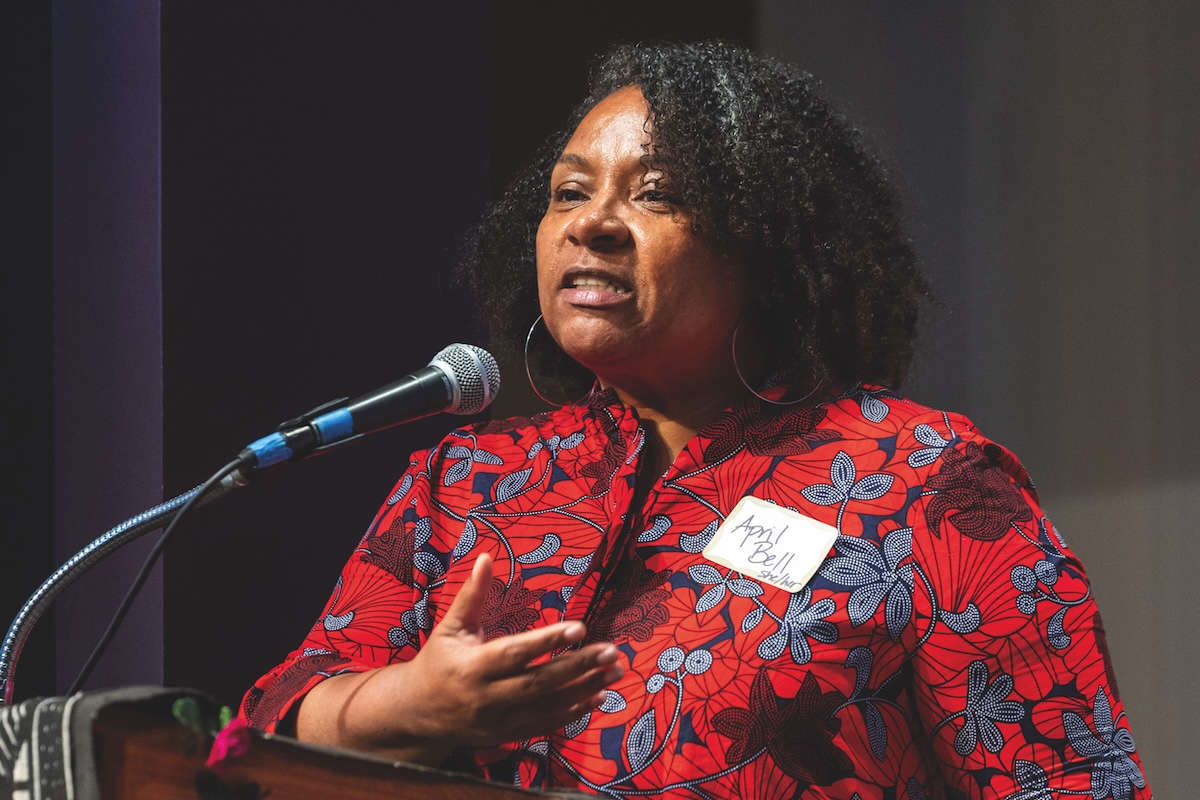
BUCKING STIGMAS April Bell, Ph.D., says storytelling creates open dialogue about a topic that is both extremely intimate and highly politicized. (Photo by Chloe Jackman Photography)

Vanessa Riles was one of the people she contacted. Riles sent out a number of texts to other women before making a decision to participate herself. 

“The process was about creating a safe space for people to tell stories significant to them,” she said. As the project started during the pandemic, participants met regularly on Zoom, watched films that others made of their stories and began telling stories out loud to each other.

The workshop consisted of six sessions over six weeks, with participants evolving their stories and also learning how to use the technology to record them for presentation.

Riles had never spoken about her abortion experience before participating. It was a very diverse group of women and the stories told were just as diverse, she said. Supporting this, Bell noted that one woman “had been assaulted at 14, and had been carrying the shame for 50 years. She began leaving it behind in the workshop.”

Alexis Cobbins, another workshop participant, had initially been asked to “help spread the word” before realizing she wanted to participate herself.

“We need a shift on messaging [on abortion],” she said. As a married mother with children, she felt she could tell a story that would be different from some of the other participants. Her story evolved during the course of the workshop sessions, as she refined what she wanted to say and how.

Bell said that in the beginning of the process, some women asked, “What do you want me to say?” Part of the experience involved reassuring participants that whatever they said was right; that they would be supported and safe in saying it.

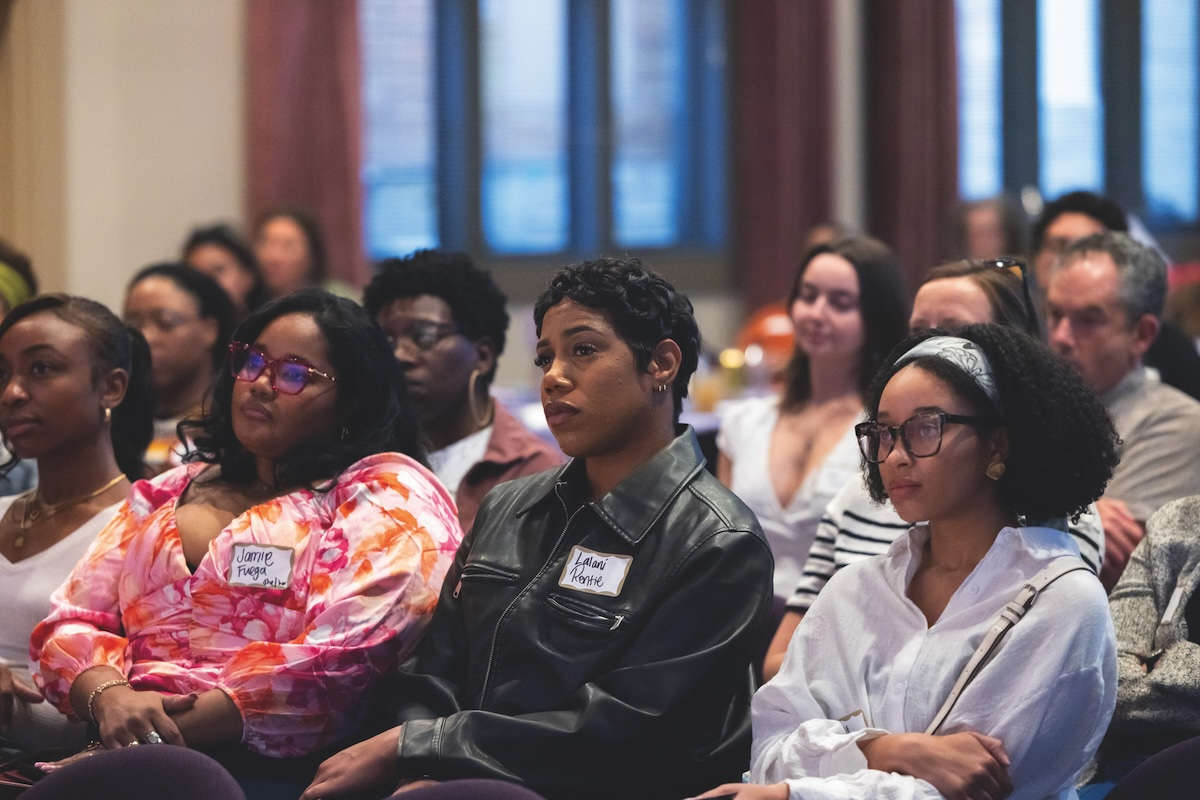
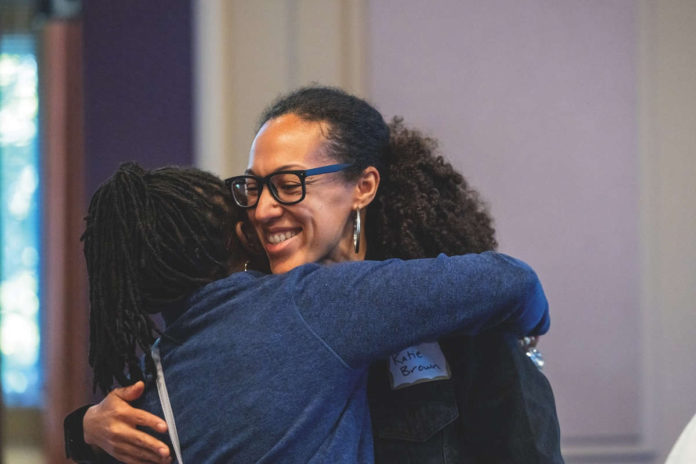
EMPOWERING EVENT A larger turnout than expected at ‘Black Women Speak’ still allowed attendees to ask questions and receive answers from wellness experts. (Photo by Chloe Jackman Photography)

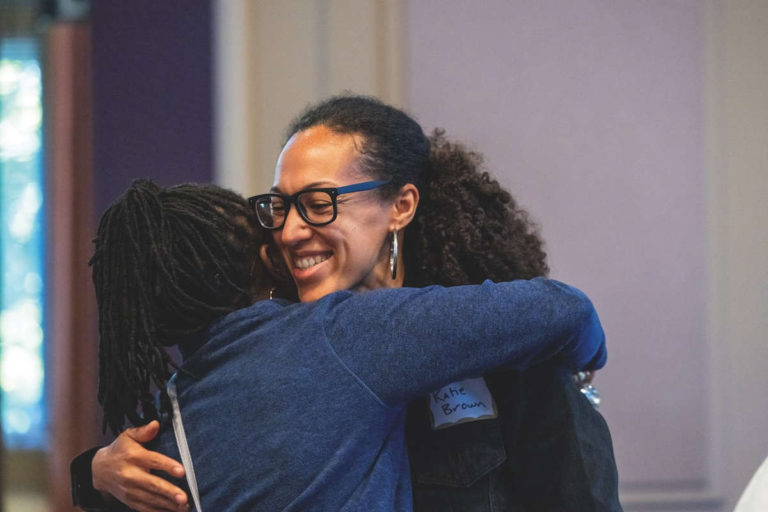
Katherine Brown, M.D., MAS, of the UCSF Black Womxn’s Health & Livelihood Initiative, connected with Bell’s project because of her interest in the lived experiences of abortion for Black women. Her involvement in the storytelling workshop “has guided my work forward,” she said.

“[Black women] are often not mentioned in the stories about ‘choice,’” she said, which more often focuses on the narratives of white feminists. She wanted to be part of de-stigmatizing the experiences of Black women, letting them know that “they are not alone” and that “it’s OK to take care of yourself.”

The overturning of Roe v. Wade has meant, she said, that many women don’t understand that they can still access reproductive care—at least here in California.

All of those interviewed agreed that the storytelling workshop provided multiple benefits for the participants, elicited valuable research information and suggested a path forward for other storytelling events centering around Black women.

“Black women’s pain is unseen in this society,” Riles said. “Just being able to speak your own truth … there is no space for that right now. Research like this needs to be funded. It can be transformative.”

Cobbins said, “I am more open to sharing my story now.” In accord with Riles, she said, “Traditionally, we have not been able to have a voice. [Historically] we haven’t even been able to make our own reproductive choices,” referencing women being used to breed new slaves, and more recently, forced sterilization.

The story of civil rights leader Fannie Lou Hamer provides context: 

“In 1961, Hamer underwent surgery for removal of a fibroid and instead was given a hysterectomy without her knowledge or consent. Hamer found that three-fifths of all Black women from her community, Sunflower County, Mississippi, underwent unwanted sterilization.” 

Brown said that “a goal is to fund [other storytelling workshops] in other areas of healthcare.” She said the May event reinforced the need for speaking out on abortion access, as well as brought together a coalition of people and groups in a “warm and welcoming atmosphere.”

Turnout was larger than expected, and tabling by Planned Parenthood, ACCESS Reproductive Justice, Black Women for Wellness and other groups gave attendees the chance to ask questions and receive answers. “Community members, academics, artists … everyone found it moving to hear women share their stories,” Brown said.

“The event was a wonderful experience. It was empowering. I want women to know that abortion is a reproductive tool for you to use as needed,” Cobbins said.

BLACK ABORTION The storytelling workshop provided multiple benefits for the participants and elicited valuable research information. (Photo by Chloe Jackman Photography)

“Four of us had our films shown that night,” Riles said, adding that the films were followed by a question-and-answer period. “I was able to verbalize where I am now. It’s an ongoing process. I believe women have the right to choose, and standing up and putting my name to something, saying, ‘I made a choice,’ that alone opens me up.”

The anti-choice movement is “about control over women’s reproductive autonomy,” Brown said, “and about controlling the role of women.” She hopes funding will become available to promote more events like “Black Women Speak.”

Bell has authored a paper on the storytelling workshop which will be published in a professional journal, discussing “the impact potential for storytelling to be a powerful tool for intervention.” The focus on storytelling, she said, “invites community participation and collective involvement.”

Beyond that, she said, “We want to use the stories to change people’s thinking. Abortion is a matter of justice, human rights … [they are all] so interconnected with bodily autonomy.”

How to Get Legendary European Cannabis Genetics in the United States

0

Published in cooperation between Pure Atmosphere S.A.M. SL and the East Bay Express

For decades, European cannabis breeders have defined the gold standard in strain development—cultivating legends like White Widow, Blueberry and Eleven Roses. These cultivars shaped global cannabis culture, offering unmatched stability, flavor and potency. Now, as laws evolve and the U.S. market matures, American growers are increasingly eager to access this genetic goldmine. But how can you legally and reliably get your hands on these strains?

Why European Genetics Still Reign

While California and Oregon have become hotspots for modern breeding, Europe—especially the Netherlands and Spain—laid the foundation. Legendary seed banks like Dutch Passion, Green House Seeds, Barney’s Farm and Delicious Seeds are known for decades of stabilized phenotypes, rich terpene profiles and consistent performance. White Widow, bred in Amsterdam, remains a best-selling hybrid around the world, while Blueberry and Super Lemon Haze continue to inspire new crosses in North America and beyond.

European breeders have long prioritized genetic resilience and reproducibility, often working with landraces and heirloom lines to create cultivars ideal for both therapeutic and recreational use.

Is It Legal to Buy European Seeds in the U.S.?

In 2022, the U.S. Drug Enforcement Administration (DEA) clarified that cannabis seeds are federally legal if they contain less than 0.3 percent THC—classifying them as hemp. This ruling opened the door for U.S. consumers to legally purchase cannabis seeds, including from international seed banks, for collection, research or souvenir purposes.

However, growing cannabis is still regulated at the state level. Cultivation is permitted in legal states like California, Oregon and Michigan, but remains prohibited in others. Knowing your local laws is crucial before germinating any imported seeds.

How to Access European Cannabis Genetics from the United States

Thanks to evolving policy and international shipping services, it’s easier than ever to access high-quality European seeds:

  • Trusted seed platforms such as Herbies Seeds offer a curated selection of European genetics and ship discreetly to the United States
  • Licensed dispensaries in legal states occasionally carry imported seed lines from European breeders.
  • Cannabis expos like Spannabis and MJBizCon give growers direct access to breeder-exclusive strains.
  • Online communities including Reddit’s r/microgrowery often share sourcing tips and breeder reviews.

Be sure to verify breeder authenticity and avoid white-label seed sellers, especially on secondary marketplaces.

Top European Strains Worth Chasing

  1. White Widow (Green House Seeds)—Balanced hybrid with euphoric, social effects and great indoor yields.
  2. Eleven Roses (Delicious Seeds)—A powerful Indica-dominant hybrid combining deep body relaxation with rich notes of fruit and metal, known for its striking appearance and high resin production.
  3. Super Lemon Haze (Green House Seeds)—A multiple Cannabis Cup winner, famous for its zesty lemon flavour, uplifting high and reliable performance indoors and out.
  4. Blueberry (Dutch Passion)—Terpene-rich, colorful and calming—a foundational strain for dessert-flavored hybrids.
  5. Purple Punch (Barney’s Farm)—An Indica-dominant hybrid known for its candy-sweet aroma, deep relaxation and striking purple hues—a popular dessert strain with broad U.S. appeal.

These strains offer a range of effects, growth traits and terpene profiles that have stood the test of time, now finding new life in American grow tents and breeding projects.

Risks and Best Practices

Though seed access is growing, U.S. buyers must remain cautious:

  • Choose reputable platforms with verified genetics and good shipping track records.
  • Understand your state’s laws to avoid legal pitfalls related to cultivation.
  • Keep purchase records to track phenotypes and authenticate genetics.
  • Store seeds properly to preserve viability, especially for long-term use.

Growers should also consider documenting their cultivation journey to track how these European genetics perform under American conditions.

Beyond Seeds: Culture and Craft

Accessing European genetics isn’t just about yield or THC percentage—it’s about connecting with a history of underground resilience, breeding artistry and global collaboration. Many European breeders began during prohibition eras, crafting stable genetics in basements and greenhouses long before legality took hold.

In theUnited States, interest in “heritage strains” is growing as consumers seek authenticity, legacy and flavor over sheer potency. American breeders are increasingly crossing European classics with U.S. innovations, creating hybrids that honour both regions.

A Cross-Continental Opportunity

As the global cannabis market expands, the legal exchange of genetics between Europe and the United States will likely grow. With federal hemp guidelines, U.S. buyers now have the chance to collect, study and even cultivate legendary strains—provided they follow state law. Whether for personal appreciation or future breeding, European seeds represent more than just plants—they’re cultural artifacts with decades of careful selection behind them.

By blending European heritage with American innovation, the next era of cannabis could be more global, nuanced and genetically diverse than ever before.

What are the Best Clinics for a Hair Transplant in Turkey?

Published in cooperation between Cosmedica and the East Bay Express

The famous former footballer Wayne Rooney once stated, “Just to confirm to all my followers, I have had a hair transplant. I was going bald at 25. Why not? I’m delighted with the result.” Like Rooney, millions of people are turning to hair transplant surgery. It is a proven and permanent solution for hair loss. In recent years, hair transplant in Turkey has become a global trend. 

Clinics like Cosmedica in Istanbul, Turkey, are at the forefront of the hair transplant revolution. They use advanced hair transplant techniques like the Micro Sapphire DHI method to ensure natural-looking results. After all, if hair truly is everything, choosing the best care possible makes perfect sense. 

So, let’s take a look at why Turkey is rising up to be the leading destination for hair transplants and five of the best hair transplant clinics in Turkey. 

Why Turkey? The Growing Popularity of Hair Transplants 

Turkey has gained immense popularity in the medical tourism industry as a safe destination for hair transplantation surgery. But what is the main attraction of a hair restoration in Turkey? Let’s find out below:  

  • Affordability 

One of the best things about getting a hair transplant surgery in Turkey is how affordable it is. In the U.S., a hair transplant can cost anywhere from $10,000 to $12,000 depending on the procedure and numbers of grafts. But if we move away from the U.S. and go to Turkey, the prices drop down significantly.  

A Turkey hair transplant cost mostly changes based on the number of grafts and the method used for the graft. At Cosmedica, a hair transplant cost ranges from $2,750 to $3,650 for 4,000 grafts. Because of low operative costs in Turkey, a high-quality surgery can be done for a fraction of the cost. 

  • Modern Techniques 

Although there are various methods for hair transplants, modern techniques can ensure optimal results. Cosmedica Clinic in Turkey is one of the top hair transplant clinics in Istanbul, the country’s capital city. The clinic offers modern FUE or Follicular Unit Extraction method and the DHI Direct Hair Implantation technique. The method opens microchannels in the scalp with a sapphire blade, which minimizes trauma and scarring. This method is great for achieving a natural hairline with incredible accuracy. 

  • Experienced Surgeons 

Highly skilled surgeons are at the forefront of hair transplant innovations in Turkey. Hair transplant surgeons like Dr. Levent Acar are at the forefront of innovation in Turkey. Dr. Acar is the founder of Cosmedica Clinic, and he has more than 16 years of experience as a hair transplant surgeon. He has invented a special DHI implanter pen for a more precise transplant of grafts.  

  • All-Inclusive Packages 

Clinics offering hair transplant procedures in Turkey try to ensure that the patients have the best experience. Cosmedica’s packages include: 

  • Airport pick-up and VIP transfer services 
  • Luxury 4- or 5-star hotel accommodation 
  • Translator assistance throughout the stay 

After you arrive in Turkey, you will go for your first consultation and preoperative blood tests. After the surgery, you will also get extensive post operative care and medication, along with platelet rich plasma therapy. 

  • Technological Innovation  

Turkey’s hair transplantation services are very technology driven. The hair plug procedures are conducted using the latest tools to improve graft survival and ensure natural looking results: 

  • Sapphire Blade: One key advantage is the use of sapphire blades rather than traditional steel. Sapphire allows for smaller, more precise cuts for faster recovery and more densely packed grafts. 
  • DHI Pen: The DHI pen protects the healthy hair follicles during insertion. Unlike older methods, this pen allows transplantation and implantation in one step. It ensures minimal damage and improves the chances of graft survival. 
  • State-of-the-Art Facilities 

The quality of a hair transplant depends heavily on the facilities such as the instruments, the quality of the operating rooms and the patient rooms as well. The state-of-the-art technology and facilities in Turkey can ensure an overall pleasant experience, not to mention a higher quality of transplant. 

Which Clinics in Turkey Are the Best for Hair Transplants? 

Choosing a hair clinic in Turkey is crucial. The reputation of the clinic, surgeon expertise and international certifications play a critical role. Accreditation by respected bodies such as the International Society of Hair Restoration Surgery (ISHRS) or Joint Commission International (JCI) ensures adherence to global medical standards.  

Cosmedica Clinic 

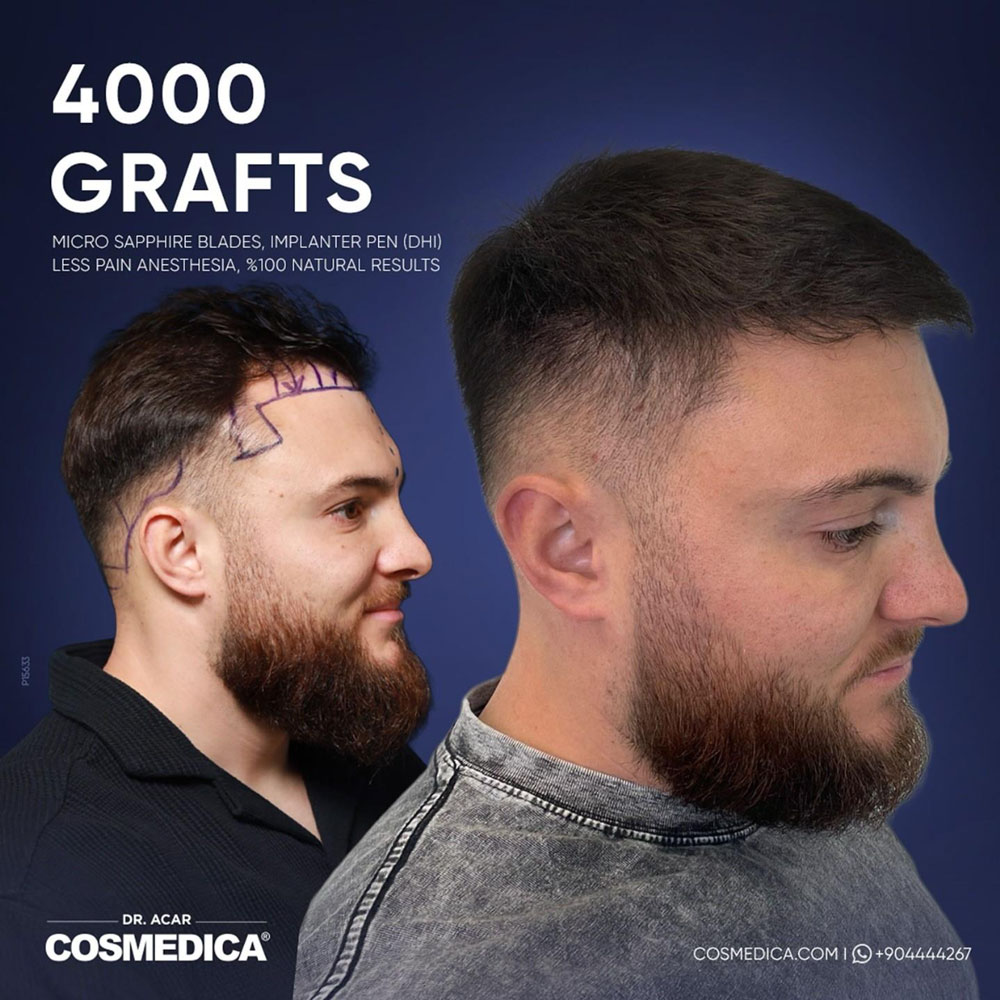
Best hair transplant clinics Turkey, Cosmedica
Explore the transformation from a hair transplant in Turkey at Cosmedica

Explore the transformation from a hair transplant in Turkey at Cosmedica 

Cosmedica Clinic in Istanbul, Turkey, is one of the largest hospital groups in Turkey with a high number of accreditations. The clinic follows globally recognized medical protocols for safety, so it is very comparable to those in Western countries. Let’s look at all the exceptional services that sets Cosmedica apart. 

  • DHI Sapphire Technique 

As the founder of Cosmedica, Dr. Levent Acar pioneered a cutting-edge hair transplant technique called Micro Sapphire DHI. This technique ensures the growth of healthy hair follicles and minimal downtime. 

  • 98 percent Success Rate 

Cosmedica Clinic has performed over 20,000 hair transplant surgeries. Its innovative hair transplant technique has a 98 percent hair growth rate, making it the best hair transplantation surgery in Turkey. Therefore, it has a high number of patient success stories and impressive results.  

  • English Speaking Staff 

Cosmedica has a high rate of international patients. Therefore, the clinic has all English-speaking doctors and medical staff. This inclusion makes communication between you and the medical team much easier. 

  • Comprehensive Packages 

Cosmedica provides five-star hotel accommodation, transportation and post-operative care. Cosmedica provides all these amenities in the transplant package cost.  

Other Top Hair Transplant Clinics in Turkey 

NimClinic 

NimClinic is located in Istanbul, Turkey. The clinic offers the FUE method, hybrid techniques and no-shave options. Their packages typically include surgeon-led procedures, a hospital setting, blood tests, luxury hotel stays and VIP transfers. While their FUE method is not as specialised as DHI Sapphire, it remains a reputable option.  

Este Favor Hair Transplant 

Este Favor is a popular clinic among European visitors and is situated in the heart of Istanbul. It focuses on hair implantation procedures for both men and women. The clinic specializes in DHI methods, including hybrid FUE plus DHI. While outcomes vary, many patients report satisfactory density and improved confidence post-treatment. 

Estetik International 

Estetik International is a luxury medical center in Turkey. The clinic was founded by a hair transplant surgeon, Dr Bülent Cihantimur. The clinic offers VIP services, including Sapphire FUE, Organic, and FUE hair transplants (with stem cell support). 

Turkeyana Clinic 

Turkeyana Clinic provides a broad range of hair transplant services. It is  famous for its detailed scalp analysis and comprehensive aftercare for transplanted hair. Its postoperative regimen even includes elevated sleeping, saline sprays, ointments, and followup support. Their staff is also English-speaking and knowledgeable about the entire hair transplant process. 

What to Expect During the Hair Transplant Procedure in Turkey 

Getting a hair transplant in Turkey involves a series of steps to restore natural hair growth. For example, at Cosmedica Clinic, the procedure involves the following steps: 

  • Initial Consultation: At Cosmedica, the process of hair transplants begins with a hair analysis.  
  • Hair Transplant Surgery:  First, the donor area is prepared by trimming or shaving the hair. Then, tiny incisions are created in the recipient area. The surgeon implants the extracted hair grafts into the prepared incisions in the recipient area.  
  • Postoperative Care Instructions: After the surgery, the patient receives compassionate post-operative care and a detailed guide to achieve natural-looking results. 

Conclusion 

A hair transplant in Turkey is more affordable than most Western countries. The quality of hair transplants is also top notch, and it is best showcased through before-and-after results. You can take a look at the hair transplant in Turkey before and after gallery to see the results for yourself. 

But hair restoration can be a very daunting journey, however good the hair transplant results may be. So, choosing the best service for your hair is difficult. Cosmedica Clinic can make that journey a bit easier for you. Its cost effective, all-inclusive packages ensure your health, wellbeing and comfort. 

Free Will Astrology: Week of Aug. 20

Free Will Astrology: Week of Sept. 17
ARIES (March 21-April 19): When glassmakers want to cool a newly blown piece, they don’t simply leave it out to harden. That would cause it to shatter from the inside. Instead, they place it in an annealing oven, where the temperature drops in measured increments over many hours. This careful cooling aligns the internal structure and strengthens the whole....

Feral lawns grow in the Bay Area

Feral lawns grow in the Bay Area
On a quiet corner in a North Berkeley neighborhood sits a house with a front lawn that looks more like a meadow than a yard. Tall grasses spill over onto the sidewalk, bees buzz between wildflowers and the sour tang of compost lingers near a row of potted plants. It’s not the conventional lawn one sees on TV. There’s...

Still got the moves

Still got the moves
Of all the midlife betrayals for women—ageist algorithms, hot flashes, chin hairs—perhaps the worst is the myth that we’re no longer fun. And that we don’t deserve a night out with friends. Laura Baginski, 49, a former magazine editor in Chicago, feels middle-aged women just need to go out at a more reasonable hour. “I was going to a lot of...

Social Eyes: Week of Aug. 14-20

Social Eyes: Week of Aug. 14-20
THURSDAY, AUG. 14 JAZZ ZSIGMOND GERLOCZY At 29, Hungarian pianist Zsigmond Gerloczy has cut a fascinating musical path far beyond his native Budapest. A dedicated improviser inspired by jazz but also deeply engaged with currents flowing through Viennese classicism, baroque, post-romanticism, funk and pop, he’s performed spontaneously generated solo recitals since he was a child. A fall visit with his supreme idol,...

How Digital Platforms Reshape the Local Economy in the East Bay

Digital platforms East Bay
Published in cooperation between The Birthplace of Hockey and the East Bay Express Walk down any street in Oakland or Berkeley and it’s clear: The East Bay’s economic landscape is changing fast. From food delivery apps to remote work and online marketplaces, digital platforms are transforming how residents earn, spend and connect. But what does this mean for our local...

The Top 5 Sexting Apps in 2025: Which One Is Best?

Best sexting apps
Published in cooperation between Chat Reviews and the East Bay Express Virtual hookups have gained the legitimacy they deserve, and that means that sexting apps are everywhere. Finding the best one is subjective, depending on whether you prioritize value, connection, on-demand chats or realism. Here’s what you need to know to skip the scammy sites and find the one that...

The Top Six Best Sex Chat Platforms in 2025

Best sex chat platforms
Published in cooperation between Chat Reviews and the East Bay Express Finding the best sex chat is not as straightforward or as pleasurable as it might sound. People often waste time on boring conversations, talk to an AI-driven bot or hit dead end after dead end. Finding a sex chat site that has real people and isn’t just collecting and...

Right to choose—and speak

Right to choose—and speak
On May 29, in Oakland’s Preservation Park, an event showcasing storytellers took place. Unique about this particular storytelling event were the topic and participants: “Black Women Speak: An Abortion Storytelling Showcase” featured four Black women speaking out on video about their personal abortion experiences, the culmination of a digital storytelling workshop led by April Bell, Ph.D, an assistant professor...

How to Get Legendary European Cannabis Genetics in the United States

European cannabis strains
Published in cooperation between Pure Atmosphere S.A.M. SL and the East Bay Express For decades, European cannabis breeders have defined the gold standard in strain development—cultivating legends like White Widow, Blueberry and Eleven Roses. These cultivars shaped global cannabis culture, offering unmatched stability, flavor and potency. Now, as laws evolve and the U.S. market matures, American growers are increasingly eager...

What are the Best Clinics for a Hair Transplant in Turkey?

Best hair transplant clinics Turkey, Cosmedica, Dr. Levent Acar
Published in cooperation between Cosmedica and the East Bay Express The famous former footballer Wayne Rooney once stated, “Just to confirm to all my followers, I have had a hair transplant. I was going bald at 25. Why not? I'm delighted with the result.” Like Rooney, millions of people are turning to hair transplant surgery. It is a proven and...
19,045FansLike
17,709FollowersFollow
61,790FollowersFollow