
Film photography rebounds amidst a sea of digital images

On Saturday, Sept. 6, Black & Brown in San Jose transformed into a gallery alive with analog energy. Eric Weiss’ portraits of ’80s and ’90s icons, from Madonna to Tupac, hung beside rows of restored vintage cameras, including Leicas, Nikon rangefinders and large-format machines. At the center of the exhibit stood two men: Weiss, the photographer who captured the pulse of New York’s cultural heyday, and Tomek Mackowiak, a Bay Area craftsperson dedicated to reviving the tools of film photography.

Their collaboration was not just about nostalgia. It was a meditation on memory, patience and the tactile joy of film in a digital world, reminding us that slowing down can be the boldest act of all.

Weiss’ journey into photography began suspended between boyish play and artistic awakening. Babysitting younger cousins as a 12-year-old, he detected a glow of alchemy in his cousin’s makeshift darkroom, a moment he describes as luminous and irrevocable. Books his mother kept at home, with anthropological photographs, further fueled his desire to see how others lived and to traverse worlds via images. A security gig at the Brooklyn Museum brought him face-to-face with a Life photographer’s exhibition—Eliot Elisofon’s African reportage—and crystallized his path.

“It was like a miracle, seeing a blank sheet of paper suddenly having an image on it,” Weiss said, romanticizing his first experience in a darkroom at his cousin’s house.

By his early 20s, Weiss was deeply immersed in New York’s frenetic rush for celebrity and fashion. Without formal pathways into the glossy magazines, he navigated through event PR networks, offering to photograph events for agencies so his work could be seen and run in Women’s Wear Daily. One morning after photographing a high-profile event, he delivered contact sheets to the editor, who not only published them but told him he’d like to hire him for future projects. That day marked the start of a career spanning Vogue, The New York Times and behind the velvet ropes of pop culture’s upper echelon.

Before long, Weiss found himself brushing shoulders with the elite. Not every encounter was pleasant—he recalls moments of rudeness, like a sour exchange with Madonna—but others left him with lasting warmth. While photographing backstage at the Grammys for the Times, he crossed paths with Beyoncé. Expecting a carefully guarded star, he was struck instead by her openness. When he asked to take her portrait, she agreed without pretense, leaving him with an impression that stayed with him.

“She was so just so polite and was like, ‘I hope it turns out good,’” he said.

What propelled his work from snapshots to artifacts was his approach: Like a surfer, he waited for the perfect wave—the decisive visual moment. Surrounded by photogs flashing relentlessly in the chaos of film-era event lighting, he learned to be quiet, respectful, invisible, patient.
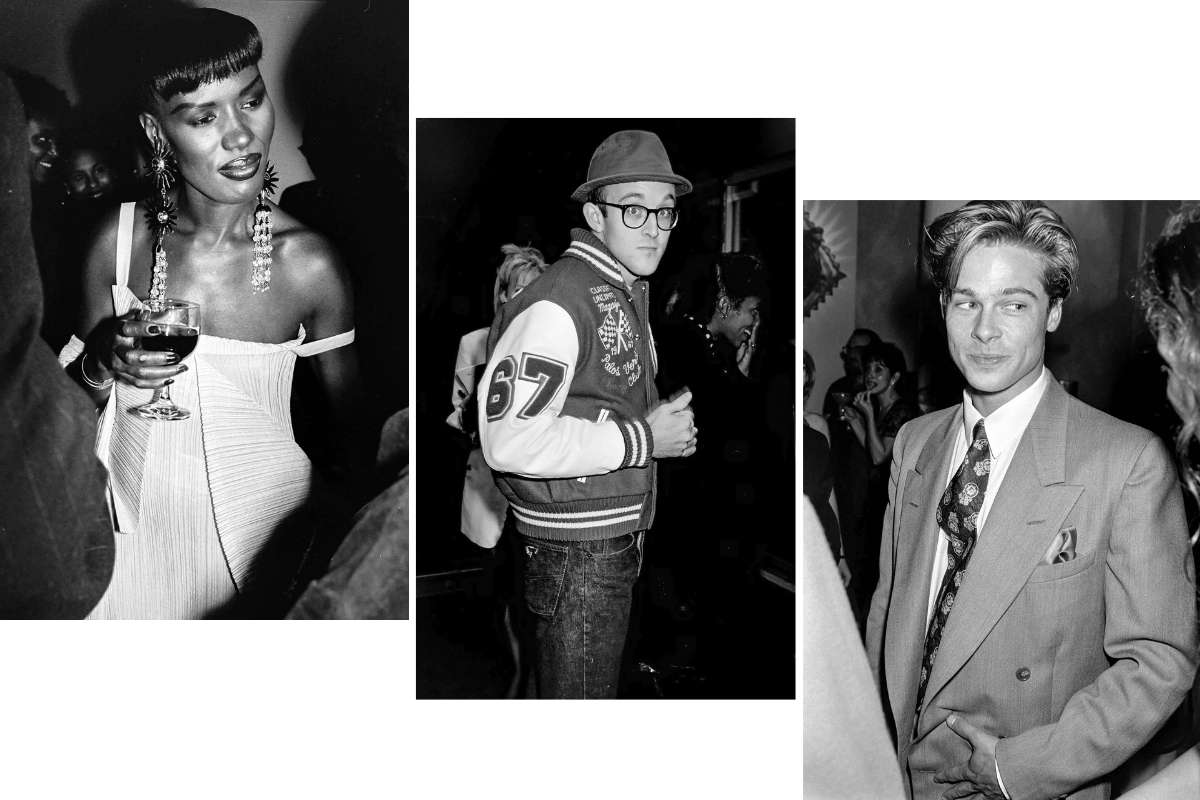
BACK TO ANALOG Eric Weiss’ vintage portraits—including shots of Grace Jones, Keith Haring and Brad Pitt—were on view at Black & Brown in San Jose. (Photos by Eric Weiss)

Even today, Weiss shoots film not for nostalgia but for its mindful precision. And though the process is more involved than digital, the photography veteran declares that film remains gratifying. While portraiture is still his first love, he now mostly captures Northern California’s landscapes for pleasure.

“I love going out to Death Valley and chasing the light with a 4×5 view camera,” Weiss said.

Film photography’s decline was dramatic but not total. In the U.S., photography reporter Pete Brook discovered sales of film cameras plummeted from 19.7 million units in 2000 to under 250,000 by 2010. Camera brands, labs and empires disintegrated. Kodachrome processing ended in 2010, and the last roll was developed in a Kansas lab in January 2011, according to KANSAS! Magazine.

But analog isn’t dead, and the market has slowly revived. By 2023, global film production rose 18% year-over-year, distributing more than 20 million rolls worldwide, according to Market Growth Reports. Gen Z and millennials are embracing film for its authenticity, imperfections and “romantic mistakes” like grain and light leaks, journalist Ellie Violet Bramley reported last year.

Why? It’s not just visuals; it’s the process. Film photography demands presence: manual loading, focused composition and timed exposures. Both Mackowiak and Weiss say that “digital fatigue,” “dopamine overload” and the desire for slow craft propel film’s resurgence. Analog photography offers delayed gratification, mindfulness and a tangible artifact in a commodified digital flood.

Yet constraints remain: Fewer than 1,200 full-service labs worldwide (in 2023), processing delays and rising costs challenge the analog revival, another Market Growth Report states. Still, art schools, workshops and analog festivals are growing fast. East Bay Photo Collective, for example, is an Oakland-based nonprofit aiming to provide inspiration, education and community through photography.

Mackowiak’s relationship to film is hands-on. A self-identified technical person, he found grounding in the analog process when other art forms like painting proved too challenging for him. He shoots plenty in his free time, but his main focus is vintage camera collection. Mackowiak collects, repairs and rebuilds everything from World War II-era Leicas to medium- and large-format systems, with the hope of providing film photographers with access to working tools.

“It’s my little way of giving back to the film community,” he said.

He sees analog photography as an accessible form of high art. One roll only yields one or two perfect frames—but those frames become cherished and more meaningful. Film demands precision, offers physicality and gives emotional rewards that the fast shooting nature of digital cannot, he argues. In a world of instant everything, Mackowiak says analog is deliberate beauty.

Mackowiak invited Weiss into what began as a solo camera show because he admired his extensive body of high-profile work. On Sept. 6, attendees browsed grids of Weiss’ celebrity portraits—fashion icons, musicians, political figures. They also saw Mackowiak’s restored vintage cameras. The two photographers want the show to inspire people desiring to learn more about the world of film.

“I hope people can feel that my work touches a part of their soul,” Weiss said.
He quit Hitler

0

Truth & Treason arrives in local theaters on the heels of Raoul Peck’s smashing documentary, Orwell: 2+2=5. That’s two anti-authoritarian films in a row at a time when most of us need a wake-up call.

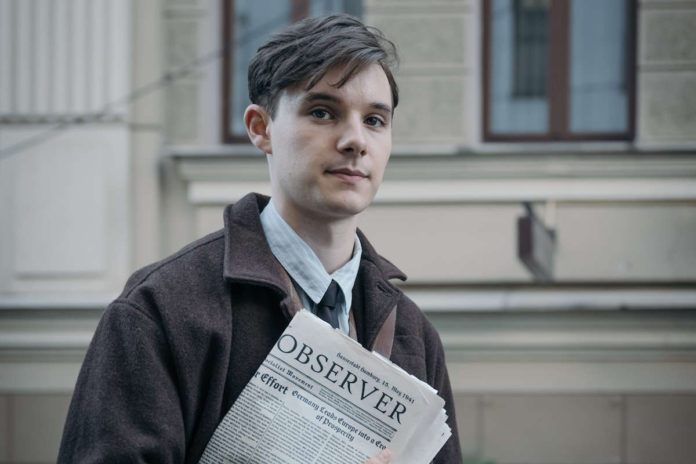
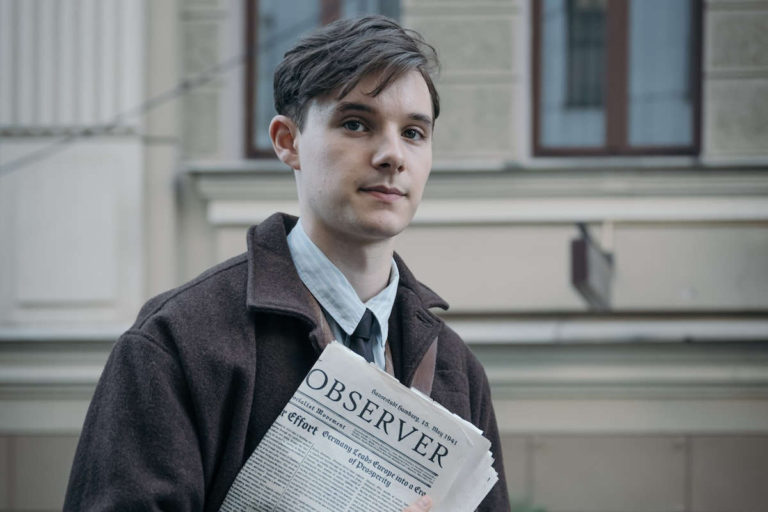
Helmuth Hübener, the 16-year-old protagonist of Matthew Whitaker’s historical political drama, Truth & Treason, isn’t very big for his age. He and his friends in Hamburg go swimming, horse around with each other and shyly make eye contact with girls their age. But otherwise the slender, bookish Helmuth (played by British actor Ewan Horrocks), son of an army officer and a quiet hausfrau, is seemingly an ordinary adolescent onlooker as Germany wages war in 1941.

He’s more interested in his job at the city hall bureau of records and his new acquisition, a contraband shortwave radio, which is strictly forbidden by the Third Reich and for which possession of one is punishable by death.

Director Matt Whitaker—who made the American GI war movie Saints and Soldiers as well as a separate documentary on the Hübener story, Truth & Conviction—and his co-scenarist, Ethan Vincent, handle Helmuth’s threatening predicament straightforwardly, without stylish digressions. Nazi Germany is an unforgiving environment for an idealistic kid. One day a boy could get beat up by aggressive Hitler Youths, the next he could discover that the popular novels of Thomas Mann have been banned.

Helmuth and his family belong to the Church of Jesus Christ of Latter Day Saints. The pastor informs his congregation that “Jesus was a revolutionary,” but it’s shown that ordinary Germans don’t know much about Mormons or their beliefs—other than that they don’t really belong. Helmuth’s Jewish friend, Salomon (Nye Occomore), also gets singled out for the hate treatment. That’s already enough to warn a young man that anyone might be challenged by police just for walking home alone at night. Helmuth increasingly relies on clandestine BBC broadcasts for information, trusting his comrades and his own increasingly daring instincts.

Quite naturally the idea of active resistance dawns on him, particularly the tactic of fashioning homemade red leaflets criticizing the Führer and the war, then posting them on city streets after hours. Meanwhile, the teenager’s pamphleteering efforts attract the notice of a doggedly efficient Gestapo officer named Mussener (Rupert Evans). Mussener won’t let go of the case. In typical war-movie terms it’s only a matter of minutes before Helmuth gets picked up, forced into a confession, convicted of treason and sent to the guillotine.

Truth & Treason is not a detective procedural, it’s the intimate personal history of a conscientious resistor, neither cunning nor bloodthirsty, who can no longer silence his inner voice, at the risk of his life. In the audience we cringe, constantly dreading the time when the door is kicked in and the foolhardy objector is hustled off to a secret police torture chamber. Anyone who has heard the story of Pastor Martin Niemöller, or perhaps seen A Hidden Life, The White Rose, or any of the numerous anti-Nazi dramas from Hollywood in the 1940s, should know what to expect.

The real-life case of Helmuth Hübener parallels that of his contemporary Sophie Scholl, a university student from Munich whose similar anti-fascist beliefs—she and her brother Hans founded the White Rose Society after questioning the Third Reich’s philosophy—also led them to distributing leaflets as an act of nonviolent resistance.

Scholl, her brother and a third leaflet dropper ultimately suffered the same fate as Hübener, in 1943. But Scholl’s writings, smuggled out of Germany and published after her death, went on to inspire global admiration and several TV and movie treatments of her story.

The spark of Scholl’s resistance informs filmmaker Whitaker’s equally nervewracking dramatic account of the “crimes” of Helmuth Hübener. As a cautionary tale for our time, Truth & Treason succeeds on its realistic performances and its urgent energy. Whether it turns out to be a dire forecast of the future remains to be seen.

* * *

In theaters

Melanie DeMore sings ‘Songs of Comfort’

1

There’s a sense of urgency in Melanie DeMore’s voice when she speaks about music, like she’s found a cure to all the world’s problems. Music is more than just sounds: It’s power, connection and nourishment, the award-winning Oakland vocalist says in one breath.

It’s this belief that inspired DeMore’s latest 14-track album, How to Hold On: Songs of Comfort and Solace, which debuted last month. Performed a capella by DeMore and the Minnesota choral group VocalEssence, each song aims to instill a sense of peace in the listener. The original melodies are inspired by a mix of spirituals, lullabies and folk songs.

“We need songs of comfort and solace to hold us together when everything seems to be falling apart,” DeMore said.

DeMore, whose accomplishments include being a notable music educator, activist and founding member of a Grammy-nominated vocal ensemble, said the album arrives at a time of fear and uncertainty. Her original music weaves together elements of African-American folk music, soulful ballads and spirituals.

DeMore and VocalEssence recorded How to Hold On live earlier this year in Minnesota. Since its creation in 1969, the choral organization has debuted more than 300 commissions and world premieres. In the past, DeMore collaborated with VocalEssence to run local music workshops and community engagement activities.

The album is “truly exceptional,” VocalEssence founder and Artistic Director Philip Brunelle said. He added, “These are songs that capture our ensemble singers in rare form, singing with such a simple and powerful feeling of communion with one another.”

DeMore and VocalEssence recently hosted a listening party in Minnesota which celebrated music while prioritizing comfort. Guests settled in soft chairs as DeMore told stories related to each song and sang live with the ensemble. The goal was to create an atmosphere of relaxation that reflected the album’s vibe, DeMore said. 

“These songs help us to continue to breathe,” DeMore said. “Many people don’t realize that we’re holding our breath, and we’re so balled up in anxiety.” 

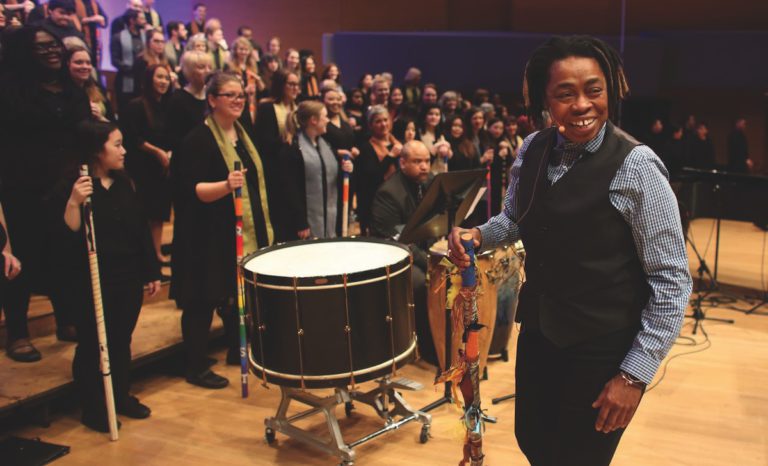
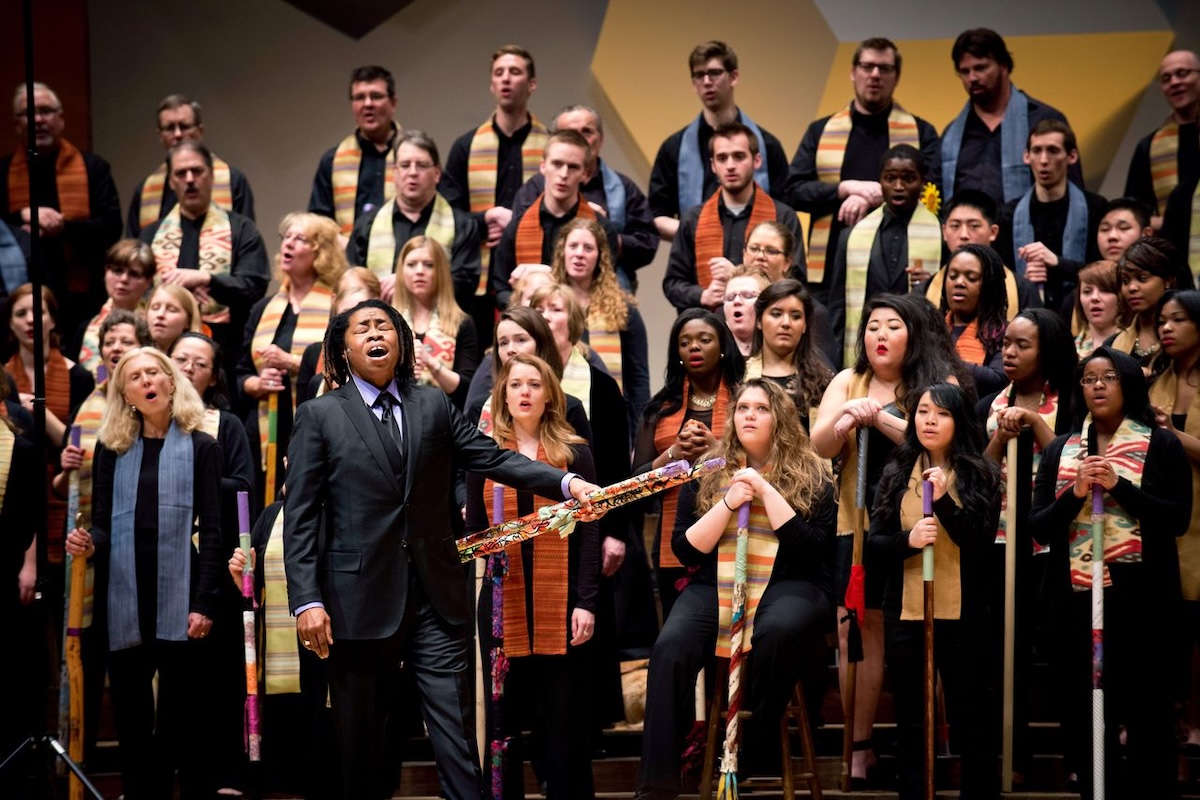
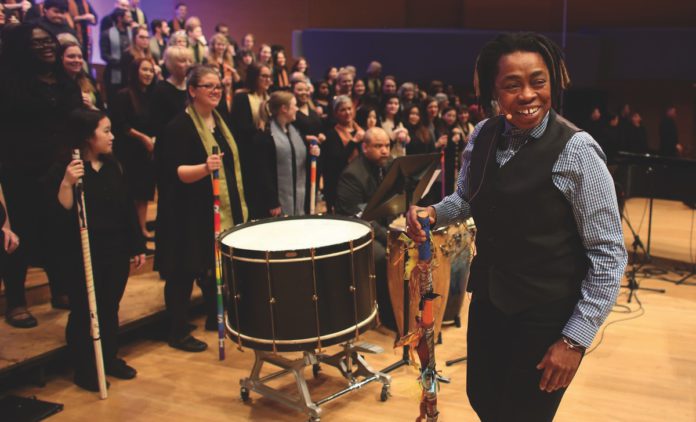
INSTILLING PEACE Melanie DeMore performs a capella with the Minnesota choral group VocalEssence on the album, ‘How to Hold On: Songs of Comfort and Solace.’ (Photo by Bruce Silcox)

Born in New York, and raised in Alaska and Texas, DeMore’s love of music was a constant in her life thanks to her parents, who started in one of the first Black theater groups in Alaska in the early ’60s.

At Incarnate Word University in San Antonio, Demore majored in flute, piano and music history. Her music endeavors included working as a studio musician, becoming a member of a melodrama company and singing in the all-women’s Black a cappella group, Scintilla. She even dabbled in writing music for theater performances and singing in commercials.

For a while, DeMore lived in New Mexico before heading west in 1989. She settled on Oakland, encouraged by the city’s famous women-owned recording companies. She quickly embraced the city’s collaborative music scene and activism culture.

“[The city] is alive in a real, scrappy and raggedy way,” she said. “I love that.”

Prior to How to Hold On, DeMore released two solo albums, Share My Song in 1992 and In The Mother House in 2012.

In between producing solo work, DeMore hosts local music workshops for professional and community-based choral groups. Some of her programs include a crash course on Gullah Stick Pounding, which incorporates foot stomping and hand-clapping to create rhythms. She also offers “Sound Awareness” workshops in schools, prisons and youth organizations. Guided by DeMore, participants look at the influence of the media through the arts and how media shapes their minds and interactions with others.

Her list of community activities includes a decade-long stint as a California artist in residence with the Oakland Youth Chorus, and teaching a capella singing at St. Paul’s School in Oakland. She has been recognized by the Music Educators National Conference for her work with singers and artists.

She is also a founding member of the Grammy-nominated ensemble, “Linda Tillery and the Cultural Heritage Choir,” a group that tours extensively in the U.S and abroad. 

No matter who she works with, DeMore said music keeps them together and connected.

“That’s the power, right there,” she said.

Welcome Strawberry recalls flowers and memories

0

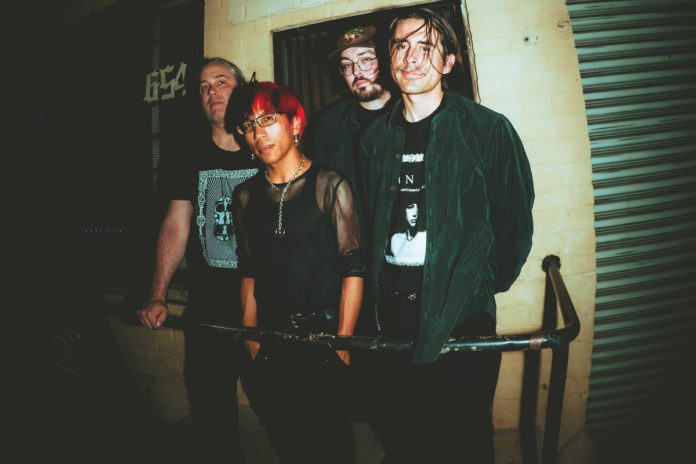
Cyrus VandenBerghe, the artist behind Welcome Strawberry, has been making music since he picked up the violin in grammar school.

“I started playing on a whim,” he said. “My elementary school offered music lessons and, when deciding what instrument I wanted to pursue, I landed on violin. They said it was the hardest, so I was like: ‘That’s the one for me.’ Eventually, one of the kids I played violin with brought a guitar in for us to check out. I switched to guitar after seeing him play a couple of power chords.”

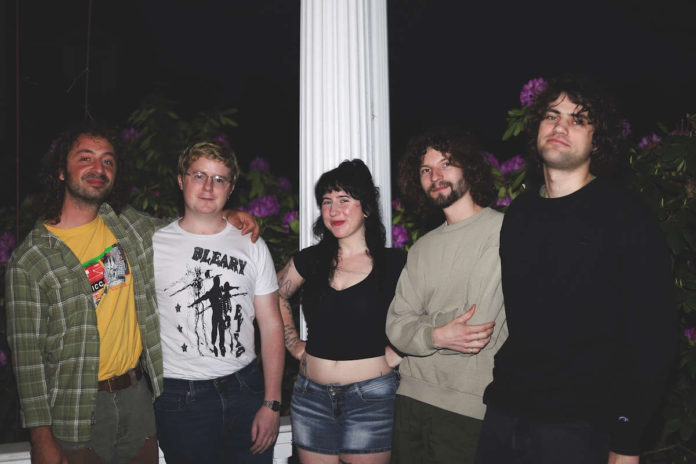
VandenBerghe plays in several bands, including Still Ruins, another long-running project. His bandmates in Still Ruins, guitarists Jose Medina and Frankie Soto, write most of the music for that outfit. In Welcome Strawberry, he’s the main creative force.

“Both bands are influenced by similar genres, but we go in much different directions stylistically,” VandenBerghe said. “Welcome Strawberry is more psychedelic and sinuous, while Still Ruins is more polished and precise.”

Desperate Flower, the recently released Welcome Strawberry album, is a slight departure from the band’s self-titled debut. “The main difference was recording and collaborating with my friend Rex John Shelverton,” VandenBerghe said. “He co-produced, and has a different view on recording and mixing than everyone else I’ve worked with. He’s a mad scientist for sure.” Shelverton added the sound effects that helped shape the overall sound of the record. 

The album title is an oblique reference to the direction the music took as it evolved. “I had the luxury of letting these songs steep for a while, to allow new ideas to emerge,” VandenBerghe said. “As songs started to materialize, I noticed I was referencing flowers and memories a lot. The title just felt right.

“A desperate flower could be one that is struggling to bud and bloom,” he added. “Or it could be one wilting and holding on for dear life. Most importantly, I liked the way it sounds.”

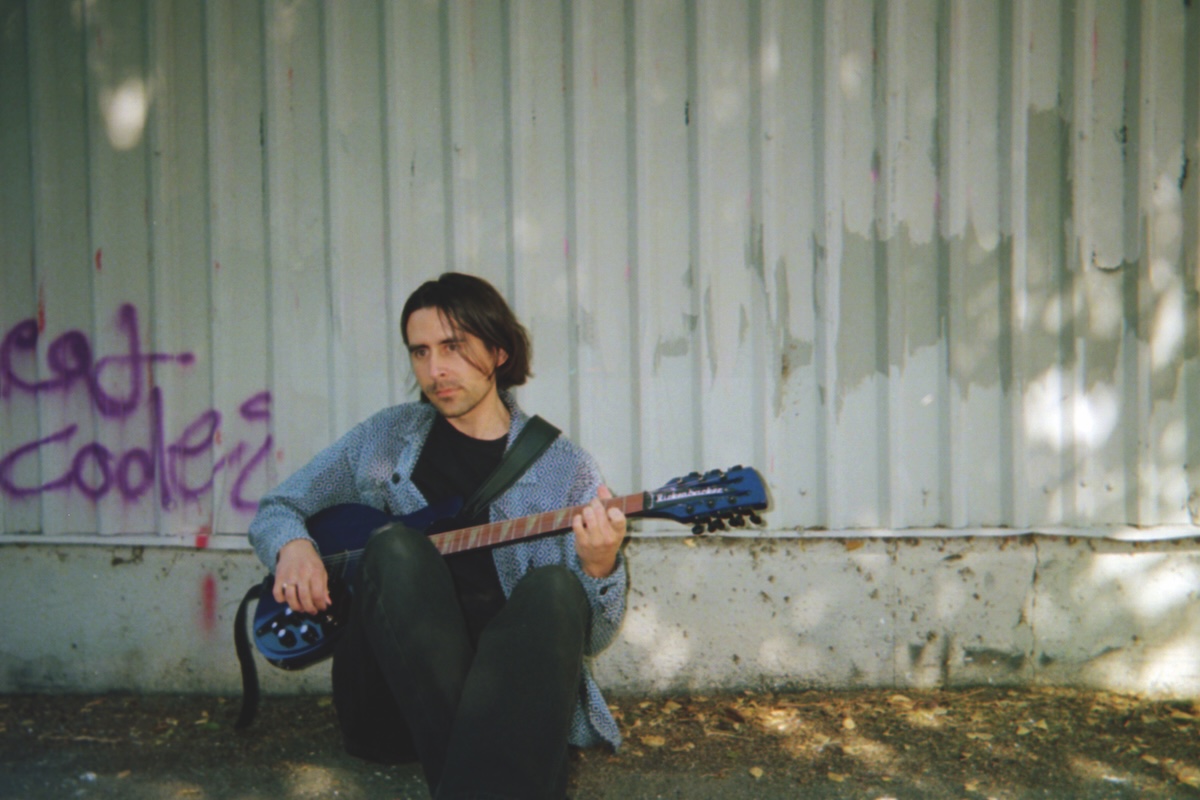
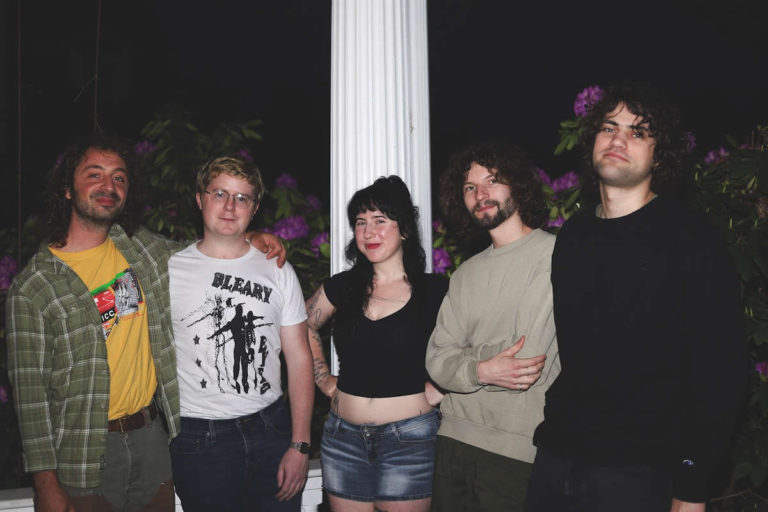
MUSIC LESSONS Like most alternative psychedelic/shoegaze indie-rockers, Cyrus VandenBerghe started off playing the violin. (Photo by JB Lenar)

The music took several years to come together, with VandenBerghe experimenting in his home studio until everything coalesced. “I have a rudimentary setup,” he said. “I played everything including drums, bass and synth.

“The exceptions are the percussion and effects Rex added and the harmony vocals Ryann Gonsalves performed,” he continued. “She brought so much personality to the songs. She added harmonies I wouldn’t have been able to think up on my own.”

The recording involved a slow process of up-layering tracks over the summer of 2024. “I didn’t have an album in mind, it sort of unfolded naturally as a picture gradually emerged,” VandenBerghe said, “I love the way I notice new things each time I revisit a song, so that evolution was a conscious effort. I’m the main songwriter, but the final product was the result of a ton of collaboration with the other musicians I worked with.”

A throbbing bass line and swirling, atmospheric sounds introduce “Fragrance Net.” VandenBerghe’s breathless vocal comes in, accompanied by high, chiming guitar notes as he describes the blinding light of love that erases everything else as a relationship fades away.

“Unraveled Smiles” is a slow, sad ballad, describing the end of an affair. Eerie synthesizer textures and shimmering guitars back VandenBerghe as he delivers a memorable chorus, sung in harmony with Ryann Gonsalves: “Your love is traveling away from me … again.”

After finishing Desperate Flower, VandenBerghe went about putting together a band to bring the songs to life. “Now that we have a stable lineup, I want to incorporate more of the band’s input and talents when I record future material,” he said. “It’s good to have a clear vision, but it’s also good to have different perspectives. I try not to be too precious about things and go with the flow, Pisces-style.

“Our live shows are a lot more ‘rock’ than the recordings,” VandenBerghe added. “I let my bandmates add their own spin to the songs. I try my best to rip off the experimental vibe of Deerhunter when we’re onstage, but I’ve gotten less and less afraid of being myself and just going with my gut. I’d rather take a chance and fail than play it safe.”

Welcome Strawberry will play at 9pm on Saturday, Oct. 18, at Brick and Mortar Music Hall, 1710 Mission St., San Francisco. 415.817.1479. brickandmortarmusic.com. Listen to ‘Desperate Flower’ at welcomestrawberry.bandcamp.com.

Social Eyes: Week of Oct. 16-22

THURSDAY, OCT. 16

BLUES

CHRIS CAIN BAND

Following an incendiary performance at the Monterey Jazz Festival last month, San Jose blues great Chris Cain brings his stellar quartet back to the Sound Room. A fixture on the Bay Area blues scene for nearly four decades, Cain is a full-spectrum soulman. A brilliant guitarist, gifted keyboardist and powerful singer, he can lay down a keening guitar solo a la Albert Collins and then move over to the Rhodes and deliver a gospel-steeped plea straight out of the Ray Charles songbook. Now recording for Alligator Records, the preeminent blues label, he released his second album for the Chicago outfit in May, Good Intentions Gone Bad. ANDREW GILBERT

INFO: Thu, 7:30pm, The Sound Room, 3022 Broadway, Oakland. $34-$37. 510.708.9691.

THURSDAY, OCT. 16

AFRO-POP

ABA DIOP & THE YERMANDE FAMILY

Comingle Senegalese sabar drums, used for thousands of years to relay messages from village to village, Sufi mysticism and griot storytelling traditions with some rock and jazz, and the vibe resulting is Aba Diop & the Yermande Family. The call-and-response between master percussionist Diop and kora player Noumoucounda Cissoko is infectiously joyous. Diop is the heir to an unbroken griot heritage of wisdom-holders, poets and healers. The 2025 album, simply called Family, features special guest American jazz keyboardist John Medeski linking the group’s belief in the universal language of music, speaking between past and future, East and West. And it’s definitely danceable. JANIS HASHE

INFO: Thu, 8pm, The Freight, 2020 Addison St., Berkeley. $39. 510.644.2020.

THURSDAY, OCT. 16

INDIE ROCK

RILO KILEY

Channeling a late 1990s L.A. vibe, Rilo Kiley offers a reunion of wandering musicians and souls who in their 20s searched the folds of indie rock to slake, soothe and sing out their emotions. Their albums include a raw, self-recorded debut, Take Offs and Landings, that established the terrain later explored in others, such as More Adventurous and Under the Blacklight. Enter the time capsule with Jenny Lewis, Blake Sennett, Jason Boesel and Pierre “Duke” de Reeder, and feel like family. It’s home and it’s harmonious—it’s like riding a nostalgia-laced wave on a surfboard of sound. LOU FANCHER

INFO; Thu, 7pm, Greek Theatre, 2001 Gayley Rd., Berkeley. $79. 510.642.9988.

FRIDAY, OCT. 17

LATIN

GRUPO NICHE

A rare East Bay performance by the great Colombian salsa orchestra Grupo Niche presents an interesting question. Will the band focus on its deep roster of hits from the 1980s and ’90s, when the group was led by its late, charismatic music director, Jairo Varela? Or will the band lean into the albums that marked its resurgence, like 40, which won the best tropical Latin album Grammy Award in 2021. Now under the direction of José Aguirre, Grupo Niche was launched in Bogota and quickly relocated to Cali. It’s built a passionate following across Latin America, with a repertoire that keeps the dance floor busy while also delivering soaring emotional anthems. – AG

INFO: Fri, 8pm, UC Theatre, 2036 University Ave., Berkeley. $75. 510.356.4000.

SATURDAY, OCT. 18

HIP-HOP

RIO DA YUNG OG

Rio Da Yung OG has always had a gift for turning struggle into swagger. His sharp punchlines and cadences in viral singles and street tapes define the unfiltered sound of modern Flint rap. But with this August’s album F.L.I.N.T. (Feeling Like I’m Not Through), he’s now crafting cohesive narratives that tell a bigger story. After emerging from a five-year federal prison stint, Rio channels survival, troubled legacy and city pride into narratives that swing between deadpan humor and raw reflection. SONYA BENNETT-BRANDT 

INFO: Sat, 6pm, Crybaby, 1928 Telegraph Ave., Oakland. $48.

SATURDAY, OCT. 18

ROOTS

BALLADS AND BLUES

Settle in for a special night of stories and stirring vocals as Bryan S. Dyer, Nicolas Bearde and special guest Clairdee honor jazz and R&B trailblazers such as Arthur Prysock, Johnny Hartman, Nat King Cole, Billy Eckstine, Ray Charles and Joe Williams. Combined, Bay Area artists Dyer and Bearde have more than 65 years’ experience singing everything from blues, jazz and funk, while Clairdee takes inspiration from greats such as Sarah Vaughan, Carmen McRae and Nancy Wilson. All have played venues around the world, and besides the music they have tales to tell of love, loss, struggle and resilience. – JH

INFO: Sat, 7pm, Rhythmix Cultural Works, 2513 Blanding Ave., Alameda. $32. 510.865.5060.

SATURDAY, OCT. 18

INDIE

WEDNESDAY

The band sold out venues around the world after its 2023 release of Rat Saw God. Riding on the wings of critical acclaim from Rolling Stone, The Wall Street Journal, The Atlantic, and The New York Times, they created their own kind of storm. Songwriter/vocalist/guitarist Karly Hartzman helms the band, calling it “creek rock,” that slices rough-cut or slides down easy, depending on the track. Wednesday is a formidably talented band with Hartman joined by guitarist MJ Lenderman, bassist Ethan Baechtold, drummer Alan Mille and pedal-steel player Xandy Chelmis. Also on the menu at the Fox are atmospheric and magnetic vocalist Sasami and easy-riding Philly-based band, Friendship. – LF

INFO: Sat, 8pm, Fox Theater, 1807 Telegraph Avenue, Oakland. $50-102. 510.302.2250.

SUNDAY, OCT. 19

ELECTRONIC

PETE & BAS

London’s sharpest pensioners are back to remind everyone that grime has no age limit. Pete & Bas—two lifelong-friends-turned-viral-rap-phenoms in their 70s—spit with the grit and timing of MCs half their age, trading bars backed by beats that could shake loose a hip replacement. Their chemistry is undeniable, their delivery razor-clean and their tracks are all old-school energy laced with modern, bawdy mischief. What started as a joke turned into a movement. Skill, style and a wicked sense of humor never retire. – SBB

INFO: Sun, 8pm, Cornerstone, 2367 Shattuck Ave., Berkeley. $38. 510.214.8600.

SUNDAY, OCT. 19

HARDCORE

EARTH CRISIS

On Oct. 19-20 three legendary metal/hardcore crossover bands will descend upon the Bay’s most legendary of venues. For the reasonable price of $35 fans get not just Integrity, not just Judge—but also Earth Crisis along with Witness Chamber and Opposing Force. That’s $7 a band! It’s literally silly to not go. Each of these bands had their own unique influence on the hardcore and metal genres, bringing themes of straight edge, veganism, earth activism and the occult into their songs. Besides, how’s it gonna sound when someone asks, “Wasn’t that Earth Crisis, Judge, Integrity show insane?” and the only response is ‘Oh, I didn’t go because clearly I make poor life decisions.” MAT WEIR

INFO: Sun, 7pm, 924 Gilman St., Berkeley. $35. 510.525.9926.

WEDNESDAY, OCT. 22

ELECTRONIC

KAYTRANADA

Beatmakers Kaytranada and Justice are coming to Oakland on Oct. 22. Making waves in the scene in 2010 under the name Kaytradamus, Kaytranada soon signed to XL Recordings, opened for Madonna and worked with Rick Rubin. His second album, Bubba, earned him two Grammy Awards including Best Dance/Electronic Album, making Kaytranada the first openly gay artist to win the award. His beats flow with a soulful, R&B feel mixed with nostalgic hip-hop. Also on tour is French electro-house duo Justice. Their playful melodies and infectious rhythms bring out the funk in everyone so be prepared to get down and leave all apologies at the door. – MW

INFO: Wed, 7pm, Oakland Arena, 7000 Coliseum Way., Oakland. $63-$315. 510.569.2121.

Art speaks at Gray Loft Gallery

A subtitle for “Aligned,” Gray Loft Gallery’s exhibition of the work of six local women artists, might be “Fluidity.” The show in the third-floor space on Ford Street in Oakland’s Jingletown neighborhood continues through Nov. 8. The featured artists include Kim Cardoso with encaustic paintings; abstract paintings by Valerie Corvin; photographer Lisa Levine’s digital landscapes; the photography of Anne Rabe; mixed-media paintings by Dee Tivenan, and Dobee Snowber’s textured paintings and mixed-media collage.

The diversity of artistic expression and technical skills is apparent in works that contain universal stories. Regardless of the degree of abstraction, the images suggest things such as a garden run wild, the interior of an ancient cave, glamorous Hollywood posters from the 1940s and more.

A unifying theme that keeps the show from becoming a collection of arrows pointing in different directions is how fluidly each work travels as it connects to the next. Not only do threads weave organically within each artist’s work, a shared exuberance for exploring materials and dogged pursuit of individual voice results in a connected structure.

In an interview, Corvin says she appreciates the gallery for its commitment to presenting local artists. “The art in our show isn’t necessarily political, but it represents connection to ourselves as individuals, and also to community,” she says. “We’re all looking for through-lines. We’re aligned in a quest to support each other. Art-making is about growth, personal explorations, digging deep to communicate.”

Corvin admits to concern about the number of Bay Area galleries closing or experimenting with existing only online. “[A]rt needs to speak to people in-person,” she says. “You have to stand in front of a piece and see what feelings wash over you. You won’t get that from a flat-screen image.”

In a separate interview, Levine offers her perspective. “I’ve been working in the Jingletown neighborhood for more than 30 years. In the old days, there was a vibrant community of people working at home. In the last 15 years, there’s more residential property and less people involved in creative pursuits. What keeps me making art is a drive. I tell my students, ‘If you wait for inspiration, you’ll make only two or three pieces of art your whole life,’” she says.

Most of Levine’s digital landscapes and portraits begin with found photographs. She often finds them at thrift stores or in photo albums of friends and family members. “I step into that space that once was between the subject and the photographer,” she says. “Portraiture is about seeing someone, being seen, falling in love for 1/125th of a second with a subject.”

The impulse that for decades has caused Levine to pick up a camera and make her own photos comes from the undeniable reality of death. “With a photo, we’re trying to retrieve a moment from the passage of time,” she says. “That’s why photos are more poignant when the person in them is gone. It becomes about the death of the moment. 

“Why do I do it?” she asks. “There’s an Old Native American story about death being a little bird sitting on your shoulder. Every day, it says, ‘not today,’ and you go on. Eventually, it’s silent. We’re aware of death at all times.”

Corvin also thinks about time, using mark-making as a way of noting its passage. Lately, she’s been investigating play and memory. Initial marks made on a canvas have second layers applied—using paint, crayons, pencil or paper collage.

“I find in the process a story that’s all about simplicity, cohesion of push and pull, and fresh marks that interact with underneath marks,” she says. “One work started with bright red and orange layers over which I added layers of paint with shimmer. We’re always affected by memories, so the shimmer refers to ghosts and the interaction of the past and the present.” 

Art, Corvin insists, is an interaction of past and present, a dialogue with self and community. At Gray Loft, art speaks and the people listen.

‘Aligned’ runs through Nov. 8 at Gray Loft Gallery, 2889 Ford St., #32,Oakland. See grayloftgallery.com for hours.

Parachute Bakery stuns at SF’s Ferry Building

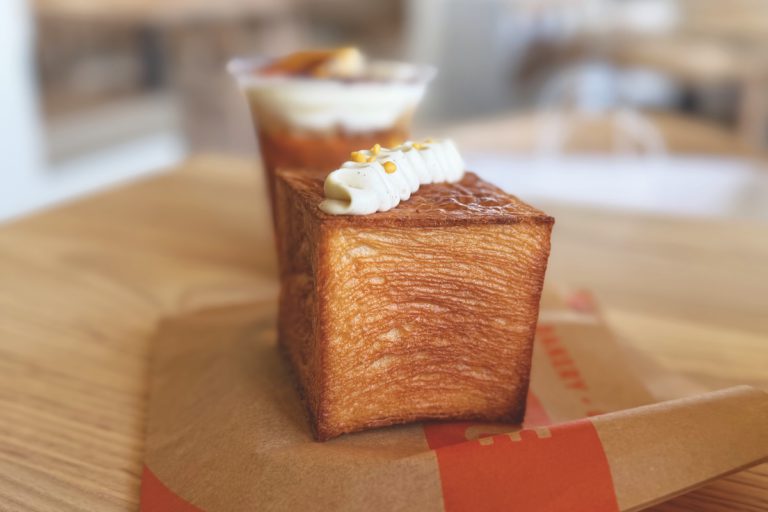
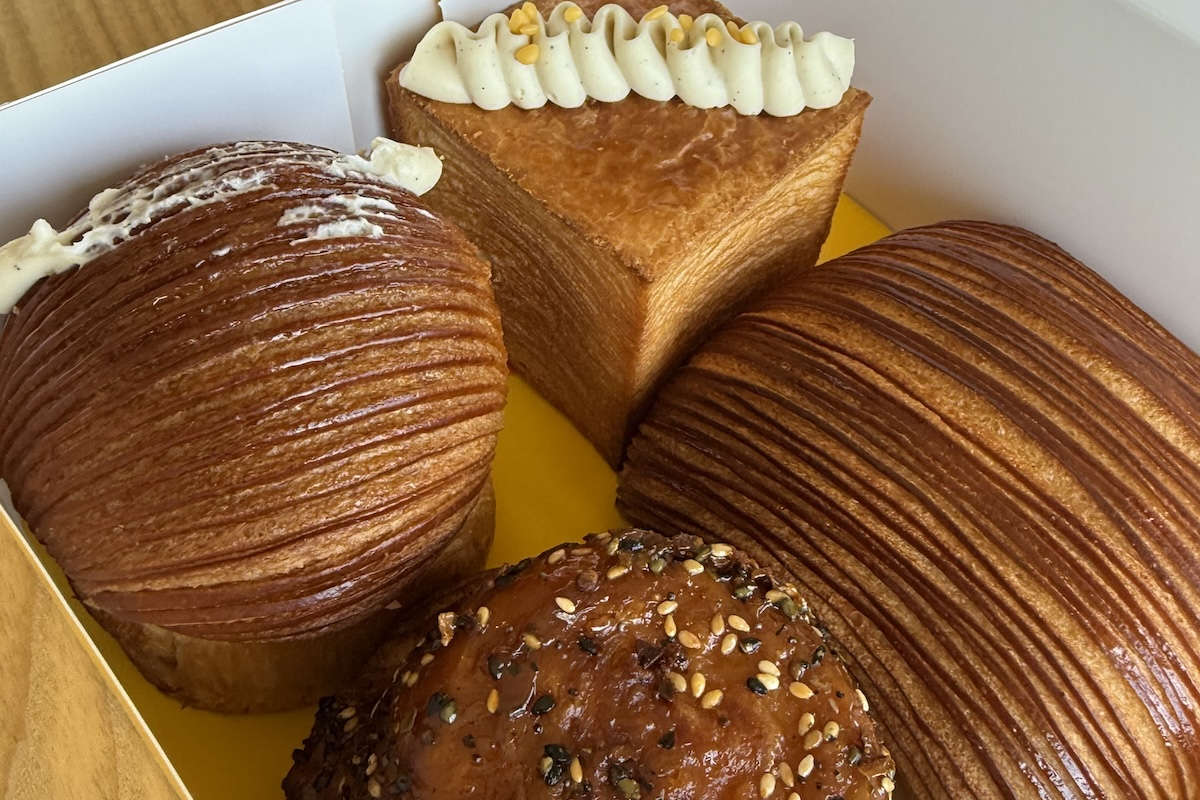
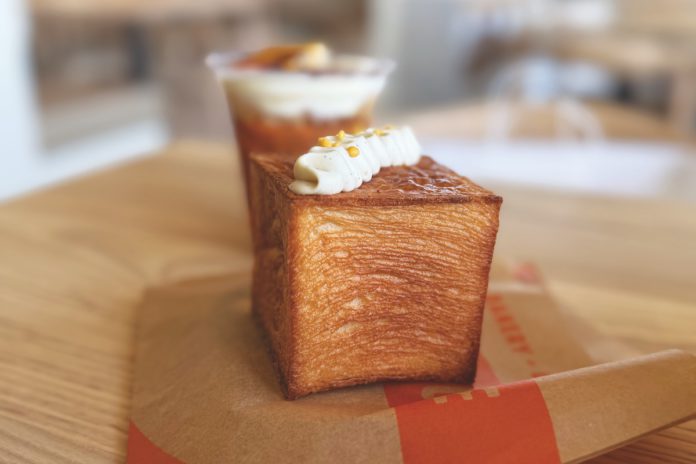
The pastries on display at Parachute Bakery sit on individual pedestals. They look like pieces of edible art in an avant-garde gallery. A cube-shaped croissant’s center contains a luscious blast of passionfruit that’s paired with a white chocolate-vanilla crémeux. Chocolate croissants are baked in the shape of cylinders. A taller, muffin-shaped pastry is filled with a roasted-banana-and-pecan-praline cream. We all smiled after taking a bite out of it. The cross-laminated dough of the pain suisse holds not the traditional duo of chocolate and creme patissierre, but goat cheese, garlic and vegetables.

The space used to house Out the Door, the late Charles Phan’s casual takeout iteration of The Slanted Door. I used to eat there often and still miss eating the claypot chicken, served with a side of broken rice that soaked up the cilantro-laced sauce. With the Parachute redesign, the line is just as long but less chaotic. It’s now a single-file snake that curves in one direction, out the door. There’s also an interior cafe now which reduces the game of Ferry Building musical chairs by a small but helpful fraction.  

Nasir Armar, Parachute’s executive pastry chef and co-owner, said he and his team took inspiration for the space from Japan’s embrace of architectural minimalism. “Personally, I feel overwhelmed when I walk into a bakery and there’s hundreds of pastries laid out in front of me,” he said. The pedestals also give customers a close-up view of the intricate details on each pastry.

Another visual stunner is Parachute’s signature chocolate entremet that’s decorated to look like a croissant. It’s made of chocolate cake layers, a chocolate crémeux and caramel. Covered in a Valrhona shell like the most decadent candy bar, this entremet should be shared with a small group of one’s closest friends. Armar is an adept stylist and, I’m happy to report, he doesn’t sacrifice substance to simply make everything pretty. 

BOXED BOUNTY Aw, now this just isn’t fair… (Photo by Lamarr English)

In 2021, Alex Hong, the chef and owner of Sorrel and a James Beard semifinalist, hired Armar to run the pastry and bread program at his San Francisco restaurant. Hong, along with Director of Operations Joel Wilkerson, later presented Armar with the opportunity to launch Parachute as its executive pastry chef and co-owner. It was an easy offer to accept. “I was always a big fan of Alex as a chef. He heavily inspired me with what he did at Sorrel,” Armar said.

Like Phan’s setup before them, the team has also taken over and redesigned the adjacent Slanted Door space. Hong is set to open Arquet at some point in October. The chef happened to be at Parachute when I stopped by. He told me the new restaurant will be, if not exactly casual, then accessible to a broader range of diners than Sorrel—which has earned a golden Michelin star—on Sacramento Street.

Armar always wanted to be a pastry chef. “Ever since day one,” he said. Which makes sense since his father ran a bakery. Born and raised in India, he told me that Girish Nayak, the chief mithaiwala—a person who makes or sells traditional Indian sweets—at Bombay Sweet Shop, also had a big influence on his career. But leading up to the Parachute opening, he undertook a rigorous training program with a couple of baker friends in Europe.

Laura Sciotti is the head pastry chef at Andersen & Maillard in Copenhagen. It, too, has a modernist take on pastry shapes. “Laura gave me a lot of knowledge,” he said. “Just working with her, getting to know the ins and outs of the bakery world and lamination techniques was very helpful.” Armar also called upon Gabriele Marziali who, until his recent move to New York, was making specialty croissants in Rome. Both of them advised Armar on how to run and manage a successful bakery.

Some of the pastries at Parachute combine those French techniques with American flavors and local ingredients. The “everything kouign-amann,” a flaky pastry, is filled with a scallion cream cheese mousse. Armar is also taking advantage of local California produce and showcasing it on the menu. He said the plan is “to change the menu every so often so it keeps people coming back.”

Parachute Bakery, 1 Ferry Building, STE 5, San Francisco. Open Wed-Sun, 8am to 4pm. parachutebakery.com. Instagram: @parachute.bakery

Free Will Astrology: Week of Oct. 15

0

ARIES (March 21-April 19): Life is tempting you to tiptoe to the brink of the threshold of the rawest truth, the wildest beauty and the most precious love. Your ancestors are conspiring with your guardian angels to lure you into the secret heart of the inner sanctum of spiritual truth. I am totally sincere and serious. You now have a momentous opportunity—a thrilling opening to commune with subtle powers that could provide you with profound guidance.

TAURUS (April 20-May 20): In the forests of America’s Pacific Northwest, “nurse logs” lie fallen but fertile. These dead trees host seedlings, mosses and new saplings that rise from their decaying trunks. I regard this as a powerful metaphor for you, Taurus. Something old in you is crumbling, like outdated beliefs, outmoded duties or obsolete loyalties. Part of you may want to either grieve or ignore the shift. And yet I assure you that fresh green vitality is sprouting from that seemingly defunct thing. What new possibility is emerging from what was supposed to end? Resurrection is at hand.

GEMINI (May 21-June 20): A deeper, wilder, smarter version of love is beckoning you from the horizon. Are you ready to head in its direction? I’m not sure you are. You may semi-consciously believe you already know what love is all about, and are therefore closed to learning more. It’s also possible that your past romantic wounds have made you timid about exploring unfamiliar terrain. Here’s my assessment: If you hope to get exposed to the sweeter, less predictable kinds of intimacy, you will have to drop some (not all) of your excessive protections and defenses. PS: At least one of your fears may be rooted in faulty logic.

CANCER (June 21-July 22): Princess Diana transformed the British monarchy because she insisted that royal duty should include genuine emotional connection. Her generosity wasn’t merely ceremonial but was expressed through hands-on charity work. She had close contact with youth who had nowhere to live. She walked through minefields as part of her efforts to rid the planet of that scourge. She hugged people with AIDS at a time when many others feared such contact. “Carry out a random act of kindness, with no expectation of reward,” she said. Her ability to maintain grace while remaining emotionally authentic reflected a genius for blending strength with sensitivity. Can you guess her astrological sign? Cancerian, of course. Now is a perfect time for you to draw inspiration from her example. Express your wisely nurturing energy to the max!

LEO (July 23-Aug. 22): Certain African lions in Kenya have no manes. Scientists theorize it’s an adaptation to heat or a reflection of extra-aggressive hunting strategies. But symbolically, it challenges expectations: Is royalty still royalty without the crown? I bring this to your attention, Leo, because I suspect you will soon be asked to explore your power without its usual accouterments. Can you properly wield your influence if you don’t unleash your signature roar and dazzle? Will quiet confidence or understated presence be sufficiently magnetic? Might you radiate even more potency by refining your fire? I think so. You can summon strength in subtlety and majesty in minimalism.

VIRGO (Aug. 23-Sept. 22): During the next nine months, you will face a poignant and potentially inspiring choice: whether to wrangle with an endless tangle of mundane struggles, or else to expand your vision to the bigger picture and devote your energy intensely to serving your interesting, long-term dreams. I hope you choose the latter option! For best results, get clear about your personal definition of success, in contrast to the superficial definitions that have been foisted on you by your culture. Can you visualize yourself years from now, looking back on your life’s greatest victories? You’re primed to enter a new phase of that glorious work, rededicating yourself with precise intentions and vigorous vows.

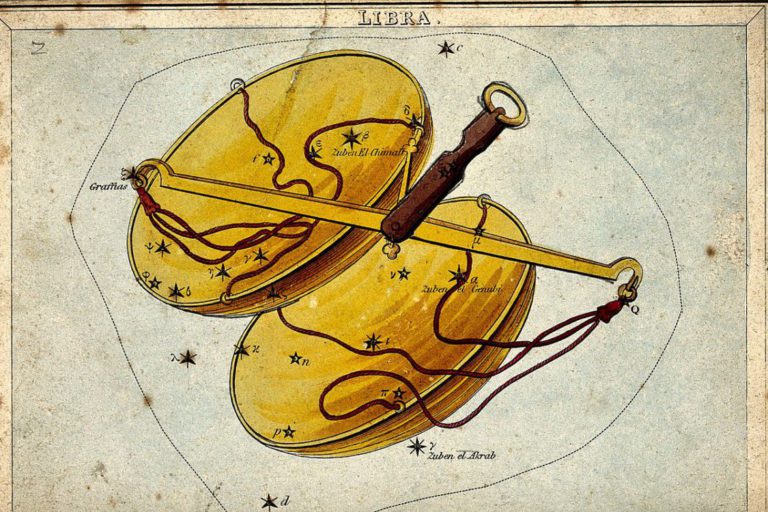
LIBRA (Sept. 23-Oct. 22): I’m pleased to inform you that the coming weeks will be an excellent time to make a big wish upon a bright star. But I must also tell you how important it is to be clear and exact. Even a slight error in formulating your wish could result in only a partial fulfillment. And aiming your plea at the wrong star could cause a long delay. Sorry I have to be so complicated, dear Libra. The fact is, though, it’s not always easy to know precisely what you yearn for and to ask the correct source to help you get it. But here’s the good news: You are currently in a phase when you’re far more likely than usual to make all the right moves.

SCORPIO (Oct. 23-Nov. 21): During World War II, Scorpio actor and inventor Hedy Lamarr developed frequency-hopping technology to prevent enemies from jamming torpedo guidance systems. Her solution rapidly switched radio frequencies in hard-to-intercept patterns. The technology was so advanced that no one could figure out how to fully adopt it until years later. Engineers eventually realized that Lamarr’s invention was essential for WiFi, GPS and cell phone networks. In the coming weeks, Scorpio, you too have the potential to generate ideas that might not be ready for prime time but could ultimately prove valuable. Trust your instincts about future needs. Your visionary solutions are laying the groundwork for contributions that won’t fully ripen for a while.

SAGITTARIUS (Nov. 22-Dec. 21): I guarantee you won’t experience a meltdown, crack-up or nervous collapse in the coming weeks, Sagittarius. What unfolds may bring a similar intensity, but in the opposite direction: a personal breakthrough, a cavalcade of illumination or a surge of awakening. I urge you to be alert and receptive for relaxing flurries of sweet clarity, or streams of insights that rouse a liberating integration, or a confluence of welcome transformations that lead you to unexpected healing. Can you handle so many blessings? I think you can. But you may have to expand your expectations to welcome them all.

CAPRICORN (Dec. 22-Jan. 19): In 1959, a Swedish engineer named Nils Bohlin designed the three-point seatbelt, revolutionizing car safety. Working for Volvo, he insisted the design must be made freely available to all car manufacturers. Bohlin understood that saving lives was more important than hoarding credit or profit. Capricorn, your assignment now is to give generously without fussing about who gets the applause. A solution, insight or creation of yours could benefit many if you share it without reservation. Your best reward will be observing the beneficial ripple effects, not holding the patent.

AQUARIUS (Jan. 20-Feb. 18): Your exploratory adventures out on the frontiers have been interesting and mostly successful, Aquarius. Congrats! I love how you have avoided tormenting yourself with self-doubt and roused more boldness than you’ve summoned in a long time. You have managed to ignore useless and superstitious fears even as you have wisely heeded the clues offered by one particular fear that was worth considering. Please continue this good work! You can keep riding this productive groove for a while longer.

PISCES (Feb. 19-March 20): In Korean tradition, mudangs are shamans who endure a personal crisis or illness and emerge with supernatural powers. They perform rituals to seek the favor of spirits. They heal the ancestral causes of misfortune and ensure good fortune, prosperity and well-being for the people they serve. I don’t mean to imply you’re following a similar path, Pisces. But I do think your recent discomforts have been like an apprenticeship that has given you enhanced capacity to help others. How will you wield your power to bless and heal?

Homework: My home country, America, is in a dire crisis that impacts the whole world. Read my comments here: Newsletter.FreeWillAstrology.com.

Litquake expands horizons

1

Since 1999 the annual literary festival, Litquake, has featured 11,500 authors and performers appearing before a total audience of 315,000. And in 2025, it’s gaining considerable steam in the East Bay. Numerous writers, poets, illustrators, playwrights and other literary artists participating in Litquake make their homes in East Bay communities. Multiple events this year in Oakland and Berkeley showcase the festival’s top local, national and international literary stars.

The festival runs Oct. 9-25 at more than 60 venues, with ambitious programs that include New Yorker writer, journalist and bestselling author of The Orchid Thief, Susan Orlean, with her new book, Joyride; U.S. poet laureate Ada Limón; Saeed Jones (How We Fight For Our Lives); Maggie Smith (You Could Make This Place Beautiful); Tochi Onyebuchi at Block’s Oakland Community Space; and more.

Special programs add pizzazz and power: a SongWriter podcast live event with Viet Thanh Nguyen and Thao Nguyen; marathon live readings of Moby-Dick and Bastard Out of Carolina; Word for Word with Edgar Allen Poe’s The Tell-Tale Heart; two “Litquake at the Movies” events—one centered on John Candy, with Bay Area-based biographer Paul Myers, and another on Berkeley-based Jeff Chang’s new Bruce Lee biography, Water Mirror Echo, that has Chang in conversation with Oakland-based comedian/writer W. Kamau Bell.

Events held in the East Bay extend the high bar with upper echelon appearances such as Thomas Schlesser, French author of the recently released No. 1 international bestseller, Mona’s Eyes. Schlesser appears in conversation with BAMPFA’s Tausif Noor at Unitarian Universalist Church of Berkeley. Also on the roster, Brandon Taylor at the Brower Center and Litquake Aftershocks programs such as Susan Orlean at Montclair Presbyterian Church and Alix E. Harrow at Gilman Brewing.

Forced to choose a single event from the bounty, Executive Director Norah Piehl selected closing night’s Lit Crawl. During a span of four hours, 60 overlapping free events in the Mission District take place in bookstores, cafes, bars, clubs, barbershops, plant and record stores, and other locations.

“You see the breadth of the literary scene and rediscover these little spaces in the neighborhood,” Piehl said. “The lineup is diverse. It’s a wonderful reminder of how active the Bay Area literary community is and has been for decades.”

Regarding the festival’s deeper push into the East Bay, she noted many Litquake followers live and work there—including Piehl, who lives in Berkeley—and a high number of literary-affiliated artists are area residents. “It’s an opportunity to come together. I paint with a broad brush, and it’s important to remember we’re all one literary community,” she said.

The opportunity to highlight East Bay institutions, she said, is equally valuable. Holding Schlesser’s conversation with BAMPFA art history expert Noor is a nod to the museum and host venues like the Berkeley church. The two Aftershock events, Piehl explained, open up windows on not only Orlean’s master-class-worthy writing process—and, with Harrow, the burgeoning romantasy genre—but on Montclair Presbyterian Church and Gilman Brewing.

In choosing and curating every event, Litquake’s intentional focus was on political topics—and on fun. “We wanted ‘how did we get here’ topics, but also opportunities for release, a break, a chance to remind ourselves about getting together to experience joy, which can be hard to come by right now,” Piehl said. 

“One event I’m self-indulgently excited about is with poets writing poems in response to Taylor Swift songs,” she said. “The caliber of Bay Area poets is prestigious, amazing. They’ll read, we’ll play songs and people can celebrate. And opening night’s (Not So) Guilty Pleasures party allows people to share every trashy, under-the-radar book or reading material they enjoy.”

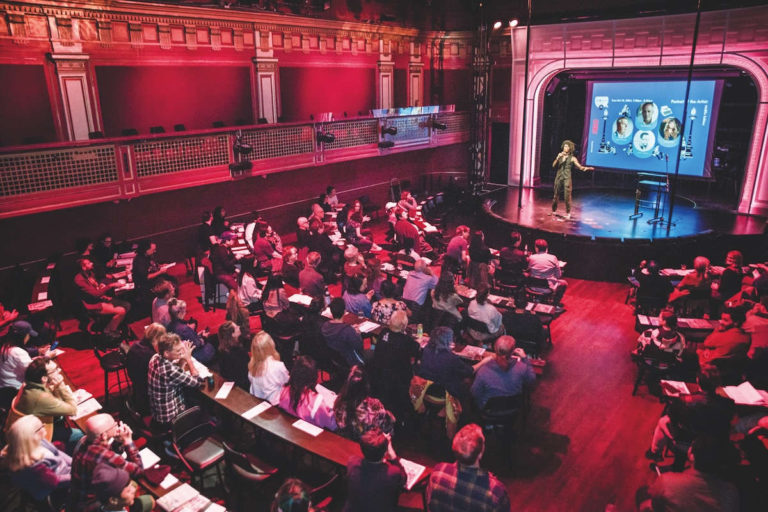
PAGE TO STAGE Litquake features a variety of events including conversations with literary stars. (Photo courtesy of Litquake)

Chang’s Bruce Lee biography is about as far from trashy as literature can be. The hefty volume opens up the nuances of the iconic figure Lee came to be as the world’s best-known martial artist and action film hero. His remarkable life was cut short in 1973 at age 32, but his legendary profile remains undiminished.

To tell the story of an Asian American who rose to fame despite colonialist, racist, segregationist and anti-Asian forces, Chang draws from first-person interviews and the special access Lee’s family granted him to thousands of personal documents and photographs. The portrait of Lee the man, not simply Lee the cinema star, reveals a person who became and remains a powerful symbol of unity, solidarity and strength of purpose, and who resisted the havoc wreaked by invading forces that bait and alienate people within societies.

“Kamau and I go way back,” Chang said. “Years ago, we both landed on this love of Bruce Lee. He calls himself the world’s No. 1 non-Asian Bruce Lee fan. We’ll be screening Fist of Fury and talk about [early 20th century] colonial power when Japan invaded and occupied Shanghai. It’s hard not to see parallels to now, where we have forces tearing apart families in D.C. and California.”

With themes that springboard organically and frighteningly into current times, Chang said the story is also timeless. History repeatedly shows Asian Americans breaking through opposition to honor their identity, traditions, philosophies and practices such as martial arts. In raising their overall visibility and representation in industries including film and more, he said, “Asian Americans are naming themselves, refusing to be identified as ‘oriental,’ ‘less-than,’ ‘subservient.’

“Lee as a symbol during the pandemic,” Chang added, “when Asian Americans were victimized—his image started appearing across the country in murals, martial arts demonstrations and actions of solidarity with other people who might be oppressed. He’s a symbol of people rising up to take back their power.”

Chang said many Asian Americans are re-evaluating who they’re fighting and what they’re fighting for. “That goes to Bruce’s efforts to be seen in Hollywood. And yet, there’s still a huge yellowface controversy raging on Broadway. How many steps forward, how many steps back must we take?” he asked.

In Lee’s private papers, Chang recognized a man full of doubt and vulnerability—an inveterate reader. Lee read widely and took voluminous notes. He memorized motivational, four-character Chinese idioms and dove into American self-help books, trying to will his dreams into being. Said Chang, “People think of him destined to become this person, but it’s amazing to see what he did in just 32 years. It’s heartbreaking.”

Even so, Chang said Lee’s life and work are ultimately uplifting and demonstrate Asian Americans’ greatest achievements, tremendous pride and ability to overcome great odds with grace, intention and determination.

“If people walk away from this book understanding there are millions of people in the U.S. who’ve experienced the same things Bruce did, they will have a better picture of who Asian Americans are,” Chang said. “Lee appears to be above space and time, a superhero, but his is the story of a man, of a people. In all the specificity of his life, we see the universal, which makes him even more a hero.”

For the complete Litquake schedule, visit litquake.org.

Who gets a Head Start?

When Sheena Biggers first walked into a Berkeley Head Start, she was a 19-year-old mom, looking for a safe place for her young daughter to land while Biggers worked a part-time job. She sometimes lingered during morning drop-off, playing with her daughter’s classmates or keeping them company while they ate breakfast, and sometimes lending a hand to teachers. 

“One day, my daughter’s teacher brought me an application to be a parent-intern teacher,” Biggers said. “I got my placement [at South Berkeley YMCA Head Start] in 2005, and I’ve been there ever since.”

The YMCA Head Start program pushed Biggers far outside of her comfort zone and changed the trajectory of her and her children’s lives for the better. “I learned a different way of raising children than what I had known, and then getting pushed by the YMCA to finish my education with her childhood development classes, I learned about patience, redirection over punishment, taking kids to the dentist early in life, going to well-baby visits,” Biggers said.

Working her way up from intern to classroom floater to head classroom teacher, she is now a proud 2025 graduate of Cal State East Bay. “Head Start is my second home—those children are my family,” she said. “Watching them graduate from high school or have families of their own feels so good to me. I had a helping hand in those lives.”

President Trump has threatened cuts from the Head Start program as outlined in Project 2025, but so far California Head Starts are reportedly hanging on, leaning more on state funds and less on federal funds. Last week a federal judge in Seattle blocked Trump’s directive to exclude immigrant children from Head Start.

“Mr. Trump lives in the White House, and before that he lived in a mansion,” Biggers said. “He has no idea what the struggles are like for those of us who are down here on the ground.”

Even while the program in California stays intact, many say the income eligibility requirements are unreasonably low—requiring that a family of three earn $34,000 annually to qualify and a family of two earn $27,000. The income threshold is so low that early in her career, Biggers nearly lost eligibility for her daughter to stay in the program with her modest salary.

“Other programs were quoting $300 a week and that simply wasn’t doable for me,” Biggers says. “The numbers are so low that many families in need miss out.”

Mimi, who became a single mom after experiencing domestic violence, earns around $80,000 annually but has almost nothing left after covering her rent which is $3,000 and her childcare at over $2,000 a month. “I’m not eligible for any government subsidies. And what I make doesn’t cover my expenses,” Mimi said. She declined to share her last name due to the sensitivity of her domestic violence case. “I experienced homelessness as a young adult, and that’s not something I want my young daughter to go through.”

Cynthia Ganote, a gender sociologist, says it’s high time for the federal and state governments to adjust the numbers so that families like Mimi’s can participate. Currently families of two earning $100,000, or three earning $112,00, are considered “low income,” and families of three earning under $71,000 are “very low income.”

“We know the cost of living in the Bay Area is so high that if the income eligibility numbers were raised so that they were on par with below-market-rate housing numbers,” Ganote said, “a larger number of kids would have access to those great outcomes that kids in Head Start have. Those benefits would also help families, communities and the entire state.”

If they had a magic wand, Ganote, Biggers and Mimi said they’d implement universal childcare so that all children and families in need would have access to programs like Head Start. “As the national government is unraveling with anti-DEI policies that decentralize and minimize the needs of kids and families,” Ganote said, “I hope that at least the state of California can continue to show resistance and can set an example for other states to follow.”

Film photography rebounds amidst a sea of digital images

Film photography rebounds amidst a sea of digital images
On Saturday, Sept. 6, Black & Brown in San Jose transformed into a gallery alive with analog energy. Eric Weiss’ portraits of ’80s and ’90s icons, from Madonna to Tupac, hung beside rows of restored vintage cameras, including Leicas, Nikon rangefinders and large-format machines. At the center of the exhibit stood two men: Weiss, the photographer who captured the...

He quit Hitler

He quit Hitler
Truth & Treason arrives in local theaters on the heels of Raoul Peck’s smashing documentary, Orwell: 2+2=5. That’s two anti-authoritarian films in a row at a time when most of us need a wake-up call. Helmuth Hübener, the 16-year-old protagonist of Matthew Whitaker’s historical political drama, Truth & Treason, isn’t very big for his age. He and his friends in...

Melanie DeMore sings ‘Songs of Comfort’

Melanie DeMore sings 'Songs of Comfort'
There’s a sense of urgency in Melanie DeMore’s voice when she speaks about music, like she’s found a cure to all the world’s problems. Music is more than just sounds: It’s power, connection and nourishment, the award-winning Oakland vocalist says in one breath. It’s this belief that inspired DeMore’s latest 14-track album, How to Hold On: Songs of Comfort and...

Welcome Strawberry recalls flowers and memories

Welcome Strawberry recalls flowers and memories
Cyrus VandenBerghe, the artist behind Welcome Strawberry, has been making music since he picked up the violin in grammar school. “I started playing on a whim,” he said. “My elementary school offered music lessons and, when deciding what instrument I wanted to pursue, I landed on violin. They said it was the hardest, so I was like: ‘That’s the one...

Social Eyes: Week of Oct. 16-22

Social Eyes: Week of Oct. 16-22
THURSDAY, OCT. 16 BLUES CHRIS CAIN BAND Following an incendiary performance at the Monterey Jazz Festival last month, San Jose blues great Chris Cain brings his stellar quartet back to the Sound Room. A fixture on the Bay Area blues scene for nearly four decades, Cain is a full-spectrum soulman. A brilliant guitarist, gifted keyboardist and powerful singer, he can lay down...

Art speaks at Gray Loft Gallery

Art speaks at Gray Loft Gallery
A subtitle for “Aligned,” Gray Loft Gallery’s exhibition of the work of six local women artists, might be “Fluidity.” The show in the third-floor space on Ford Street in Oakland’s Jingletown neighborhood continues through Nov. 8. The featured artists include Kim Cardoso with encaustic paintings; abstract paintings by Valerie Corvin; photographer Lisa Levine’s digital landscapes; the photography of Anne...

Parachute Bakery stuns at SF’s Ferry Building

Parachute Bakery stuns at SF's Ferry Building
The pastries on display at Parachute Bakery sit on individual pedestals. They look like pieces of edible art in an avant-garde gallery. A cube-shaped croissant’s center contains a luscious blast of passionfruit that’s paired with a white chocolate-vanilla crémeux. Chocolate croissants are baked in the shape of cylinders. A taller, muffin-shaped pastry is filled with a roasted-banana-and-pecan-praline cream. We...

Free Will Astrology: Week of Oct. 15

Free Will Astrology: Week of Oct. 15
For horoscopes full of cultural inspirations and irreverent wisdoms.

Litquake expands horizons

Litquake expands horizons
Since 1999 the annual literary festival, Litquake, has featured 11,500 authors and performers appearing before a total audience of 315,000. And in 2025, it’s gaining considerable steam in the East Bay. Numerous writers, poets, illustrators, playwrights and other literary artists participating in Litquake make their homes in East Bay communities. Multiple events this year in Oakland and Berkeley showcase...

Who gets a Head Start?

Who gets a Head Start?
When Sheena Biggers first walked into a Berkeley Head Start, she was a 19-year-old mom, looking for a safe place for her young daughter to land while Biggers worked a part-time job. She sometimes lingered during morning drop-off, playing with her daughter’s classmates or keeping them company while they ate breakfast, and sometimes lending a hand to teachers.  “One day,...
19,045FansLike
17,709FollowersFollow
61,790FollowersFollow