

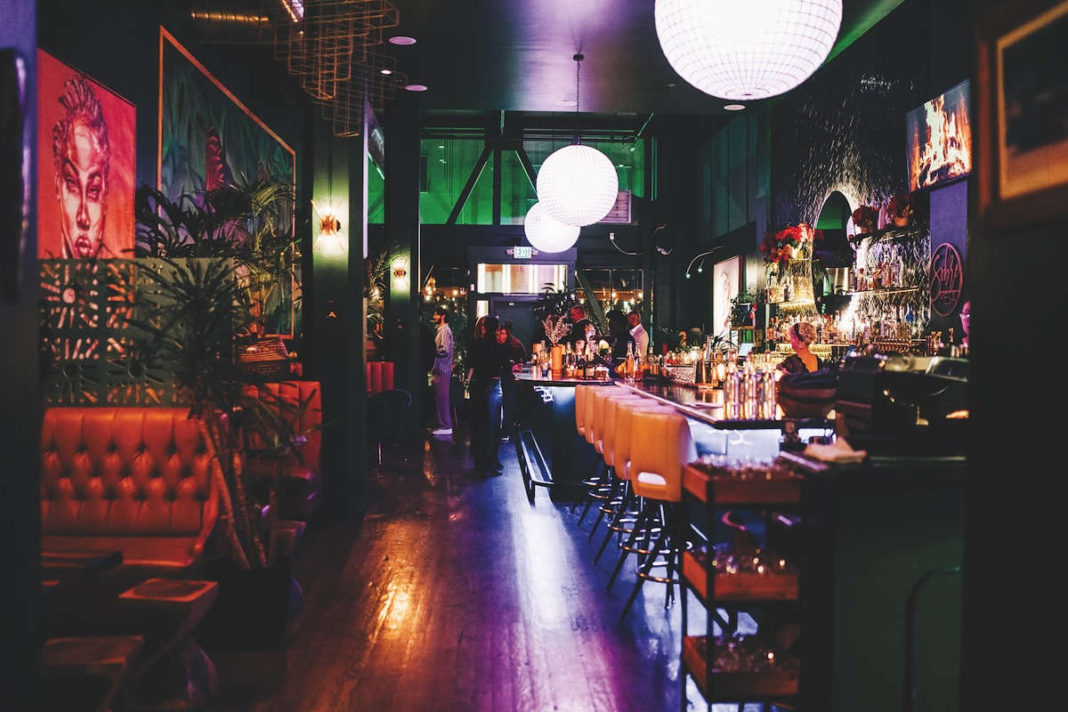
People say less is more, implying abundance is overrated. But during Dry January 2026, less and more become best buddies. The 31-day trek has adults intentionally eliminating alcohol from their beverage list. The motivations to abstain are myriad, ranging from temporary deprivation as an experiment to longterm health goals and lifestyle choices. After years of suffering drinks with the taste and mouth-feel of discarded motor oil or overly sweetened fruit juices, today’s no-alcohol (NA) options are superior to the NA mocktail, beer or wine of the past.
In the East Bay nearly every bar, restaurant and lounge offers NA options. Skilled mixologists and bartenders pour years of research, hands-on trial-and-error knowledge and individual artistry into every glass. To gain special insight into the Dry January movement, we spoke to the owner/operators of two establishments located in Oakland: Chef Nelson German of Sobre Mesa, and Tallboy’s Den Stephens.
Created by Top Chef alum German, Sobre Mesa specializes in Afro-Latino cuisine inspired by his Dominican roots and West African ancestry. Drink flavors—cinnamon, pineapple and others—that represent the slave trade in those countries tell a story.
“Back in the days, an NA drink was just mixing juices,” German said. “Now, it’s taken seriously. It’s a true craft to build a mocktail with unique, fun flavors that trip your mind.”
For the Pineapple Nutmeg Express, Abstinence Spirits blend with Sobre Mesa’s in-house caramelized pineapple juice and a signature syrup created with cinnamon, sugar and West African spices. German suggests that a perfect “live life to its fullest” meal to accompany the drink might be Stuffed Ripe Plantain; the seasonal salad with Macintosh apples, pineapple, mango, pumpkin seeds and parmesan; and the Braised Pork Belly brined in pineapple juice and slow-roasted for five hours.
Tallboy’s Stephens said developing the Espresso Martini and Greensleeves NA drinks was fun. Using Namari as the base spirit provides the former with textures mirroring a classic espresso martini’s depth, grip and punch. “It finishes super long, with complexity,” he said.
Greensleeves offers two expressions—spice and garden—with a blend of Seedlip Spice, Seedlip Garden, snap pea, orgeat and lemon. Inspired by winter salads, the flavors are citrusy, nutty and tart. An upscale hot dog like the Lion Dancing Dog and the Dry Martini Salad—a salad inspired by a drink—bring bold culinary adventure to his recommended meal.
“More guests ask for NA beverages,” Stephens said. “The NA spirits are great, and more technique means silkier textures, less water-dilution, different and skilled infusions of flavors and modifiers to lift up specific characteristics, and great garnishes and pouring techniques that create something visually spectacular. NA beer has reached its peak, and wine increasingly offers more nuanced varietals.
“I think spirits still need to grow,” Stephens added. “The aperitifs are spot-on and NA bourbons or rums are getting there, but not perfected yet. Abstinence and Seedlip are getting close. The espresso martini has blown up in the last two years and people are asking for it. I love mine with spiced rum—it’s perfection. Coffee-based drinks and ones made with new juices and syrups are really growing and often requested.”
Stephens is grateful that after 20 years in the business, the standard expectation is that a bar will serve NA beverages. “It’s de rigueur and no longer something you can phone in,” he said. “There’s an entire group of our guests who were underserved. Now, the competition is not just with each other, but with ourselves. We also have customers with more discerning palates. They want to feel welcome and receive drinks made with the same amount of care and attention as alcoholic drinks.”
Asking themselves if an NA drink sings and fills a gap in the menu, Tallboy’s new offerings must stand on their own and be spectacular, according to Stephens, who believes spirits have developed the most and still have room for growth. The chemistry and science in barrel-aged NAs leave them lagging behind, but Stephens is optimistic, saying, “Remember, alcoholic spirits have a 100-year headstart on NA spirits.”
As the conversations wind up, the discussion circles around the possible contradiction between Dry January’s “get healthy, go NA” message and their establishments’ reliance on selling alcohol for a portion of their revenue.
“First and foremost, our space is a place to gather, to congregate,” Stephens said. “We lost so many large bars and gathering spaces in Oakland during the pandemic. They became insolvent. What people are drinking at Tallboy is a side point. What matters is do they feel warm, welcome, comfortable, safe? Do they enjoy the people they’re with or meet here?
“Alcohol has always been a social lubricant, but it’s not necessary,” he continued. “Dry January is proof positive of that. We don’t see a dip in sales. People still go out to engage with the community, family and friends.”
German said, “It’s a give-and-take. For bars and restaurants, we have to show variety. Young professionals are now beverage enthusiasts; they want to try something new. We have to have alcohol for someone who wants it. For others, we have NA—it’s a way for us to have fun, be more creative and health conscious.
“But classic drinks are never going away,” he added. “There’s actually a pushback called Ginuary. It’s a pun and a new movement, but Dry January is popular. We see people try it and continue doing it all year long.”