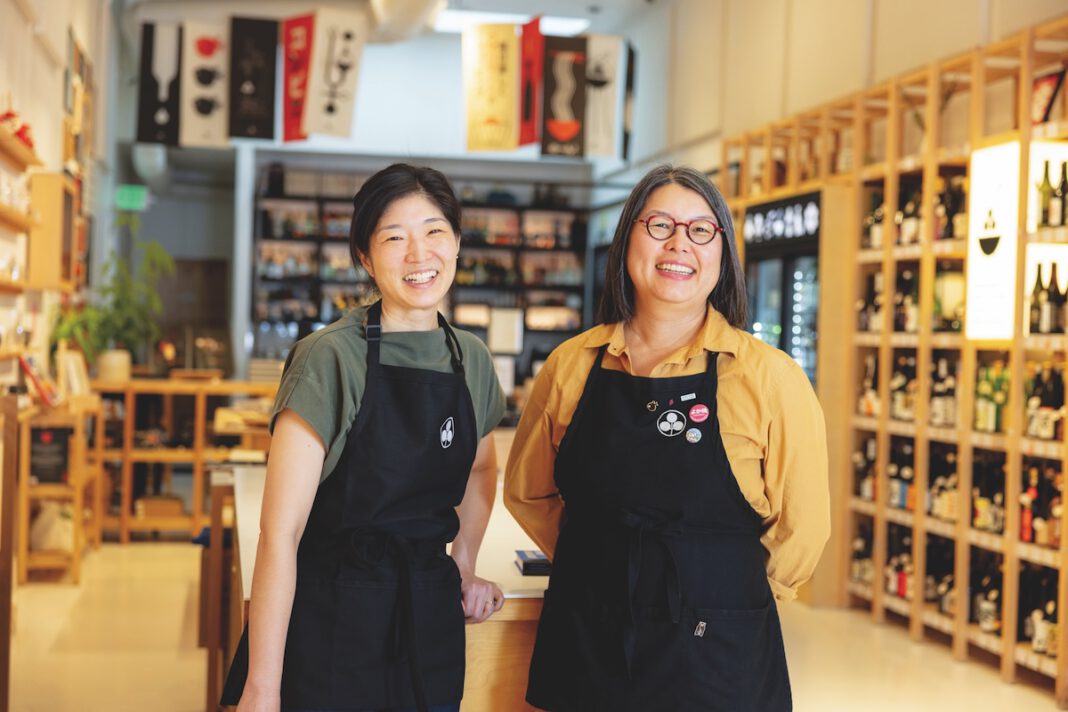
Umami Mart started as a blog and then materialized IRL as a pop-up in Oakland before expanding into its current incarnation as a specialty market and sake bar. Friends since childhood, Kayoko Akabori and Yoko Kumano were living in different cities when they decided to start that foundational blog together in 2007. It was a way for them to keep in touch when blog culture was a brand new trend. They were in their 20s living in two big metropolitan areas—Brooklyn and Tokyo. The content they developed was based around food.
“We invited other writers from around the world—Copenhagen, Brazil, L.A.—so it became a community food blog,” Akabori, who was the main editor, recalled. It was also a way to introduce the concept of umami to a broader audience, a couple of years before anyone had heard of the restaurant chain Umami Burger. When Akabori and Kumano decided to open a brick-and-mortar, it made sense to name the store after the blog.
In their comprehensive and charming new book, Everyday Sake: The Go-To Guide To Choosing, Pairing + Serving, the glossary includes a definition of umami: “The ‘fifth taste,’ after sweet, salty, bitter, and sour. The term refers to savory, nutty, meaty flavors detected in foods and drinks that are high in glutamates and nucleotides.”
I’ve always thought of that fifth taste as providing an extra bit of oomph to a dish. Akabori described the flavor as the difference in taste between a fresh tomato and one that’s sun-dried. Both of her parents are chefs so it was always a familiar word. Kumano added that the glutamates and amino acids in miso soup, red wine and sake are the key building blocks that register umami on our palates.
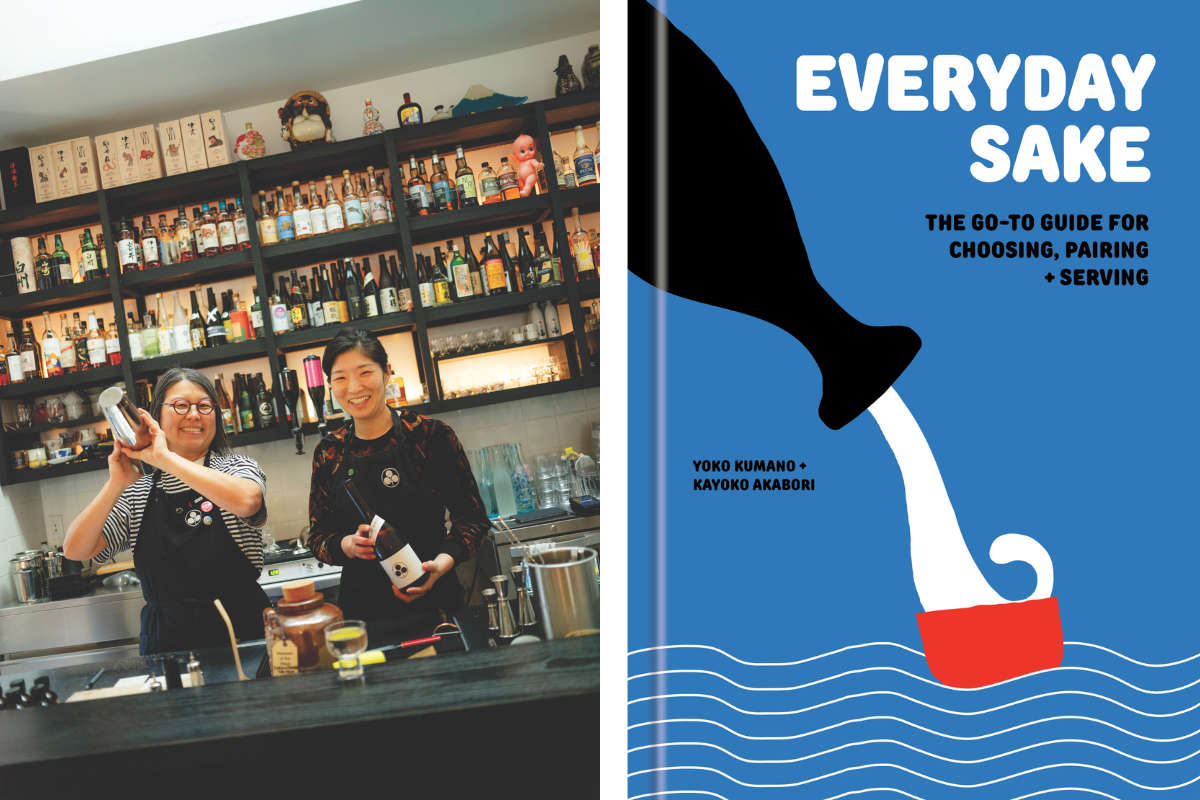
When Akabori and Kumano both moved back to the Bay Area, they wanted to turn the blog into a business. They started out by importing barware from Japan which, Akabori explained, became popular with the rise of the bespoke classic cocktail movement. Tools such as strainers, muddlers, jiggers and long bar spoons. The American equivalents, aesthetically speaking, weren’t as nice as the ones made in Japan. “That’s why Japanese cocktail barware became a huge hit, because it’s high quality. It’s beautiful,” Akabori said.
The Japanese concept of mottainai is alien to this American life. If the TV, mattress or spouse you share it with is flawed, we’re all empowered to replace them with the latest model. When Akabori heard her parents use the term, she understood that being wasteful wasn’t a good thing. But the concept goes beyond the act of cooking every part of an animal or a vegetable. Mottainai encompasses much broader ideas about preserving one’s heritage and culture.
“If you travel to Japan,” Akabori said, “you notice how well they preserve things.” That sustained history of artisanal craft in Japan has since vanished in the United States. Kumano described that approach as “the care of craftsmanship,” adding, “If you go to a coffee bar in Japan the furniture is the same from the 1950s because they’ve kept it so clean and they preserve everything so well.”
Umami Mart’s shelves and display tables are filled with barware, plateware and arty knickknacks. But there’s also an enormous cabinet stocked with bottles of sake and shochu that stretches toward the bar at the back of the store. Kumano is the sake director; she used to work at Takara Sake in Berkeley. Akabori looks after the shochu program. And Katrina, their bartender, tends to the cocktail program.
“I love sake because it’s such a great food-pairing beverage,” Kumano said. “It’s also casual, more in the spirit of beer than wine.” She likes to drink it both cold and hot. Sake is a fermented beverage whereas shochu is a brewed spirit. Akabori said she drinks it with a soda mixer as a highball. “My favorite is the sweet potato shochu,” she said. “It just has a nice earthiness.” She regularly drinks it at mealtime.
Whether it’s made with the flavors of sweet potato, barley, green tea or sesame, shochu tastes very different from sake. “Some people get mixed up and they have shochu thinking they’re having sake—and the shochu tastes really strong,” Kumano said. “Umami is the biggest thing about sake, but it’s sweeter and lower in alcohol.”
Umami Mart, 4027 Broadway, Oakland. Open Tue-Sun, 11am to 7pm. ‘Everyday Sake’ is available for purchase in-store and at umamimart.com.