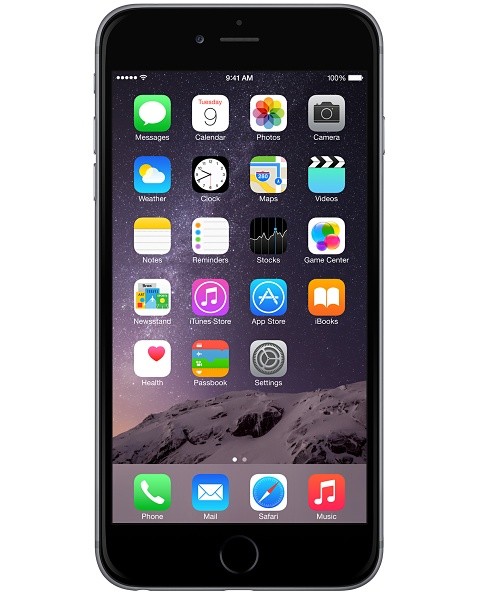
1. The cellphone industry has sued the City of Berkeley in an attempt to overturn the city’s new warning label law for cellphones, the Chron reports. The industry claims that Berkeley’s law violates cellphone makers’ free speech rights because it forces them to use warning labels that they disagree with. The industry used the same argument in successfully challenging San Francisco’s warning label law. Berkeley’s law, however, is more limited than that of San Francisco.
[jump]
3. The family of Demouria Hogg, a thirty-year-old Hayward resident who was shot and killed by Oakland police on Saturday after they found him sleeping in his car, say he didn’t deserve to die, the Trib$ reports. Oakland police have yet to say why an officer shot and killed Hogg. Police said there was a loaded gun in Hogg’s car, but it’s not clear whether Hogg brandished it at officers after they woke him up.
5. Newly released documents confirm that Richard Aoki, a famed Asian-American activist in Berkeley and Oakland in the 1960s who equipped the Black Panthers with guns, was a top-level informant for the FBI, the Center for Investigative Reporting reports (via the Trib$). However, the documents do not indicate whether the FBI had supplied the guns that Aoki gave to the Panthers.
6. And PG&E restored power to about 45,000 customers who lost power last night in parts of Albany, Berkeley, El Cerrito, Kensington, Oakland, Richmond, and San Pablo, after a squirrel damaged equipment at an El Cerrito substation, the Trib$ reports.